


 11/05/2026
  552 views
Many businesses still face issues like hiring the wrong people, providing directionless training, and conducting baseless evaluations – all stemming from the LACK of a clear job standards document. Creating a job standards document lays the foundation for sustainable team training, evaluation, and development. This article will delve into the definition, components, creation process, and role of a job standards document in modern human resource management.
Mục lục
- 1. What is a Job Standards Document?
- 2. The Relationship Between SOPs and Job Standards Documents
- 3. Benefits of a Job Standards Document in Human Resource Management
- 4. Essential Components of a Job Standards Document
- 5. Basic Process for Writing a Job Standard Document
- Step 1: Analyze the job to determine tasks and requirements.
- Step 2: Define the objectives and expected outcomes for the position.
- Step 3: List the main and secondary tasks.
- Step 4: Determine the requirements for qualifications, skills, and experience.
- Step 5: Define the candidate’s standard authority and responsibilities
- 6. Important Notes When Writing a Job Standard Document
- 7. 4 Tips to Optimize Job Standards
- 8. Sample Job Standard Template
- 9. Conclusion
1. What is a Job Standards Document?
A Job Standards Document is a document that systematically and specifically describes the competency requirements, duties, authority, and evaluation criteria for a position within an organization. It is a tool that helps businesses identify the “right person” for the “right job,” thereby standardizing all recruitment, training, and personnel evaluation activities.
Unlike a job description (JD), which focuses solely on job content and specific tasks, a job standards document also emphasizes:
- Input requirements: qualifications, skills, experience, attitude;
- Output expectations: results, key performance indicators (KPIs);
- Role within the system: working relationships and scope of responsibility.
2. The Relationship Between SOPs and Job Standards Documents
SOPs (Standard Operating Procedures) and job standards documents are two closely linked components. While a job standards document defines the job title, duties, authority, evaluation criteria, and competency requirements for each position, an SOP provides detailed instructions on how to perform those tasks uniformly, effectively, and in compliance with the correct procedures.
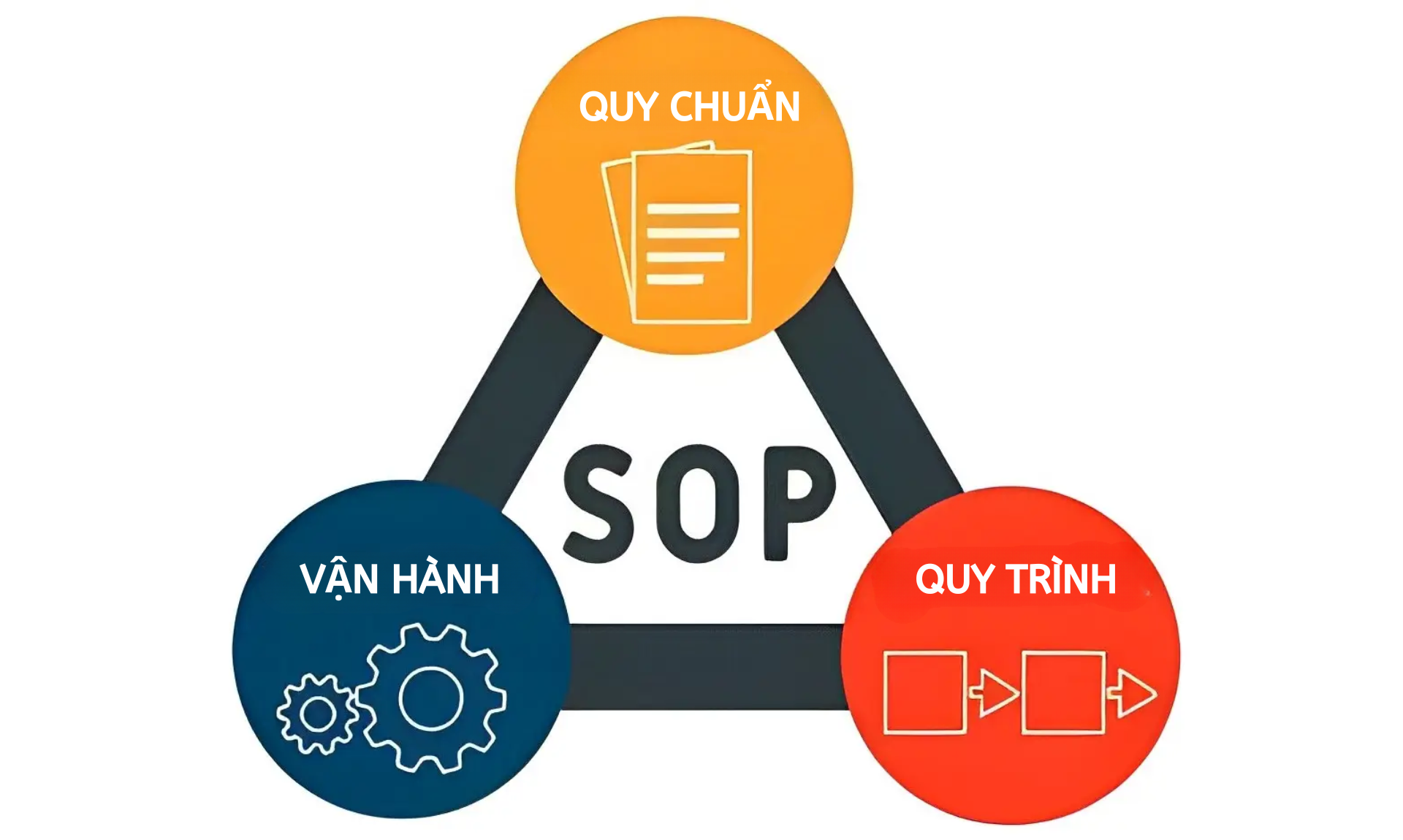
Job standards documents are closely related to SOPs
For employees, clarity on how to perform tasks helps them integrate quickly, execute work correctly, and improve their performance. For managers, this connection is a powerful tool for accurate performance evaluation, making informed decisions about recruitment and training, managing personnel risks, and continuously improving processes. Understanding how job standards documents and SOPs work together helps businesses build a solid operational foundation, foster a professional and disciplined work culture, and create a sustainable competitive advantage in the market.
3. Benefits of a Job Standards Document in Human Resource Management
Creating and implementing a job standards document is not just an administrative task; it plays a core role and offers strategic benefits in enhancing the effectiveness of human resource management and promoting the overall development of the business. The significance of a job standards document:
- Serves as a powerful tool for training and integration (Onboarding), helping new employees quickly grasp job requirements and work processes, and integrate more effectively with the work environment, thereby minimizing the time and resources needed for initial training.
- Provides an objective basis for measuring and evaluating performance, as both managers and employees clearly understand the criteria (KPIs, expected outputs) and how work is assessed as “meeting” or “exceeding” expectations.
- Minimizes errors and operational risks in human resources by clearly defining implementation steps, important notes, and desired quality standards.
- Enhances employees’ self-management and problem-solving abilities
- Builds a professional and systematic work culture
- Effectively supports scaling and knowledge transfer within the organization. When the business grows, needs to replicate its model, open new branches, or when there is personnel rotation/turnover, existing job standards documents become invaluable for transferring core knowledge, training new employees quickly, and ensuring consistent quality across the entire system.

A job standards document helps promote business operations
Thanks to these roles, the job standards document becomes an indispensable tool in modern human resource management, helping businesses operate smoothly, efficiently, and adapt better to change.
4. Essential Components of a Job Standards Document
A complete job standard document will help supervisors/managers evaluate employee performance and understand their expectations for the job. To achieve this, the standard document should include the following content:
- General Information: Includes Job Title, Job Code (if any), Department/Division, Level/Reports to
- Main Functions and Duties: List the main task groups for the position, clearly divided into regular tasks and periodic/ad-hoc tasks. The purpose is to help employees clearly understand the scope of work and core responsibilities.
- Competency and Quality Requirements: Educational level, work experience, professional skills, personal qualities…
- Performance Evaluation Criteria: KPIs/OKRs linked to each main task
- Authority and Responsibilities
- Internal and External Work Relationships: Departments frequently collaborated with, partners, customers, and suppliers related to the job.
Building the above content completely and clearly is the foundation for the job standard document to maximize its value.
5. Basic Process for Writing a Job Standard Document
After understanding what a job standard document is, its necessary components, and its important role, the practical question is how to start building an effective, easy-to-understand, and applicable document? Below are 5 simple and logical steps to help you write a job standard document for each position in your business:
Step 1: Analyze the job to determine tasks and requirements.

Job analysis is the process where you collect, evaluate, and systematize information related to a specific position within the organization. The goal is to clarify ‘what this job is, why it exists, and how it impacts the organization.’ You need to directly observe someone performing the specific job (especially high performers), interview them and their direct manager to fully grasp daily activities, related processes, tools/software used, and common requirements/challenges.
Step 2: Define the objectives and expected outcomes for the position.
This step focuses on clarifying the main objectives to be achieved and the specific, measurable outputs or outcomes that the person in the position needs to deliver within a certain period. Clearly defining objectives and expected outcomes is a crucial basis for you to build performance evaluation criteria (KPIs) in the following steps.
Step 3: List the main and secondary tasks.
Based on the analysis results from Step 1 and the objectives from Step 2, list all the tasks this position needs to perform to achieve those objectives. Classify them into main tasks (important, time-consuming, or having a major impact on results) and secondary tasks (less frequent, supporting the main tasks). When listing, try to use strong, clear action verbs and describe the desired outcome of the task (e.g., ‘Manage candidate profiles’ instead of just ‘Candidate profiles’).
Step 4: Determine the requirements for qualifications, skills, and experience.
Returning to the requirements for performing the job well and the ideal candidate profile, list in detail the necessary standards for educational level, specific professional knowledge, soft skills and hard skills, along with work experience (number of years, equivalent position, in the industry…). These are the crucial ‘input’ factors that determine a candidate’s ability to perform the job.
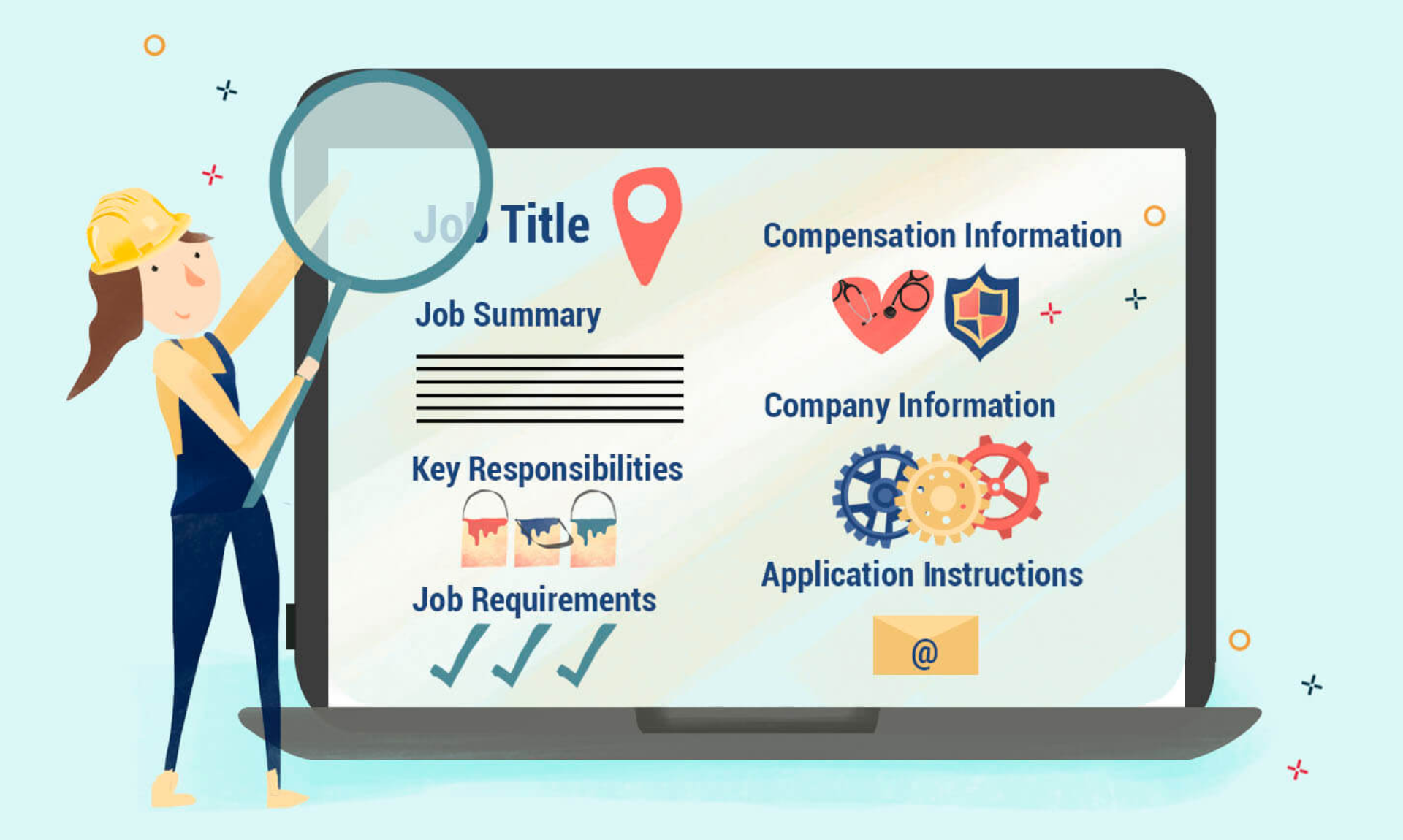
The final step is to clarify the authority that the person in the position is allowed to use to perform their job effectively. At the same time, clearly state the responsibilities they must bear when performing tasks and using that authority, as well as the accountability for job results.
6. Important Notes When Writing a Job Standard Document
Like any other publicly or internally issued document, the job standard document needs to be meticulously completed, avoiding unnecessary minor errors. Here are some notes to keep in mind:
- Language: Use concise, succinct, and easy-to-understand language that gets straight to the point. Avoid vague or overly ‘flowery’ words.
- Terminology: If using specialized terms, ensure they are used correctly and can be explained if necessary for readers who are not experts.
- Role: Always keep in mind the ultimate goal is to clarify the role, position, and contribution of this job to the overall picture of the department and the business.
7. 4 Tips to Optimize Job Standards
Writing a job standard is just the first step. For this document to become an effective management tool, businesses need to optimize both its content and implementation.
#1: Plan a clear and systematic implementation roadmap
Don’t just issue the standard and expect everyone to follow it automatically. Develop a detailed plan on how to disseminate the standard to all relevant employees (via email, in-person meetings, internal systems, etc.). It is especially important to organize training to ensure all employees clearly understand the content, purpose, and how to apply the standard to their daily work.
#2: Customize for the Organization (Align with Company Culture & Goals)
The job standard should reflect the unique characteristics of your business, not be a rigid template applied everywhere. Adjust the language and even the structure of the standard to fit your company culture, specific recruitment goals, and available resources.
#3: Collect Data from Practical Application and Stakeholders
The process of building and optimizing job standards should not be a one-way street. Actively collect feedback and data from the employees who perform the job and their managers throughout the process (from drafting to implementation). They are the ones who best understand the actual workflow, the difficulties, and the areas that need standardization or improvement.
#4: Use AI as an Assistant to Help You Build Job Standards
Building detailed and comprehensive job standards often consumes a significant amount of time and effort for HR staff or managers, especially when drafting for multiple positions or when the business is expanding. In the digital age, AI is emerging as a powerful assistant, helping to simplify and significantly accelerate the process of creating job standards.
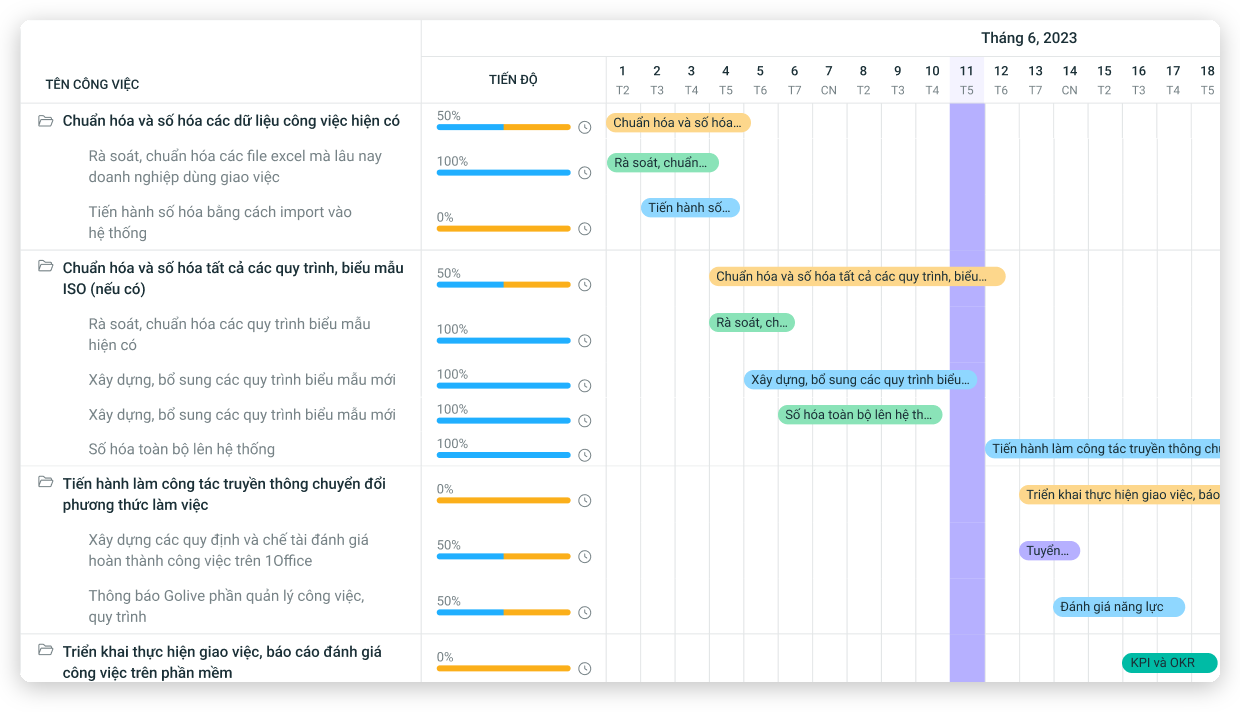
Instead of letting HR staff struggle with writing job standards manually—a process that is time-consuming, prone to errors, and difficult to standardize—1Office has applied artificial intelligence (AI) to help automate this process. Based on actual data from the system (job descriptions, KPI results, evaluation feedback, etc.), AI can suggest a suitable job standard structure for each specific position, thereby helping employees:
- Clearly define core responsibilities and expected outputs
- Understand the link between job standards and individual KPI/OKR results
- Proactively update or refine content based on actual changes
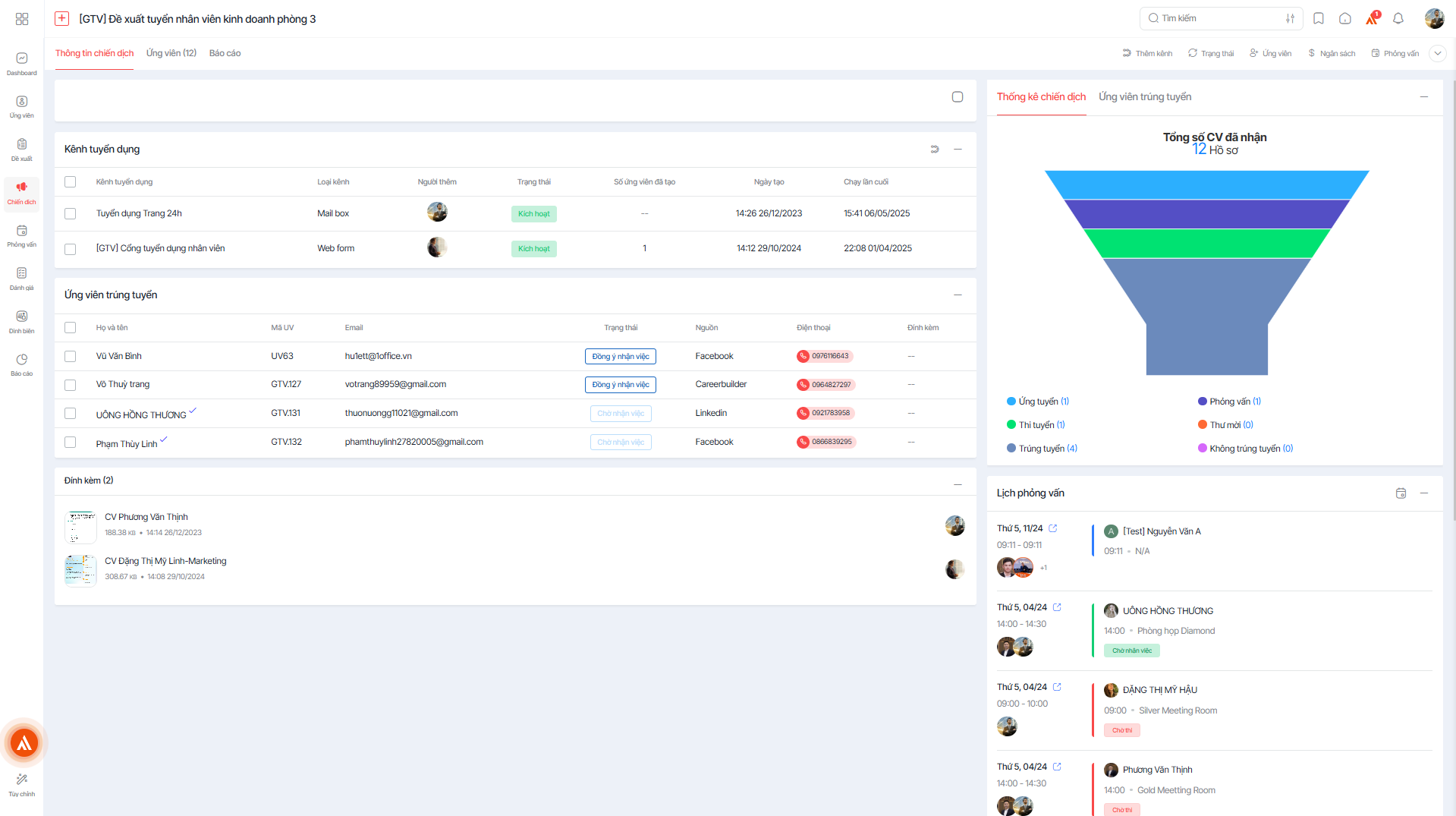
1Office has applied artificial intelligence (AI) to support the automation of the recruitment process
Register for a free 1Office Demo account!
Additionally, with the 1HRM module in the 1Office ecosystem, you can easily link job standards with performance management and other HR activities, with outstanding features such as:
- Centralized Management: Store and manage job standards for each position right on the platform.
- Set and Manage Goals/KPIs: Easily set and manage KPIs and OKR goals for each position, directly on the same platform and based on the job standards.
- Real-time Performance Tracking
- Automated Results Updates
- Data Integration: Performance data is directly and seamlessly linked to employee profiles, periodic competency reviews, and even the payroll process.
- Create a Closed-Loop Management Cycle: Form an automated, data-driven HR management process, from defining job standards to evaluating and recognizing employee achievements.
8. Sample Job Standard Template
Here is the Job Standard for the Sales Executive position.
I. General Information
Position Code: SALE01
Department: Sales
Level: Staff
Reports to: Head of Sales
Coordinates with: Marketing, Customer Service, Accounting
II. Main Content
| Category | Description |
| 1. Competency Requirements | |
| Education & Experience | College degree or higher (majors in Economics, Management, Marketing are preferred) |
| At least 6 months of experience in sales/B2B is an advantage | |
| Professional Skills | Good consulting, persuasion, and objection handling skills |
| Proficient in Excel, Google Sheets, CRM software (1Office, AMIS, Hubspot…) | |
| Qualities & Soft Skills | Professional, proactive, and eager to learn |
| Flexible communication skills, able to work under sales pressure | |
| 2. Key Functions and Responsibilities | |
| Customer Consultation | Receive and contact potential customers, introduce products/services, answer inquiries |
| Closing Deals & Signing Contracts | Negotiate prices and contract terms, coordinate with relevant departments to complete procedures |
| Customer Data Management | Update information on the CRM system, track progress, and transaction history |
| After-Sales Support | Coordinate after-sales customer care, handle feedback, and propose improvements |
| 3. Key Performance Indicators (KPIs) | |
| Sales Revenue Achieved | ≥ 100 million/month |
| Number of New Customers | ≥ 20 customers/month |
| Conversion Rate | ≥ 20% from lead to customer |
| Customer Response Time | ≤ 4 hours |
III. Authority & Responsibilities
Authority:
- Access the CRM system, propose promotional programs for customers
- Proactively negotiate within the permitted price range
Responsibilities:
- Maintain confidentiality of customer information and internal data
- Ensure data is updated accurately and completely
IV. Work Relationships
- Internal: Coordinate with the Marketing department to understand campaigns, report to the Team Leader
- External: New/potential customers, partners within the scope of work
9. Conclusion
A job standard document is an essential foundation for attracting suitable candidates and enhancing work performance within a business. To effectively build and apply these standards in the digital age, leveraging integrated technology solutions is extremely important. 1Office is ready to partner with businesses, providing a comprehensive human resource management platform that helps your company easily optimize talent acquisition strategies, link them to performance, and streamline all HR operations.
















