What is a target customer? How to analyze them correctly


In the business environment, analyzing the target customer plays an extremely important role in a company’s success. A clear understanding of customer needs and wants is the foundation for building effective marketing strategies, while also helping businesses optimize resources and increase profits. Let’s dive deep into the process of analyzing target customers with 1Office!
Mục lục
1. What is a target customer?
Target customers (Target Audience) are the group of customers a business aims to reach. They are individuals who have a need for the business’s products or services and have the ability to pay for them.
Identifying target customers is the first and most crucial step in building an effective marketing strategy. Businesses need to invest time and resources to research and analyze this group effectively.
>> See more: 5 ways to identify target customers accurately and effectively
2. The role of target customer analysis
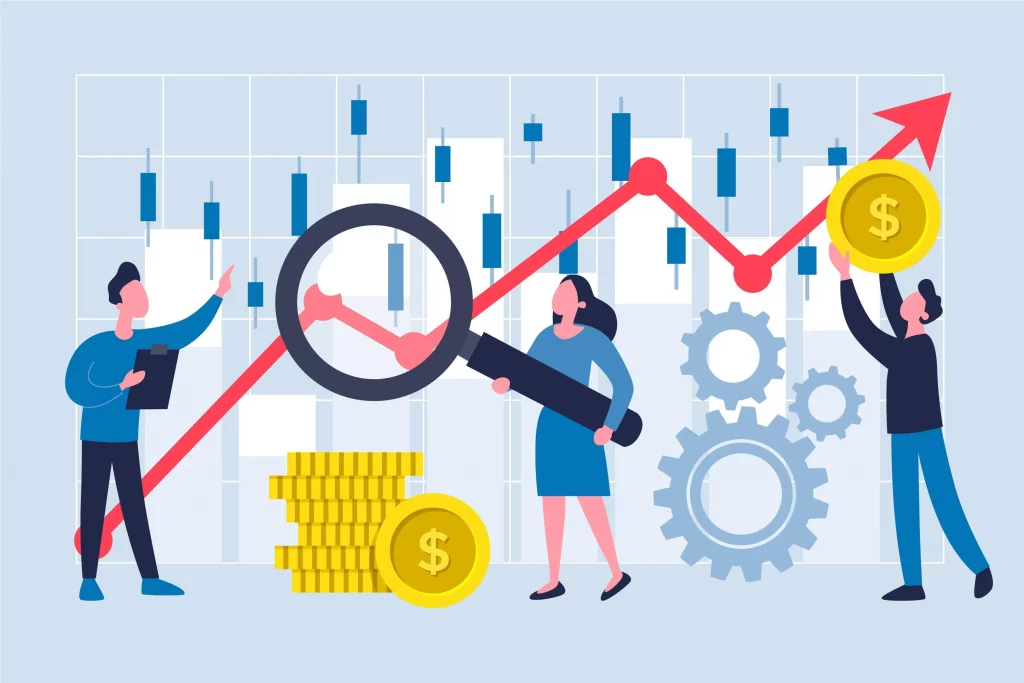
Target customer analysis plays an extremely important role in a company’s business operations. Here are some of the main roles of analyzing target customers:
Focus resources effectively: When businesses clearly know their target audience, they can focus resources on developing products and services that meet their needs. This avoids wasting resources on products/services that are not suitable for the market or are not in high demand.
Increase marketing strategy effectiveness: Businesses can choose appropriate communication channels to reach their target customers and build marketing messages that align with their needs and wants, contributing to building their brand and product image.
Improve products/services: Analyzing target customers helps businesses clearly understand their needs and wants, thereby improving products/services to better meet those needs. At the same time, businesses can develop new products/services that suit market demands, thus increasing their competitiveness.
Increase revenue: When a business focuses on the right customer group, the probability of successful sales is higher, thereby increasing revenue and profit. Additionally, businesses can build long-term relationships with target customers, helping to increase customer loyalty and encouraging them to purchase more.
Enhance competitiveness: A business’s target customer base acts as a barrier to competitors within the same market share. Businesses can offer differentiated products/services that meet the needs of their target customers, thereby attracting potential customers and increasing their competitiveness.
3. Classifying 5 groups of target customers
3.1. The loyal customer group
Loyal customers are a group of customers with high brand loyalty who frequently purchase from the business. This is the most important customer group for a business because they bring long-term profit and value.
This customer group often accounts for over 20% of the total current customers but contributes to more than 50% of the business’s revenue. Therefore, managers need to maintain relationships with this group by providing excellent customer service, attractive incentive programs, and unique experiences.
3.2. The potential customer group
Potential customers are a group of customers who have a need for the business’s products/services but have not yet made a purchase. This is an important group for the business as they have the potential to become actual customers.
To attract potential customers, businesses need to provide useful information about their products/services and build effective marketing strategies to create trust with customers. Additionally, marketing campaigns that offer opportunities to experience products/services for free or at a discounted price can increase the likelihood of a purchase.
3.3. The price-driven customer group
Price-driven customers are a group that only makes purchases when there is a discount or a promotion. This group is more concerned with price than with the quality of the product/service.
Here are some ways to attract price-driven customers:
- Offer attractive promotions such as discounts, free gifts, buy 1 get 1 free, etc.
- Provide products and services at competitive prices compared to the market.
- Emphasize the value of the product/service so that customers understand they are getting the best value for their money.
3.4. The trend-driven customer group
Trend-driven customers are a group that often buys the newest and most popular products and services. This group is interested in unique and distinctive products/services and may be willing to pay a high price for the latest items.
For this customer group, businesses need to regularly update themselves on market trends to offer products/services that meet customer needs and use Influencer Marketing to promote products/services to this group.
3.5. The impulse customer group
Impulse buyers are a group of customers who have no specific needs and randomly purchase products they feel are good for them. This customer group may or may not buy a business’s products/services.
Attracting impulse buyers is an effective business strategy that helps businesses increase revenue and profit. However, businesses need to be careful not to lose these customers, as they might buy from competitors if they are not satisfied with the business’s products/services.
4. The Process of Analyzing Target Customers
4.1. Customer Persona – Creating a Customer Profile
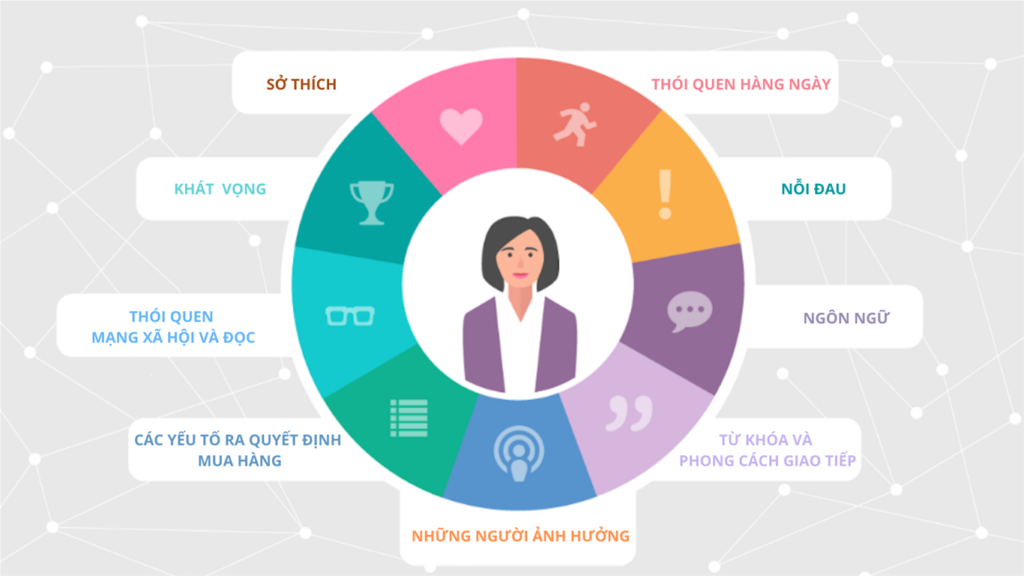
Creating a customer persona is a method that helps businesses clearly understand their target customers. To create an effective customer persona, businesses need to follow these steps:
Step 1. Define Objectives: Managers need to determine the purpose of creating the customer persona and which strategy it will be used for (marketing, sales, product development, etc.). At the same time, identify the target customer group the business wants to focus on.
Step 2. Collect Data: Proceed to collect customer data from various sources such as surveys, interviews, analysis of purchasing behavior data, social media data, etc. The information to be collected includes:
- Demographics: age, gender, income, education level, occupation, family status, etc.
- Psychographics: personality, values, interests, habits, opinions, lifestyle, etc.
- Behavior: needs, wants, challenges, pain points, purchasing behavior, information channels they access, etc.
Step 3. Analyze Data: To find commonalities and differences between customer groups and identify the key factors influencing their purchasing decisions.
Step 4. Create the Customer Persona: Based on the data analysis results, create a detailed description of the target customer, including:
- Name: The target customer’s name.
- Image: A representative image for the target customer.
- Story: A description of the target customer’s life, work, and family.
- Needs: The target customer’s needs and wants.
- Challenges: The challenges the target customer faces.
- Goals: The goals the target customer wants to achieve.
- Reasons for Choosing: The reasons the customer chooses the business’s products/services.
- Information Channels: The information channels the customer frequently uses.
Note: Creating a target customer persona is an iterative process. Businesses need to regularly update customer information to ensure the persona remains accurate and relevant to reality. Currently, there are many customer data analysis tools like Facebook, Google Analytics, etc., that help businesses create effective customer personas.
4.2. Customer Experience – Mapping the Customer Journey
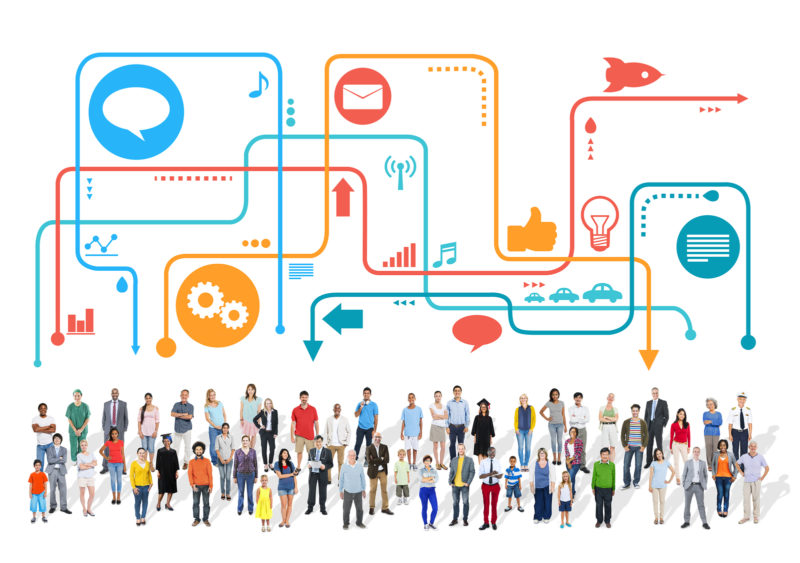
Customer Experience is a method that helps businesses clearly understand each step in the customer journey when using their products/services. Businesses build this journey by mapping out all the touchpoints a customer encounters from initial contact to the completion of use.
To map the customer journey, businesses need to identify:
- The stages a customer goes through when using the business’s products/services, such as awareness, interest, consideration, purchase, evaluation, etc.
- Touchpoints between the customer and the business: Website, Fanpage, Store, Hotline, Email.
- Customer expectations at each stage, for example, ease of use, quick support, reasonable pricing.
4.3. Customer Insight – Analyzing Target Customers
Analyzing target customers through Insight is the key factor leading to a successful Marketing strategy. Customer Insight is likened to the “heart” of a marketing strategy; it is the deep understanding of customers that businesses need to grasp to approach them accurately and effectively.
Insight helps businesses delve into the customer’s mind, discovering hidden needs and deep-seated desires they may not express directly. From there, businesses can create suitable products/services and optimally meet customer needs.
So how can you analyze Insight effectively?
- Collect Data: Data on purchasing behavior, social media interactions, survey responses, etc., are valuable sources of information for understanding customers.
- Analyze Data: Use data analysis tools and techniques to identify trends, customer segments, and hidden needs.
- Interpret Results: Transform data into easy-to-understand, practical information that can be applied to the marketing strategy.
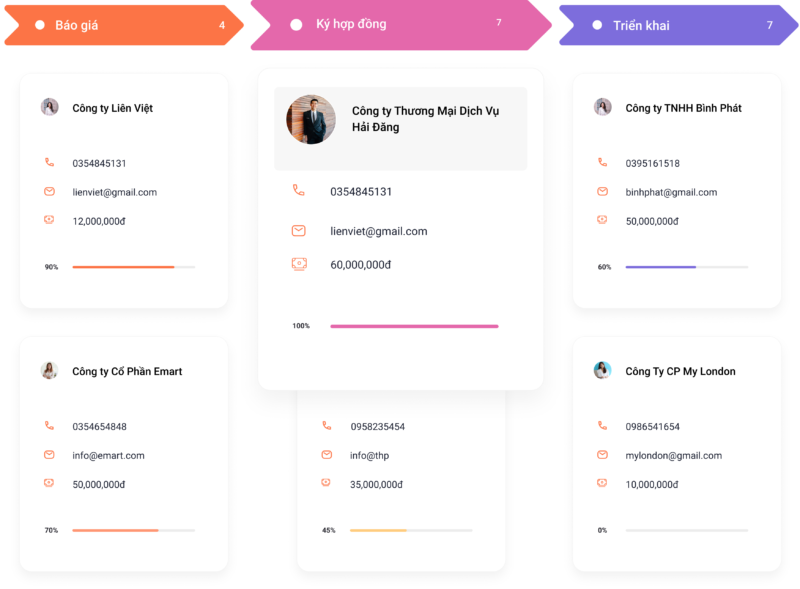
With the development of technology, customer data analysis tools are becoming more and more convenient and effective. Businesses can easily access and use these tools to analyze insights and increase the effectiveness of their marketing strategies.
Check out 1Office CRM software – A comprehensive Marketing Management & Customer Information Management platform, suitable for all types of businesses.
5. Differentiating Between Potential Customers and Target Customers
Potential customers are a “subset” of target customers. Businesses need to filter potential customers to identify target customers, thereby directing marketing strategies suitable for each customer group.
| Criteria | Leads | Target Customers |
| Definition | People who have the ability and need to buy the company’s products/services, but have not yet decided to purchase. | People who have the ability, need, and a high level of interest in the company’s products/services, with a high probability of purchasing. |
| Level of Interest | Low to Medium | Medium to High |
| Purchase Likelihood | Likely | Highly likely |
| Need | Has a need | Has a specific need |
| Purchase Decision | Undecided | Highly likely |
| Example | Website visitors | Someone who has added a product to the cart |
6. Conclusion
We hope this article has provided you with useful information about target customers and how to properly analyze them. This can help businesses identify their target customers and build a successful marketing strategy.
If your business is interested in 1Office CRM customer management software, please contact us for a consultation and to receive a free trial of our features:
- Hotline: 083 483 8888
- Facebook: https://www.facebook.com/1officevn/
- Youtube: https://www.youtube.com/@1office-chuyendoisodn