13/05/2026
  60 views
Customer relationship management is an extremely important and necessary activity for every business. Every business needs to approach and build good relationships, creating credibility with customers to improve product quality. Therefore, maintaining and establishing customer relationships is a crucial factor that helps promote business activities and brings significant profits to the company. So, what is customer management, and how can you implement customer relationship management activities? Let’s explore with the experts at 1Office in the article below.
Mục lục
I. The Role of CRM in a Business
In business operations, customer retention is a crucial activity that helps businesses boost sales activities and enhance their product brand.
The more customers a business has, the faster sales opportunities will increase. Businesses can find customers by opening direct sales channels, online sales channels, using agents, etc. The more channels you have, the greater the need to manage your interactions with your customer base.
Customer Relationship Management (CRM) helps businesses gain deep insights into customer behavior, modify their business operations, and ensure customers are served in the best possible way. In essence, CRM helps businesses build relationships, deliver value to customers, and quickly improve customer relationships. The better you understand your customers, the better you can meet their needs.
CRM can be achieved by:
- Learning about customers’ purchasing habits, opinions, and preferences
- Creating individual and group profiles for more effective marketing and increased sales
- Changing the way you operate to improve customer service and marketing
II. Benefits of Customer Relationship Management for Businesses
Managing the customer experience is a crucial part of business operations. Good customer management will bring many significant benefits to a business, such as:
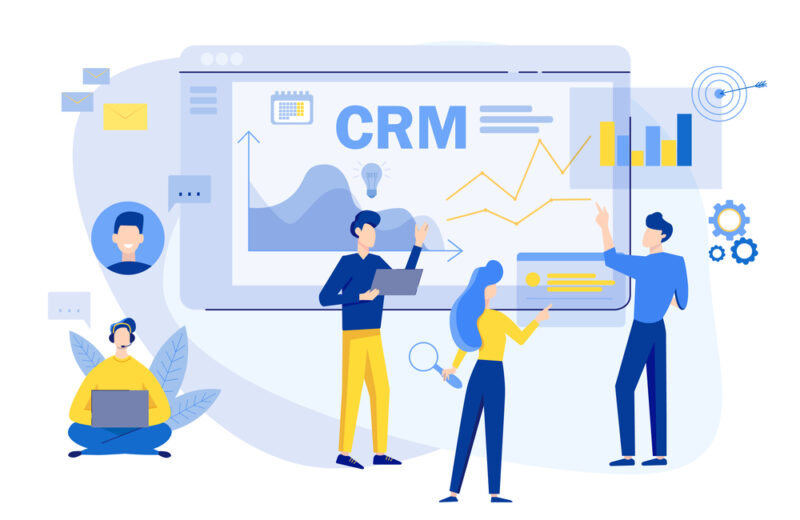
- Boosting sales revenue and increasing brand recognition
- Providing customers with the best experience across all company channels
- Developing strategies to interact with both potential and existing customers
- Helping businesses identify and maintain a loyal customer base
- Assisting companies in finding potential customers, increasing effective sales opportunities
- Adding data points that can be used for marketing
- Allowing the company to create plans for future customer relationship-building goals
- Helping customers feel more valued and connected to the business, and strengthening their trust in the brand
III. Common Difficulties in Customer Management
In reality, businesses often face challenges in their customer management strategies due to the lack of supporting tools for administration and operations. As a result, businesses often have to deal with situations such as:
- Lacking a comprehensive view of the customer (account history, contact information, transaction history, etc.) to serve business needs
- Difficulty in mining potential customer data to find new customers. If a sales employee leaves, the business can easily lose its potential customer base.
- Spending a lot of time and effort on customer relationship management and manual reporting, which reduces the time available for finding and attracting customers.
- Inability to accurately assess the performance of sales staff, making it difficult to track and predict current sales or achieve sales targets.
- Missing important information because it is not shared between employees and management. Consequently, a lot of customer feedback is overlooked or forgotten during the management process.
IV. 6 steps to a successful CRM strategy
After understanding the benefits of CRM, many people wonder about the implementation steps. Here are 5 steps to create a methodical, professional customer relationship management plan suitable for any business:
Step 1: Reach potential customers
The first step in the CRM process involves capturing customer attention through specific marketing efforts. Building customer relationships depends on connecting with consumers through digital or traditional marketing campaigns. Marketing professionals often focus their attention on consumer groups or target markets. When you establish a clear brand image, you are more likely to build relationships with potential customers. Creating a contact list allows you to add consumers to your network for future communication, which can lead to the next step in the CRM process.

Step 2: Contact and interact with potential customers
Establishing a strategy to contact and interact with potential customers is an integral part of a CRM system. Sales teams often spend time evaluating customer data from CRM software to identify which customers are more likely to convert into paying customers based on their habits and interactions with the brand. This part of the CRM process is crucial for creating the potential for a customer relationship.
Step 3: Establish relationships and build loyalty
Businesses that value CRM use customer service, personalized experiences, and continuous contact to form customer connections. Part of maintaining customer relationships is keeping your brand relevant through personalized correspondence and interfaces. Another way is through multi-channel customer service options. You can build a positive relationship by ensuring that customers can get answers and have their needs addressed quickly. Loyalty is a sign of a positive relationship, which is why many businesses focus their customer relationship management on maintaining customer trust.
Step 4: Offer promotions and incentives to customers
After building trust with customers, you can use their interests and spending habits to offer more products or services based on their needs. A CRM software tool can help you organize customer groups by purchasing trends or service requests. You can provide personalized recommendations and offers via email or other forms of communication that encourage customers to buy additional products or upgraded services. Loyalty programs that offer perks to certain customers are also a way to increase sales.

Step 5: Retain customers
One of the main reasons to maintain a customer relationship management system is to retain existing customers. Businesses earn a higher return on investment when selling to existing customers because they do not have to pay the same costs as investing in acquiring new ones. Creating positive customer relationships allows you to encourage them to return to your digital or physical store.
Step 6: Analyze the results
Finally, to understand the effectiveness of your CRM measures, it is important to generate customer management data from any software tools, surveys, or other information you have collected from existing customers. Reviewing trends in the data allows you to optimize your existing CRM protocols and plan for future improvements. When your CRM process is guided by data, you can encourage positive customer interactions based on successful outcomes from previous experiences.
See more: CRM System Structure + Experience in Choosing a Suitable System
V. Some notes for a successful customer relationship implementation
Currently, many individuals and organizations still face difficulties in implementing customer relationship management steps, leading to ineffective customer management. To improve the CRM implementation process, consider the following notes:
1. Adjust the CRM strategy
Since CRM strategies can vary based on the type of product or service you sell, your business model, and your customer base, you will need to spend time researching your target audience and existing customers. You should study how team members from different departments interact with consumers through marketing efforts or customer service.
2. Focus on user needs
A customer relationship management strategy needs to put the customer first. By analyzing how your business meets consumer needs, you can customize your CRM strategy according to how they interact with your brand through digital interfaces or direct communication.
3. Strategize for potential customers
Customer relationship management also involves strategizing for future customers. This means planning the paths customers use to reach your brand through various channels and how those interactions can appear seamless and cohesive to create the best possible experience.
4. Research market trends to create a CRM system
Staying updated with industry insights and knowledge is a crucial tool for maintaining a CRM system. Devices or CRM management software can bring new opportunities for customers to connect with your business. Software systems that support customer relationship management can also change or emerge, such as in live chat features or inbound calling systems.
5. Ensure everyone in the company understands the CRM vision
Effective customer relationship management strategies work across departments. When sustained by a shared vision and understanding of company procedures, customers are more likely to experience the same level of excellent service from every interaction with the brand.
6. Understand customer personas
Creating customer personas can help marketing professionals understand the type of customers interested in purchasing from their brand. Making the personas as detailed as possible gives you the ability to test CRM software and develop customer service scenarios.
7. Use customer care software
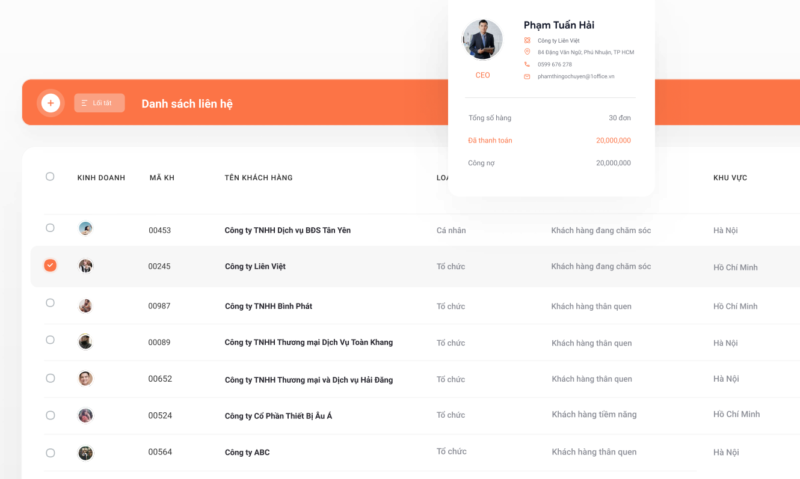
To optimize the customer relationship management process to be effective and professional, using customer care software is a superior solution that helps businesses update customer information, create sales opportunities, and save customer care history quickly and conveniently. With 1Office’s CRM, businesses will save maximum time and effort on customer care and not miss out on major sales opportunities in the business process.
Thus, the article above has shared with users the benefits and steps to implement customer relationship management quickly and effectively. Hopefully, the article will provide users with much useful knowledge for managing and caring for customers more professionally and conveniently in the digital age. To optimize the customer care process in your business, you can apply 1Office’s CRM software to save maximum time and effort in customer management. Please leave your information for 1Office’s experts to contact and advise you.
For more details, please see:
Fanpage: https://www.facebook.com/1officevn/
Youtube: https://www.youtube.com/channel/UCeTIRNqxaTwk0_kcTw6SxmA