


What is customer segmentation? 6 Ways to segment customer groups


80% of a business’s revenue comes from just 20% of its loyal customers. But how do you identify the most profitable customer group? Customer segmentation is the key to helping businesses optimize their business strategies, personalize experiences, and achieve outstanding sales growth.
However, many businesses still make mistakes in segmenting their customers, leading to ineffective marketing campaigns and low conversion rates. So, how can you segment customers correctly? Let’s explore with 1Office the most common segmentation methods, practical applications, and optimization tips to help your business sell to the right people at the right time!
Mục lục
1. What is customer segmentation?

Customer segmentation is the process of dividing customers into different groups based on common characteristics such as needs, purchasing behavior, age, income, loyalty level, interests, etc. The purpose of segmentation is to help businesses understand their customers better, thereby building suitable marketing, sales, and customer care strategies to optimize business performance.
Instead of applying a one-size-fits-all strategy, segmentation allows businesses to customize messages, products, and services to better meet the needs of each specific customer group. This helps increase conversion rates, enhance the customer experience, and optimize marketing costs.
For example, a retail business can divide customers into frequent buyers, bargain hunters, and VIPs to offer tailored promotions for each group, instead of sending the same message to everyone.
In summary, customer segmentation not only helps businesses understand who their customers are but also helps optimize their approach and retain customers more effectively.
2. Why is customer segmentation necessary?
2.1. Understand customer needs and behavior
Each customer has different needs, preferences, spending power, and purchasing behavior. Without segmentation, businesses will send irrelevant marketing messages, wasting resources and reducing outreach effectiveness.
For example: A customer who buys based on promotions will have a different purchasing motivation than a customer willing to pay a premium for the best quality product.
2.2. Optimize marketing & sales strategies
Customer segmentation helps businesses create content, advertisements, and promotions tailored to each customer group, thereby increasing conversion rates and saving on marketing costs.
For example: Instead of sending generic promotional emails, a business can send special offers to its loyal customer group to increase repeat purchases.
2.3. Improve customer experience & build loyalty
Customers love personalized experiences! When businesses understand their customers well, they can create suitable care programs, offers, and after-sales services, making customers feel valued and fostering long-term loyalty.
For example: A VIP customer will feel more satisfied if they receive special offers or dedicated care services instead of just regular promotions.
2.4. Optimize business costs and resources
Not all customers bring the same profit value. Segmentation helps businesses focus on the most potential customer groups, avoiding wasted resources on customers who are less likely to convert.
For example: A SaaS (software) company can focus on the group of businesses willing to pay a premium instead of spending a lot of effort on customers who are only interested in the free version.
2.5. Increase sales and customer care efficiency
By understanding each customer group, the sales and customer care teams can offer the right products, solutions, or services, making the closing process faster and more effective.
For example: A salesperson can recommend premium products to high-income customers, while focusing on installment plans for customers with a limited budget.
>>>> Read more: [Free Download] Sales and Customer Management Template
3. Common Customer Segmentation Methods
3.1. Demographic Segmentation
This method groups customers based on easily measurable personal characteristics. It is the most common approach, applied by many businesses due to its simplicity and effectiveness.
Common segmentation criteria:
- Age: Gen Z (18-25), Millennials (26-40), Gen X (41-55), Baby Boomers (55+).
- Gender: Male, female, non-binary.
- Income: Low, medium, high.
- Education level: High school, university, postgraduate.
- Marital status: Single, married, with children.
- Occupation: Student, office worker, manager, business owner…
Practical applications:
- Fashion and beauty industry: Brands can segment customers by gender and age to offer suitable product lines.
- Education and training industry: Online learning platforms can design courses specifically for students or senior personnel.
- Finance and banking industry: Segment customers by income to advise on loan and savings products suitable for each group.
3.2. Geographic Segmentation
Geographic segmentation helps businesses optimize products and outreach strategies for each region, country, or area.
Segmentation criteria:
- Country, region, province/city: Customer preferences and needs can vary by country.
- Climate & weather: Customers in cold regions have a high demand for thermal clothing, while those in tropical areas need sun protection products.
- Living environment: Urban customers have different consumption habits than rural customers.
Practical applications:
- Fast-moving consumer goods (FMCG) industry: Beverage brands focus their promotions during the summer in hot climate regions.
- E-commerce industry: Businesses can adjust shipping fees and delivery times based on the customer’s region.
- Real estate industry: Customers in large cities have a high demand for apartments, while suburban customers are more interested in houses and land.
3.3. Psychographic Segmentation
Psychographic segmentation is based on customers’ lifestyles, personal values, interests, and opinions. This method helps businesses better understand customers’ purchasing motivations and consumer behavior.
Segmentation criteria:
- Lifestyle: Tech enthusiasts, sports lovers, those who prefer organic products…
- Personal values: Customer groups concerned with quality, groups concerned with price, groups that prioritize brands…
- Interests: Travel, fashion, food, sports, art…
- Social views: Customer groups who tend to protect the environment, groups who follow minimalism…
Practical applications:
- Food industry: Brands can target health-conscious customers by promoting organic products.
- Automotive industry: Some customers are interested in luxury design, while others prioritize durability and fuel efficiency.
- Technology industry: Companies can segment customers into new technology enthusiasts and mainstream customers who only need products that meet basic needs.
3.4. Behavioral Segmentation

This method focuses on how customers interact with a product or brand, helping businesses adjust their outreach strategies accordingly.
Segmentation criteria:
- Purchase frequency: Frequent buyers, seasonal buyers, one-time buyers.
- Loyalty level: Loyal customers, potential customers, occasional customers.
- Product usage level: New users, long-time users, customers who have stopped using.
- Customer feedback: Satisfied customers, customers with complaints, customers who frequently refer the brand to others.
Practical applications:
- E-commerce industry: E-commerce platforms can launch loyalty programs to retain frequent buyers.
- Software industry: SaaS companies can segment new users to send detailed user guides, while loyal customers receive special offers.
- Tourism industry: Airlines can prioritize loyalty programs for frequent flyers.
3.5. Technographic Segmentation

Technographic segmentation is based on the devices, software, or platforms customers use to access a product.
Segmentation criteria:
- Device type: Mobile phone, tablet, and desktop users.
- Operating system: iOS, Android, and Windows users.
- Technology adoption level: Early adopters of new technology, users with low interest in technology.
Practical applications:
- E-commerce industry: If customers primarily access the site via mobile phones, businesses need to optimize the mobile interface.
- Software industry: SaaS providers can segment customers by operating system to offer compatible products.
- Digital advertising industry: Advertising platforms can target users based on the devices they use.
3.6. Segmentation by Purchase History
Segmenting by purchase history helps businesses understand customer spending trends, allowing them to develop appropriate marketing strategies.
Segmentation criteria:
- Total number of orders: New customers, potential customers, long-term customers.
- Average order value: High-spending customers, average-spending customers, bargain-hunting customers.
- Time of last purchase: Customers who purchased recently, customers who have not purchased in a long time.
Practical applications:
- Retail industry: Brands can send special promotions to frequent customers.
- SaaS industry: Software companies can send renewal reminders to customers whose subscriptions are about to expire.
- Tourism industry: Travel agencies can reach out to past tour-booking customers to suggest new destinations.
4. Common Types of Customers in Business
4.1. Potential Customers
Potential customers are individuals who have the need and financial capacity to purchase a product/service but have not yet made a transaction. This is the customer group that businesses need to focus on reaching and converting into actual customers.
Characteristics:
- Have shown interest in the product/service but have not yet purchased.
- May have visited the website, left their information, or interacted with ads.
- Need more information, reviews, or motivation to make a purchasing decision.
Outreach strategy:
- Provide useful content via email, blogs, and ads.
- Create free trial programs or welcome offers.
- Develop customer care scripts to encourage purchasing decisions.
4.2. New Customers
New customers are those who have just made their first transaction with the business. This is a crucial stage for making a good impression and building trust, which influences future purchasing decisions.
Characteristics:
- Still in the process of getting familiar with the product/service.
- Have not yet developed brand loyalty.
- Need support and guidance to make the most of the product.
New customer retention strategy:
- Provide detailed instructions on how to use the product/service.
- Send a thank-you note and special offers for the next purchase.
- Provide fast and timely support services.
4.3. Loyal Customers
Loyal customers are those who have purchased products/services multiple times and tend to continue using them in the future. This is the most valuable customer group for a business.
Characteristics:
- Frequently make purchases and rarely compare with competitors.
- May proactively recommend the brand to others.
- Have a long-term relationship with the business, creating a stable source of revenue.
Strategies for retaining loyal customers:
- Build loyalty programs with special offers.
- Personalize the shopping experience based on purchase history.
- Create special interaction opportunities such as VIP events and exclusive content.
4.4. Casual Customers
Casual customers are those who make purchases randomly, without loyalty or high purchase frequency. They usually only buy when they have a specific need or when there is an attractive discount program.
Characteristics:
- Do not have a habit of shopping regularly with one brand.
- Are easily attracted by promotions and short-term offers.
- Have little connection to the business.
Strategies for converting casual customers into loyal customers:
- Create attractive incentive programs for their next purchase.
- Collect data to personalize product recommendations.
- Develop remarketing campaigns to stay connected with customers.
4.5. Lost Customers
Lost customers are those who have previously made a purchase but have not returned for a long time. They may have switched to a competitor or no longer need the product/service.
Characteristics:
- Have experience with the product but did not continue to purchase.
- May be dissatisfied with the quality, price, or service.
- Are sometimes attracted by competitors.
Strategies for winning back lost customers:
- Send personalized emails or messages with special offers.
- Ask for feedback to understand why they left.
- Improve the product/service to better meet their needs.
4.6. Complaining Customers
This is a group of customers who are dissatisfied with a product/service and express their dissatisfaction through direct feedback or on public platforms.
Characteristics:
- Frequently provide feedback or complain about quality or service.
- Can negatively impact the brand if not handled well.
- If their issues are resolved satisfactorily, they have the potential to become loyal customers.
Strategies for handling complaining customers:
- Listen to feedback and resolve the issue quickly.
- Offer reasonable compensation (refund, product exchange, discount, etc.).
- Follow up after resolution to ensure satisfaction.
4.7. Brand Advocates
Brand advocates are people who love the brand and proactively recommend and share positive experiences with others. They can be loyal customers or influencers.
Characteristics:
- Proactively share positive reviews on social media and forums.
- Recommend products/services to friends and colleagues.
- Have the ability to influence the purchasing decisions of others.
Strategies for developing brand advocates:
- Create customer referral programs with attractive rewards.
- Invite them to participate in the brand’s events and marketing campaigns.
- Share their stories on the website and fan page to generate buzz.
5. Challenges and Considerations in Customer Classification
5.1. Challenges in Customer Classification
Incomplete or inaccurate data
Customer classification requires a large amount of data from various sources, but businesses do not always have complete or accurate information. Inaccurate data can lead to misclassification, reducing the effectiveness of marketing strategies.
Changes in customer behavior and needs
Customer behavior and needs are not static; they change over time due to the impact of the market, technology, and consumer trends. This makes customer classification difficult and requires regular updates.
Difficulties in personalizing the approach for each customer group
Each customer group has different characteristics and needs, requiring businesses to build separate approach strategies. However, excessive personalization can consume significant resources and effort, especially for small businesses.
Complexity in integrating data from multiple sources
Customer data can come from various channels such as websites, social media, CRM software, surveys, etc. Aggregating and analyzing data from multiple sources to create a comprehensive picture of the customer is a major challenge.
Cost and resources to maintain the classification system
Collecting, analyzing, and maintaining customer data requires investment in technology and personnel. For small businesses, budget can become a barrier to implementing effective classification methods.
5.2. Important considerations when classifying customers
Clearly define the objective of customer classification
Before starting classification, businesses need to clearly define their objective: whether it’s to optimize marketing strategies, increase sales, or improve customer service. This helps in selecting the appropriate classification method and avoiding resource wastage.
Use multiple data sources to increase accuracy
Combine data from various sources such as purchase history, website behavior, customer feedback, surveys, etc., to get a more comprehensive view. This helps reduce errors and enhance the reliability of the classification.
Update regularly to keep up with market trends
Customer classification is not a static process. Businesses need to continuously monitor and adjust to adapt to market changes and customer behavior. Regular updates ensure that the approach strategies remain effective.
Leverage technology and artificial intelligence
Use CRM software, AI, and data analytics to automate the customer classification process. This helps save time, reduce errors, and enhance the effectiveness of personalizing the customer experience.
Secure customer information
Collecting and storing customer data requires compliance with security and privacy regulations. Businesses need to have data protection policies to ensure customer information is not leaked or misused.
6. Applying technology in customer classification
6.1. Artificial Intelligence (AI) and Big Data in customer classification
AI and Big Data help businesses collect and analyze customer data from various sources, including purchase history, website behavior, customer service feedback, social media interaction habits, etc. AI algorithms can identify behavioral patterns, consumption trends, and automatically classify customers into groups, thereby helping businesses personalize their approach strategies more effectively.
Benefits of applying AI and Big Data in customer classification:
- Fast and accurate classification: AI systems can process large volumes of data in a short time, helping to classify customers based on various criteria without manual intervention.
- Predict customer behavior: AI not only classifies based on existing data but can also predict future behavior, helping businesses prepare appropriate approach strategies.
- Increase customer care efficiency: AI systems can automatically suggest marketing campaigns and promotional programs suitable for each customer group, thereby enhancing the customer experience and increasing conversion rates.
6.2. Customer management in the 1Office ecosystem – More than just a CRM software
One of the comprehensive solutions that helps businesses optimize customer classification and operational management is 1Office – an AI-integrated business management platform that goes beyond CRM to help businesses manage everything from HR, work, and finance to operational processes.
Customer Management – Powerful and flexible CRM
Register for a free feature Demo!
- Centralized storage and management of customer information: All customer data (profiles, transaction history, needs, interactions) is stored on a single platform, easily accessible when needed.
- Automatic customer classification: The system allows for classifying customers based on criteria such as demographics, behavior, and loyalty level, helping businesses develop more effective approach strategies.
- Integration with Sales & Marketing departments: Customer information is directly connected to the sales team, helping to track sales opportunities, convert leads, and optimize the sales process.
AI Integration – Supports data aggregation, decision-making, and accurate forecasting
- Automatically analyze customer behavior: AI collects and processes data to identify consumer trends and shopping habits.
- Predict customer needs: The AI system can predict trends, helping businesses build timely sales and marketing strategies.
- Optimize the customer care process: AI suggests the right time to interact, send care emails, or promotional offers, helping to increase conversion rates.
Automated Reporting – Provides detailed and visual data
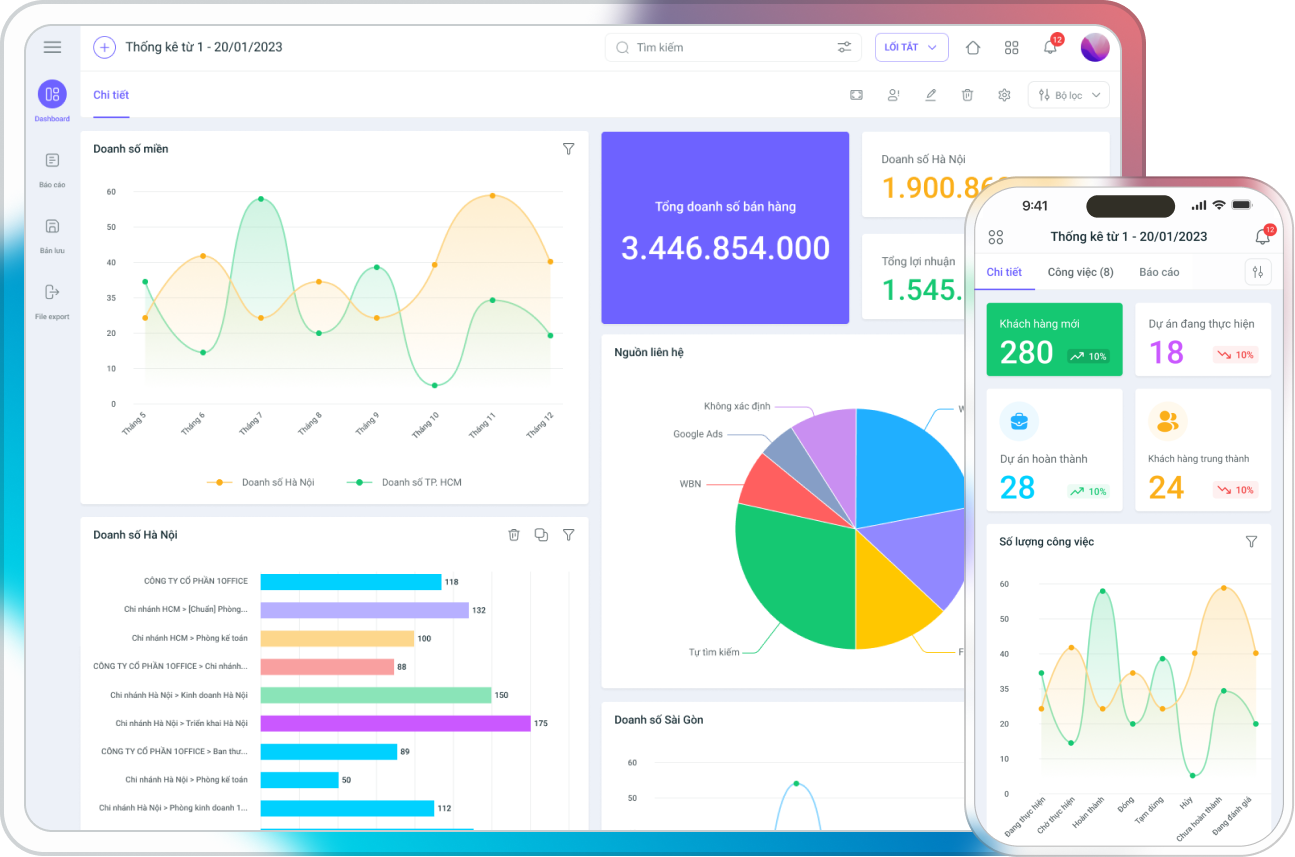
- Generate real-time customer reports: Businesses can instantly track the number of new customers, loyal customers, conversion rates, etc., without manual compilation.
- Evaluate business performance: Reports help businesses identify the most profitable customer groups, thereby allocating resources reasonably.
- Intuitive, easy-to-understand interface: The system automatically aggregates data and displays it in the form of charts and analytical tables, helping businesses make decisions easily.
Human Resource Management – Closely connect with customers and the team
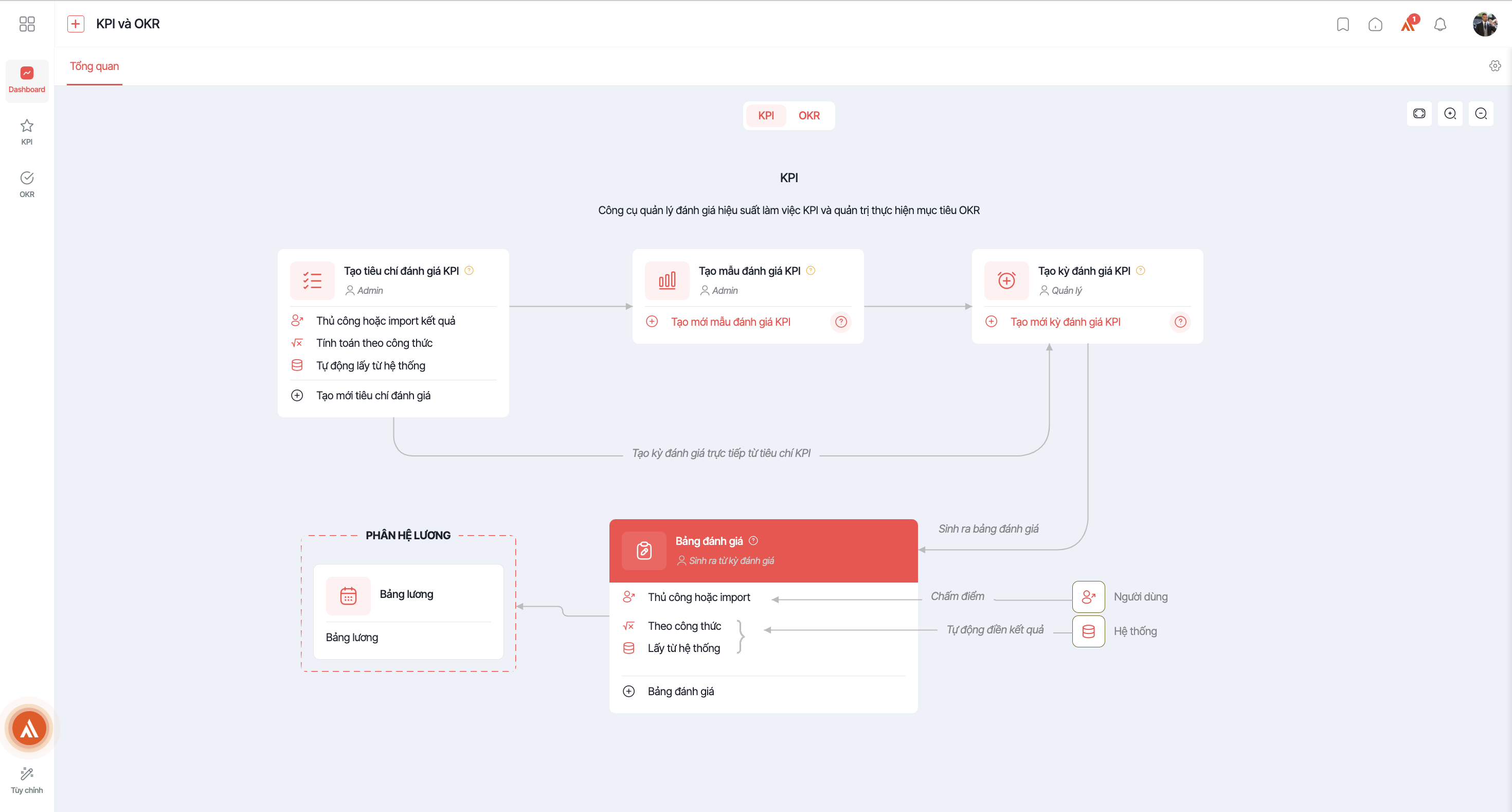
- Track sales staff performance: The system records the number of customers reached and the closing rate of each employee, helping businesses accurately assess work productivity.
- Manage KPIs and compensation: Customer data is integrated with the HR system, supporting the calculation of commissions and bonuses based on sales performance.
- Optimize recruitment and training processes: Helps businesses find and train sales staff suitable for each target customer group.
Task Management – Synchronize with the customer care process
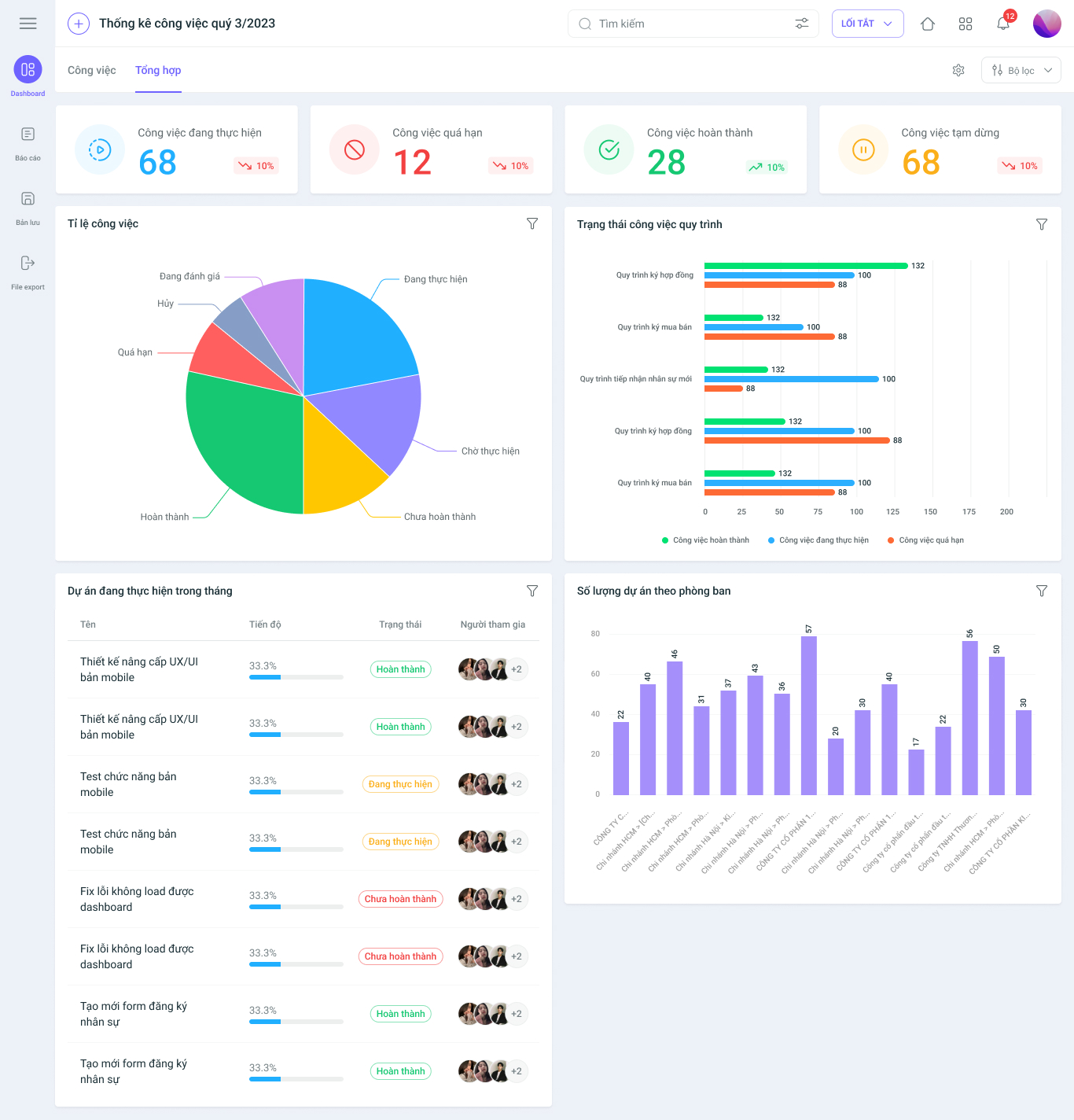
- Automatic task assignment: When a new customer appears, the system automatically assigns tasks to the responsible employee, preventing missed sales opportunities.
- Track customer care progress: Managers can view the care progress for each customer group directly on the system, ensuring a smooth process.
- Integrate with other departments: Customer data can be linked with the marketing, sales, and customer care departments, helping to synchronize workflows.




