


 12/05/2026
  414 views
Payroll is the entire process a business uses to calculate, verify, and pay employee salaries each period. If payroll is managed manually, HR/accountants can easily make mistakes in timekeeping, shifts, allowances, deductions, taxes, or insurance. This article will help you understand what Payroll is, what steps the payroll process includes, and how to manage salary calculations more accurately.
Mục lục
1.1. Defining Payroll
Payroll is a term used to refer to the payslip or the total amount of money a business must pay its employees in accordance with their employment contracts. Payroll includes all income and other expenses related to paying employees, such as basic salary, allowances, bonuses, deductions like taxes, social insurance, health insurance, unemployment insurance, etc., and other dependencies.
The payroll process is typically performed periodically, usually monthly or weekly, depending on the agreement in the employment contract between the employer and the employee.

1.2. What is a payroll check?
A payroll check (or paycheck) translates to a salary payment slip. This is a paper document issued by the business to an employee on payday. A payroll check includes complete information about the employee, the basic salary amount, hours worked, allowances, and other deductions such as personal income tax, social insurance contributions, and the final net salary.
>> Download Now: FREE DOWNLOAD 5+ Most Common Employee Payslip Templates for 2023
2. What are the main functions of Payroll?
2.1. Calculating and managing employee salaries and bonuses
A payroll sheet is a tool used to calculate the salary and other allowances for each employee based on information about hours worked, basic salary, allowances, and deductions. Through the information in the payroll, HR can easily control and effectively manage the costs paid to employees in particular and personnel expenses in general.
2.2. Basis for financial reporting
The Payroll system plays a crucial role in preparing a company’s financial reports as it directly affects cash flow and expenses payable. Information on salaries, allowances, taxes, and deductions recorded in the payroll provides important data for calculating and allocating costs to each department of the business, and also serves as a basis for preparing periodic financial reports, including income statements, profit and loss statements, and cash flow statements.
2.3. Legal basis for the salary payment process
Payroll plays a role in ensuring the legality of the salary calculation process within the business. At the same time, it also serves as a reference for complying with legal policies and regulations to avoid salary disputes or legal liabilities related to the business. Therefore, creating a payroll requires absolute accuracy and caution.
2.4. Impact on employee work performance
If payroll is calculated incorrectly or unfairly, it can cause dissatisfaction among employees and affect their work performance. Therefore, the process of building a payroll system needs to ensure fairness and transparency, while also motivating and encouraging employees by offering salary increases, bonuses, or attractive income policies.
| >> Read more: The Best and Most Standard Salary Increase Proposal Templates for Businesses |
3. Key Foundations for Building a Payroll System
After understanding what payroll is and its role in a business, to build a complete payroll system, the person in charge needs to base it on the following factors:
3.1. Legal Regulations
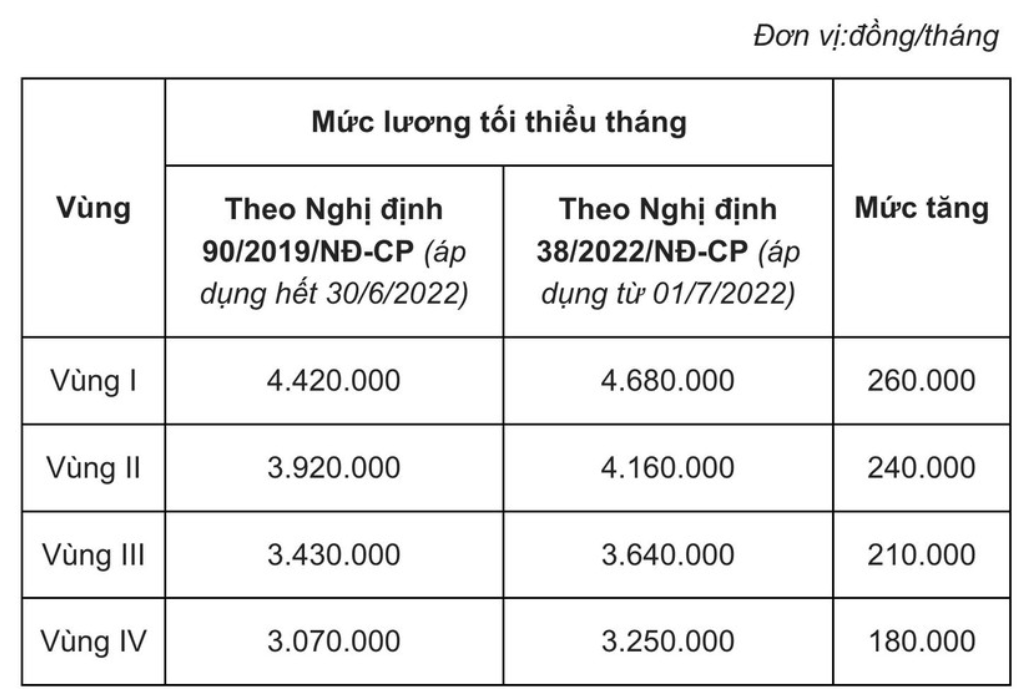
When building a payroll system, legal regulations regarding wages are a crucial factor that requires top priority. This includes the regional minimum wage, regulations on payroll deductions such as Social Insurance (BHXH), Health Insurance (BHYT), Unemployment Insurance (BHTN), personal income tax, and other regulations under the Labor Code. Businesses must fully comply with these regulations to ensure the legality, fairness, and transparency of the payment process.
It is particularly important to note that businesses must ensure employee salaries are not lower than the regional minimum wage. Currently, the regional minimum wage is stipulated in Decree 90/2019/ND-CP as follows:
3.2. Company’s Salary Policy
Each business has its own salary policy to ensure fairness and transparency in salary calculation, minimizing disputes between employees and employers.
Typically, a company’s salary policy will include the following basic contents:
- Principles and regulations for salary calculation: specifying the methods, standards, and procedures for calculating employee salaries.
- Principles and regulations for salary payment: specifying the methods, timing, frequency, and methods of paying salaries to employees.
- Regulations on deductions and allowances: specifying deductions from salary such as Personal Income Tax, Social Insurance, Health Insurance, and other allowances like position allowance, business trip allowance, seniority allowance, etc.
- Other policies and regulations related to salary: regulations on working hours, overtime, leave policies, and bonus and disciplinary systems.
3.3. Timesheet
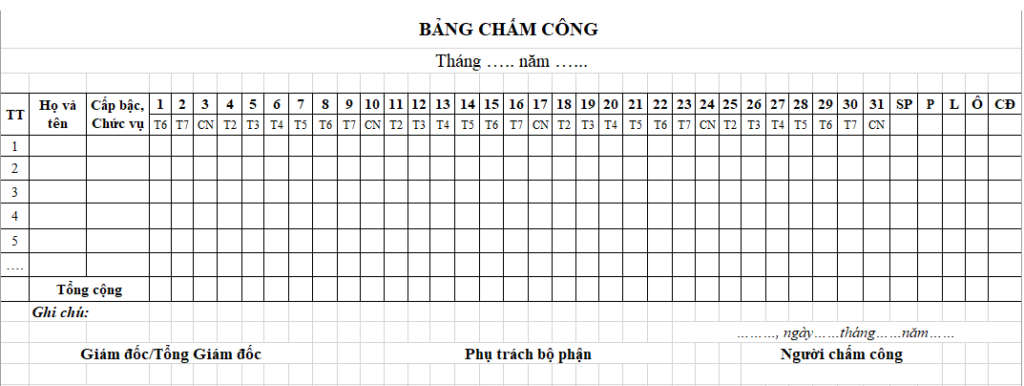
The timesheet is an important tool for calculating salaries. It provides information on working hours, paid leave, unpaid leave, overtime, etc., forming the basis for calculating the number of working days and the corresponding monthly salary for each employee.
Additionally, the timesheet helps managers track and evaluate employee performance, enabling them to make decisions on bonus policies and handle cases of regulation violations. This makes HR management and salary calculation more accurate and transparent.
>> See more: The latest types of timesheets for businesses
3.4. Industry Average Salary
The industry average salary is also a very important factor affecting the construction of a company’s payroll system. If a company offers a salary higher than the industry average, its labor costs will increase, but in return, it can attract more talent, increase competitiveness, and improve work performance. If the offered salary is lower than the industry average, employees may feel dissatisfied, making it difficult to retain talented employees.
Therefore, building a payroll system must be oriented towards the industry average salary and depend on factors such as the experience, qualifications, skills, and work performance of each employee in the company. Additionally, businesses need to constantly monitor and update the industry average salary to adjust their payroll system to suit market conditions and meet the needs of their employees.
4. Issues Arising in Payroll Accounting
Payroll calculation is often considered a “nightmare” for HR professionals because they frequently face many difficulties and challenges.
- Time-consuming data consolidation to process payroll, prone to mistakes and errors during consolidation such as missing workdays, missed shifts, etc.
- Frequently having to resolve complaints about salary and workdays, and delayed salary payments, which affects the company’s reputation and image.
- Updating new regulations and applying them to the payroll system is often very time-consuming and can disrupt data.
- Difficulty in retaining employees and reducing turnover rates due to a non-transparent and unclear timekeeping and salary calculation process.
So the question is, what is the solution to optimize and perfect the process of building a payroll system?
5. Automated Payroll Solution that Saves 60% of Time for HR
Nowadays, with the development of advanced software on the market, timekeeping and payroll management in businesses has become much easier. Among them, 1Office HRM provides a comprehensive solution to automate the entire timekeeping and payroll process and optimize salary management in businesses. The HRM module of 1Office can confidently resolve the pressing issues that HR departments face with its outstanding features, such as:
- Customize timekeeping and payroll policies, eliminating manual payroll calculations for HR.
- Flexibly configure timekeeping rules for each shift and position, tailored to the specific needs of each business.
- Connect with other modules to retrieve data for payroll, such as KPIs, sales figures, and salary advances, eliminating the need for manual data consolidation.
- Automatically synchronize data to generate payslips and send them directly to employees.
- Employees can proactively track their timesheets and payslips in real-time with full transparency.
Get a consultation & free software trial
In the article above, 1Office has shared insights on what payroll is and provided a solution to automate the timekeeping and payroll process for businesses. For a free consultation and to experience a trial of the most professional human resource management software available today, please contact us using the information below:
For more detailed information, please see:
- Hotline: 083 483 8888
- Fanpage: https://www.facebook.com/1officevn/
- Youtube: https://www.youtube.com/channel/UCeTIRNqxaTwk0_kcTw6SxmA
















