


 09/05/2026
  171 views
Time management is an extremely important skill that any business manager needs to cultivate and learn. You’ve probably wondered why some people get much more done than you, while others seem to finish their work in half the time. The secret lies in each person’s time management skills. The article below will help you understand what time management is and the effective time management methods that 1Office has compiled.
Mục lục
- 1. What is time management? The role of time management at work
- 2. Common mistakes managers make in time management
- 3. Top 5 effective time management methods for businesses
- 4. Tips for effective time management in the workplace
- 5. How can managers know if they are managing time effectively?
- 6. How does time management differ at the individual, team, and enterprise levels?
- 7. 1Office Software – The effective time and work management solution
1. What is time management? The role of time management at work
Time management is the skill of managing and organizing time to achieve goals and complete tasks effectively. Time management includes planning, prioritizing tasks, allocating time for tasks, and monitoring progress. Time management skills help people use their time optimally, achieve their goals, and speed up the process of completing work.
>> See more: Effective time management skills
Increase productivity and work efficiency: With a clear plan and work schedule, time managers can focus on important and priority tasks, thereby increasing productivity and work efficiency.
Reduce stress and work pressure: When time is managed properly, workers can avoid stress from time pressure. They can allocate time reasonably for each task, thereby reducing pressure and increasing their ability to complete work effectively.
Increase employee motivation: Proper time management helps employees complete work on time and achieve set goals. When they see the results of their work step by step, they will feel more confident and motivated.
Increase teamwork efficiency: When a team has a clear work plan and schedule, working together becomes easier. Team members can synchronize their work schedules, helping to complete work faster and achieve higher efficiency.
2. Common mistakes managers make in time management
Having no goals or plans for management, superficial implementation with no results, a rigid management approach, employees not knowing how to apply it, and managing time manually on paper, making it difficult to control…

Not making plans and goals: One of the most common mistakes business managers make is not creating a specific plan or setting unattainable goals. This leads to a lack of a clear work schedule, resulting in haphazard and inefficient work.
>> See more: How to create a scientific work time management plan
Not controlling time properly: Managers spend too much time on small problems and get distracted by external factors. Or they manage time manually on paper, without the support of task management software, making it difficult to control.
Not prioritizing work: Managers need to know how to prioritize the most important tasks to ensure they are completed on time. However, many managers forget to prioritize tasks or fail to assess their priority correctly.
Not re-evaluating the plan: Managers need to re-evaluate their plans regularly to ensure they are still aligned with current goals and tasks. If they don’t re-evaluate the plan, they might miss important changes, leading to failure in achieving their goals.
>> See more: A guide to easily creating an online schedule and the 9+ best time management software today
3. Top 5 effective time management methods for businesses
3.1 Apply the 4D rule (Do – Dump – Delegate – Defer)
The 4D rule is a simple yet very effective approach to managing tasks. It includes four main steps:
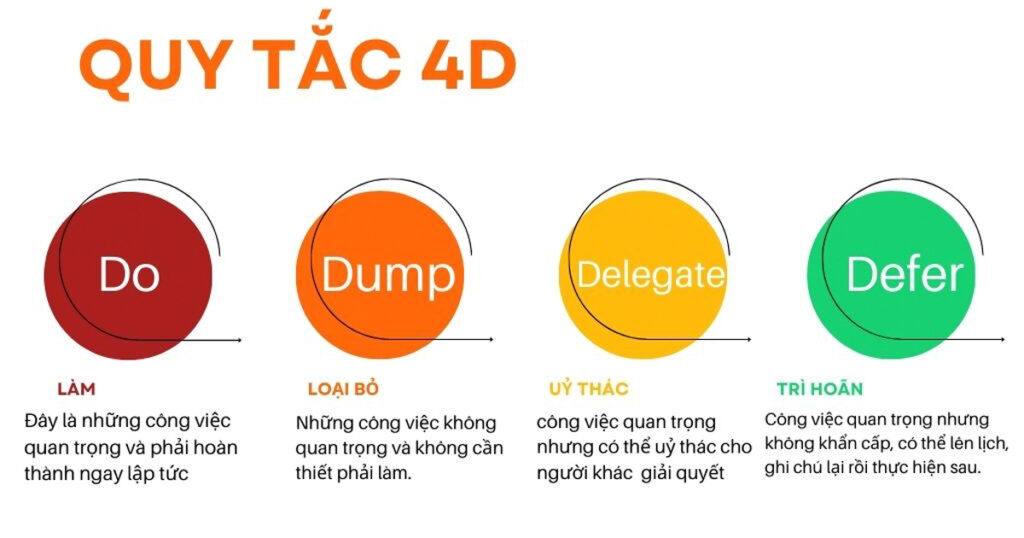
- Do: Perform important tasks that affect business results; these should always be prioritized.
- Dump: Unimportant tasks will be eliminated or done last.
- Delegate: Assign tasks to people who have the expertise and can do them better than you.
- Defer: Plan for tasks that must be postponed and the exact time they can be done later. If postponed tasks are piling up, you need to reconsider the second and third D’s in the 4D rule.
3.2 Apply the 80/20 method (Pareto)
The Pareto Principle, also known as the “80/20 rule,” focuses on the most important tasks that yield the most effective results. To do this, we need to identify the 20% of tasks that are most important and focus our energy on them. This will help save time and energy while increasing work efficiency.
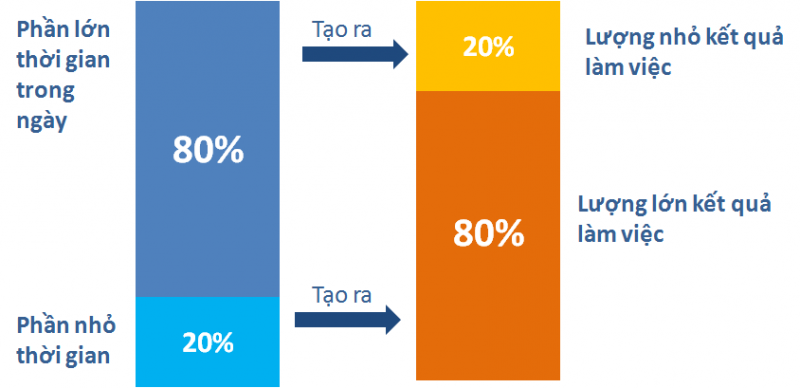
According to the Pareto Principle, 20% of the effort or time invested in a task will produce 80% of the results. Similarly, the remaining 80% of tasks will only produce 20% of the results. Therefore, to manage time effectively, you need to focus on the most important tasks and invest your time, energy, and resources in them.
3.3 Apply the 40-30-20-10 rule
The 40-30-20-10 rule is a specific time management method that helps managers focus on important and priority tasks at work. According to this rule, a manager will allocate their time during the day to different tasks according to the following percentages:
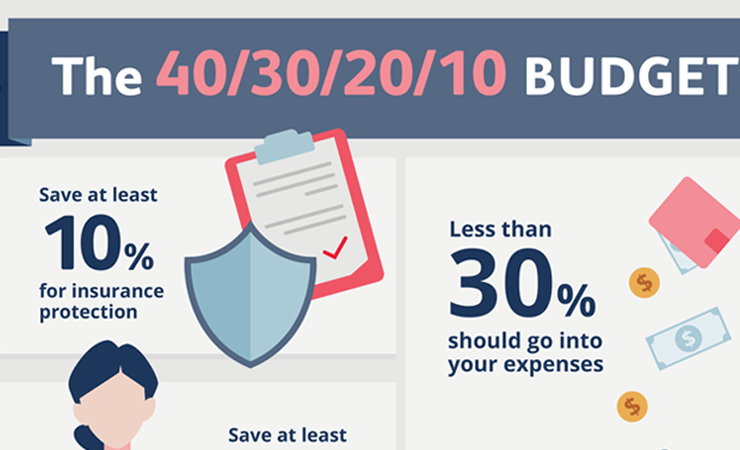
- 40% of time for the most important or most urgent tasks of the day.
- Identify important tasks and prioritize completing them first to avoid bottlenecks in your workflow.
- Plan for the next day or the entire week to know exactly what you will do and when.
- Use time management software to help organize work more effectively and remember meetings more easily.
- Allocate a reasonable amount of time for each task and stick to the schedule.
- Focus completely on the task at hand to increase efficiency and complete it faster.
- Synchronize your work schedule with your team members’ schedules to minimize waiting time and improve project efficiency.
- Review and re-evaluate your plan weekly or monthly to ensure work progress.
<li style="font-weight: 400;" ariaTo apply the Eisenhower matrix, you need to list the tasks to be done and then assess the importance and urgency of each task. Then, you will sort the tasks into the corresponding quadrants and prioritize them accordingly.
4. Tips for effective time management in the workplace
Effective time management is a crucial skill for any manager. Proper time management helps reduce stress, increase productivity, and complete work more efficiently. Here are some effective time management tips for managers:

5. How can managers know if they are managing time effectively?
Improper time management will reduce work performance and quality, creating unnecessary stress and pressure. To know whether they are managing time effectively, managers can consider the following indicators:
- The completion level of goals and tasks set according to the plan and deadlines.
- Increased productivity, faster task completion, greater resilience to work pressure, and reduced stress.
- Improved work quality, reduced costs, and increased financial efficiency for the business.
- A balance between work and life, with time for activities outside of work.
- Happiness and satisfaction with life, feeling more comfortable with one’s job.
6. How does time management differ at the individual, team, and enterprise levels?
Time management is not a one-size-fits-all skill. In a business, time management at the individual, team, and leadership levels has entirely different natures, goals, and implementation methods. If you only focus on optimizing one level while ignoring the others, the overall effectiveness will not be sustainable.
6.1. Individual time management for employees
At the individual level, time management focuses on how each employee uses their daily work hours to complete assigned tasks. The focus at this level is on personal discipline, the ability to prioritize tasks, and concentration.
Effective individual time management helps employees:
-
Complete work on time, reducing deadline pressure
-
Avoid last-minute rushes and reactive task handling
-
Improve work quality and take more initiative in their roles
However, individual time management only solves problems within each person’s scope and cannot fix bottlenecks arising from processes, coordination, or resource allocation. An employee can be very efficient but still fall behind schedule if they depend on other departments or unclear processes.
6.2. Time management in teams and departments
At the team or department level, time management is no longer about individuals but about coordinating, allocating, and synchronizing time among multiple people. The focus shifts to organizing work, assigning tasks, and monitoring overall progress.
Time management at this level helps:
-
Allocate work according to each member’s capabilities
-
Limit overlapping, redundant, or missed tasks
-
Ensure milestones are tracked and adjusted in a timely manner
If team time management is poor, the common consequences are:
-
Many ineffective meetings
-
Work gets stuck with a few individuals
-
Unclear responsibilities, leading to delays
Even if individuals work well, a lack of time management at the team level still reduces overall efficiency due to poor coordination and allocation.
6.3. Time management at the leadership and strategic level
At the leadership level, time management takes on a strategic meaning, no longer revolving around specific tasks. Managers need to focus on using their time for activities that create long-term value, rather than getting caught up in daily operational work.
Effective time management at the leadership level is demonstrated by:
-
Allocating time reasonably between strategy, operations, and team development
-
Avoiding getting bogged down in detailed tasks instead of providing direction and making decisions
-
Setting the right priorities for the entire organization
When leadership fails to manage their time well, the business is likely to experience:
-
Delayed strategic decisions
-
Overloaded managers who lack time for important issues
-
The organization operates reactively, lacking long-term direction
At this level, time management is not just a personal skill for leaders but also directly affects how the entire business uses its time.
7. 1Office Software – The effective time and work management solution
Using work management software is an effective solution that helps employees in a business save time on daily tasks. 1Office software is an effective work management solution that helps businesses automate workflows and allows for the scientific arrangement and management of work time.
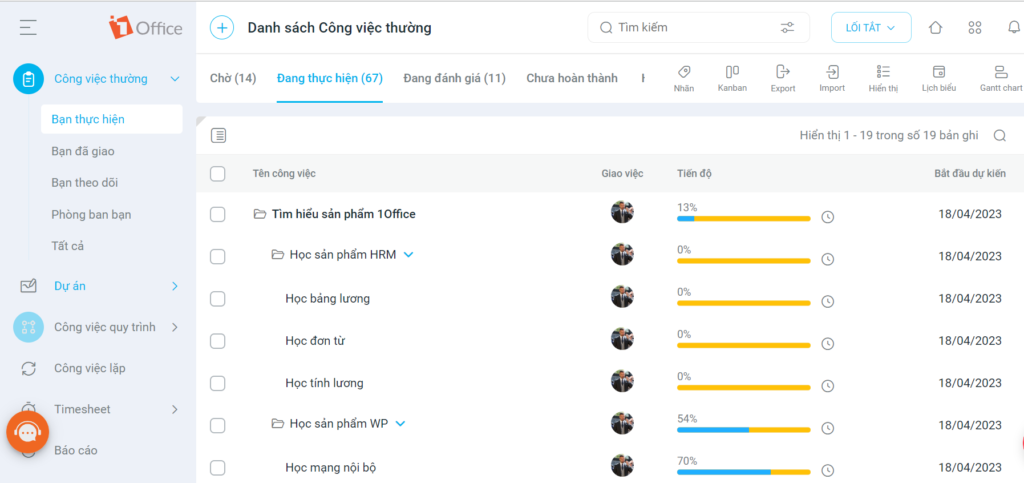
With the Workplace module, you can track the priority of tasks, monitor work reminder notifications, and plan and set goals for each task. Additionally, you can discuss work with your team to enhance collaboration, thereby improving efficiency and reducing the time spent on complex tasks. These features include:
Work planning: Users can create specific and realistic work plans, and allocate tasks to individuals or groups based on job positions and departments.
Track work progress: Users can track work progress on screens like Gantt and Kanban, and drag and drop task statuses to grasp details and progress. Additionally, the software provides smart alerts and reminders to help users proactively complete tasks by their deadlines.
Document management: The software allows users to manage documents related to tasks, making it easier to look up and use them.
Report and evaluate work performanceThrough this article, 1Office hopes you have a better understanding of what time management is, the common mistakes, and effective ways to manage time in the workplace. If you would like more information about the 1Office work management software or need support during your trial, you can contact us via:
- Hotline: 083 483 8888
- Fanpage: https://www.facebook.com/1officevn/
- Youtube: https://www.youtube.com/channel/UCeTIRNqxaTwk0_kcTw6SxmA
















