


 10/05/2026
  151 views
Building a standard workflow is an essential foundation for departments within a business to operate smoothly. However, the challenge is how to design a workflow that can adapt to the constantly changing market. In this article, 1Office will guide you through 11 steps to build an effective workflow, along with reference models and workflow templates.
Mục lục
- 1. Practical benefits of having a well-structured workflow for your business
- 2. 5 common models for building and improving workflows in an organization
- 3. 11 steps to build an effective workflow for your business
- Step 1: Clearly Define Business Needs
- Step 2: Set Specific Goals for the Work
- Step 3: Limit the Scope of the Process
- Step 4: Plan the Implementation Steps
- Step 5: Identify Key Control Points
- Step 6: Assign Responsibilities and Tasks
- Step 7: Prepare Supporting Guideline Documents
- Step 8: Choose a Suitable Process Control Method
- Step 9: Set up a trial period and preliminary evaluation
- Step 10: Describe the work implementation process in detail
- Step 11: Finalize forms, notes, and related documents
- 4. Sample workflow templates for various departments
- 5. Key considerations for an effective workflow
- 6. Common Mistakes in Building Business Workflows
- 7. How to Measure and Continuously Improve Workflow Efficiency
- 8. Build Workflows and Automatically Track Work Progress with 1Office
1. Practical benefits of having a well-structured workflow for your business
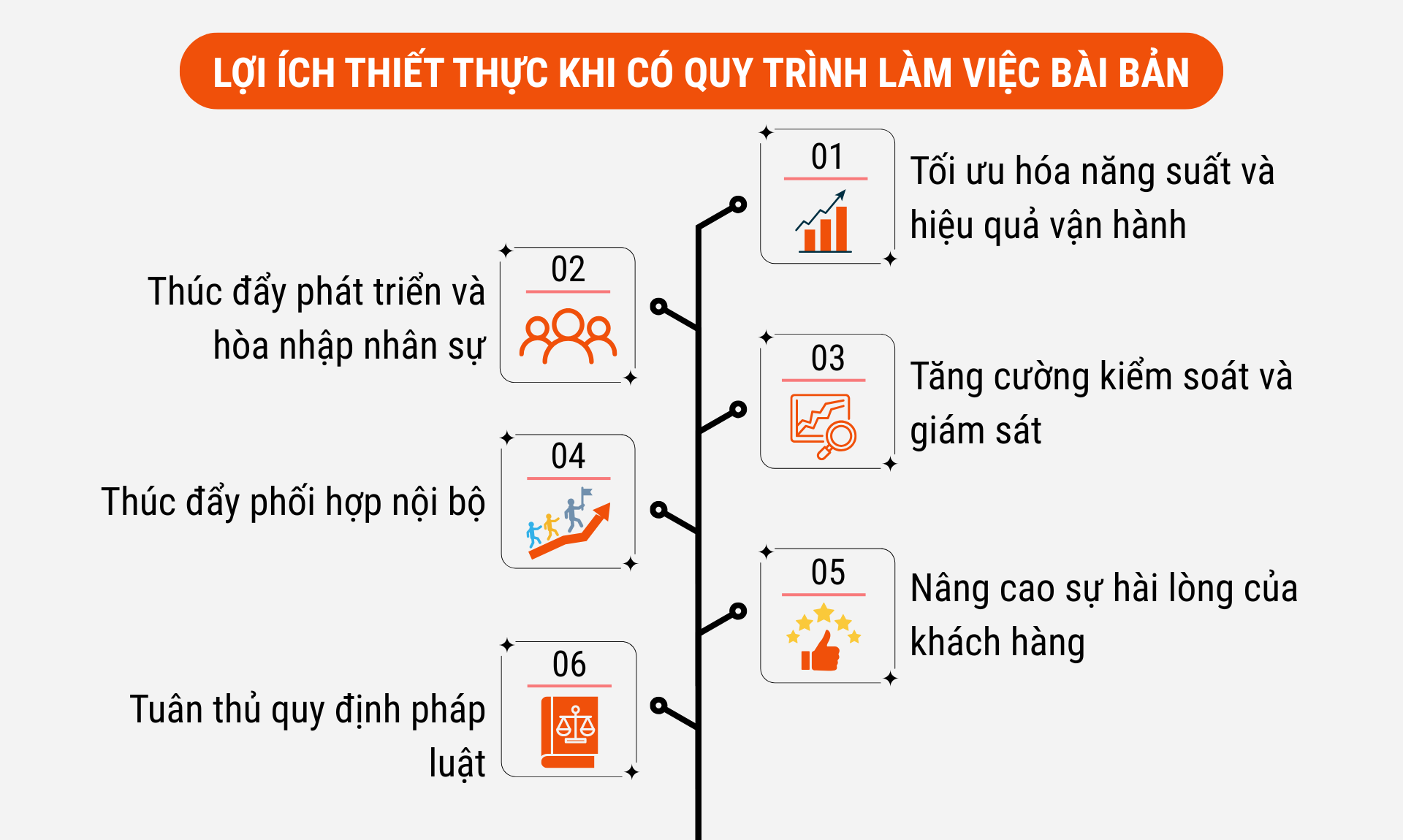
The benefits that a well-structured workflow brings
In today’s fiercely competitive market, businesses need to establish scientific and standardized workflows as a prerequisite. These processes not only help the organization operate smoothly and efficiently but are also a key factor in ensuring product and service quality and enhancing customer satisfaction:
- Optimize productivity and operational efficiency: A well-structured workflow ensures clear task assignment, eliminates overlaps, and minimizes the risk of missed tasks, thereby increasing the organization’s overall productivity.
- Promote employee development and integration: A clear process serves as a useful guide, helping new employees quickly grasp their tasks, maximize their potential, shorten training time, and improve work performance from the start.
- Enhance control and monitoring: A robust process system provides leadership and management with the ability to transparently track progress and work quality.
- Foster internal coordination: Departments work closely together, minimizing disruptions, overlaps, and conflicts, thereby optimizing workflow and enhancing the organization’s overall efficiency.
- Improve customer satisfaction: Ensure timely delivery of products and services that meet requirements.
- Ensure legal compliance: Minimize risks and ensure lawful business operations.
2. 5 common models for building and improving workflows in an organization
To build and continuously improve effective workflows, businesses often rely on management models that have been proven in practice. Choosing and applying the right model not only helps the business operate smoothly but also optimizes resources, enhances quality, and responds quickly to changing market demands.
TQM (Total Quality Management) Model
TQM is a management method focused on improving overall quality within the business.
- TQM encourages and promotes the active participation of the entire workforce in the continuous quality improvement process at all levels.
- The model creates a corporate culture centered on quality, with customer satisfaction as the guiding principle for all decisions and actions.
- TQM not only helps businesses maintain strict quality standards but also serves as a powerful driver for continuous innovation and rapid adaptation to market changes, thereby enhancing sustainable competitiveness.
The PDCA (Plan – Do – Check – Act) Cycle
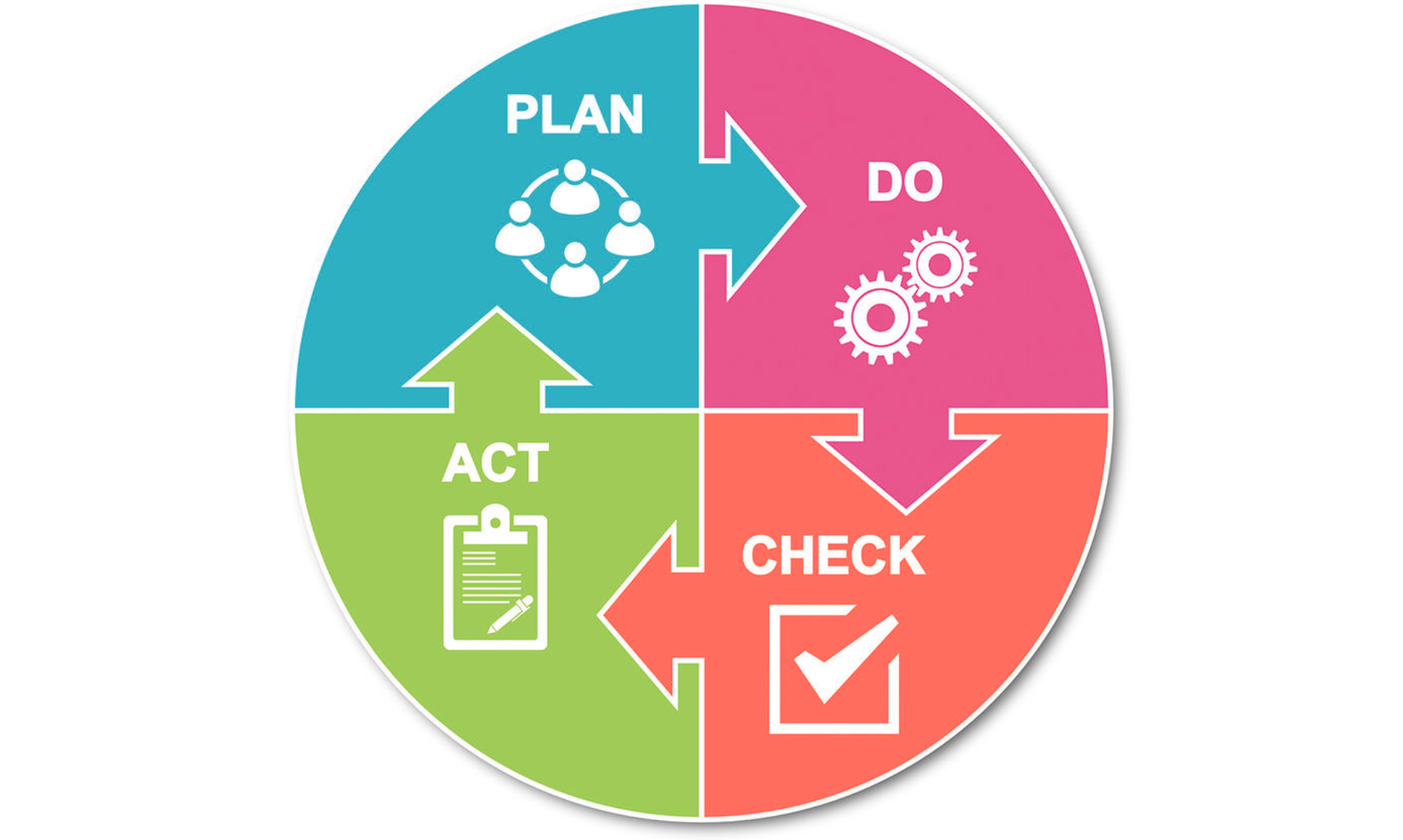
The cyclical Plan – Do – Check – Act process
The PDCA (Plan – Do – Check – Act) cycle is a four-step iterative management framework. The cycle is widely recognized as an essential tool that helps businesses continuously build, refine, and optimize their workflows. The components are:
- Plan: Clearly define strategic objectives, develop detailed action plans, and establish specific performance measurement indicators.
- Do: Implement the defined plan on a controlled, trial basis to collect data and make real-world observations.
- Check: Analyze and evaluate the results achieved based on the established KPIs. This step aims to accurately identify deviations, shortcomings, or opportunities for improvement compared to the original objectives.
- Act: Based on the analysis results, make adjustments and improve the process.
Six Sigma Model – Data-Driven Quality Management
Six Sigma is an advanced quality management method that uses powerful statistical tools to detect and eliminate the causes of defects in business processes. The main goal of Six Sigma is to achieve a near-perfect level of quality.
The Six Sigma model operates based on the DMAIC cycle (Define, Measure, Analyze, Improve, Control):
- Define: Clearly identify the problem, improvement goals, project scope, and stakeholders
- Measure: Collect data on the current state of the process to understand its current performance
- Analyze: Analyze the data to find the root cause of the problem
- Improve: Propose solutions and implement improvements to eliminate the root cause and optimize the process
- Control: Ensure the improved process is maintained stably to prevent the recurrence of defects
Toyota Production System Model
The Toyota Production System, also known as TPS, is an iconic management and production system from the Toyota Corporation. The goal of TPS is to comprehensively optimize all production processes to thoroughly minimize waste, significantly improve product quality, and enhance operational efficiency. Through this, TPS aims to create maximum value for customers at the lowest cost, while strengthening the company’s sustainable competitive advantage.
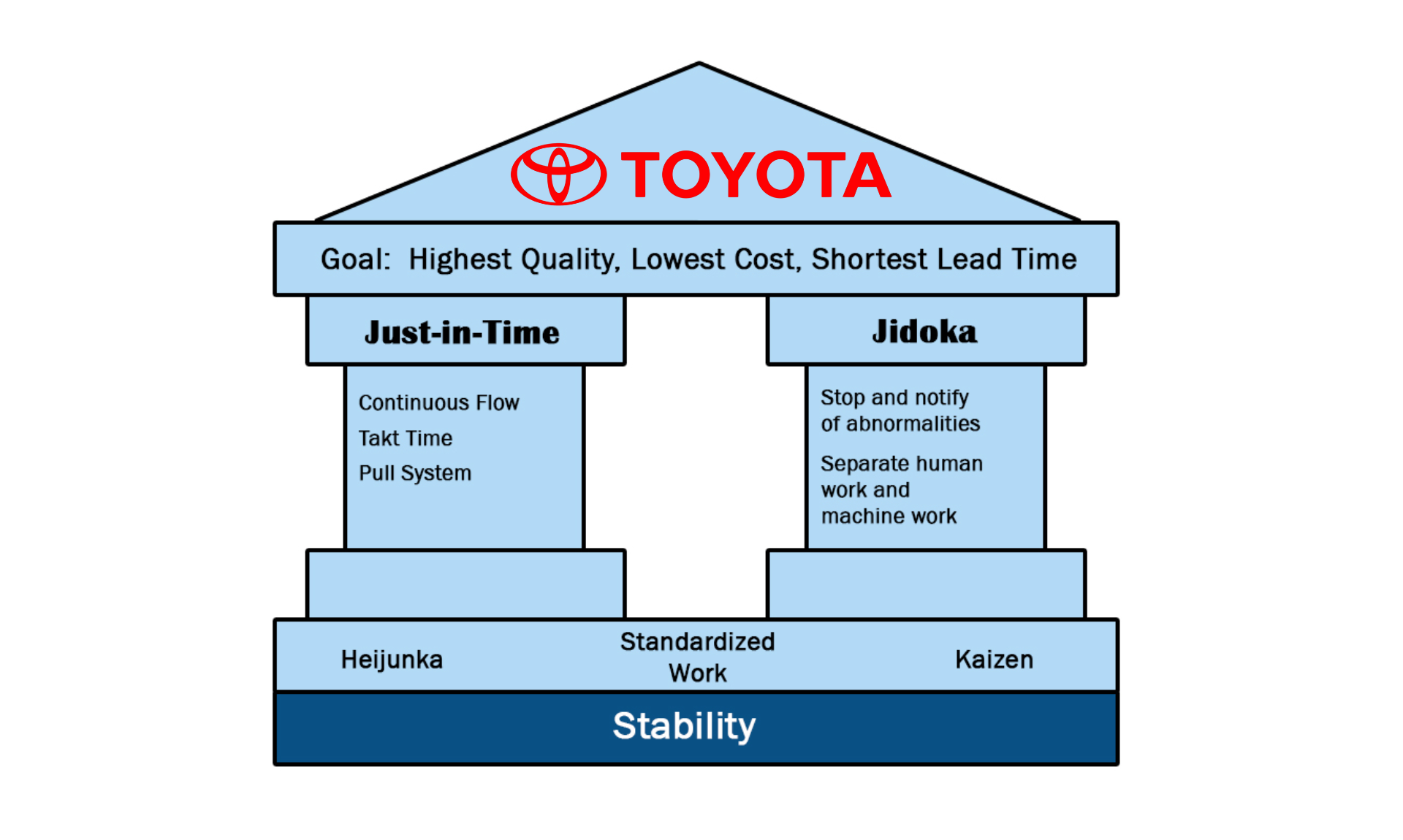
The core principles of the TPS model
There are 2 main pillars, along with the following working principle, that make up this management philosophy:
- Just-In-Time (JIT): This pillar focuses on producing and supplying the exact quantity of products/components needed, at the right time and place.
- Jidoka (Automation with a human touch): This pillar empowers machines with the ability to automatically detect abnormalities or errors and stop operations immediately, while alerting employees for timely intervention.
- Kaizen (Continuous Improvement): This is a principle, a deep-seated organizational culture philosophy that promotes making small, continuous, incremental improvements at all levels, from the production line to management departments. Kaizen encourages proactive participation and empowers all employees to find, propose, and implement initiatives to enhance operational efficiency.
The 5M Model – Root Cause Analysis
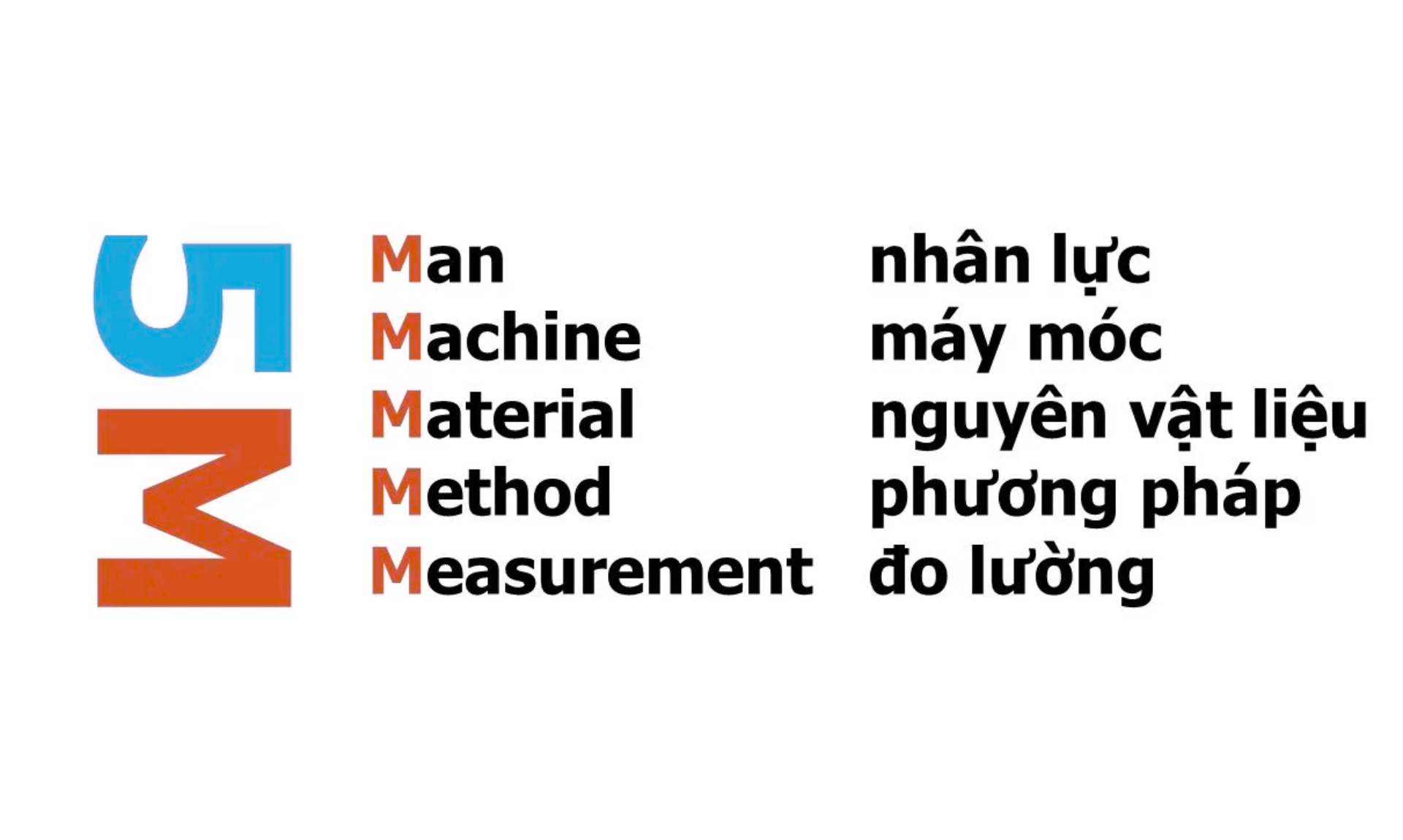
The 5 elements in the 5M model
The 5M model focuses on analyzing five key factors that affect work performance:
- Man: This is the key factor, encompassing professional competence, a positive work attitude, and the ability for effective coordination between individuals and departments. Optimizing the “Man” factor directly determines productivity and output quality.
- Machine (Tools & Technology): This factor includes all machinery, tools, and technology systems used to support and automate work processes.
- Material: This refers to the quality and origin of input materials. This factor covers the raw materials, components, and supplies necessary for the production process or service delivery.
- Method: This is the overall set of steps, rules, and procedures by which work is performed. A scientifically developed and optimized method will eliminate waste, enhance efficiency, and ensure consistency in all activities.
- Measurement: This factor includes the metrics, tools, and methods used to monitor and evaluate process efficiency and output quality.
3. 11 steps to build an effective workflow for your business
Below are 11 steps to help you implement an effective workflow, designed to suit the specific characteristics and diverse scales of various business types:
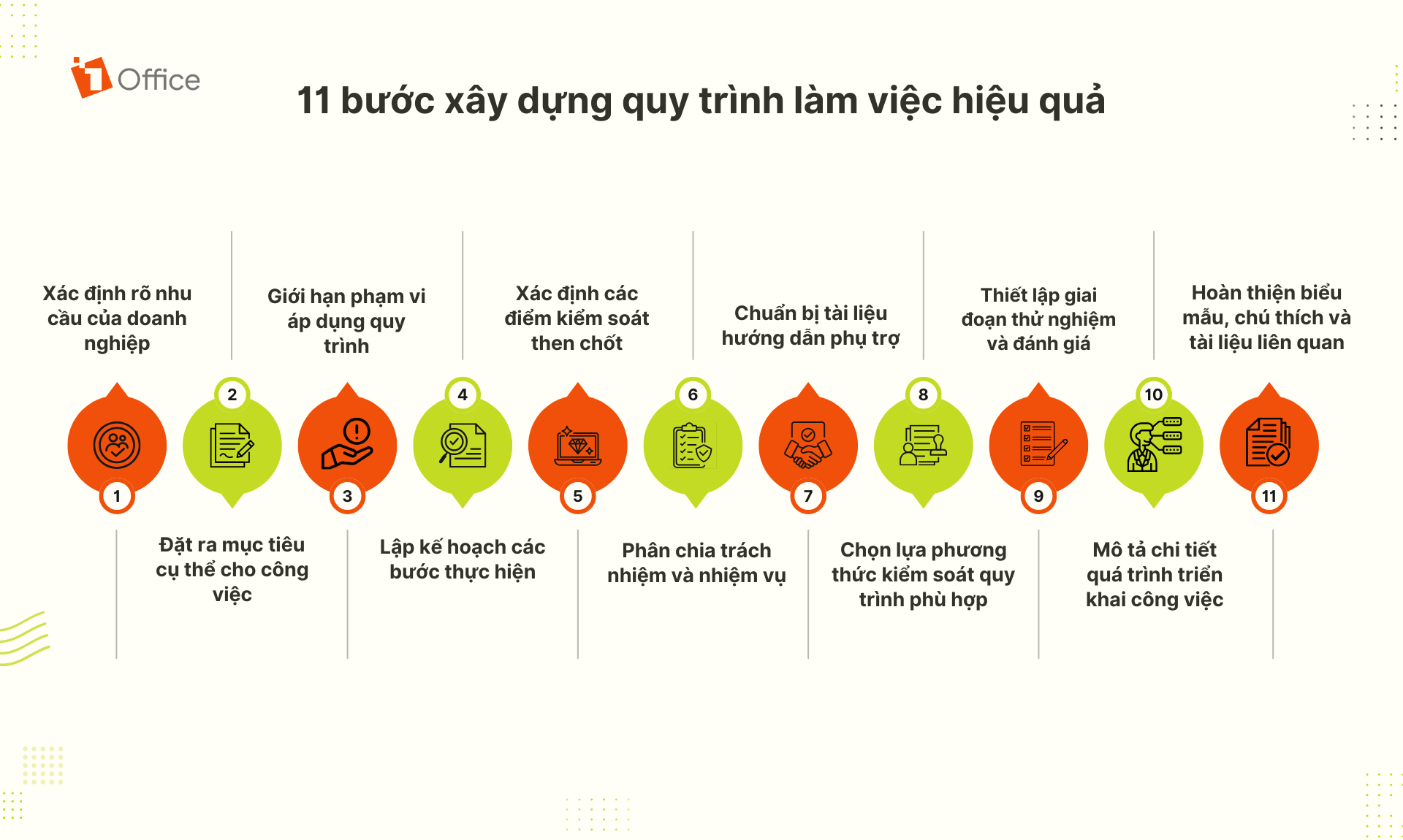
11 steps to build an effective workflow
Step 1: Clearly Define Business Needs
Before starting to build a process, the most important thing is for the business to conduct a thorough analysis to clearly identify current problems, bottlenecks, and the actual needs that the new process will address. This step helps ensure that the process is not only suitable but also directly contributes to achieving business goals and optimizing operational efficiency.
Step 2: Set Specific Goals for the Work
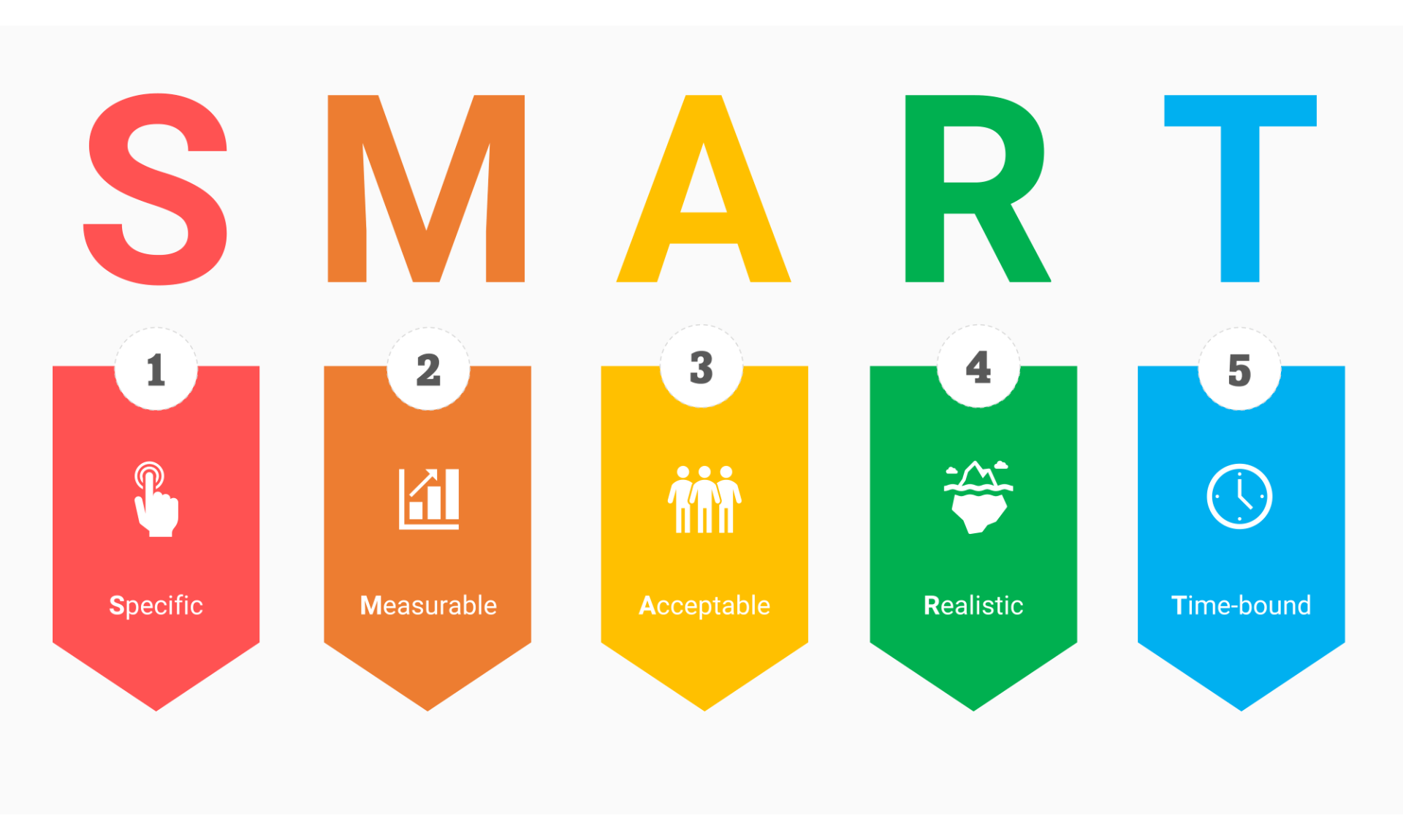
Defining goals with the S.M.A.R.T rule
Next is to define the objectives that the workflow needs to achieve. For each process, it is necessary to define clear, specific, and measurable goals. Defining goals according to S.M.A.R.T is a good method for businesses to follow.
Step 3: Limit the Scope of the Process
Decide on the specific scope of the process: whether it applies to a specific department, a pilot project, or a full-scale implementation across the enterprise. This helps ensure the project’s feasibility and optimizes the allocation and concentration of resources.
Step 4: Plan the Implementation Steps
A standardized workflow is typically structured with 8 to 12 steps; however, there is no fixed template that can be applied to every business.
Currently, businesses widely apply the 5W-1H-5M model. The core elements of 5W-1H include:
- What: Clearly define the nature, main tasks, and specific outputs of the work within the process.
- Why: Determine the reason for the process’s existence, the strategic goals to be achieved, and the value it brings to the business and customers.
- When: Define the start time, the duration for each stage, and the end time of the process.
- Where: The location where the work is carried out.
- Who: Clearly identify the individuals or departments directly responsible for implementation.
- How: Detail the methods, tools, technologies, and specific steps to perform the work effectively.
The 5M will identify the resources related to each of the above 5W-1H elements. The factors affecting work efficiency include Man (People), Machine (Machinery), Material (Materials), Method (Methods), and Measurement (Measurement).
>>>Learn more: 5M1E in business and what you need to know
Step 5: Identify Key Control Points
Identify and establish checkpoints, stages that require close monitoring, or mandatory approvals. These control points will help the business detect and promptly address deviations, ensuring the process runs smoothly with minimal errors.
Step 6: Assign Responsibilities and Tasks

Clear task assignment
Specifically assign individuals or departments to be primarily responsible for each stage or task in the process. This clear assignment not only enhances accountability but also optimizes internal coordination, eliminating overlap and confusion at work.
Step 7: Prepare Supporting Guideline Documents
Draft and standardize detailed guideline documents, implementation forms, and related regulations. A set of detailed and easy-to-understand guideline documents will ensure that all employees execute the process consistently, accurately, and achieve optimal performance.
Step 8: Choose a Suitable Process Control Method
Factors to consider when determining the control method you can refer to:
- Which steps require inspection
- Inspection criteria
- Assigning the person responsible for inspection
- Inspection frequency
Step 9: Set up a trial period and preliminary evaluation
Manufacturing businesses or processing workshops often include a trial run of the process. This stage allows the business to assess feasibility, measure actual effectiveness, and gather important feedback for making improvements.
Step 10: Describe the work implementation process in detail

Detailed description of the work implementation process for employees
Clearly and meticulously document each step, regulation, responsibility, and exception in the process to make it easy for employees to follow. This process also contributes to continuous training and improvement, while optimizing performance and managing risks, starting with the most important resource: personnel.
The business must ensure that the entire system of supporting documents accompanying the workflow is meticulously completed:
- Terminology definitions/Glossary: Provide detailed explanations of specialized terms and clearly define abbreviations used in the process documentation.
- Accompanying forms: Include forms that illustrate the process, report forms, or documents that substantiate research data and market analysis related to the process.
4. Sample workflow templates for various departments
Sample workflow diagram for the HR Department
Below are reference workflows for two important tasks for the HR Department – probation and recruitment.
Probation process:
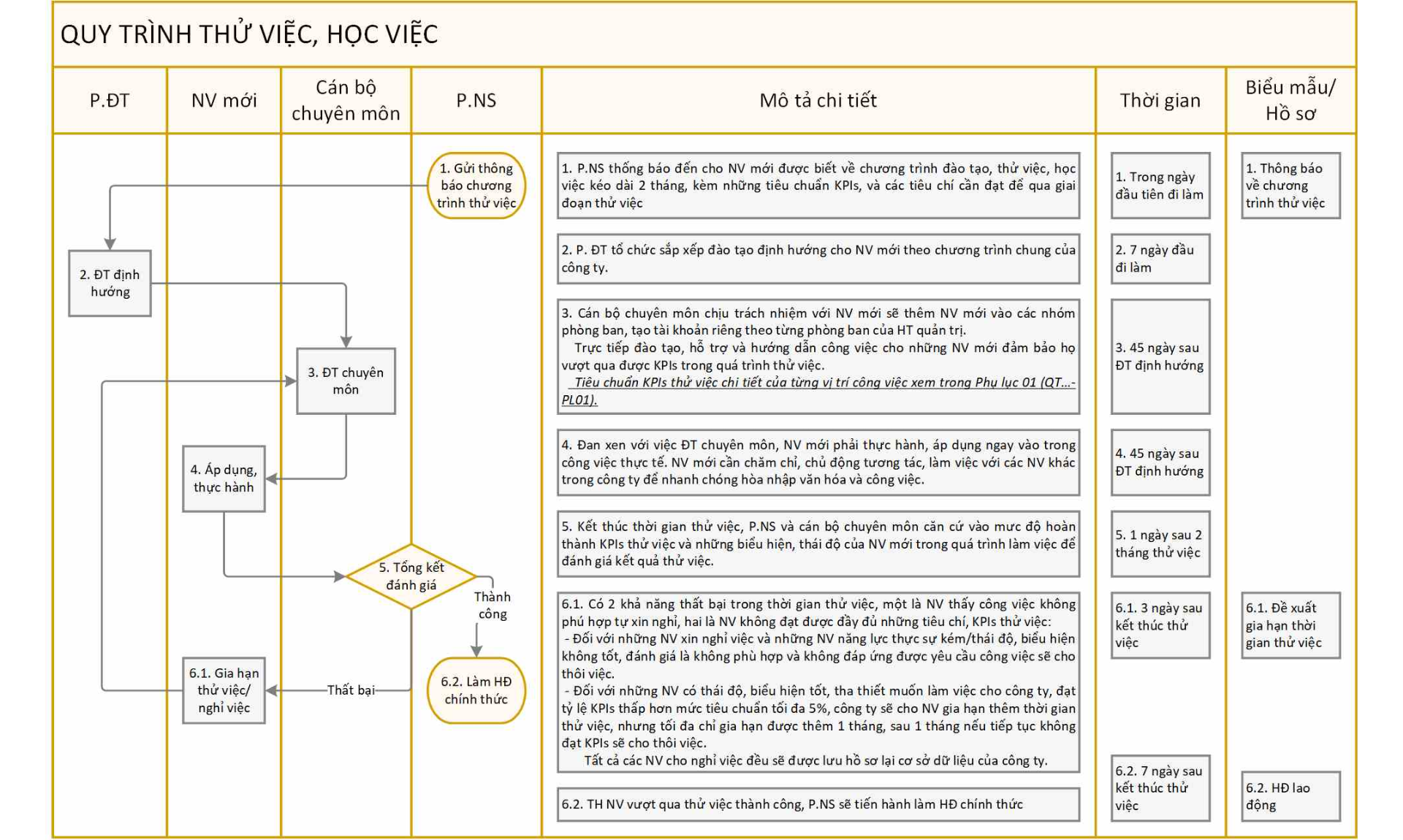
Probation process for the HR Department
Recruitment process:
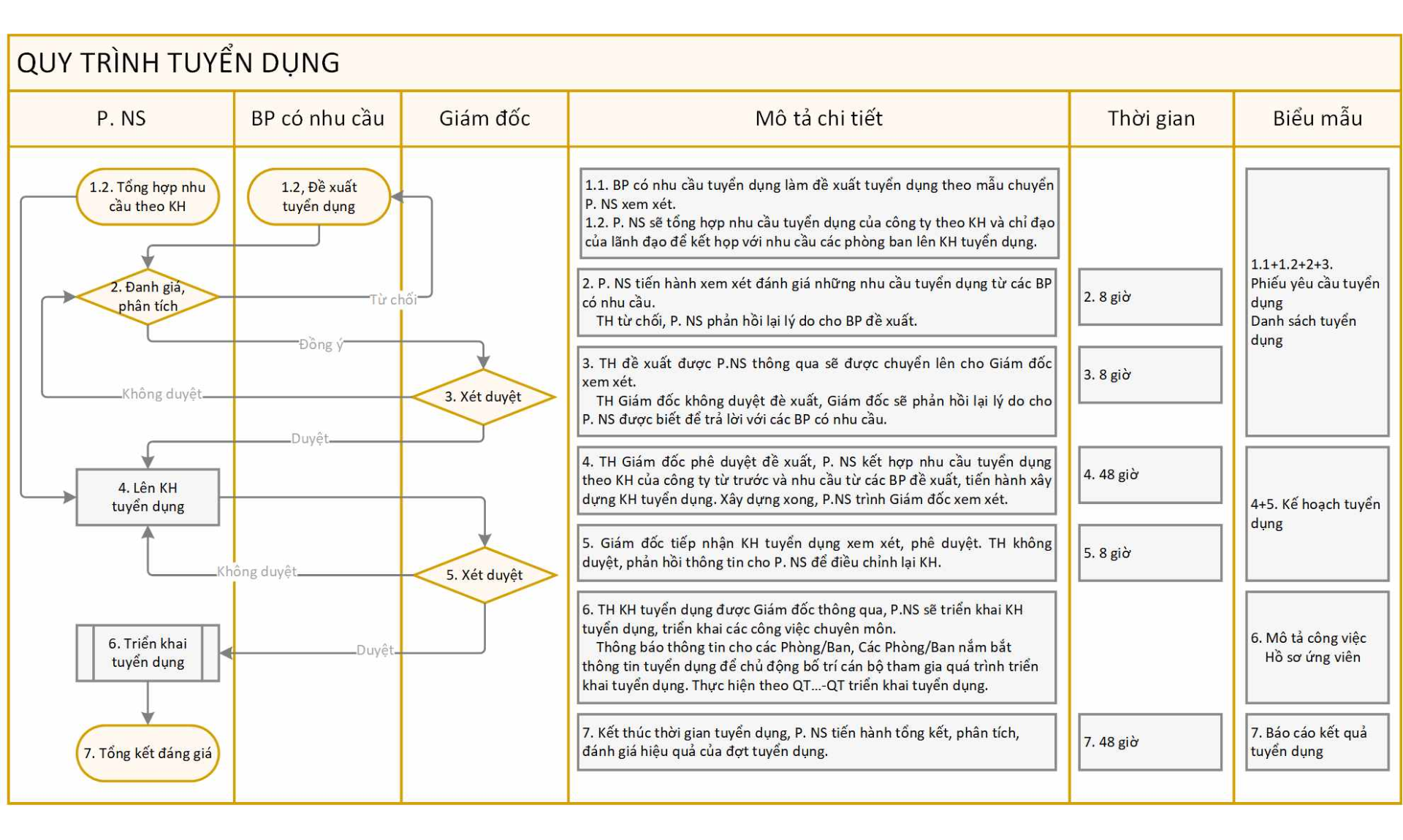
Recruitment process
Based on these sample processes, businesses can proactively optimize human resource management and create workflows tailored to their specific characteristics.
Sample workflow diagram for the Accounting Department
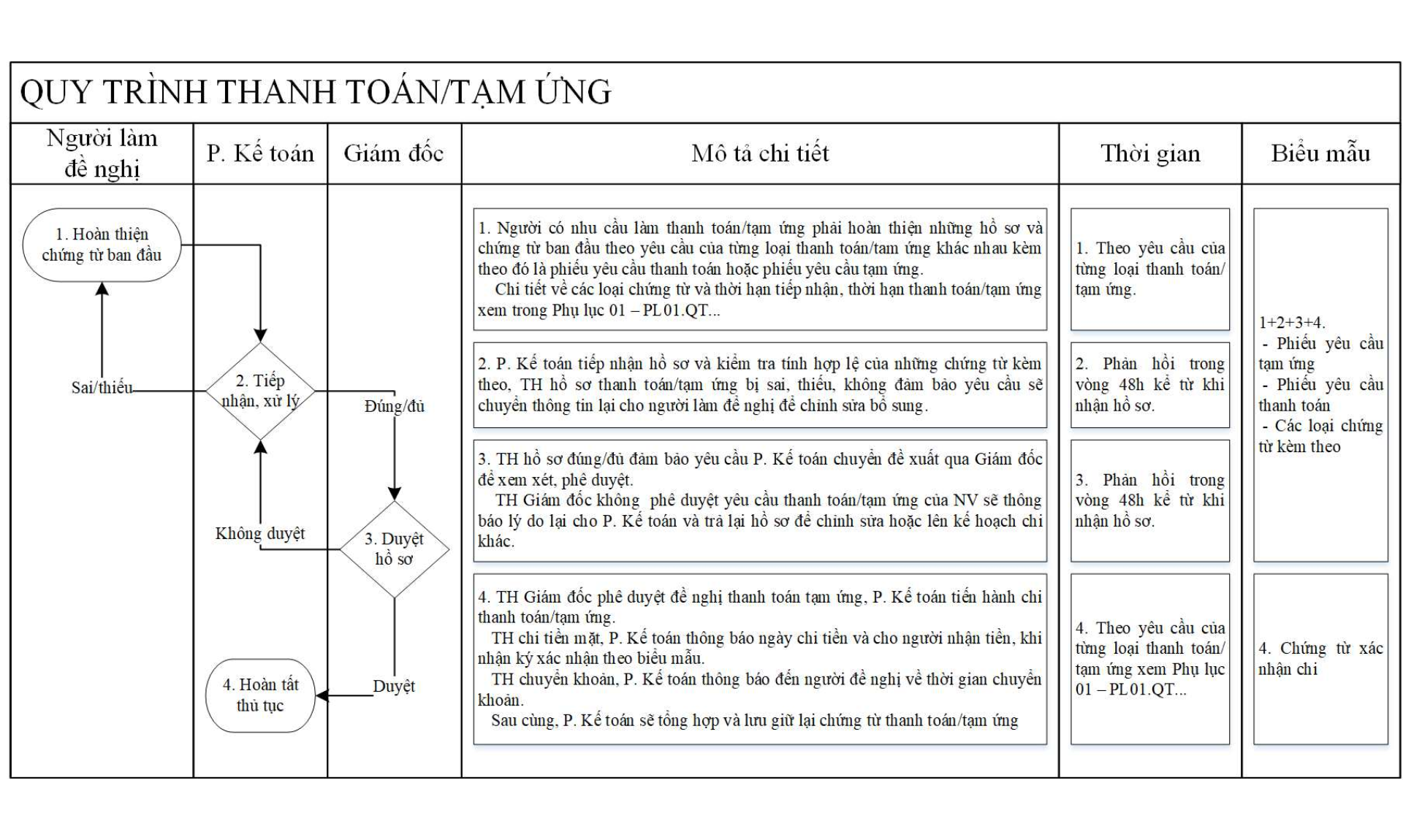
Payment/advance process for the Accounting Department
With a critical accounting process like payments/advances, businesses can establish a strict financial framework. The process above ensures that the accounting team and related departments operate with consistent steps.
Sample workflow diagram for the Customer Service Department
Customer care and market research processes help the Customer Service and Sales teams work more effectively.
Customer Service process:
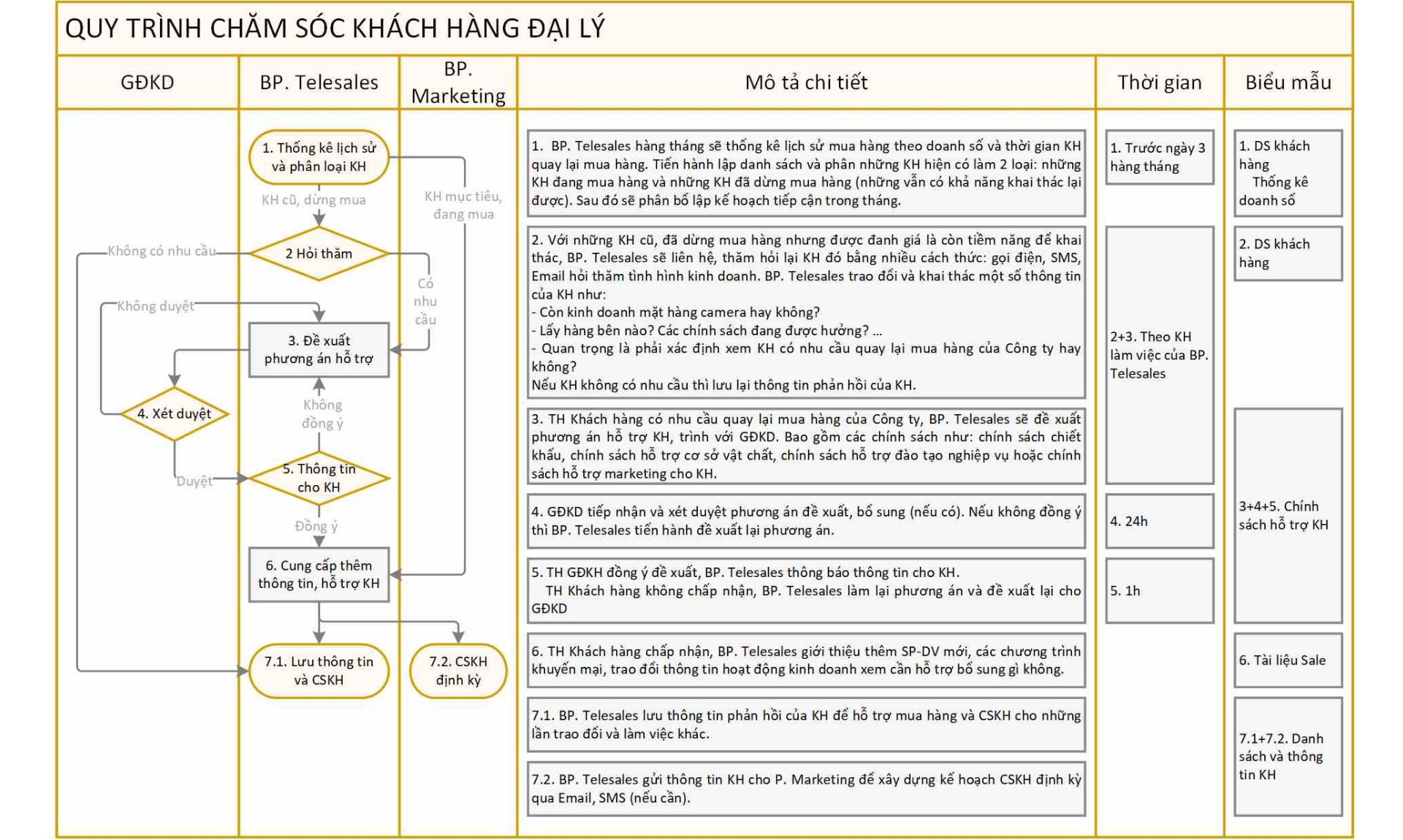
Agent Customer Service process for the Customer Service Department
Market visit process:
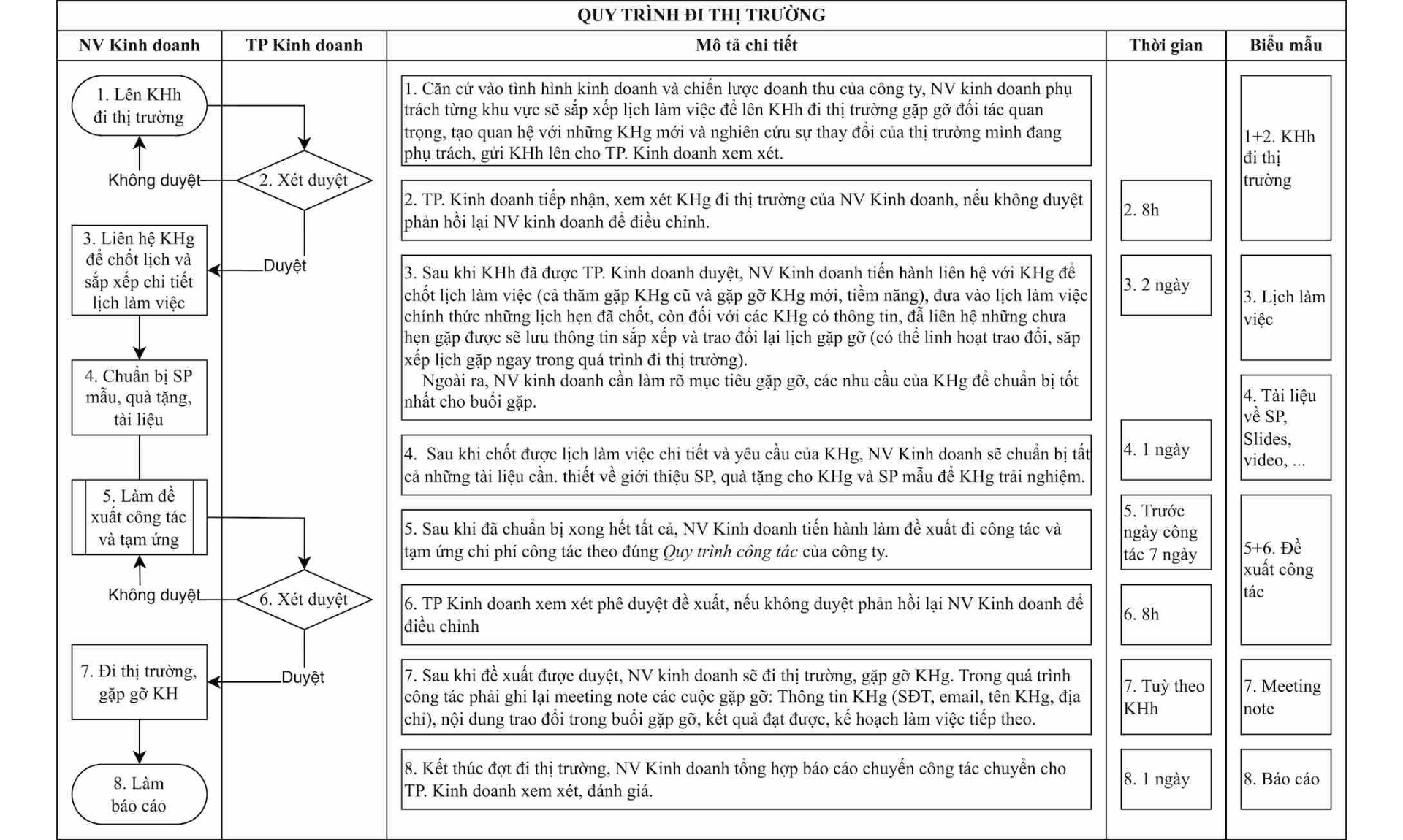
Market visit process
Additionally, a well-built process will enhance the customer experience and boost revenue, creating a significant competitive advantage in an increasingly fierce market.
5. Key considerations for an effective workflow
Businesses should pay attention to the following points to ensure their workflows are not only well-structured but also continuously improved in line with business conditions:
- Flexible and continuously adaptive processes: Instead of establishing fixed processes, businesses should prioritize building workflows that can adapt and adjust promptly to changes in the business environment.
- Regularly gather feedback from employees: Employees are the ones who directly operate the process daily, so it is crucial to proactively listen to, collect, and synthesize their opinions, evaluations, and suggestions for improvement.
- Ensure transparency and clarity in communication: All information related to the process must be communicated carefully and accurately to avoid the risk of misunderstanding and overlooking tasks.
- Combine KPIs and OKRs to measure work performance: Use a combination of KPIs and OKRs to measure work performance and progress objectively and transparently, while aligning with the company’s strategic goals. This supports data-driven decision-making and promotes continuous improvement.
- Apply technology for automated progress and quality control: Make full use of modern automation tools and platforms to monitor process progress and detect deviations, delays, or quality issues early on.
6. Common Mistakes in Building Business Workflows
Despite understanding the importance of standardizing processes, many businesses still make basic mistakes that render their workflows formal, impractical, and ineffective. Here are the most common errors:
Failing to Conduct a Practical Survey Before Designing the Workflow
Many organizations start mapping out workflows based on assumptions or “existing templates” without analyzing the team’s actual operations. As a result, the implemented workflow doesn’t accurately reflect the real workstream, making it difficult for employees to apply or forcing them to find “workarounds” to get things done faster.
Overlapping Tasks and Unclear Roles
A good workflow must clearly specify who does what, when, and how they are accountable. When roles are not clearly defined, tasks are easily missed, duplicated, and a culture of “passing the buck” emerges between departments.
Overly Complex Workflows That Are Difficult to Implement
Many managers want to “cover all scenarios,” making the workflow lengthy, with multiple approval layers, and difficult to implement. Consequently, employees are reluctant to comply, performance decreases, and automation goals are hindered. An effective workflow should be simple, easy to understand, and measurable.
Failing to Update Workflows Periodically
The business environment is constantly changing, so old workflows can quickly become obsolete. The lack of periodic reviews turns workflows into “dead stock,” no longer suitable for current operations, especially when the business scales or changes its management model.
Lack of Training and a Designated Supervisor
Even the best workflow cannot be effective if employees do not clearly understand its purpose and how to execute it. Furthermore, the absence of a person or department responsible for monitoring, measuring, and improving the workflow will leave the operational system “adrift”.

7. How to Measure and Continuously Improve Workflow Efficiency
After establishing a workflow, businesses need a mechanism for regular measurement and improvement to ensure the system remains relevant, efficient, and cost-effective. This is the foundation of operational excellence – optimal operational management in modern enterprises.
Key Performance Indicators (KPIs) for Evaluating Workflow Efficiency
Some quantitative indicators commonly used to measure efficiency include:
-
Cycle Time: Measures the speed of the processing flow.
-
Error Rate: Reflects the output quality of the workflow.
-
Operation Cost: Indicates the resource consumption required to maintain the workflow.
-
Compliance Rate: Assesses the percentage of employees who follow the workflow correctly.
-
Employee/Internal Customer Satisfaction: Shows whether the workflow genuinely supports work or is merely a formality.
Note: Businesses should select 2–3 core indicators that align with their management goals, avoiding tracking too many KPIs, which can be confusing and hinder improvement efforts.
Continuous Improvement Cycles: PDCA or Kaizen
Two common methods for maintaining and upgrading workflow efficiency are:
-
PDCA (Plan – Do – Check – Act):
-
Plan: Set goals and plan for improvement.
-
Do: Implement a small-scale test.
-
Check: Evaluate the results against the set goals.
-
Act: Standardize what works and adjust what doesn’t.
This is a method many businesses use to keep the “improvement cycle” continuously running.
-
-
Kaizen (Continuous Improvement):
A philosophy originating from Japan that emphasizes small, daily improvements from every employee. Instead of waiting for major changes, businesses encourage employees to suggest small but practical adjustments to make workflows smoother, more flexible, and more cost-effective. A company with a culture of continuous improvement will always maintain a competitive edge because it constantly optimizes resources and enhances operational quality.
8. Build Workflows and Automatically Track Work Progress with 1Office
In the context of digital transformation, building and monitoring effective workflows has become a key factor in helping businesses optimize operations and enhance their competitive edge. Recognizing this importance, 1Office provides a comprehensive digital transformation platform that helps managers turn complex processes into coherent, easy-to-manage, and optimized workflows.
- Intuitive and Easy Workflow Design: The user-friendly drag-and-drop interface allows users to build and customize workflows tailored to their business’s specific needs without requiring advanced programming skills.
- AI-Powered Automation and Decision Support: The integrated AI Agent in 1Office automatically assigns tasks based on each employee’s capacity, workload, and progress. Additionally, the AI provides early warnings for risks of delays or errors, enabling managers to intervene promptly, thereby improving monitoring efficiency and accuracy.
- Real-Time Progress Tracking and Monitoring: The intuitive dashboard provides accurate, continuously updated data on work progress, as well as individual and team productivity. AI technology assists with data analysis to forecast and recommend timely process improvements.
- Seamless Integration with KPIs and OKRs: 1Office automatically links work results to KPIs and OKRs, supporting accurate performance evaluation and promoting employee competency development.
- Multi-Platform Support and Flexible Work: Users can access 1Office from various devices such as computers, phones, and tablets, facilitating remote and multi-location work models.
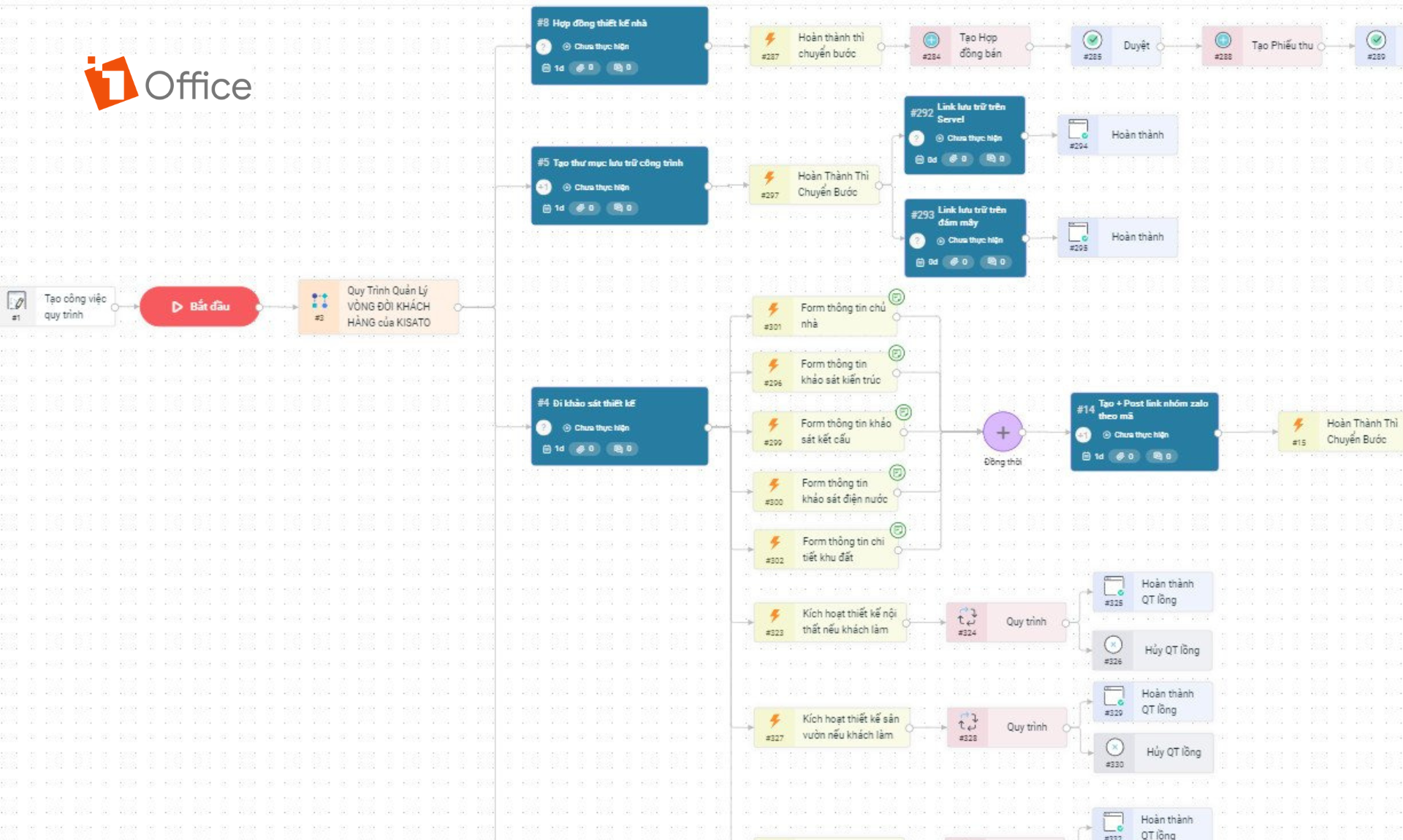
Build smart workflows with 1Office
Register for a free 1Office Demo account!
With 1Office, businesses can create a synchronized and seamless operating system, ensuring all activities run smoothly. This platform is particularly effective in enhancing monitoring capabilities and continuously optimizing processes, thereby directly contributing to the strong growth of business operations.
We hope this article has provided you with practical information, helping you establish a clear direction for building your workflows. Building effective workflows is a key factor in helping businesses increase productivity, control quality, and optimize operational resources. And to facilitate this process, 1Office offers a comprehensive management platform that enables businesses to easily design, monitor, and optimize their workflows.
















