


 11/05/2026
  603 views
In the sales process, closing the sale is a crucial step to generate the highest revenue for the business. However, closing a sale is not simple and requires many different skills and methods for understanding customer psychology. So how can you close sales effectively? 1Office will reveal the effective ways to close a sale in the article below.

Mục lục
- 7 Effective Sales Closing Techniques Every Salesperson Should Know
- Surefire Sales Closing Phrases
- Specialized Sales Closing Techniques for the 6 Hottest Industries Today
- 1. Effective sales closing techniques for the real estate industry
- 2. Effective Sales Closing Techniques for the Retail / FMCG (Fast-Moving Consumer Goods) Industry
- 3. Effective Sales Closing Techniques for the Fashion Industry
- 4. Effective sales closing techniques for the Education / Training services industry
- 5. Effective sales closing techniques for the Technology / Software services industry
- 1Office CRM – A comprehensive customer relationship management solution for businesses
- Frequently Asked Questions
7 Effective Sales Closing Techniques Every Salesperson Should Know
Closing a sale is simply understood as the end of the sales consultation process. This is considered the final step in business, where the salesperson plans and prepares for the sale through product consultation with the customer, aiming to sell the product quickly.
1. Now or Never
This sales closing technique creates a sense of urgency and can help overcome inertia when a potential customer wants to buy but for some reason can’t pull the trigger. Arguably, this is a method used by many to increase the customer’s likelihood of making a purchase decision. However, you need to present offers, discounts, or promotions to the customer beforehand.
For example:
“Register today to buy the product for 99k”
“50% off for the first 3 people to buy the product today”
“Free shipping when you buy 3 or more products”
2. Effective Sales Closing by Asking Questions
Asking questions is an effective sales closing method used by many to achieve great results. To do this, the salesperson needs to ask probing questions to understand the potential customer’s needs and desires. By doing so, you can more easily persuade the customer to use your product or service. You can learn more about customer service to improve your service quality and effectiveness.
For example: “In your opinion, does what I’m offering solve your problem?”

The question allows you to discover whether the prospect is sold on your product while still leaving the door open for further selling. If the answer is ‘no,’ it’s still their opinion (not yet a fact), thus allowing you to continue selling. If the answer is ‘yes,’ then the next step is to sign on the dotted line.
Here’s another closing question: “Is there any reason why we couldn’t proceed with the shipment?”
This question either asks for the close or for more information about why the customer isn’t fully convinced. It’s a win-win.
See more: Mastering Customer Psychology – The Key to Top-Tier Sales
3. The Needs Close
Meeting a prospect’s needs is the most effective way to get them to buy your product, and that’s what the Needs Close technique does. First, list the things the prospect has indicated they need from your product. Then, review the list against your product and start checking off the ones that match.
The more boxes that are checked, the more suitable the product is for the prospect.
The Needs Close technique works in situations where the prospect is unsure how your product will benefit them. By listing and checking off the matches, you are showing the prospect exactly how your product helps them.
4. Provide Alternatives or Options
Providing alternatives or options is an effective solution you can apply. Instead of waiting for the customer to decide, you can close the sale effectively by offering more solutions for the customer to choose from. This makes it easier for the customer to find a suitable alternative.
This sales closing technique is perfectly suited for prospects who have no questions about your product or any objections regarding price, features, etc. By giving them a choice of alternatives, you can simplify the decision-making process and make it easier for them to commit to your product.
5. The Assumptive Close
The Assumptive Close is when the salesperson assumes the deal is done. Salespeople use this technique when the prospect has checked off the steps in the sales process but has not yet confirmed the deal. Therefore, you need to monitor the prospect’s interest, engagement level, and feedback throughout the process. You can ask questions like:
“Does this sound like something that would be valuable to your company? Does this meet a specific need or pain point?”

6. The Soft Close
A soft close is a tactic to let the customer see the potential and benefits of your product and ask a low-impact question to determine if they are willing to learn more.
Example: “If I could reduce your widget maintenance by 25% and increase widget productivity by 15%, would you be interested in learning more?”
Or ask the question: “If I told you I could reduce your widget maintenance by 25% and increase widget productivity by 15%, would that align with your company’s goals?”
This helps them avoid making any commitment to you and gives you more time to learn about their business needs.
7. Provide alternatives or options
If you’ve tried hard to persuade a customer but they still show hesitation, don’t passively wait for them to decide. Instead, apply an effective closing technique by offering other solutions for them to choose from. This way, the customer can find more suitable solutions they are looking for.
Surefire Sales Closing Phrases
Here are some typical “magic phrases” that will win over any customer:
1. Effective closing with attractive offers
Offering promotional packages regarding cost and product value is an effective tactic to help you close sales quickly. Below are some easy closing phrases you should consider:

- If you buy today, you’ll get a 50% discount and free shipping.
- If you sign up now, you’ll receive an additional gift.
- This product is a perfect fit for you, helping to save costs and enhance the experience. To get the best price, buy now and you’ll receive an additional one-year warranty.
Additionally, you can use words that encourage purchasing and create a sense of urgency for the customer, such as “right now” or “buy now,” to sell products quickly and prevent customers from delaying their purchase.
| Read more: A Complete Guide to Writing CTAs That Triple Your Conversion Rate |
2. Closing the sale with questions
Asking questions is an effective sales closing technique you should apply. By using questions, you can explore the customer’s desires and probe their needs to understand what they truly require. From that information, you can provide suitable and useful information to facilitate a quick closing process, such as:
- Do you have any questions about this product?
- Is there anything else you’re hesitant about before deciding to purchase?
- This product is a great fit for your needs at a very reasonable price. Have you decided to purchase it yet?
- If you order today, there are many attractive gifts included. Would you like me to assist you with placing the order now?
“Closing” questions will help increase the closing rate and effectively guide the customer. This helps reduce customer procrastination and increases the successful sales rate.
3. Closing the sale by creating a final opportunity
This is an effective sales closing technique you should apply. Most customers hesitate over the price, the decision to buy, or other factors that indirectly influence them, leaving them uncertain. In such cases, you can use the following questions:

- Today is the last day of the promotion. Would you like to buy now?
- There are only 10 promotional slots left for the last 10 people. You should register right away.
- If you purchase right now, you will get free shipping and installation.
By creating situations that require an immediate purchase, the salesperson compels the customer to make a decision as quickly as possible. This creates a sense of urgency, prompting the customer to make a definitive choice to secure their benefits.
Specialized Sales Closing Techniques for the 6 Hottest Industries Today
In business, closing the sale is the most crucial step to turn potential into actual revenue. However, each industry has its own unique characteristics – from buying behavior and customer psychology to product value. Therefore, using a one-size-fits-all closing approach is often ineffective.
This article will introduce specialized sales closing techniques for 6 of today’s hottest industries, helping sales teams correctly identify needs and apply appropriate strategies to increase their success rate.
1. Effective sales closing techniques for the real estate industry
Real estate is an industry with high-value transactions, long sales cycles, and customers who often need a lot of time to consider. Therefore, salespeople must combine expert consultation, trust-building, and skillful closing techniques to help customers make a decision.
Below are effective sales closing methods specifically for the real estate sector:
Closing based on long-term investment value
Most real estate buyers view their purchase as an investment – whether the initial purpose is for residence or business. Therefore, emphasizing the potential for profit is an extremely important factor.
The salesperson needs to carefully analyze the surrounding context: planning status, current and upcoming infrastructure projects, and accompanying social amenities like schools, hospitals, and shopping centers. Additionally, demonstrate the potential for profit through rental value or projected price increases. A persuasive example could be:
“Three years ago, the nearby Project A increased in value by 40%. With the current planning progress and the influx of new residents, this apartment has similar potential.”
When customers see the long-term benefits, they will find it easier to make a decision.
Using data and authentic evidence
Customer trust in the real estate sector heavily depends on information transparency. Instead of just saying “this area is hot” or “this unit is a great buy,” provide concrete evidence: price lists from the developer, market reports from reputable research firms, or clear legal information such as construction permits, property ownership certificates, and sample contracts.
Additionally, you can strengthen your argument with recent sales results:
“Last month, 18 out of 20 river-view units were successfully sold.”
Clear numbers and documents will make the customer feel secure and trust your proposal.
Creating scarcity and urgency
The fear of missing out (FOMO) is an extremely powerful psychological lever in sales, especially in real estate – where location and views are unique and cannot be replicated.
You can apply this by announcing the number of remaining units, clearly stating the deadline for promotional offers, or emphasizing the uniqueness of the apartment. For example:
“There are only 2 southeast-facing corner units with a river view left, and the 5% discount price is still valid until the end of this week.”
When customers feel that the opportunity will disappear if they hesitate, they will tend to act more quickly.
Let customers have a real experience
Nothing is more persuasive than letting customers “see with their own eyes, touch with their own hands” the product they intend to buy. Visiting a model home or an actual apartment will help customers clearly visualize the space, lighting, view, and amenities.
You can organize a project tour combined with experiencing amenities like the swimming pool, park, and gym. If the customer is far away, prepare flycam videos, 3D images, and online tours. A clever invitation could be:
“Why don’t you try standing on the balcony of this apartment to feel the breeze and see the panoramic city view.”
A real experience often creates positive emotions, making it easier for customers to close the deal.
Close the sale based on the customer’s personal goals
Customers always have different purposes. In real estate, some buy to live in, some buy to invest, to rent out, or as an asset. Understanding their goals from the beginning helps you personalize your consultation.
If the customer is buying to live in, you can emphasize convenience, tranquility, and proximity to schools or workplaces. If the customer is buying to invest, focus on the potential for appreciation and rental yield. For example:
“If you’re buying to live in, this 12th-floor unit is very quiet, near the elevator, and has a supermarket right on the ground floor. If you want to rent it out, this unit can generate a profit of 12 million/month.”
The alignment between the product and personal needs will significantly shorten the decision-making process.
Combine special offers for a quick close
A clear, time-limited offer will make customers feel they are “getting a benefit by buying now.” Common forms include: discounts for early deposits, a complimentary furniture package, low-interest loan support, or free management services for the first year.
For example:
“If you make a deposit this week, we will give you a complimentary furniture package worth 150 million VND.”
These benefits help customers feel they are getting a “good deal,” thereby closing the sale faster.
 Effective sales closing techniques for the real estate industry
2. Effective Sales Closing Techniques for the Retail / FMCG (Fast-Moving Consumer Goods) Industry
The fast-moving consumer goods (FMCG) industry includes products that customers buy frequently, with low to medium value and short consideration times, such as food, beverages, cosmetics, and hygiene products. The unique characteristic of this industry is that purchasing decisions are made almost instantly, heavily influenced by emotions, promotions, and the point-of-sale experience. Therefore, sales closing tactics in FMCG need to be fast, direct, and appealing to capture the moment when “the customer wants to buy.”
Below are effective sales closing techniques specifically for the retail and FMCG industries:
Close the sale at the point of sale
In FMCG, the moment a customer is standing in front of the shelf is the “golden” time to close the deal. Staff or display elements must have an immediate impact, as customers often do not plan their purchases in detail for each item.
You can combine:
-
Prominent display: place the product at eye level, with eye-catching packaging and good lighting.
-
Use POSM (Point of Sale Materials): standees, prominent price boards, concise promotional messages.
-
Quick consultation from staff: introduce the key features in just 5–10 seconds, then suggest buying immediately.
For example:
“Ma’am, this product has a buy 2 get 1 free promotion, valid only for today. You should get it now to save money.”
Leverage promotional combos and instant discounts
FMCG customers are very sensitive to price and promotions. Bundling products into combos or offering direct discounts at checkout will encourage them to buy more than they originally planned.
How to apply:
-
“Buy 2, get 1 free” or “Buy with product X and get 50% off”.
-
Convenient combos: bundle related products, for example, a “hair care set” including shampoo + conditioner + hair serum.
-
Offer a discount at the checkout counter for customers who purchase a second item.
Example:
“If you buy this bottle of conditioner as well, you’ll get 50% off. Using it with the shampoo you’re buying will double the effectiveness.”
Use product trials to build trust instantly
Product experience is the fastest way to close a sale, especially with food, cosmetics, or hygiene products. When customers can directly taste, smell, touch, or try the product, they will feel more confident and are more likely to buy immediately.
Application:
-
Let customers sample new drinks right in the store.
-
Demo skin cream on their hand so they can feel its absorption.
-
Give away sample packets with the main product.
Example:
“Please try this tea, it has a light, refreshing taste, perfect for drinking cold in the summer. Today, if you buy 2 bottles, you get 1 free.”
Stimulate purchases using emotional factors
FMCG often appeals more to feelings and immediate needs than to rational analysis. Sales staff need to skillfully evoke associations with personal benefits, convenience, or the joy the product brings.
Example:
-
For food: “This is a new item, it’s rich and fragrant, perfect with bread for breakfast.”
-
For cosmetics: “This scent lasts all day, it will make you feel more confident at work.”
When customers can imagine the positive feeling the product brings, they are more likely to buy.
Create a sense of scarcity even with consumer goods
Although FMCG are common products, you can still create a sense of a “rare opportunity” to drive sales.
How to apply:
-
Clearly state that the promotion is ending soon or that quantities are limited.
-
Emphasize that it’s a new, not yet widely available item, so they should “get it before it’s gone”.
Example:
“This was just stocked, but customers are buying it up quickly. You should take 3 packs just to be safe.”
Close the sale by suggesting related products
Take advantage of the moment a customer has already decided to buy one product to suggest another suitable item. This is the upsell and cross-sell technique, which helps increase the order value.
Example:
-
“Since you’re buying this coffee, I suggest this fresh milk to go with it; they pair very well.”
-
“You’re buying pastries, how about getting this chamomile tea to have with them? It’s very aromatic.”
 Effective sales closing techniques for the retail/FMCG industry
3. Effective Sales Closing Techniques for the Fashion Industry
Fashion is a sales sector that relies heavily on emotion, personal style, and trends. Customers often decide to buy very quickly if they feel a product suits their aesthetic taste, enhances their image, or helps them feel more confident. Therefore, salespeople need to focus on personalized experiences, emotional consulting, and skillfully applying the scarcity factor to drive purchase decisions.
Personalized consulting based on style and body shape
-
Principle: Customers are easier to close when they feel a product was “made for them”.
-
How to apply: Observe the customer’s body shape, dress style, and preferred colors to make suitable suggestions. Combine with subtle compliments to make the customer feel confident.
Example: “This suit makes you look taller, and the structured shoulders will be perfect for next week’s presentation.”
Create scarcity and exclusivity
-
Principle: Scarcity makes a product more valuable.
-
How to apply: Announce limited quantities or that an item is from a new, not-yet-widely-released collection.
Example: “There are only 3 of these dresses in the entire store, and this is the last one in your size.”
Skillful upselling and cross-selling
-
Principle: When customers are ready to buy, they are more likely to expand their cart if given suitable suggestions.
-
How to apply: Suggest accessories, shoes, or a matching bag to complete the outfit.
Example: “If you pair it with these shoes, you’ll have the perfect outfit for the evening party.”
Create a positive shopping experience
-
Principle: A beautiful fitting room and friendly service help customers stay longer and increase the closing rate.
-
How to apply: Assist customers with trying on clothes, offer more options to try, and provide professional advice.
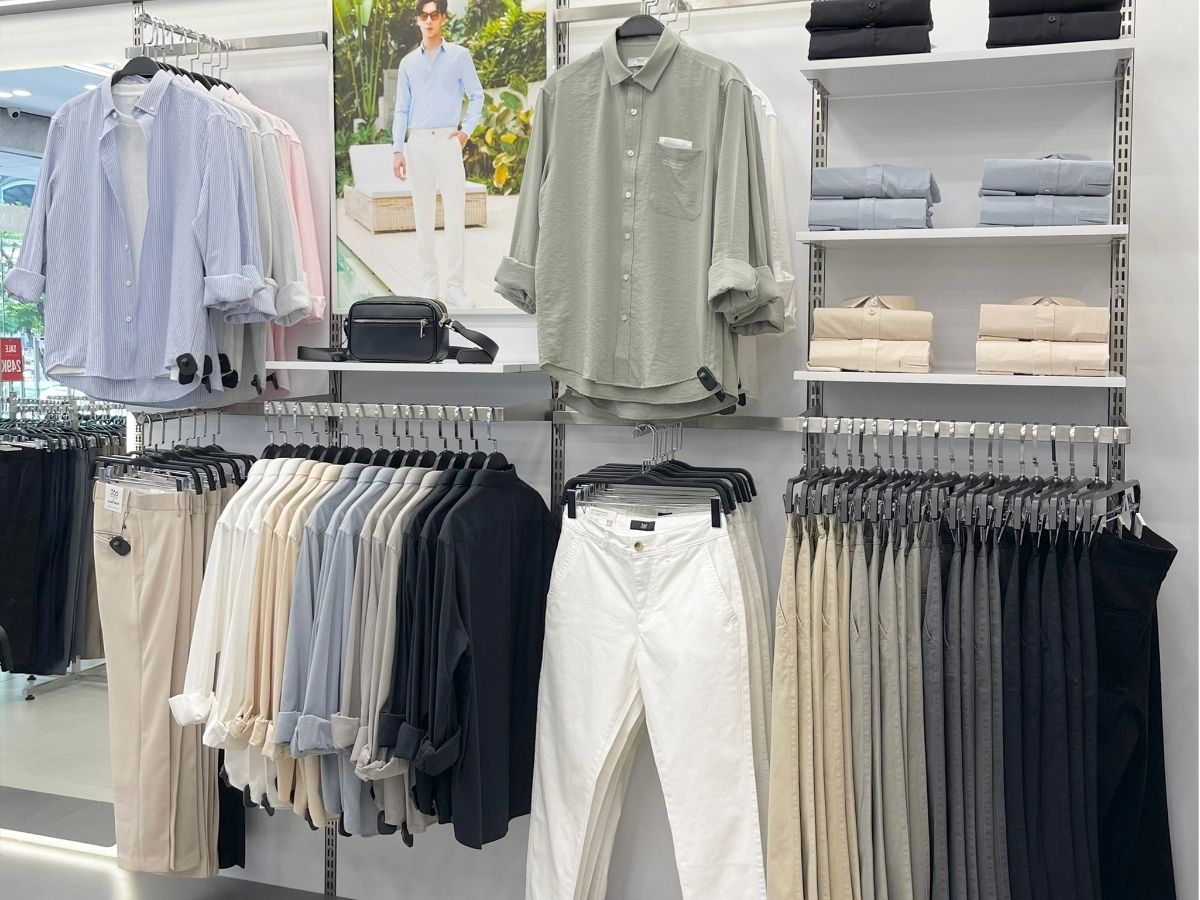 Effective sales closing techniques for the fashion industry
4. Effective sales closing techniques for the Education / Training services industry
The education/training industry sells the value of knowledge and outcomes, so trust is a decisive factor. Customers often carefully consider teaching quality, the center’s reputation, and the ability to achieve their learning goals.
Prove results with real data
-
Principle: Specific data and evidence help build customer trust.
-
How to apply: Show previous students’ score reports and certificates; goal achievement rates; videos/interviews with former students.
Example: “90% of our students achieve an IELTS score of 7.0 or higher after just 3 months of study.”
Connect directly with personal goals
-
Principle: Each student has different needs (studying abroad, work, certification exams…).
-
How to apply: Ask for their reason for studying and tailor the consultation accordingly.
Example: “This course will help you earn your PMP certification, qualifying you for a promotion to project manager.”
Reduce risk for the customer
-
Principle: Clear commitments help customers make decisions with peace of mind.
-
How to apply: Offer policies such as free retakes, refunds if results are not achieved, or the option to pause the course so customers can manage their time.
Example: “If your English proficiency does not increase by at least one level on the CEFR scale after completing the course, we will refund 100% of the tuition fee.”
Create a limited-time offer
-
Principle: Drive decisions with immediate benefits.
-
How to apply: Offer a tuition discount for registering within a specific period, or include a supplementary course or exclusive materials as a bonus.
Example: “Register before August 20th to receive a 15% discount on tuition and a free pronunciation course valued at 2 million VND.”

Effective sales closing techniques for the service/training industry
5. Effective sales closing techniques for the Technology / Software services industry
The technology/software industry focuses on solutions and business efficiency; customers are often interested in ROI (return on investment), features, and after-sales support services.
Live Demos and Trials
-
Principle: Hands-on experience is more persuasive than words.
-
How to apply: Organize a live demo or provide a free 7–14 day trial for customers to experience the features and effectiveness.
Example: “You can try the demo to see how revenue reports are generated in just 1 minute, with no manual data entry required.”
Demonstrate Value with Data
-
Principle: Business customers often make decisions based on measurable benefits.
-
How to apply: Clearly present data on cost savings, productivity increases, and operational error reduction when implementing the solution.
Example: “After using our software, Company A reduced invoice processing time by 35% and saved over 150 million VND/year.”
Flexible Service Packages
-
Principle: Not all customers have the same needs and budget.
-
How to apply: Create multiple service packages based on different scales and needs, allowing customers to upgrade gradually as their operations expand.
Example: “You can start with the 5-user package now, and later, when you expand, simply upgrade to the 15-user package without any re-implementation fees.”
Technical Support Commitment
-
Principle: Peace of mind regarding maintenance, updates, and support makes it easier for customers to close the deal.
-
How to apply: Provide 24/7 support services, commit to fast response times, and include a user training session and detailed guide materials.
Example: “Whenever the system encounters an issue, our technical team will respond within 30 minutes and provide immediate support to resolve it.”
 Effective sales closing techniques for the technology/software industry
6. Effective Sales Closing Techniques for the F&B Industry (Restaurants, Cafes)
The F&B industry is a sector where customers make quick decisions, heavily influenced by sight, smell, and on-site experience. Sales closing techniques should stimulate appetite and convenience.
Close During Golden Hours or Special Events
-
Principle: Time-limited offers create a sense of urgency, making it easier for customers to decide quickly.
-
How to apply: Organize a Happy Hour program (discounts during specific hours), lunch combos for office workers, or promotions for grand openings and holidays.
Example: “From 2 PM to 4 PM daily, all drinks are only 39,000 VND. Or during our opening week, get an immediate 20% off the entire menu.”
Suggest Best-Sellers
-
Principle: New customers often trust popular choices.
-
How to apply: Introduce dishes that are popular with many customers or are the establishment’s specialty.
-
Example: “95% of our returning customers order the caramel latte.”
Create Value Combos
-
Principle: Customers are more likely to buy when they feel they are getting a better deal.
-
How to apply: Combine a main dish with a drink or dessert at a discounted price.
Example: “The beef noodle soup + kumquat tea combo is only 69,000 VND, saving you 20% compared to ordering separately.”
Leverage Social Media
-
Principle: A shareable experience makes customers feel it’s “worth trying”.
-
How to apply: Encourage check-ins for a free dish, design visually appealing dishes to encourage customers to share on their own.
Example: “Just check in at the restaurant and post a photo of the dish on Facebook, and you’ll receive a free flan or extra toppings.”
 Effective sales closing techniques for the F&B industry
1Office CRM – A comprehensive customer relationship management solution for businesses
Customer management software 1Office CRM is an intelligent, professional tool that helps businesses effectively manage the customer lifecycle before, during, and after the sale. It is built on the criteria of: creating automated multi-channel care scenarios, setting up a Pipeline-style sales process, and segmenting customers into various scenarios for each sales representative.
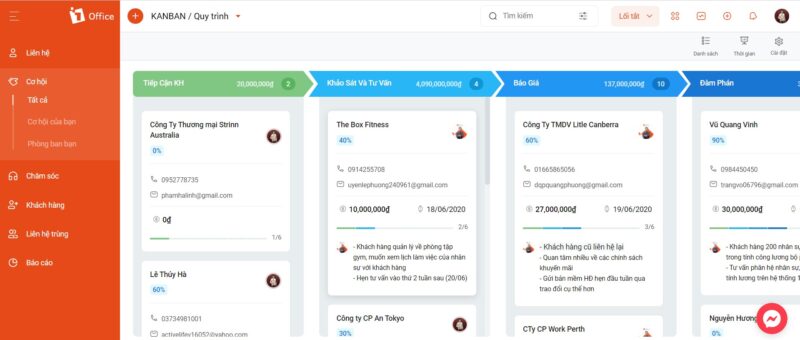
Key features of the CRM customer management software:
-
Marketing Campaign Management: Plan, implement, and track the effectiveness of each campaign in a synchronized manner.
-
Customer Information Management: Store, classify, and update customer data centrally for easy retrieval.
-
Track & Control Sales Process (Sales Pipeline): Monitor the progress of each sales opportunity to optimize the closing success rate.
-
Quick & Accurate Quotes & Contracts: Automatically generate standardized quotes and contracts with just a few clicks.
-
Schedule & Automate Customer Care: Send emails, messages, and care reminders according to pre-set scenarios.
-
Manage & Monitor Ticket Handling: Receive and assign customer requests and complaints for processing through a clear, transparent procedure.
Effective sales closing is not just a step in the sales process, but an art that combines the knowledge, skills, and finesse of each employee or business. A successful deal not only generates revenue but also enhances brand reputation, creates satisfaction, and fosters customer loyalty.
Frequently Asked Questions
What should a salesperson say when a customer is comparing with a competitor?
The salesperson should focus on clarifying the customer’s needs and highlighting the most relevant differentiators, rather than rushing into an argument about who is better.
How should you handle it when a customer says, “Let me think about it”?
The salesperson should ask what the customer is concerned about to address the specific issue, instead of ending the conversation too soon.
How long should a sales closing call last?
Usually around 15 – 30 minutes. The key is to stay on point, clarify needs, address concerns, and close on the next step.
When should a salesperson schedule a follow-up meeting instead of trying to close immediately?
When the customer lacks sufficient information, is not the decision-maker, or needs more time for internal discussion, the salesperson should request a follow-up meeting rather than forcing a close.
How should a manager track the team’s sales closing progress?
Managers should track progress on a centralized system to know which stage a customer is in, who is responsible, and what the next follow-up step is. You can refer to the 1Office CRM sales management software, which helps capture the entire sales process of sales staff, store customer information visually on a dashboard, and enhance the sales experience for the business
For more details, please visit:
Fanpage: https://www.facebook.com/1officevn/
Youtube: https://www.youtube.com/channel/UCeTIRNqxaTwk0_kcTw6SxmA
















