


 10/05/2026
  150 views
What is Viettel’s business strategy that helps this corporation maintain its leading position and continuously grow in the telecommunications sector while expanding into many other fields? The Group’s first notable success was building a distinct, unique, and easily recognizable brand. However, Viettel’s current strength is primarily due to its effective business strategy. So, what is Viettel’s business strategy? What factors contribute to its success? Let’s explore the details with 1Office in this article!
Mục lục
- 1. Introduction to Viettel Group
- 2. SWOT Analysis of Viettel
- 3. Detailed Analysis of Viettel’s Business Strategy
- 4. What type of business is Viettel?
- 5. Analysis of Viettel’s Competitors
- 5.4. Sustainable Competitive Advantage
- 6. Viettel’s International Expansion Strategy
- 7. Frequently Asked Questions
- 8. Conclusion
1. Introduction to Viettel Group
Viettel Military Industry and Telecoms Group (Viettel) is a state-owned enterprise operating in the national defense economic sector with 100% state investment capital. The Group inherits all legal rights and obligations as well as the legitimate interests of the former Viettel Military Telecommunications Corporation. Viettel, under the management of the Ministry of National Defence, is a military enterprise specializing in postal services, telecommunications, and information technology (IT).
Viettel is widely recognized by its slogan “Say it your way.” The corporation’s business strategy emphasizes sustainable development, and through this, Viettel continuously strives to improve and grow throughout its years of operation.

Viettel Telecom and Technology Group specializes in providing products and services in telecommunications and the internet; value-added services on the internet and mobile phones; and messaging, data, and entertainment information services on mobile platforms. Currently, Viettel is the enterprise with the largest customer base in Vietnam, with over 70 million users.
Viettel Telecom currently leads the market share in telecommunications services in Vietnam, with its flagship product being the Viettel Mobile network. The group’s main business areas include: telecommunications and information technology (IT) services; research and production of telecommunications electronic equipment; defense industry; cybersecurity; and digital service provision.
See more:
2. SWOT Analysis of Viettel
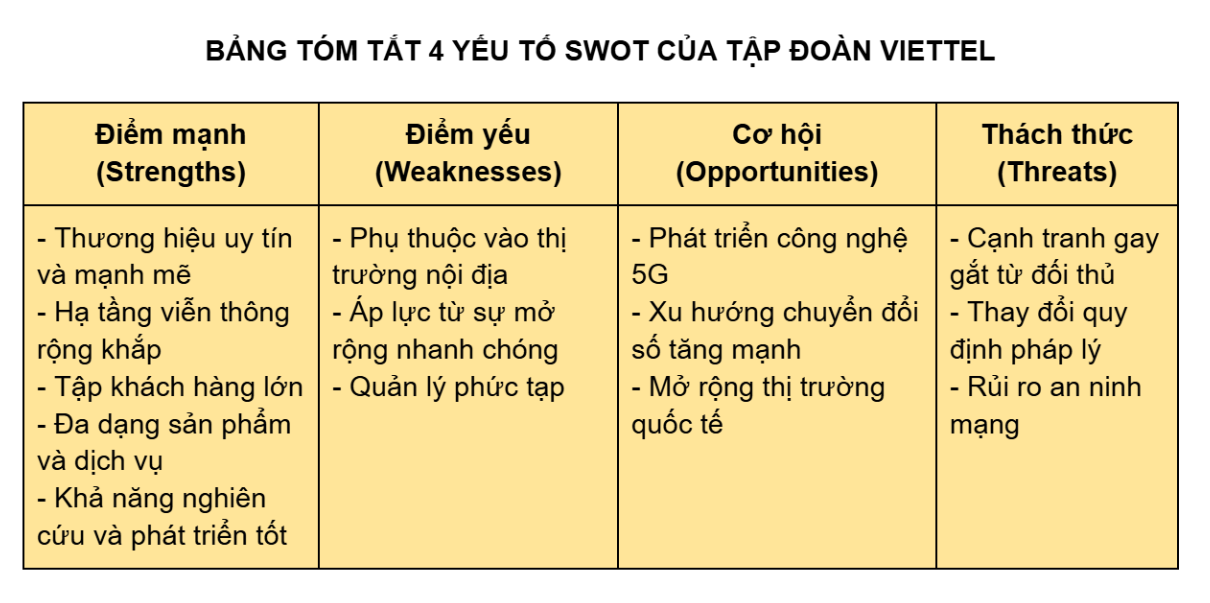
The SWOT model is a popular and useful tool that helps businesses analyze key internal and external factors to build appropriate strategies and business plans. For Viettel, the brand’s strengths, weaknesses, opportunities, and threats can be analyzed as follows:
2.1. Strengths
Regarding the strengths in Viettel’s business strategy, the brand can leverage its prominent advantages as follows:
- Large Investment Capital: As a state-owned enterprise, Viettel has abundant investment capital, allowing it to expand its infrastructure and invest in new technologies.
- Large Market Share: Viettel is currently the largest telecommunications service provider in Vietnam with a significant market share, ensuring stable revenue and profits.
- Extensive Network Coverage: Viettel has a widespread network covering the entire country, including remote and rural areas, enhancing its ability to reach customers in all regions.
- Product Diversification: In addition to telecommunications, Viettel also provides products and services in information technology, cybersecurity, and even education and healthcare through digital platforms.
- International Experience: Viettel has expanded its business operations to many countries, bringing international experience and a deep understanding of diverse markets.
2.2. Weaknesses
- Dependence on the domestic market: Despite expanding into some international markets, Viettel still relies heavily on the domestic market, which limits its growth potential in a globally competitive environment.
- Pressure from rapid expansion: Expanding too quickly into multiple sectors can lead to inefficient management and increased operational costs.
- Management complexity: With its large scale and diverse business lines, Viettel faces challenges in managing and coordinating its various business segments.
2.3. Opportunities
- 5G Technology Development: With the trend of 5G technology development, Viettel has the opportunity to continue leading the telecommunications industry and provide new services to customers.
- Digital Transformation Trend: The increasing demand for digital transformation in businesses and government agencies opens up great opportunities for Viettel to provide digitalization and information technology solutions.
- International Market: Expanding into foreign markets, especially developing countries, can help Viettel reduce its dependence on the domestic market and achieve more sustainable growth.
2.4. Threats
- Intense Competition: Viettel faces strong competition from domestic and foreign rivals, including international telecommunications companies and other technology service providers.
- Legal Regulations and Policies: Changes in government policies and regulations can affect Viettel’s business operations, especially in the technology and telecommunications sectors.
- Cybersecurity Risks: With the rapid development of digital technology, cybersecurity threats are increasing, which can affect Viettel’s reputation and operations.
3. Detailed Analysis of Viettel’s Business Strategy
3.1. Viettel’s Business Philosophy
Viettel’s business philosophy revolves around three main principles:
- Pioneering and Breakthrough: Viettel always leads in applying modern technology, creating new solutions to produce high-quality products and services at reasonable prices, meeting the needs and choices of customers.
- Listening and Accompanying: Viettel values listening to each customer as a unique individual, working with them to develop increasingly complete products and services.
- Reaching Out to the World: Viettel brings its best to foreign markets, with the spirit of a soldier who is not afraid of difficulties, ready to conquer new and challenging markets.
3.2. Viettel’s Strategic Business Objectives

Viettel has set the following main objectives in its business strategy:
- Becoming a key enterprise and creator of a digital society in Vietnam: Viettel strives to achieve a service revenue of 100 trillion VND by 2025.
- Transforming Viettel Telecom into a leading digital telecommunications enterprise: Viettel Telecom aims to become number one in service and customer experience in Vietnam, leading in 5G technology and developing infrastructure suitable for the Industry 4.0 Revolution.
- Perfecting the ecosystem of digital products and services: Viettel aims to achieve a revenue share comparable to competitors in the region and worldwide, focusing on product and service innovation, digitizing sales activities, and being customer-centric. At the same time, the group will train a team of experts and managers to obtain international certifications in business, management, engineering, and information technology.
3.3. Competitive Advantages
Viettel is leveraging the following key competitive advantages to succeed in the market:
- Product Differentiation: Innovation is a core element for Viettel. Tariff plans like Tomato and Ciao reflect the “Sharing – Creating” philosophy to meet the diverse needs of customers.
- Preferential Pricing: Viettel pursues the goal of bringing telecommunications to all Vietnamese people through preferential tariff plans and attractive promotional programs.
- Customer-Centric Approach: A well-defined positioning strategy with the criterion “customers first, us second” is a key factor in Viettel’s success.
- Creating New Demand: Viettel not only meets existing customer needs but also creates new products, encouraging customers to recognize and use those services.
3.4. Scope of Viettel’s Business Strategy
To compete effectively, Viettel’s business strategy focuses on identifying the market segments the brand targets. Viettel prioritizes specific customer groups and geographical areas to provide its products. Based on this strategic scope, the company researches and develops products that align with customer tastes and needs.
When first entering the telecommunications market, Viettel chose to focus on low-cost products and services for low-income earners. This was a segment with low competition but high potential.
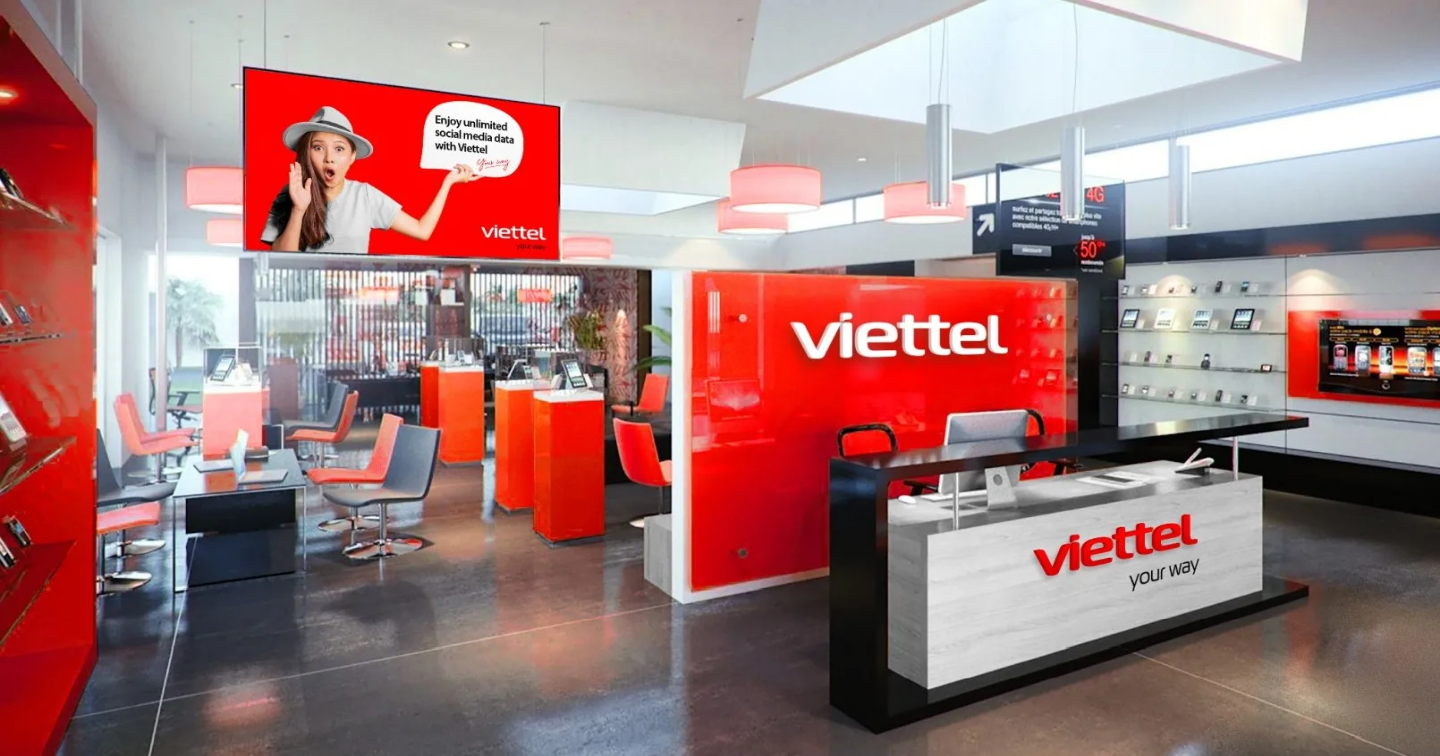
Viettel has achieved significant success both domestically and internationally by investing in telecommunications networks in remote and rural areas that previously lacked phone signal access. This strategy of targeting niche markets, though small, offered strong growth potential.
3.5. Viettel’s Strategic Business Activities
Research and Development
From the moment it entered the market and began providing telecommunications services in 2000, Viettel identified research and development as a key factor for continuous innovation and growth.
To master technology and production research, Viettel adopted a method of in-house development combined with technology transfer from partners and collaboration with experts. At the same time, it established research units abroad, then transferred the research results back to Vietnam in the form of specific products and crystallized knowledge.
Technology and Engineering
Technology and engineering are pillars of Viettel’s business strategy, always held to the highest standards of innovation and advancement. From applying modern telecommunications technology to encouraging technical initiatives, Viettel continuously enhances its production and business performance. With a mindset of mastering technology and fostering creativity, Viettel leads in adopting new technologies and upgrading infrastructure, ensuring optimal customer service and continuing to pioneer the Industry 4.0 Revolution.
Human Resource Management
Viettel has implemented effective human resource management policies and solutions to encourage and promote the roles and responsibilities of its staff and employees throughout the group. This contributes to advancing the strategy of researching and mastering technology, and developing new technologies unique to Viettel.
Viettel employees not only learn and absorb the best of global telecommunications technology but are also capable of creating and developing new technologies, and even exporting them to advanced telecommunications markets.

During the recruitment process, Viettel places special emphasis on selecting individuals who fit the corporate culture. Candidates are selected not only based on their work skills but also on their alignment with the group’s values and culture. This ensures that personnel not only have the necessary skills but can also integrate and contribute effectively.
Viettel also regularly screens its staff to remove individuals who are not a good fit or do not meet job requirements, while encouraging employees to recognize and improve their weaknesses to avoid falling behind.
The human resource management culture at Viettel includes criteria such as high work morale, determination, a sense of responsibility for completing tasks, and alignment with the group’s core values. These criteria are not only the foundation of the recruitment process but also play a crucial role in ensuring work efficiency.
3.6. Viettel’s Marketing Strategy
Regarding Marketing management within Viettel’s business strategy, the brand has implemented its marketing strategies based on the 4P Marketing Mix model.
Product
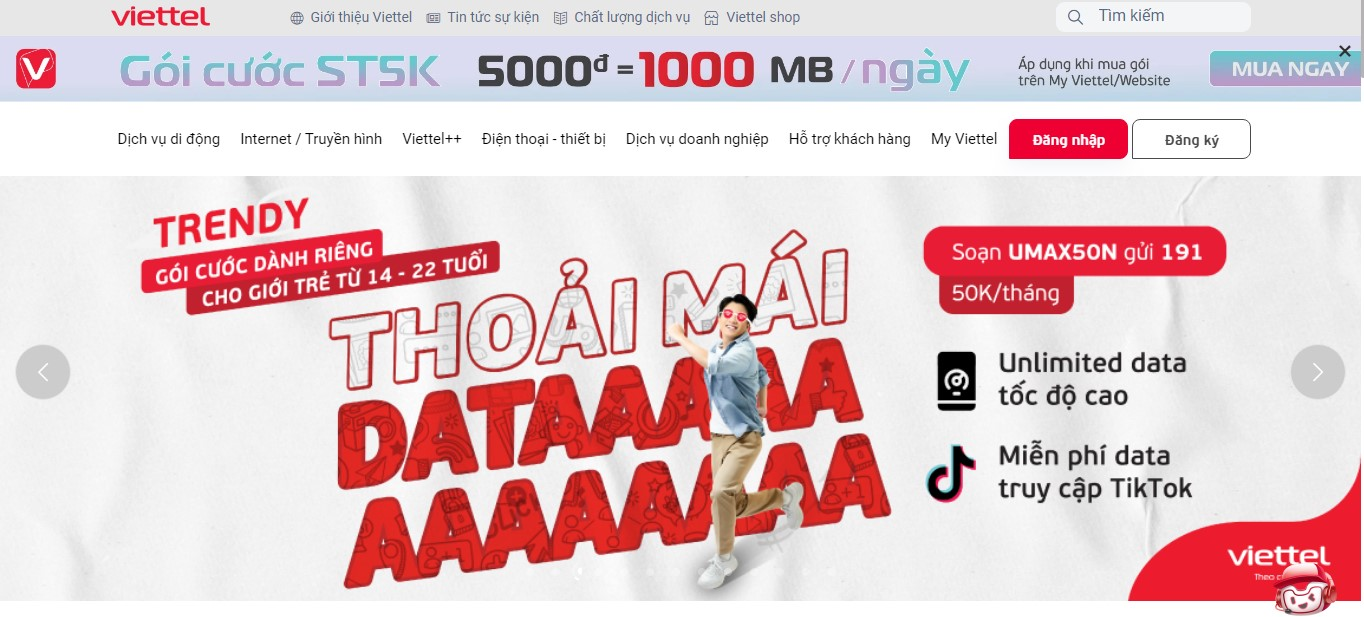
Operating in multiple sectors, Viettel’s diverse product structure is understandable. This diversity helps Viettel compete effectively in both domestic and international markets. At the same time, Viettel’s customers are always interested in the products and services the company offers. Therefore, Viettel’s business strategy includes product development plans to meet customer needs and preferences.
In terms of quality, Viettel Group evaluates everything from input to output. Therefore, ensuring that inputs meet standards and that services are delivered with the most modern and advanced technology is a prerequisite.
Price Strategy
Pricing decisions are closely coordinated with product design and distribution decisions to create a unified and highly effective marketing campaign. With a low-pricing strategy, the prices of services and products offered by Viettel are very attractive, helping Viettel compete effectively with major rivals.
The company applies the most competitive rates, with Viettel’s service packages being truly appealing and suitable for various customer segments. The unique packages that Viettel offers are services that no other telecommunications company has.
Distribution System (Place)
With its efforts to install broadcast stations nationwide and its unique customer approach, Viettel has secured the number one position in the telecommunications market. Currently, Viettel leads in the number of mobile subscribers with over 22 million, accounting for more than 42% of the market share.
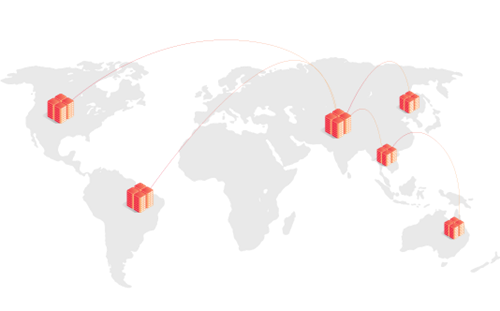
Additionally, Viettel has become the company with the widest network coverage, with approximately 12,000 transceiver stations. Viettel’s coverage not only includes major cities but also extends to rural areas, remote islands, and rugged mountainous regions.
Promotional Mix Strategy (Promotion)
Viettel always knows how to launch advertising and promotional programs at the right time and for the right audience to encourage consumers to use its services and products more. In addition to promotions, Viettel also offers many other incentives, such as:
- Service incentives: VIP customers receive dedicated service at Viettel stores and have the Roaming deposit waived.
- Cost incentives: Customers can convert points into cash, receive fee waivers or reductions when using service packages, and get annual birthday gifts.
Viettel is also notable for its many programs that bring social benefits and humanitarian policies, with a special focus on the poor and children. With a responsible business philosophy, Viettel has created opportunities for millions of students, teachers, and other key individuals to access science, technology, and modern knowledge.
Every year, Viettel donates billions of VND to support the poor through programs like “Connecting the Great Circle” at the end of the year. Viettel also actively participates in fundraising for the “A Heart for a Child” program, helping children with congenital heart defects get surgery for a healthier heart.
4. What type of business is Viettel?
Viettel is a state-owned economic group managed by the Ministry of National Defense/the Army, operating primarily in telecommunications, information technology, cybersecurity, and the defense industry. In terms of organizational structure, Viettel operates under a parent-subsidiary (holding) model with many subordinate units specializing in various fields: mobile networks, data infrastructure, IT solutions, equipment manufacturing, and digital services, while also having a presence in many international markets.
4.1. Legal Status and Business Type
Viettel (Military Industry and Telecoms Group) is a major state-owned enterprise in Vietnam, established and operated under the management of a state agency (related to the Ministry of National Defense). It is not a purely private company or a startup—Viettel has a wide scope of operations, significant financial resources, and responsibilities in both economic and national security aspects. Therefore, Viettel’s activities are often linked to public policy and national strategies for digital infrastructure, cybersecurity, and technology development.
4.2. Organizational Model: Parent Company — Subsidiary
Viettel operates under a corporate group model: a parent company (the group) coordinates strategy and investment, with many subsidiaries, departments, and member units specializing in specific business areas below it. The subsidiaries are typically responsible for:
-
Operating mobile and data networks (telecommunications services for individuals and businesses).
-
Data center infrastructure (IDC), cloud, and big data services.
-
Developing software and digital transformation solutions for businesses and governments.
-
Manufacturing telecommunications equipment, IoT solutions, and cybersecurity devices.
-
Digital financial services, fintech, and electronic payments.
-
Ancillary sectors: logistics, e-commerce, digital health, and digital education.
This structure allows Viettel to both concentrate resources for R&D and core infrastructure investment, and delegate authority to independent units to operate according to market specifics.
4.3. International Scope of Operations
Viettel not only operates domestically but also expands abroad through direct investment and the establishment of subsidiaries or joint ventures. The group is currently present in many markets in Asia, Africa, and Latin America, with local brands and services operated by Viettel’s units. Operating multinationally helps Viettel both expand its revenue and learn from international technology and management practices.
4.4. Identifying Characteristics Compared to Other Business Types
-
Unlike private companies: Viettel has greater responsibility for public policy and national security, and may receive support/coordination from the state for strategic projects.
-
Unlike purely state-owned enterprises: Viettel operates based on market logic, competing directly with domestic and regional private corporations, while still maintaining a military-style organizational structure in its governance.
-
Unlike startups/SMEs: Viettel is a multi-industry corporation with large investment capacity, an extensive R&D system, and modern infrastructure.
5. Analysis of Viettel’s Competitors
To maintain its position as the #1 telecommunications group in Vietnam, Viettel not only relies on its infrastructure advantages or investment scale but also must constantly analyze competitive developments in the industry. The current market landscape includes not only traditional network operators (Vinaphone, MobiFone) but also a new wave of technology and financial platforms like MoMo, ZaloPay, and VNPT Money. A comprehensive assessment of these competitor groups helps clarify Viettel’s position and the factors that create a sustainable competitive advantage.
5.1. Comparison of Viettel and Vinaphone
Vinaphone is Viettel’s strongest traditional competitor, especially in large urban areas where high-paying customer groups are concentrated.
Vinaphone’s Strengths
-
Possesses a large infrastructure system and a stable technical platform thanks to VNPT.
-
Good service quality in urban areas – regions with high data usage demand.
-
Long-standing brand with strong recognition.
-
The Internet – television – fixed-line service ecosystem has been consistently invested in for many years.
Limitations Compared to Viettel
-
Slow to expand coverage in rural and remote areas – where Viettel has a dominant advantage.
-
The digital ecosystem is not diverse and lacks depth in areas like Cloud, AI, and IoT.
-
Less flexible in service integration and digital platform development.
Assessment:
Vinaphone is strong in urban areas, but Viettel is comprehensively superior due to its wide coverage, rapid technology deployment, and multi-layered digital ecosystem, creating a long-term competitive advantage.
5.2. Comparing Viettel with MobiFone
MobiFone was once the market-leading brand, but in recent years, its growth has been slow and lacked momentum.
MobiFone’s Strengths
-
High voice quality and connection stability.
-
Has a large, loyal customer base that has been with them for many years.
-
Customer care service is highly rated.
Limitations When Compared to Viettel
-
Does not invest heavily in new digital technology fields like Cloud, AI, and IoT.
-
Slow 4G and 5G deployment, lacking breakthroughs.
-
No international expansion strategy.
-
Limited service ecosystem, still primarily focused on traditional telecommunications.
Overall Assessment
MobiFone still maintains its image as a “high-quality network provider,” but is no longer competitive in the digital era – where Viettel leads in technological innovation and ecosystem expansion.
5.3. New Technology Competitors (MoMo, VNPT Money, ZaloPay…)
Besides traditional network providers, Viettel also has to compete with fintech platforms – a group that holds a large market share in digital payments.
MoMo
-
Diverse ecosystem of payment – entertainment – financial services.
-
The largest user base among e-wallets.
-
Directly competes with Viettel Money in the consumer payment segment.
VNPT Money
-
Possesses an existing customer base from VNPT’s Internet/Television services.
-
Similar approach model to Viettel Money.
-
Easy to expand among middle-aged customers and households.
ZaloPay
-
Leverages the Zalo ecosystem with tens of millions of users.
-
Strong in online payments, mini-apps, and super-app services.
-
Has an advantage in e-commerce integration.
E-wallets do not compete directly in the telecommunications sector, but they threaten the digital finance segment – one of Viettel’s core strategies. This forces Viettel to continuously develop value-added services, further expand its fintech solutions, and build an interconnected digital ecosystem.
5.4. Sustainable Competitive Advantage
Despite diverse competitors, Viettel maintains its number 1 position thanks to a system of sustainable advantages that are very difficult to replicate:
Largest Telecommunications Infrastructure in Vietnam
-
Nationwide coverage, especially strong in rural, border, and island areas.
-
Early investment in 5G and next-generation core network technology.
Comprehensive Digital Ecosystem
Includes:
-
Telecommunications – Internet
-
Cloud, AI, Big Data
-
IoT – enterprise solutions
-
Digital Finance (Viettel Money)
-
Defense industry – high-tech research
This ecosystem helps Viettel create a closed-loop value circle, far exceeding the traditional network operator model.
Technological Autonomy Capability
Viettel has the ability to self-research and produce 5G equipment, digital platforms, and IoT solutions, something that neither Vinaphone nor MobiFone possesses.
Strategy for Pioneering Difficult Markets
-
Always prioritizes markets with significant challenges but few competitors.
-
Implements the “go deep – go far – go first” model to capture the market with speed.
Distinctive Corporate Culture
Viettel builds a culture with military DNA:
-
Discipline
-
Speed
-
Creativity
-
A pioneering spirit for entering new markets
This is the foundation that helps Viettel complete large-scale projects that few private enterprises can undertake.
6. Viettel’s International Expansion Strategy
International expansion is the strategic hallmark that creates the biggest difference between Viettel and other Vietnamese corporations. It is also a crucial source of growth, helping Viettel become a top telecommunications brand in the region.
6.1. The “Tackle Difficult Markets First” Mindset
Viettel chooses countries with challenging economic and political conditions, such as:
Mozambique, Tanzania, East Timor, Cambodia, Laos, Myanmar, Peru…
This strategy stems from:
-
Fewer competitors, making it easier to gain a large market share.
-
High demand for telecommunications, providing opportunities for rapid growth.
-
Lower market entry costs compared to saturated countries.
This is considered a bold mindset that has helped Viettel quickly establish a strong position in many countries.
6.2. Business Results in International Markets
Many of Viettel’s brands have achieved leading positions:
-
Metfone (Cambodia): Number 1 network operator.
-
Unitel (Laos): Largest market share, strong brand.
-
Viettel Peru: Rose to the top 2 in subscriber growth rate.
-
Movitel (Mozambique): Won the “Best African Operator” award for its social contributions.
Viettel’s foreign revenue has continuously maintained its growth momentum and contributes significantly to the group’s total profit.
6.3. Product Localization Strategy
The factor behind Viettel’s success in various countries is not technology, but adaptability:
-
Adjusting service plans to suit local income levels.
-
Recruiting, training, and empowering local labor with management roles.
-
Building a service network adapted to local terrain and customs.
-
Partnering with the host country’s government on IT projects.
Through a “thorough localization” approach, Viettel has built trust and support among the local population.
6.4. Success Stories from Peru, Mozambique, and Cambodia
Viettel’s internationalization journey is marked by many outstanding achievements, especially in Cambodia, Mozambique, and Peru—three markets with different socio-economic characteristics but all offering valuable strategic lessons. The success here demonstrates that Viettel’s model of “entering difficult markets,” based on infrastructure, speed of deployment, and a localized approach, is both suitable and effective.
Cambodia – Metfone: Building Infrastructure to Secure the #1 Position
Metfone is one of Viettel’s most successful projects in Southeast Asia, quickly becoming the #1 network operator in Cambodia just a few years after its launch.
Factors contributing to success:
-
Large-scale infrastructure investment and nationwide coverage:
Viettel deployed a network of fiber optic cables and BTS stations to border areas and remote regions—areas often overlooked by competitors. -
“Infrastructure first, services later” strategy:
Prioritizing infrastructure quality allowed Metfone to offer stable connection speeds, building user trust from the very beginning. -
Building a brand connected to the community:
Metfone became a brand “for Cambodians” through CSR activities, sponsoring education, and supporting telecommunications infrastructure for the government, military, and hospitals.
Comprehensive infrastructure investment and building a local brand image were key to helping Viettel capture the market faster than other international companies.
Mozambique – Movitel: “Cover First, Monetize Later”
Mozambique is a prime example of Viettel’s business philosophy when entering a developing market: expand coverage before optimizing profits.
The differentiating strategy:
-
Over 70% of sales points located in rural areas:
This customer segment was almost completely ignored by competitors, creating an opportunity for Movitel to become the only operator present in areas far from urban centers. -
Extensive infrastructure investment:
Movitel’s network of BTS stations and fiber optic cables was deployed at high speed, bringing coverage to areas that previously had almost no telecommunications services. -
Becoming the “network for everyone”:
People in rural areas quickly chose Movitel due to its stable service quality and easy accessibility.
Focusing on the underserved market can help a new business surpass competitors who have dominated the market for years.

Peru – Viettel Peru (Bitel): Competing Head-On with Latin American Giants
Peru is one of the most fiercely competitive markets in Latin America, where Viettel had to face long-established telecommunications corporations with strong resources.
Factors leading to success:
-
Differentiation through value and service quality:
Bitel offered competitive plans with large data allowances, tailored to the youth market and working-class individuals—groups that were less of a focus for long-standing operators. -
Exceeding expectations in customer care:
Investing heavily in customer experience, a local support team, and fast service processes. -
Modern infrastructure system:
Bitel was one of the first carriers to provide widespread 4G coverage in Peru, creating a significant advantage in access speed.
In a highly competitive market, new businesses can still break through if they know how to tap into underserved market niches and focus on building clear differentiation in their plans and services.
7. Frequently Asked Questions
8. Conclusion
To become one of today’s leading telecommunications corporations, Viettel has built and implemented effective business strategies. The main activities in Viettel’s business strategy include:
- Research and development
- Engineering and technology
- Human resource management
- Marketing management
We hope this article helps you better understand Viettel’s successful business strategies and that you can use it as a reference to implement suitable strategies for your own business.
















