10/05/2026
  136 views
Vertical management is a familiar model in many businesses, but not everyone clearly understands how it differs from horizontal management and in which contexts it is suitable. If you want to understand what vertical management is, its pros and cons, and how to apply it, this article will help you quickly grasp the most important points.
Mục lục
- 1. What are vertical and horizontal management?
- 2. What is the smart choice: vertical or horizontal management?
- 3. Master the 6 Principles of Vertical Human Resource Management
- 4. Master the 5 Principles of Horizontal Human Resource Management
- 5. Why do businesses need to clearly understand vertical & horizontal management?
- 6. When to apply a vertical or horizontal management model?
- 7. Optimize HR Management Operations with 1Office Software
- 8. Frequently Asked Questions about Vertical and Horizontal Management Models
- 9. Conclusion
1. What are vertical and horizontal management?
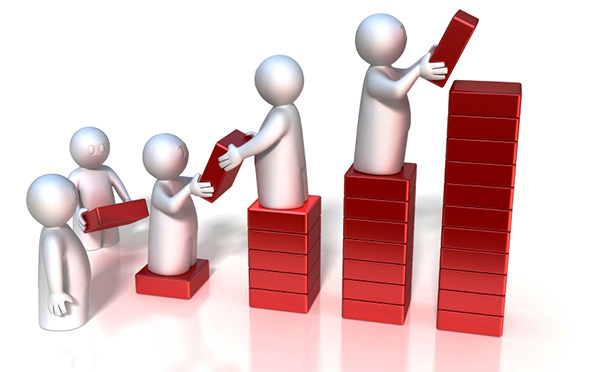
Vertical and horizontal management are two opposing organizational models: vertical management focuses on a top-down hierarchy of authority, while horizontal management emphasizes equal collaboration and flexible teamwork.
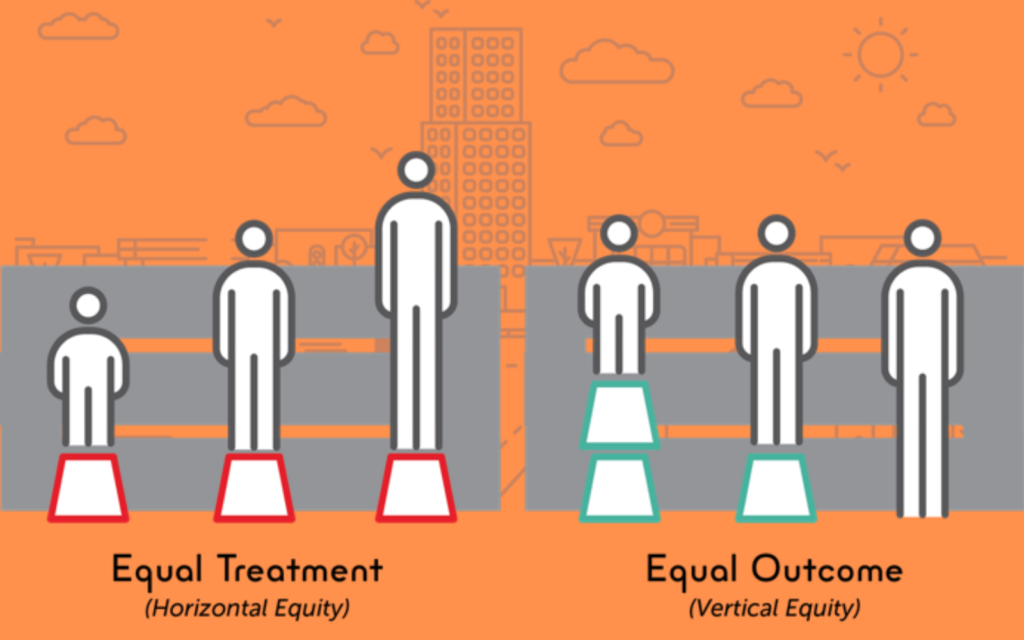
1.1 Vertical Management
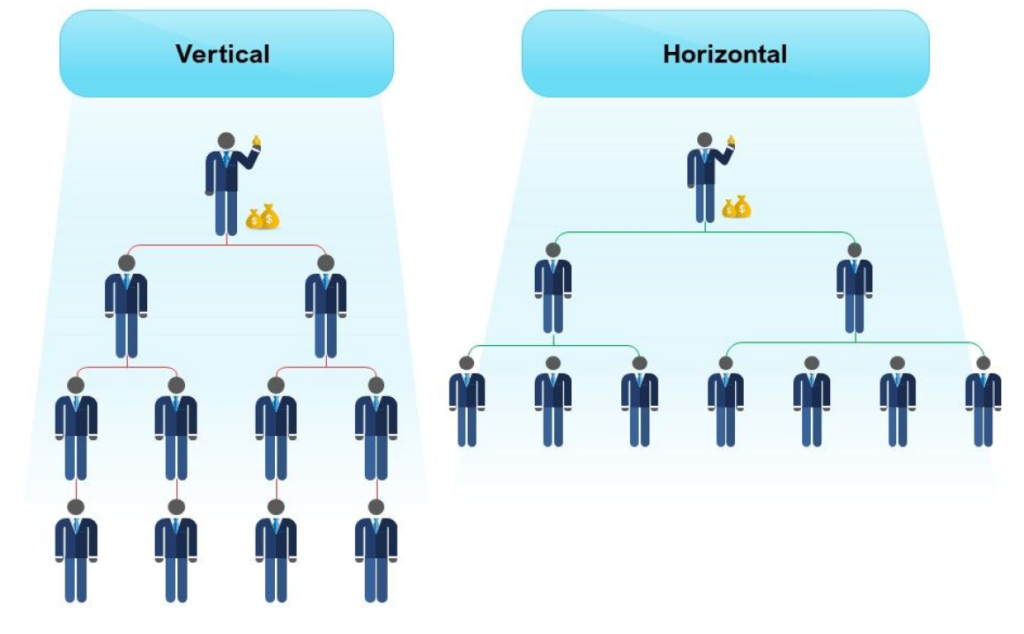
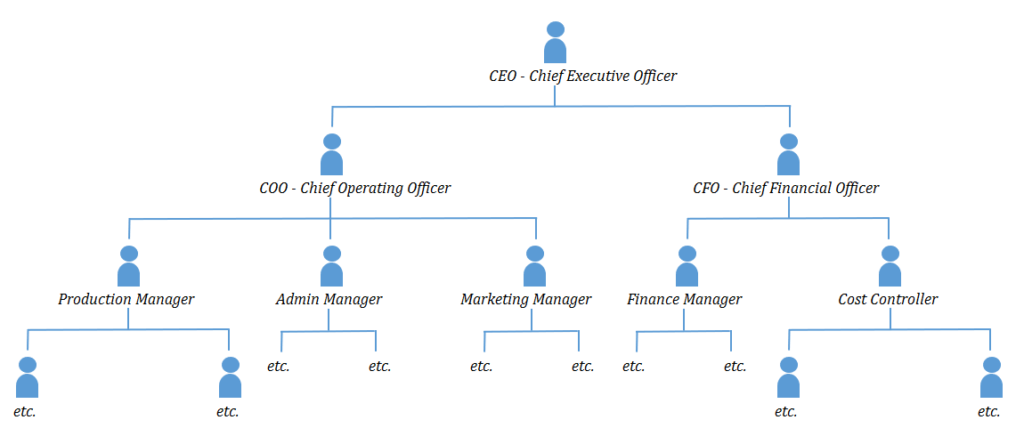
Vertical management is a management method that focuses on top-down direction and control within an organization. It concentrates on defining roles, delegating responsibilities and authority, and establishing hierarchies and work processes. Vertical management is often accompanied by a clear organizational structure, where information is shared through specific channels and rules and regulations are clearly defined.
Example: In a business, the organizational structure is established with clear levels and titles: the CEO is at the top, followed by functional directors such as the sales director, finance director, etc. Under each functional director are the heads of different departments, such as the sales department, marketing department, etc. Work processes have clearly divided responsibilities and are defined within each work group. Information and decisions are primarily passed down from upper to lower levels.
1.2 Horizontal Management
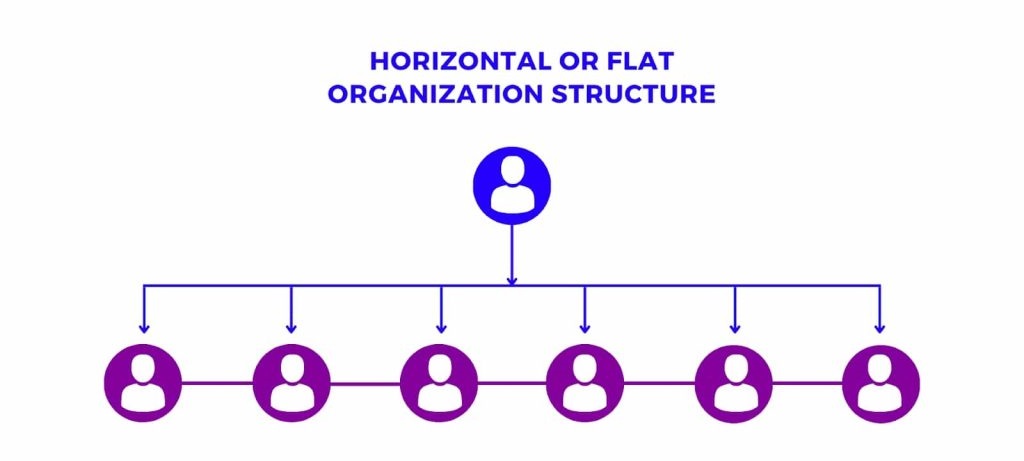
Horizontal management, also known as peer management or project-based management, focuses on teamwork and peer collaboration within an organization. Instead of a clear division of power and responsibility, horizontal management creates a dynamic, flexible, and competency-based work environment. Members of the organization are encouraged to express ideas, share knowledge, and work together to complete common projects and tasks.
Example: In a software project, a team of employees with different skills and expertise is organized to work together. Team members work directly with each other to divide tasks, interact, and share knowledge. The management structure is flat and open, with no formal hierarchy, and work processes are flexible to adapt to rapid changes in the project.
1.3 Differentiating Between 2 HR Management Models: Vertical & Horizontal
| Criteria | Vertical Management | Horizontal Management |
| Equality or Hierarchy | Clear hierarchical division within the organization, where each position is responsible for managing and directing lower positions to clearly define the roles and responsibilities of each member. | Emphasizes equality, with no clear hierarchical division, and members may have equivalent roles in decision-making and management. |
| Rigid Boundaries or Spirit of Sharing | There are clear boundaries between management levels and employees. Power and decision-making are concentrated at higher management levels and are passed down through each level. | Promotes a spirit of sharing and collaboration, with no rigid boundaries, allowing members to participate in collective decision-making and management. |
| Level of Information Transparency | This model has a lower level of information transparency. Information and decisions are typically communicated from higher management down to lower levels through an internal communication channel. | The horizontal management model has a higher level of information transparency, with information shared openly and directly among members of the organization. |
| Suitable for Businesses | Suitable for traditional organizations, large enterprises, government organizations, or traditional industries. | Suitable for startups, organizations with multiple projects, complex work, or organizations that prioritize continuous creativity and innovation. |
Comparison table of Vertical & Horizontal HR Management models
>> See more: What is HR 4.0? HR management trends in the digital age
2. What is the smart choice: vertical or horizontal management?
There is no single answer to which model is smarter, because the optimal choice lies in balancing the discipline of vertical management with the flexibility of horizontal management to suit the scale, culture, and strategic goals of each business.
2.1 Pros and cons of the Vertical Management model
Advantages of the Vertical Management method:
- Clear authority and responsibility helps to clearly define the roles and responsibilities of each member in the organization, making it faster and more time-efficient for managers to track work progress. It also creates a clear working environment, without ambiguity or shifting responsibility for results.
- Structure and direction: when power is concentrated at the management and leadership levels, decision-making becomes faster and more effective, especially in situations requiring strong leadership. This helps the organization maintain control and take effective steps.
- Division of responsibility and expertise by hierarchy, assigning tasks based on the abilities and skills of each employee. This is a key advantage of the Vertical Management model, as it promotes personal development and motivates employees, since everyone wants to achieve a higher position in their career.
Disadvantages of the Vertical Management method:
- Lack of flexibility and adaptability to the rapid changes in the business environment. The decision-making process often has to go through multiple levels, which is time-consuming, slowing down progress and complicating the decision-making process.
- Lack of motivation and creativity because power is concentrated at higher management levels, which does not create conditions for employees to contribute ideas and participate in decisions, nor does it allow for autonomy in managing their work.
- Difficulties in communication: with power and information concentrated at higher management levels, effective communication becomes difficult. Information can be restricted or altered as it is passed down through different levels and departments, leading to information loss or misunderstandings.
- Lack of consensus and team spirit within the organization, as hierarchical boundaries and power dynamics can create competition and conflict among members. This can negatively affect cooperation and positive interaction within the organization.
2.2 Pros and cons of the Horizontal Management model
Advantages of the Horizontal Management method:
- Enhanced collaboration and consensus among members of the organization, thereby creating a positive work environment that encourages creativity and input from all members.
- Increased flexibility and adaptability to rapid changes. Decisions can be made quickly and flexibly based on agreement and consensus from members within a project or the organization.
- Encourages creativity and innovation: everyone is encouraged to participate in the decision-making process, contribute opinions, and express new ideas, which helps the organization find creative solutions and improve work performance.
Disadvantages of the Horizontal Management method:
- Lack of clarity in responsibility division: because there is no clear hierarchy, it can be difficult to determine who is responsible and has decision-making authority in each area.
- Requires consensus and interaction among members of the organization. This can be time-consuming and requires flexibility and discipline to achieve consensus.
- Difficulty in management and direction: due to the decentralization of power and decision-making, it can be challenging to lead and direct the organization. Therefore, clear coordination and structure are needed to ensure activities are carried out reasonably and effectively.
- Lack of focus and efficiency in decision-making: because power is distributed equally, the decision-making process can become lengthy and inefficient. Achieving consensus from all members can be a process that requires significant time and effort.
>> Read more: A-Z Guide to Standard Human Resource Planning Steps
3. Master the 6 Principles of Vertical Human Resource Management
3.1 Organizing and Delegating Work
Managers need to monitor and assign tasks and roles to each member of the organization. This ensures certainty and clarity about who does what and who is responsible during the work process.
3.2 Sharing Authority and Responsibility
Provide authority and responsibility to each management level and employee based on their roles and responsibilities, thereby ensuring decentralization and autonomy in decision-making and work execution.
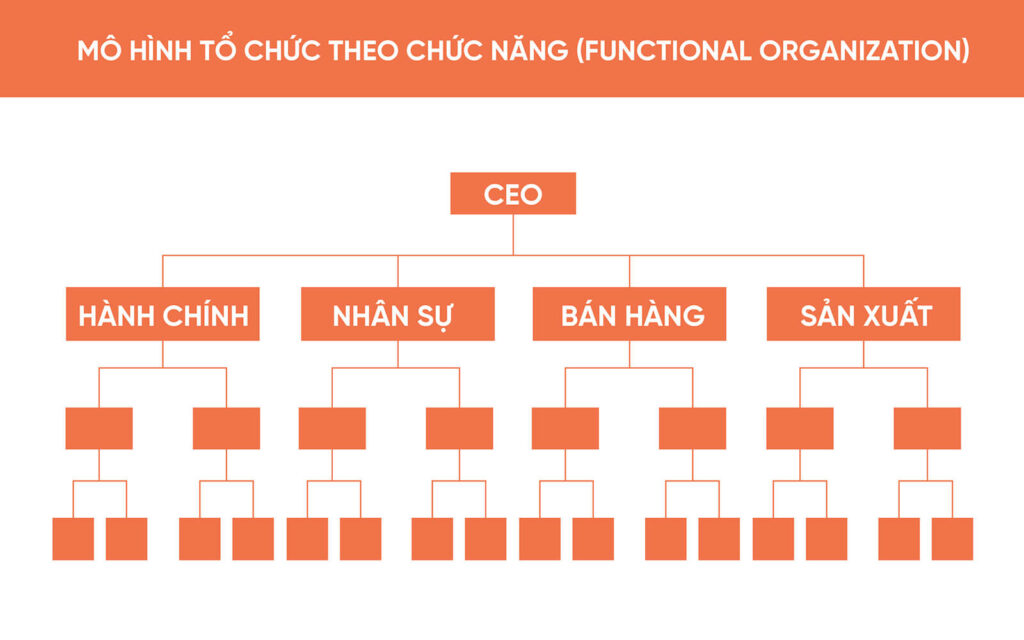
3.3 Creating a Clear Organizational Structure
Define and establish a clear and logical organizational structure, including divisions, departments, and the relationships between them. The organizational structure helps define the flow of work, information, and authority within the organization.
3.4 Clearly Defining Goals and Expectations
Set clear goals and define performance and achievement expectations for each employee and team. This helps create motivation and guidance for employees in achieving goals and meeting expectations.
3.5 Employee Training and Development
Invest in employee training and development to enhance their skills, knowledge, and expertise. Training helps employees grow and work effectively in their roles while contributing to the organization’s success.
3.6 Creating a Positive Work Environment
Build a positive work environment and encourage collaboration and cohesion among members of the organization. A positive environment will create motivation, boost morale, and increase employee satisfaction.
4. Master the 5 Principles of Horizontal Human Resource Management
4.1 Independence and Personal Responsibility
Members of the organization should be encouraged to take on responsibility and authority to make decisions within the scope of their work. This principle creates an independent, creative work environment that emphasizes personal accountability.
4.2 Leadership as a Support Provider
In a horizontal management model, leaders are seen as supporters, mentors, and facilitators for employee development. They create a trustworthy environment and encourage personal growth.
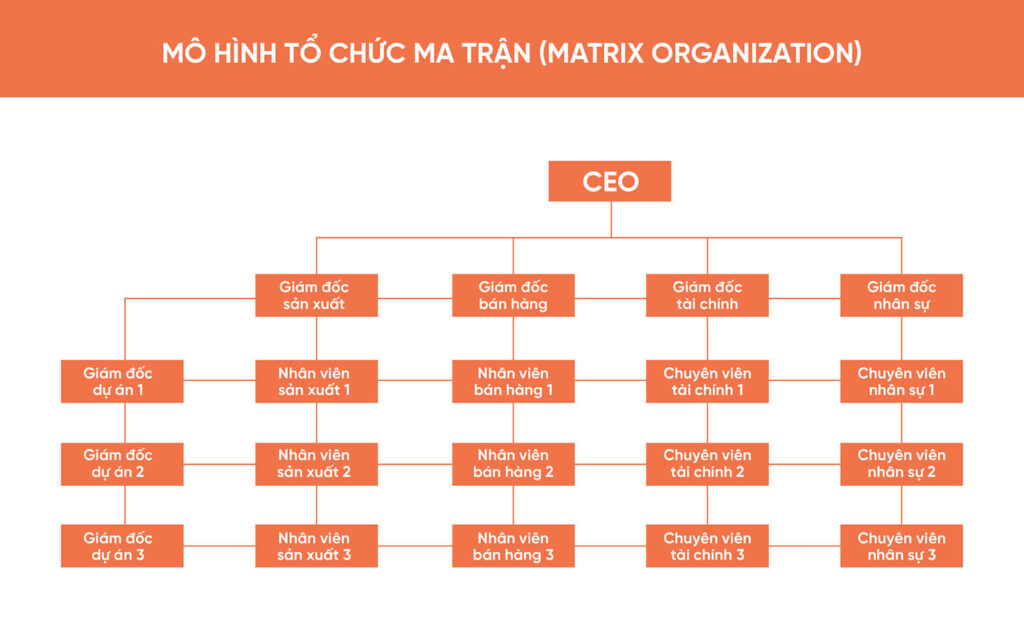
4.3 Decentralization and Effective Team Collaboration
Distribute power and responsibility in a peer-to-peer structure, allowing all members of a project or organization to participate and make decisions. This creates a supportive environment for mutual learning while encouraging autonomy and responsibility for each member.
4.4 Personal Development and Innovation at Work
Businesses should have policies that encourage personal development and innovation at work. Provide learning, training, and skill development opportunities for each employee so they can enhance their work capabilities and contribute creatively to the organization.
4.5 Transparent and Fair Performance Evaluation
Implement a fair and transparent performance evaluation system based on specific criteria for each project and task. Note that performance evaluation should not only be based on the final result but also on the work process and individual contributions.
5. Why do businesses need to clearly understand vertical & horizontal management?
In the context of businesses entering the digital transformation phase, restructuring organizational models, and optimizing operational efficiency, a clear understanding of the two management approaches – Vertical Management and Horizontal Management – becomes a critical factor for survival. This is because the way a company organizes, delegates authority, and coordinates between levels will directly impact the speed of decision-making, creative capacity, and team morale.
- In traditional businesses, vertical management helps ensure discipline, control, and a clear hierarchy of authority. Each employee knows exactly who makes decisions and who holds the ultimate responsibility. This model is particularly effective in industries with complex processes that require strict compliance, such as manufacturing, finance, banking, or public administration.
- However, in the modern business environment, where the market changes rapidly, information spreads instantly, and products require continuous innovation, the horizontal management model demonstrates superior advantages. Businesses operating with a horizontal model are often flexible, creative, and emphasize coordination between departments. Instead of top-down commands, employees are encouraged to be autonomous, share ideas, and solve problems together.
Therefore, a clear understanding of the nature and limitations of each model helps leaders avoid extremes—neither being rigidly vertical nor loosely horizontal. By knowing when to control and when to empower, businesses can achieve a balance between discipline and creativity, speed and quality, thereby enhancing performance and retaining talent.

6. When to apply a vertical or horizontal management model?
The choice of management model depends on the balance between the need for control and flexibility: apply a vertical model when stability and strict processes are needed; apply a horizontal model when creativity and quick responses are required; or combine both to optimize performance in the modern business environment.
When to apply a vertical management model:
The vertical model is effective in large-scale enterprises with multi-layered structures, where each department has a distinct role and processes require strict control. For example, in industries like manufacturing, construction, finance, and insurance, process compliance and risk control are top priorities. The vertical model helps ensure consistency, reduce errors, and allows leadership to have a clear understanding of operations at every level.
When to apply a horizontal management model:
Conversely, the horizontal model is suitable for small or medium-sized enterprises where flexibility, creativity, and rapid market response are competitive advantages. This environment is common in marketing agencies, tech startups, and research & development (R&D) units. Here, employees are often encouraged to participate in decision-making, share ideas, and collaborate across departments to create new value.
When to flexibly combine both (Hybrid Model):
In reality, many modern businesses no longer apply a single model exclusively but build a hybrid management system—vertical to ensure discipline and process compliance, and horizontal to accelerate innovation and market response. For example, a large corporation may maintain a strict vertical management framework, but for innovation projects or new product development, they adopt a horizontal team model where departments (HR, engineering, marketing, operations, etc.) collaborate closely as an independent project team.
The flexible combination of both models not only helps businesses adapt to change but also optimizes resources and maintains a culture of discipline while encouraging creativity and innovation—something that leading organizations today like Google, Unilever, and Vietnamese tech corporations are striving for.
7. Optimize HR Management Operations with 1Office Software
In practice, applying a single HR management model can present many challenges and may not be highly effective for a business. Therefore, using HR Management software is an excellent solution, bridging the principles of vertical and horizontal HR management. This aims to create a balanced management approach for leaders between the two models.
1Office HRM – Proud to be the partner of over 5,000 businesses & over 450,000 users. The software has helped thousands of businesses optimize their HR Management processes.
1Office is a comprehensive HR Management software designed to optimize the human resources administration process and provide effective management tools. Below are some of the standout features of 1Office software:
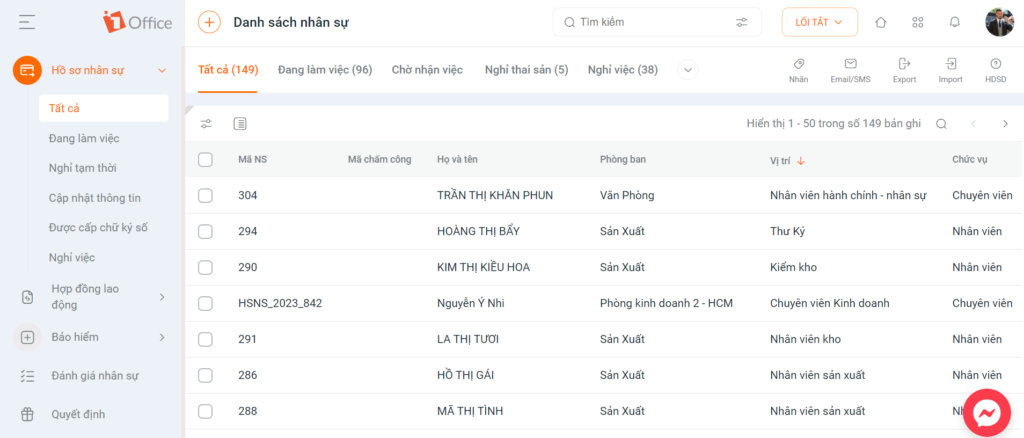
- Employee information management: by digitizing and storing all employee records directly on the software, including personal information, position, department, work history, etc., helping managers look up and retrieve information easily.
- Recruitment process management: from creating recruitment proposals, managing CVs, classifying applications, and scheduling interviews to updating reports automatically. This helps administrators save time and improve the quality of the recruitment process.
- Labor contract management: by contract code, employee name, timekeeping ID, department, contract type, creation date, signing date, expiration date, etc. This ensures compliance with legal regulations and minimizes risks.
- Timekeeping and payroll management: the software automatically syncs employee timekeeping across all company branches in real-time. It also automatically calculates payroll and allows for 24/7 approval of paysheets directly on the software.
- Internal interaction and communication: 1Office provides internal interaction and communication tools such as internal messaging, shared work calendars, and document sharing. This facilitates communication and collaboration among members of the organization.
- Employee competency assessment: by establishing criteria, targets, and the importance level of each criterion. This helps management get a comprehensive overview of work performance, employee quality, and other important metrics.
In summary, the 1Office software not only helps businesses optimize their human resource management process but also provides a suite of tools for information management, recruitment, timekeeping, payroll, communication, and employee performance reporting. All features are integrated into a single 1Office HRM software, thereby increasing efficiency and saving time in the human resource administration process.
8. Frequently Asked Questions about Vertical and Horizontal Management Models
How to maintain vertical discipline in a horizontal work environment?
Businesses should establish standard operating procedures (SOPs). Using a tool like 1Office 1Process helps digitize workflows, ensuring all members, despite working freely, adhere to the correct procedures and common standards.
Which management model are Gen Z employees usually suited for?
Most Gen Z employees prefer the horizontal management model. This structure allows them to be empowered, freely contribute ideas, and work in an equal environment, less constrained by rigid power hierarchies.
How to transition from a vertical to a horizontal model without causing disruption?
Businesses should start by creating cross-functional project teams to get accustomed to peer collaboration before proceeding to reduce intermediate management layers in the official organizational chart.
Does horizontal management diminish a leader’s authority?
No. In a horizontal model, a leader’s authority comes not from their title but from their ability to support, guide, and provide vision. The leader acts as a mentor who helps the team unlock its potential rather than just giving orders.
Why is horizontal management more prone to internal conflicts?
Due to the lack of a clear power hierarchy, when there are conflicting opinions among peer members, final decision-making can be delayed. This requires the business to have a good code of conduct and strong conflict resolution skills.
9. Conclusion
Through this article, it is clear that both vertical and horizontal organizational management models have their own advantages and disadvantages. Therefore, managers need to be truly discerning, identify their company’s position in the market, and devise the best strategy for finding, developing, and applying software.
Meet with HR Management experts at 1OFFICE HRM – the comprehensive human resource management platform – to get the most effective HR development strategy.
- Hotline: 083 483 8888
- Facebook: https://www.facebook.com/1officevn/
- Youtube: https://www.youtube.com/@1office-chuyendoisodn