13/05/2026
  317 views
Understanding customers is an extremely important task that businesses need to pay attention to if they want to succeed. However, grasping customers’ thoughts and feelings is not a simple matter. So how can a business understand its customers? Let’s find out with 1Office in the article below!
Mục lục
1. Understanding customers through demographics
Demographics is the statistical study of human populations. It is a general science that can be applied to any population that changes over time and space.
Demographic analysis can be applied to entire societies or to groups. Some examples of demographics include:
- Age
- Gender
- Income
- Marital status
- Occupation /
- Education level
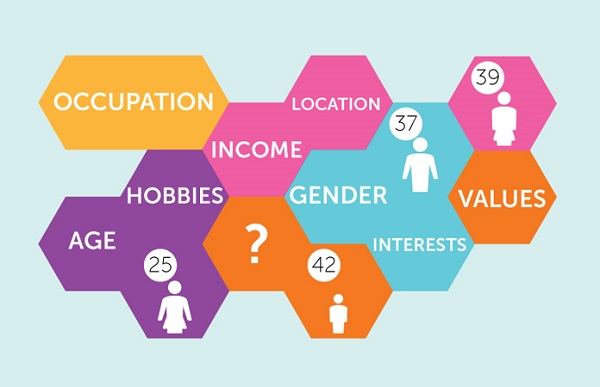
For example:
Customers in the 18-30 age group love novelty and exploration. Experiential or adventurous tourist destinations will certainly be the perfect choice for this demographic.
For customers aged 55 and over, it’s completely different. They desire more rest and relaxation, so a hotel with full amenities and services in an eco-tourism or resort area is most suitable.
Read more: Corporate culture helps increase revenue by 200% – A “dream” or reality?
2. Understanding customers through geographic characteristics
You can choose a neighborhood, city, province, or country. You can also define it by distance. For example, you can target customers within a 10-mile radius of your city. Or you can target customers in your city and its surrounding cities.

For those who want to run an online business for clients or customers globally, you may not need to establish a location. However, as your business grows, you might find that most of your customers tend to come from a few specific cities or countries.
You can then identify specific target areas or move to other locations that may offer the opportunities you want.
3. Understanding customers through psychographics
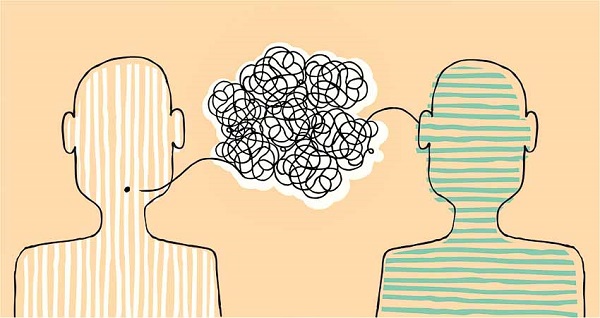
Unlike demographics, the psychographics of a group are harder to guess from the outside, as these are more related to their personality. Here are some audience psychographics you can identify:
Interests and activities
These can include topics of interest, hobbies, regular activities, and behaviors. A few examples:
- Board game enthusiasts
- Frequent backpackers
- Beginner gardeners
- Stamp collectors
Read more: “Boosting” employee morale – An essential skill for managers
Attitude / Opinion
You can also determine what your ideal audience believes about a topic or issue.
For example:
- People who review video games developed by independent developers instead of large development companies.
- People who are interested in the environment or climate change.
- People who believe that work-life balance is essential.
- People who are always looking for the lowest price.
| Read more: NPS? How to calculate and improve Net Promoter Score to help businesses 3X business performance |
4. The Secret to Understanding Customers and Boosting Sales
Identifying the target customer in business is extremely important and considered indispensable in any field.
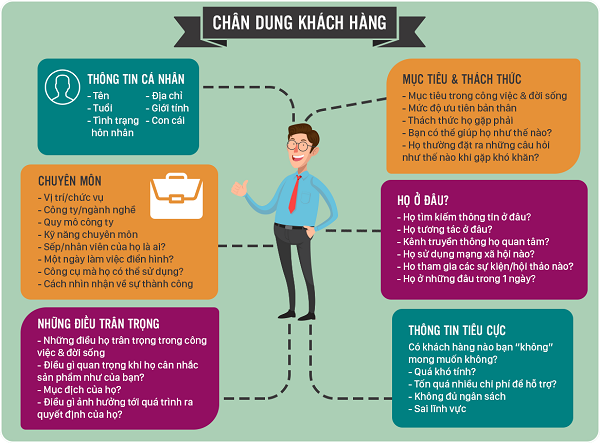
This is not just a one-dimensional profile of the people you need to influence or a customer journey map; a customer persona provides valuable insights into buyers’ decisions: their specific attitudes, concerns, and the reasons that drive them to you, your competitors, or the market situation.
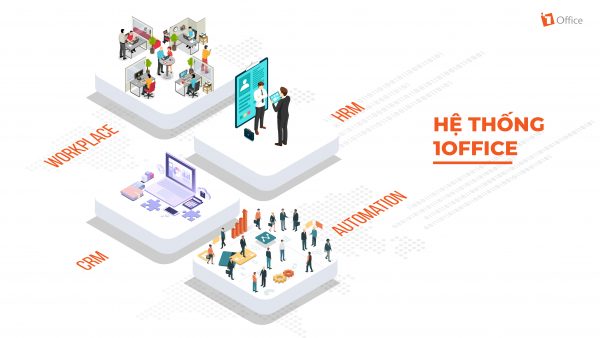
Understanding the challenges businesses face in the digital transformation era, 1Office provides a comprehensive business management solution that is effective, time-saving, and cost-efficient. It helps improve the management of work, personnel, and customer care, thereby giving managers a holistic view of the customer persona.
If you are struggling to understand your customers and wasting time on work and personnel management, sign up for a trial to receive a consultation. 1Office will help you solve your difficulties quickly!
See more:
The effective work management toolkit
6 lessons from Japanese corporate culture that Vietnamese people should apply
The retail industry in the storm of digital transformation after Covid-19