11/05/2026
  17407 views
B2C is a very popular business model, especially in retail and e-commerce, but not everyone fully understands its nature and how it operates. If you want to know what B2C is, what models exist, and how it differs from B2B, this article will help you quickly grasp the most important points.
Mục lục
1. What is B2C?
B2C (Business To Consumer) refers to commercial transactions between a business and individual customers via the Internet. This model applies to any business or organization that sells its products or services to customers over the Internet for personal use. This model has become an important part of the market economy in Vietnam.
-

- What is B2C? Top B2C Business Models of This Year
Businesses that implement the B2C model are often retailers or household businesses. Their goal is to interact closely with customers and gather real feedback from them to provide the best products or services.
>> Read more: What are the B2B and B2C models? Comparing the differences between B2B and B2C models
2. Characteristics of the B2C Model
To recognize the B2C business model, we can rely on the following basic characteristics:
- The main target customers are end consumers: In the B2C (Business To Consumer) model, the main target for businesses is the end consumer. Businesses in this model directly provide products and services to individual buyers, and these products or services are typically used for personal purposes, not for resale or other business activities.
- Diverse range of suppliers: B2C features a diversity of suppliers, unlike the B2B model. In B2C, customers often have the ability to choose from a wide range of different suppliers. This creates diversity in products, prices, designs, and other factors, meeting the varied needs of consumers.
- Easily replaceable: Due to the diversity of suppliers in the B2C market, businesses need to maintain positive relationships and build credibility with customers. They also need to continuously create innovative marketing campaigns and offer unique products/services if they don’t want to be replaced by other competitors.
- Short-term sales cycle: The B2C business model typically focuses on completing sales transactions in the short term, meeting the immediate needs of end consumers. However, this does not mean the model lacks a long-term aspect. In reality, B2C businesses also need to build long-term relationships with customers. It is crucial to ensure product/service quality, build trust, and foster loyalty from customers. These relationships not only help maintain support and repeat purchases from customers but can also lead to long-term business opportunities, loyal customers, and sustainable growth for the business.
- High competition: The consumer market in today’s B2C model is diverse and constantly competitive, especially with the explosion of the internet and the development of social media platforms like TikTok, Facebook, and many others. This has made the business market more vibrant and competitive than ever before. Customers can now browse the web, view products, and place orders directly on their smartphones with just a few simple taps. Therefore, businesses operating in the same field need to design effective marketing strategies to reach the market. They need to develop attractive and unique products and services, maintain competitive pricing, and create a good customer experience. This is how to seize opportunities in the highly competitive environment of the B2C industry today.
- Frequent product/service updates: As customer needs are always changing, B2C businesses need to frequently update their products and services to meet these changes and maintain competitiveness. For example, a women’s clothing store needs to constantly update its styles to meet current fashion market trends. This also includes adapting to the weather of each season, ensuring that products are always suitable and attractive to customers.
3. 5 Types of B2C Business Models
Companies that choose the B2C business model as the focus of their development need to maintain good relationships with their customers. Besides the traditional B2C model, the B2C e-commerce model currently holds a significant advantage in the market. This model helps businesses expand their customer reach and achieve significant profit growth. In total, there are currently 5 of the most popular B2C business models:
-
Direct Sellers:
Direct selling is considered the most popular model in the B2C sector. It is especially favored by businesses whose target customers are online shoppers.
-

- Direct selling model
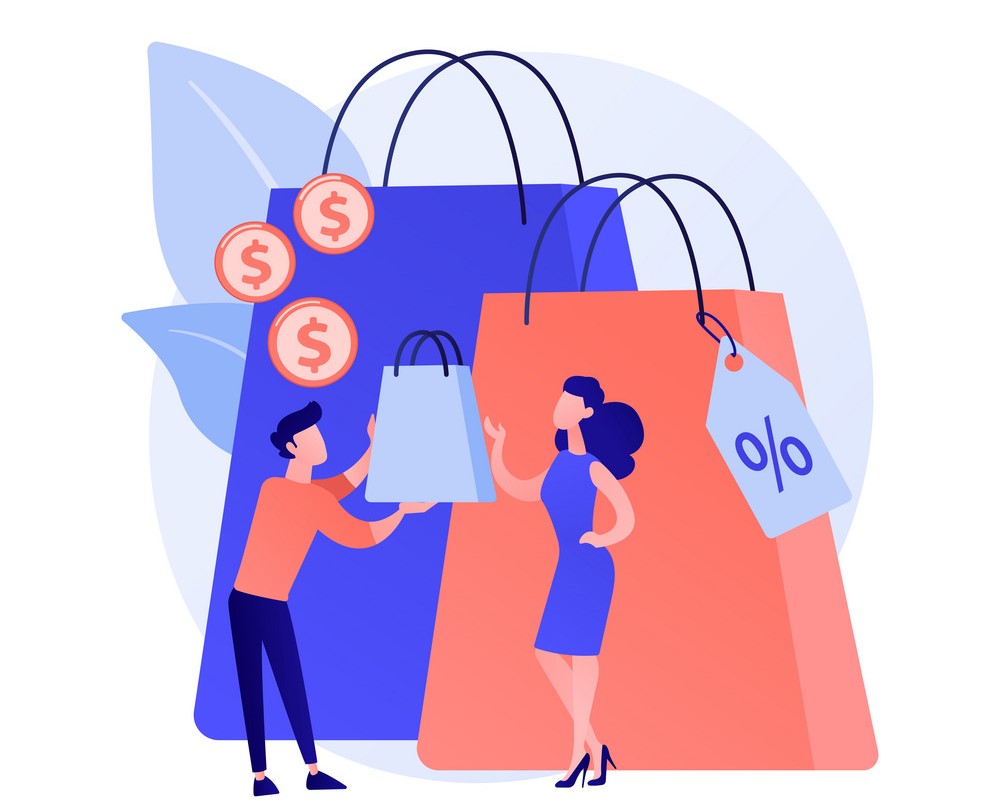
This direct selling model can be applied by manufacturers, small businesses, as well as online stores and department stores. Their products and services often come from many different manufacturers.
Whether in the traditional B2C or e-commerce business model, direct selling is always widely applied and plays an important role in the strategies of businesses.
-
Online Intermediaries:
For the online intermediary model, these are individuals or businesses that act as connectors between buyers and sellers. Today, the online intermediary model has become a method that many businesses integrate into their business models.
Famous names in this field include Shopee, Lazada, Tiki, and many other e-commerce platforms. The common characteristic of these businesses is that they do not directly own the products; they only act as intermediaries. They create an online environment where consumers and businesses can interact and conduct transactions for products and services.
-
Advertising-Based B2C Model
In the advertising-based B2C model, businesses often create engaging content and provide useful information to attract customers to their website. The goal is to increase website traffic through high-quality articles.
-

- Advertising-Based B2C Model
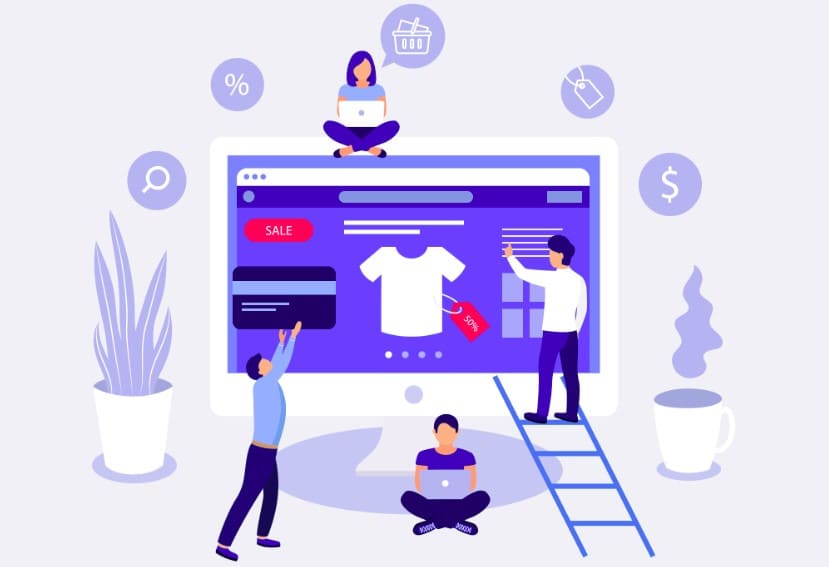
When website traffic is high, businesses can seize the opportunity to offer advertising services to third parties. This often takes the form of allowing them to display banners, logos, etc., on the website.
This model also helps enhance brand recognition for the business. Consequently, many companies have experienced a significant increase in revenue by applying the B2C business model.
-
Community-Based B2C Model
Building and developing online communities is becoming a popular trend in business. Business organizations are increasingly focusing on customer care, sales, and consulting through these communities. At the same time, they constantly strive to expand their reach to consumers.
Currently, many businesses are building communities on social media platforms like Facebook, Zalo, Telegram, and others. This helps them easily implement marketing and advertising campaigns directly to consumers.
The unique feature of the B2C business model lies in its ability to help businesses build marketing and communication campaigns based on the specific geographical location and demographics of their customers. This enhances the effectiveness of the business’s marketing campaigns and allows for more efficient targeting.
-
Fee-Based B2C Model
The fee-based B2C business model requires customers to pay upfront before using their products and services and has become an increasingly popular model worldwide. These are often applications or websites in the entertainment sector.
Typical brands applying this fee-based B2C model include Netflix, Spotify, FPT Play, and many other famous names. These applications and websites often provide some free content, but with limitations on time or features. For the best, uninterrupted experience, users can pay a fee to use the service seamlessly.
4. Advantages of the B2C Business Model
The B2C business model offers many significant advantages for businesses, helping them get closer to customers and understand their shopping needs and consumer psychology. Here are 5 key advantages of the B2C model today:
- Cost savings:
When implementing a B2C business model, especially through online and e-commerce channels, businesses can save on many costs related to infrastructure, electricity, water, and other expenses. This allows companies to cut unnecessary costs while optimizing profits.
Furthermore, in the B2C business model, businesses can efficiently manage orders, inventory, and returns. By using management software, customer information, employee numbers, and sales figures can be managed more conveniently and effectively.
From these improvements, business operational costs can be significantly reduced, boosting productivity and ensuring strong revenue growth.
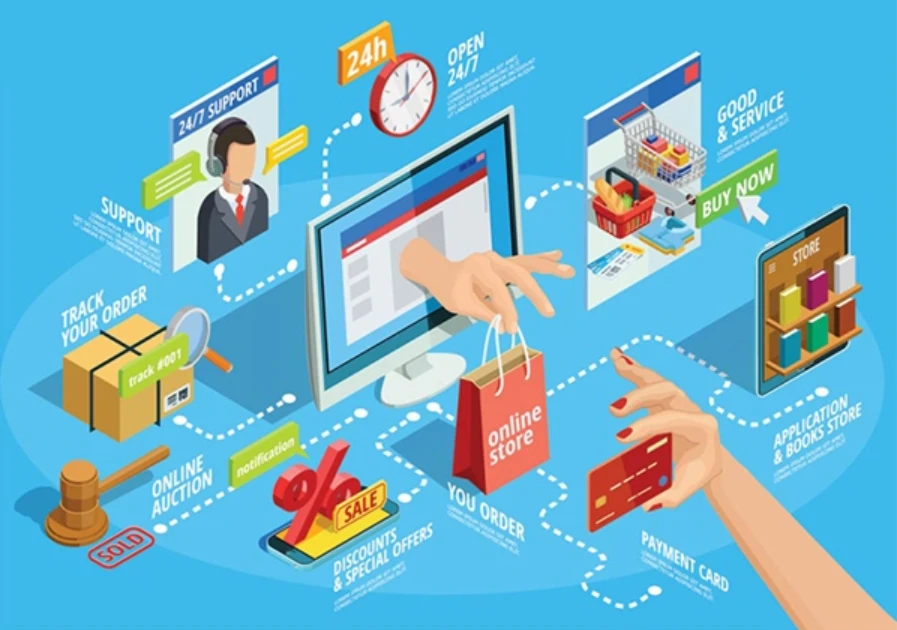
- Easy customer communication and care
The B2C business model facilitates easy communication and customer care. B2C businesses often approach and interact directly with customers through various marketing campaigns, such as Re-Marketing campaigns, customer care via Email Marketing, and SMS messages.
On the other hand, customers can also easily contact and communicate directly with the business through various channels such as the website, Facebook Fanpage, Email, or a hotline number. Successful businesses today typically offer multiple contact methods to ensure customers can easily reach out and provide feedback.
Most commonly, they use their website to retain customers and enhance the pre- and post-purchase experience. A user-friendly interface helps consumers feel comfortable and makes it easy for them to contact and make a purchase.
Therefore, customer care must be handled thoughtfully, with special attention to their needs. Additionally, recording customer feedback, whether positive or negative, is crucial for improving product and service quality. These efforts also help build customer loyalty, turning them into loyal advocates for the business.
-

- Advantages of the B2C business model
- Better business growth and management
The B2C model helps businesses expand their business opportunities through e-commerce channels. Currently, doing business on e-commerce platforms remains a market trend.
Practice has shown that many businesses have achieved significant revenue growth by putting their products on e-commerce platforms. In addition, the B2C e-commerce model also helps business leaders manage more easily.
It reduces the burden related to customer information, shipping processes, and real-time order status updates. All of these contribute to creating a better customer experience and strengthening the brand.
- Expand reach
When using the B2C business model, businesses have the opportunity to reach a large number of customers and, in particular, more potential customers.
Although the traditional B2C model also has good reach to consumers, it still has many limitations. For example, in this model, businesses often find it difficult to collect information about customers’ geographical location and demographics.
The B2C business model represents a new direction. It opens up opportunities for businesses to expand their customer reach through online channels such as social networks, forums, groups, and many other platforms.
Combining the B2C model with a strong presence on online platforms has helped many businesses reach a large number of potential customers. Moreover, online marketing campaigns in this model often achieve high performance, excellently promoting revenue growth.
- Short product sales cycle
The B2C business model typically has a shorter product sales cycle than the B2B model. Businesses applying the B2C model help customers save time, as they can buy products anytime and anywhere.
Today, shopping through online stores and e-commerce platforms allows consumers to choose and buy products 24/7. They do not need to spend time going to a store or traveling far. This helps businesses enhance sales efficiency and generate a significant increase in daily revenue.
Read more:
- Top 20 Most Successful Future Business Models of 2024
- Digital Transformation of the B2C Commerce Industry in the Customer Era
5. Comparing B2B and B2C
Although both aim to sell and generate profit, B2B (Business to Business) and B2C (Business to Consumer) have distinct differences in their operations, target customers, and approach strategies.
| Criteria | B2B (Business-to-Business) | B2C (Business-to-Consumer) |
|---|---|---|
| Target Audience | Businesses, organizations, agencies | Individuals, end consumers |
| Purchasing Process | Multi-step, complex, involves an approval committee | Simple, quick decision, usually made by an individual |
| Purchase Motivation | Logic, ROI, cost optimization, long-term efficiency | Emotion, experience, immediate needs |
| Transaction Value | High value, long-term contracts | Lower value, single or on-demand purchases |
| Marketing Strategy | Based on data, case studies, whitepapers, seminars | Focuses on emotion, storytelling, social media, influencers |
| Sales Cycle | Long, requires significant nurturing time | Short, decision made in minutes/hours/days |
| Customer Relationship | Long-term, built on trust | Shorter-term, depends on the experience of each purchase |
| Customer Care Method | Account Manager, personalized support, in-depth CRM | Chatbot, email marketing, loyalty programs |
6. Effective Marketing Strategies for the B2C Model
Effective campaigns in the B2C business model often start with extensive market research. To build effective messaging and select suitable campaign elements, B2C businesses need detailed customer information, including who their target audience is, their interests, the problems and difficulties they face, what they desire, and where they typically look for information. Some effective marketing strategies for the B2C model include:
- Website Optimization
Website optimization is a crucial element in B2C marketing strategy. When a website is optimized, it provides a better user experience with an easy-to-use interface, fast loading speeds, and easily accessible information about products/services. This makes it more convenient for customers to make purchases.
-

- Website optimization
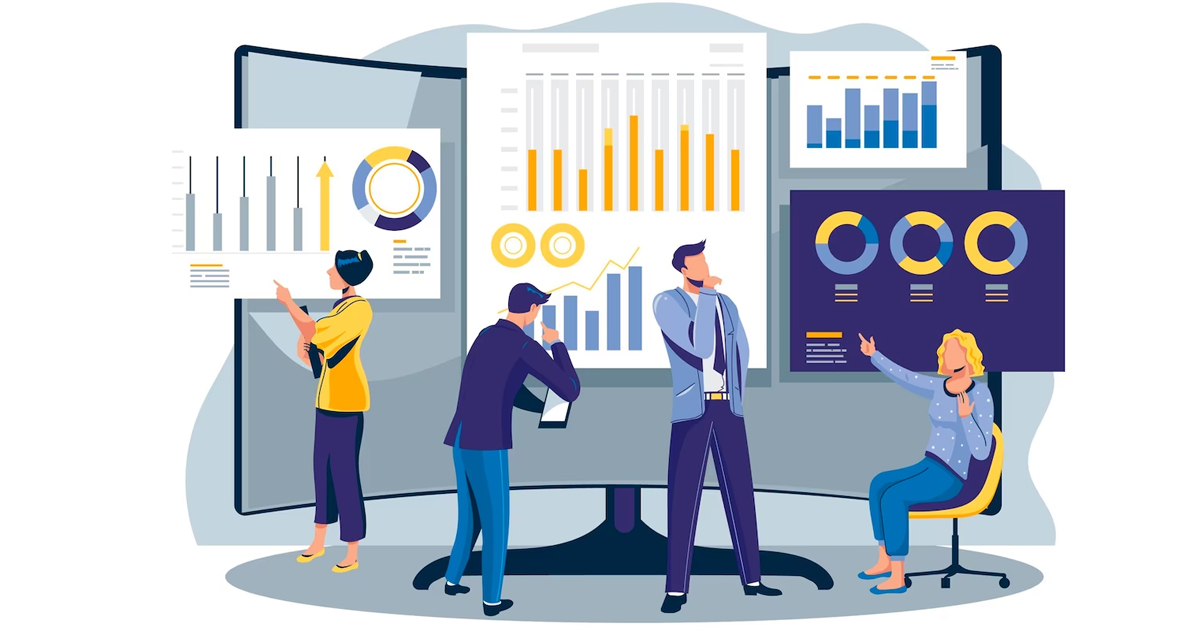
Furthermore, website optimization also plays a significant role in brand building. An optimized website fully reflects the company’s values and message, creates a positive impression on customers, and thereby builds trust. This helps enhance brand recognition and differentiate from competitors.
- SEO Content Optimization for Websites
Optimizing SEO content for a website is a crucial part of a B2C marketing strategy. This helps improve the website’s visibility on search engines like Google, Bing, Coc Coc, and others. When users search for keywords related to the products or services a business offers, having relevant articles from the business creates a better opportunity to reach customers and build credibility in their eyes.
However, the content optimization process is not just about including keywords. It must also provide useful, reliable, and engaging information. This helps create a connection with customers, build trust, and increase the likelihood of them making a purchase.
- Social Media
With a large number of users on platforms like Facebook, Instagram, Tiktok, and YouTube, businesses can reach a vast potential customer base by implementing marketing campaigns such as producing quality content and running ads.
-

- Using social media in the B2C model
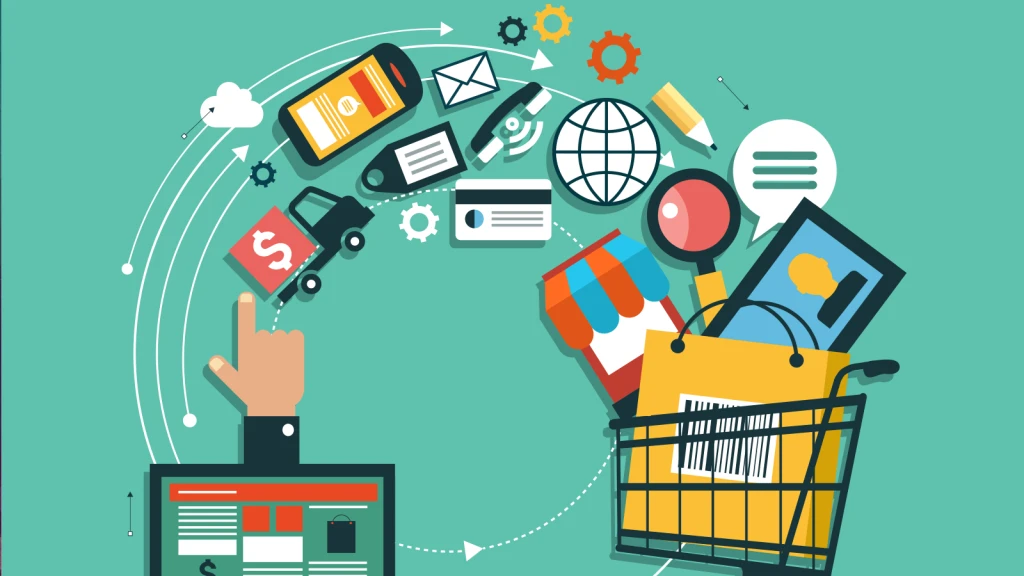
A key benefit of using social media in the B2C model is the ability to create positive interaction between the business and its customers. By answering questions, receiving feedback, and responding quickly to customer requests, businesses can build trust, foster engagement, and increase the likelihood of customers becoming loyal.
- Email Marketing
Email marketing allows businesses to send messages directly to customers’ inboxes, which can be promotional messages, sale announcements, new product news, or valuable content and useful information. This helps businesses reach customers effectively.
Furthermore, through email marketing, businesses can send personalized messages and interact directly with customers. Sharing valuable content, listening to opinions, receiving feedback, and responding quickly via email helps create a stronger connection with customers and encourages purchasing actions.
- Mobile Applications
The rapid development of technology has facilitated the creation of convenient and flexible mobile applications. With the ever-increasing number of mobile users, having a mobile app helps businesses reach a large potential customer base.
On a mobile app, businesses can offer special deals and exclusive promotional programs for loyal customers. Providing reward points, discount codes, gifts, and other exclusive offers through the app motivates customers to continue using it and making purchases from the business.
Implementing a marketing strategy through a mobile app also helps build a B2C company’s brand. The mobile app carries the company’s brand, providing an interactive experience and direct transactions for customers. Developing a high-quality mobile app with a user-friendly interface and useful features helps create positive brand recognition.
- Personalization
Personalization in the B2C model aims to best meet and serve the specific needs of each customer. Instead of a general approach, personalization allows businesses to collect personal information, preferences, and consumer behavior of individual customers. This helps businesses create marketing campaigns that customers can relate to and find valuable.
By sending personalized messages, businesses can create a sense of privacy and care for each customer. Sending personalized emails, notifications, or messages also helps customers feel special to the business, thereby encouraging purchases and creating positive two-way interaction. This also contributes to more effective brand building.
7. New Trends in B2C Marketing
In the context of rapidly changing consumer behavior, the explosion of digital technology, and increasingly fierce competition, B2C (Business to Consumer) marketing is also constantly evolving. Businesses that want to retain customers and increase revenue must promptly grasp new trends. Below are the prominent trends in the digital era:
Application of AI & Big Data
-
Customer behavior analysis: Artificial intelligence (AI) and Big Data allow businesses to collect and process huge volumes of data from shopping behavior, browsing history, and social media interactions.
-
Forecasting demand & optimizing experience: Instead of running mass advertising, AI helps businesses make accurate predictions about demand, thereby designing more targeted marketing campaigns.
-
Smart sales tools: Chatbots, virtual assistants, and personalized product recommendation systems are becoming “24/7 salespeople,” supporting customers anytime, anywhere.
Personalized Experiences
-
The “every customer is a unique world” trend: Consumers today expect to be catered to according to their individual needs and preferences, rather than receiving generic messages.
-
Practical applications: Businesses can personalize email marketing (addressing by name, sending exclusive offers), online advertising (retargeting based on behavior), or suggesting suitable products based on purchase history.
-
Impact: Personalization helps increase conversion rates, creates a sense of “closeness,” and strengthens customer loyalty.
-
In-app shopping integration: Platforms like Facebook, Instagram, and TikTok are not just for entertainment but have also become “online storefronts” with features for linking products, livestream selling, and direct on-platform payments.
-
New consumer behavior: Users can watch reviews, follow KOLs/Influencers, and purchase products with just a tap, without ever leaving the app.
-
Potential: Social commerce is expected to account for an increasingly large share of e-commerce, especially in young, dynamic markets like Vietnam.
Mobile Commerce
-
Smartphones become “pocket-sized stores”: Consumers today shop directly on their phones more than on computers.
-
Convenient payments: E-wallets, QR codes, mobile banking, and other cashless payment methods are strongly promoting a fast, streamlined, and convenient shopping experience.
-
Especially popular among the younger generation: Gen Z and Millennials prefer shopping via mobile apps, forcing B2C brands to optimize app interfaces, create mobile-friendly websites, and integrate multiple payment methods.
8. Conclusion
The B2C business model not only brings direct profits to businesses but also contributes to the development and strengthening of the economic market. In Vietnam’s current economic market, the B2C model is becoming increasingly popular and widespread, attracting the interest of many businesses. 1Office hopes these insights are helpful to you! We wish you success