


 10/05/2026
  162 views
SCM is an important concept in business operations, but not everyone clearly understands what it entails and how it differs from logistics. If you want to know what SCM is, how the supply chain works, and why businesses need to manage this system well, this article will help you quickly grasp the most essential points.
Mục lục
- 1. What is SCM?
- 2. What is the structure of SCM?
- 3. The importance of the supply chain for businesses
- 4. How do SCM and Logistics differ?
- 5. How does SCM work?
- 6. A Prime Example of Supply Chain Management
- 7. What Are Common Mistakes When Businesses Implement SCM?
- 8. Frequently Asked Questions
- 9. Conclusion
1. What is SCM?
SCM (Supply Chain Management) is the process of managing the flow of goods and services, including all steps from converting raw materials into final products. SCM involves organizing a company’s supply activities logically to maximize customer value and achieve a competitive advantage in the market.
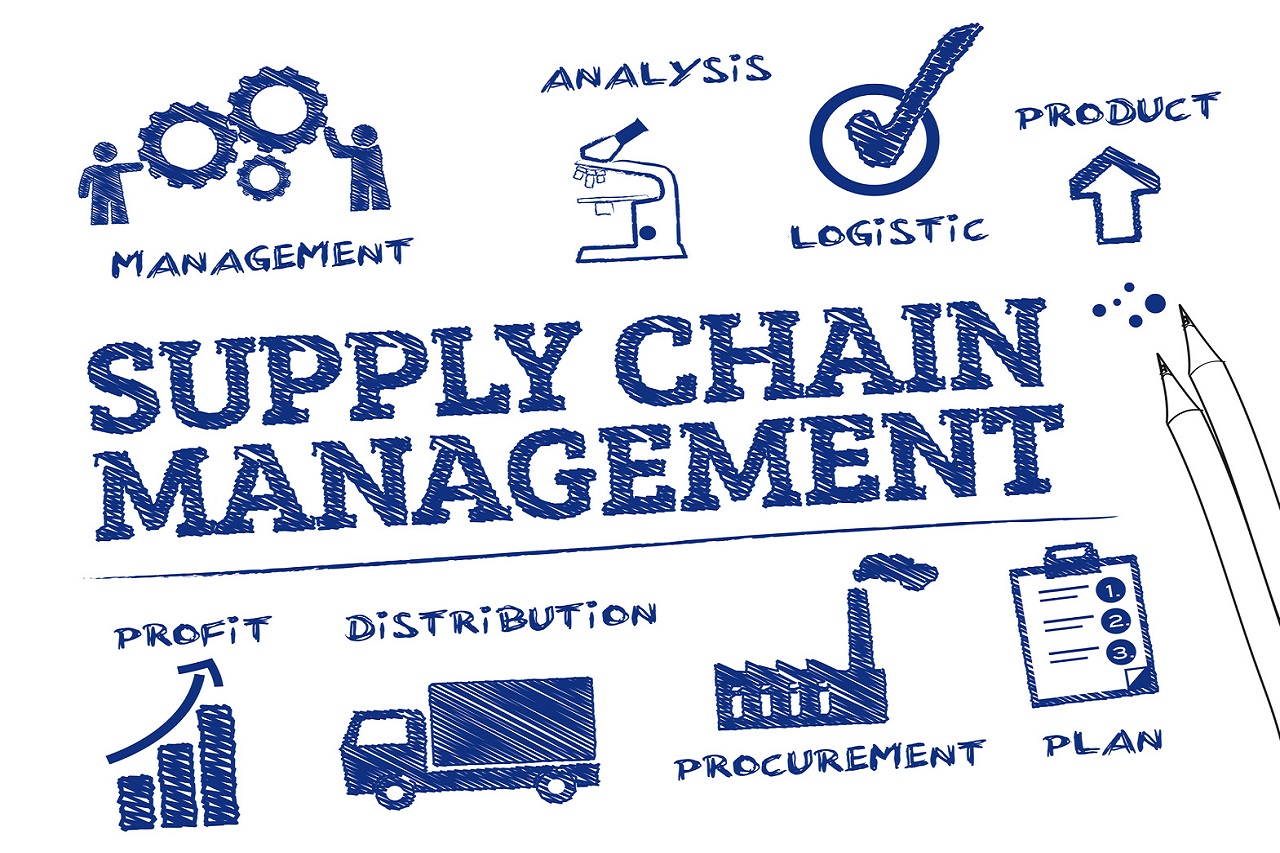
SCM reflects the efforts of suppliers to develop and implement supply chains as efficiently and cost-effectively as possible. The system is applied to track the flow of products and services from the source to the customer (including manufacturers, distributors, and retail systems). SCM is used to manage aspects such as order requests, inventory management, transportation, and circulation processes. At the same time, it also manages other related requirements and ensures that the product reaches the end customer through appropriate means.
2. What is the structure of SCM?
The structure of a supply chain management system consists of three main components:
- Supplier: These are businesses that provide the raw materials and services necessary for the company’s production and business processes.
- Producer: These are businesses that carry out production, processing, and assembly activities to create products/services.
- Customer: These are individuals or organizations that purchase the company’s products/services.
3. The importance of the supply chain for businesses
Supply chain management plays a crucial role in ensuring the sustainability of production and business processes. By implementing smart supply chain management, it is possible to minimize environmental impact, optimize resources, and ensure production sustainability.
Additionally, SCM plays an important role in managing risks within the supply chain. Businesses can apply risk management strategies and techniques to deal with potential risks, from issues with raw materials to product quality.
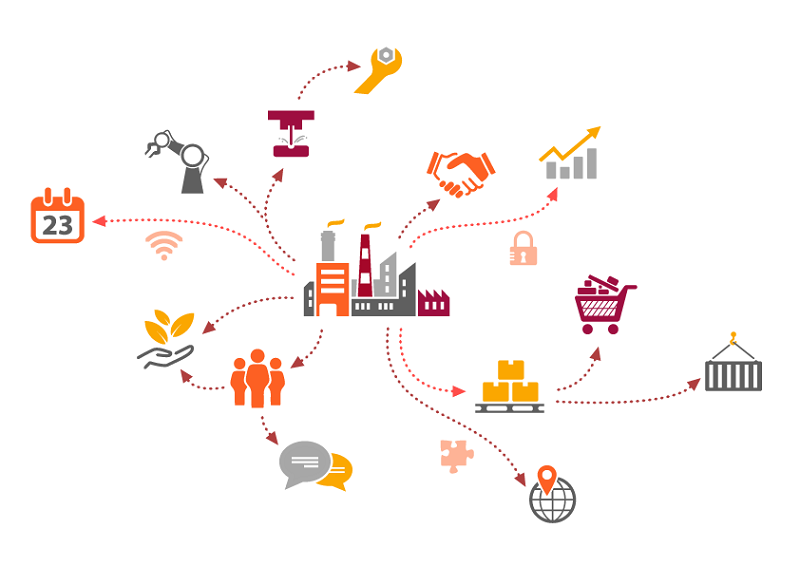
A prime example is Apple, a company that has leveraged SCM to ensure product quality, reduce production costs, and bring products to market at the right time. Apple also applies risk management techniques to address potential threats that may arise in the supply chain.
In summary, SCM is a crucial concept in business and manufacturing, helping companies optimize their supply chain operations, enhance competitiveness, and ensure the sustainability of the production process and risk management. The application of supply chain management has become essential for businesses wishing to succeed in today’s market.
4. How do SCM and Logistics differ?
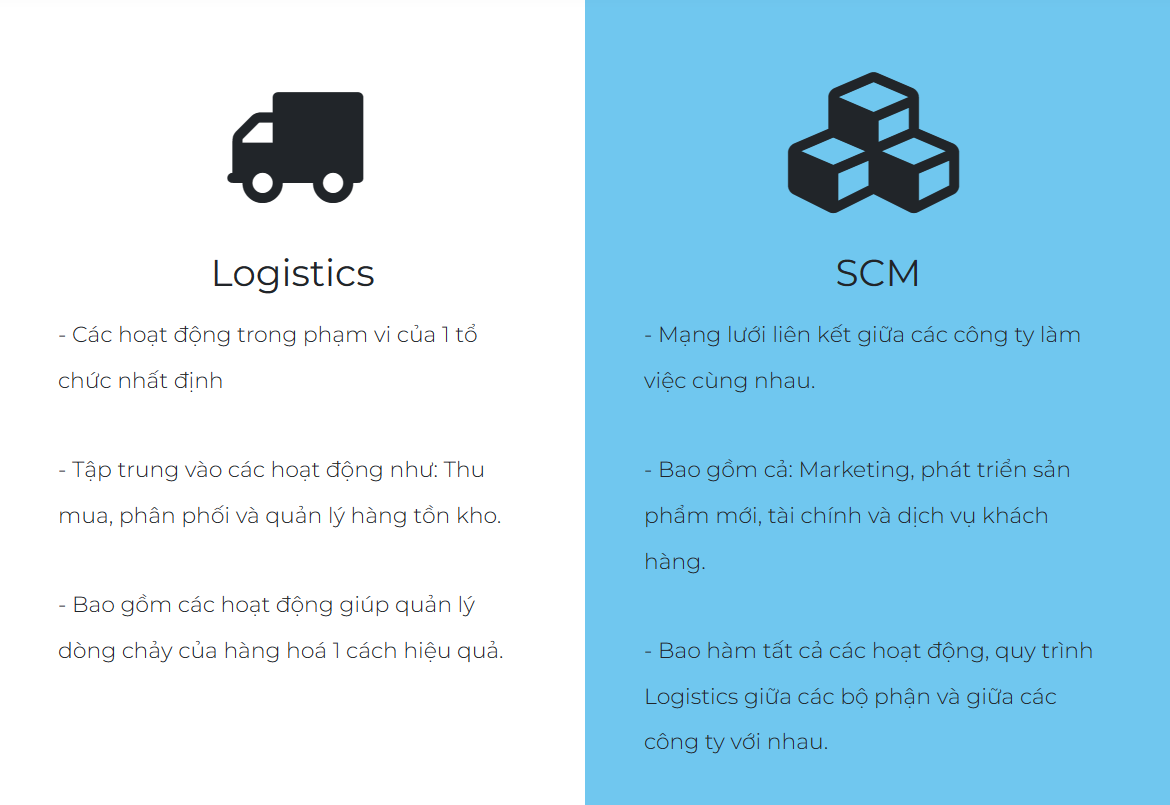
In reality, many businesses and managers confuse these two concepts. People often think that SCM and Logistics can be used interchangeably. However, the term Logistics is only a small part of Supply Chain Management.
5. How does SCM work?
Essentially, SCM (Supply Chain Management) aims to control or link the main stages in the production, transportation, and distribution of products. By effectively managing the supply chain, businesses can reduce excess costs and speed up delivery to consumers.
This is achieved through tighter control over internal inventory management, internal production processes, distribution, sales, and the inventory from suppliers to the business.
The theory of SCM is that almost every product on the market arises from the collaboration of many different organizations, forming a supply chain. Although supply chains have existed for a long time, many companies/businesses have only recently paid attention to it as a value-added service in their business operations.

In the field of Supply Chain Management (SCM), the supply chain manager is responsible for coordinating the logistics of the entire supply chain, which includes five main aspects:
- Plan or strategy.
- Source (including raw materials or services).
- Manufacturing (focused on productivity and efficiency).
- Delivery and logistics.
- Return system (for defective or unsatisfactory products).
Supply chain managers strive to minimize shortages and reduce costs. This task involves more than just logistics and purchasing inventory management. Improvements in productivity and efficiency directly impact the company’s bottom line and have long-term effects. Effective supply chain management helps companies minimize risks from product recalls and litigation-related costs.
6. A Prime Example of Supply Chain Management
Recognizing the importance of Supply Chain Management (SCM) to its business operations, Walgreens Boots Alliance Inc. has focused on innovating its supply chain since 2016. As one of the largest pharmacy chains in the United States, the company needed to adapt and efficiently manage its supply chain to cope with market fluctuations and continue optimizing profitability.
Since July 5, 2016, Walgreens has invested heavily in technology for its SCM. The company implemented a forward-looking SCM system that integrates relevant data and uses analytics to predict customer purchasing behavior. They then took the necessary steps to optimize the supply chain and accurately meet customer demand.
A prime example is the ability to predict flu symptoms, which helps the company accurately forecast the necessary inventory levels for over-the-counter flu medications. This helps create an efficient supply chain with less inventory. By using this SCM, Walgreens can minimize excess inventory and reduce related costs, such as storage and transportation expenses.
7. What Are Common Mistakes When Businesses Implement SCM?
When implementing a supply chain management (SCM) system, many businesses—especially small and medium-sized enterprises—often make several common mistakes that cause the entire process to be delayed, costly, and inefficient. Identifying these errors early helps businesses optimize costs, improve the flow of goods, and increase operational productivity.
7.1. Lack of Synchronization Between Departments
One of the biggest mistakes is the lack of close coordination between departments such as purchasing, logistics, production, accounting, and sales.
When these parties operate independently, data becomes fragmented, which can easily lead to:
-
Inventory not matching production needs.
-
Delayed order deliveries due to information lags.
-
Decisions on stocking/shipping not being based on real-time data.
Solution: Build an SCM system that integrates all data into a single platform, allowing departments to access and update it in real time.
7.2. Underinvesting in Technology and Data
Many businesses still manage their supply chains using Excel or manual tools, making it complicated and error-prone to track thousands of orders.
The consequences are:
-
Data is not updated in a timely manner, leading to inaccuracies in demand forecasting.
-
Inability to analyze performance or optimize shipping routes.
-
Lack of ability to react quickly to market fluctuations.
Solution: Implement modern SCM software capable of automating processes, synchronizing data, and integrating AI for performance analysis.
7.3. Managing the Supply Chain Based on Intuition Instead of Data
Another common mistake is making decisions based on personal experience rather than on data analysis.
This causes the business to:
-
Incorrectly forecast market demand.
-
Order too much or too little stock.
-
Fail to optimize operational costs.
Solution: Establish a clear KPI system for each stage (purchasing, production, shipping) and use data analysis reports to make decisions based on factual evidence.
7.4. Overlooking Risks in the Supply Chain
Businesses often focus solely on cost optimization and forget to create contingency plans for crisis situations, such as:
-
Disruptions in the international supply chain.
-
Shortages of raw materials.
-
Price fluctuations or shipping risks.
Solution: Develop a “risk management” plan for the supply chain, with alternative sourcing scenarios and backup inventory storage plans.
7.5. Failing to update the SCM model with new trends
In the context of digital transformation and globalization, supply chain models are changing rapidly.
If a business sticks to a traditional model, the consequences are:
-
Decreased efficiency, while costs increase.
-
Loss of competitiveness against automated rivals.
Solution: Continuously update and improve SCM processes in line with Digital SCM trends, incorporating AI, IoT, Big Data, and automation.
8. Frequently Asked Questions
Do small businesses need to implement SCM?
Yes. Small businesses should still pay attention to SCM, especially when they start receiving more orders, working with multiple suppliers, or need better control over inventory, delivery schedules, and operating costs. SCM is not just for large enterprises; it also helps small businesses manage their supply chain systematically from the beginning, mitigating risks and creating a foundation for future expansion.
How does SCM affect delivery speed and customer experience?
When the supply chain is managed effectively, businesses can reduce delays, limit stockouts, and deliver products to customers at the right time. This not only helps increase customer satisfaction but also contributes to enhancing competitive advantage in the market.
What metrics should a business use to measure SCM effectiveness?
To evaluate SCM effectiveness, businesses should track several metrics such as on-time delivery rate, inventory levels, order processing time, transportation costs, storage costs, stockout rate, and the ability to meet customer demand.
How can SCM help reduce inventory?
SCM helps businesses reduce inventory by better controlling the flow of goods from input to output. When data between purchasing, warehouse, production, and sales is tightly integrated, businesses can forecast demand more accurately, procure goods at the right time, and limit overstocking or stockouts.
When should a business use specialized SCM software?
A business should consider using specialized SCM software when it starts facing issues like fragmented data across departments, difficulty tracking inventory, slow order processing, heavy reliance on Excel, or making decisions based on intuition. If your business wants to manage data seamlessly across departments and optimize operations on a single platform, you can explore the inventory management solution within the 1Office all-in-one business management ecosystem to gradually digitize your supply chain processes.
9. Conclusion
We hope this article on “What is SCM” has provided useful information, helping business managers understand, apply, and manage SCM effectively to achieve maximum results. We wish you success!
















