


 10/05/2026
  13292 views
In a business, human resource planning and management play a crucial role in ensuring the success and sustainable development of an organization. Human resource planning is not just about finding and attracting talent but also includes building an effective personnel management strategy. In this article, 1Office will explore in more detail the concept of what human resource planning is, along with notes, processes, and examples of successful personnel management.
Mục lục
- 1. What is human resource planning?
- 2. What activities does it include?
- 3. Purpose & Role of Human Resource Planning in Sustainable Development
- 4. The Human Resource Planning Process
- 5. Practical Example of Human Resource Planning
- 6. Factors affecting human resource planning
- 7. Common human resource planning models
- 9. Human Resource Planning Support Tool – 1Office HRM Software
1. What is human resource planning?

1.1 What are human resources?
Human resources refer to all members within a business. This includes employees, specialists, managers, and any member involved in the organization’s business activities. Human resources are not merely the number of employees an organization has but also encompass the talent, skills, experience, and potential of each individual.
A quality and suitable workforce plays a decisive role in the success of a business. It helps the organization achieve its tasks and strategic goals while creating a competitive advantage, fostering innovation, creativity, and sustainable development. By focusing on human resources, an organization can create a positive work environment and develop the potential of individuals, thereby promoting the organization’s success and growth.
1.2 What is human resource planning?
Human resource planning (HRP) is the process of identifying, forecasting, and meeting workforce needs effectively for the sustainable development of an organization. It is the process of detailing job requirements, assessing, and estimating the necessary human resources to ensure the organization has the right quantity and quality of personnel to achieve its goals.
2. What activities does it include?
Human resource planning involves assessing current and future personnel needs, analyzing the skills and competencies required for each job position, and determining measures to meet those needs. This includes activities such as recruitment, training, employee development, improving work processes, and using technology to enhance work performance.
Additionally, to manage human resources most effectively and suitably for the business, managers can answer the following questions:
- How many employees does the business need in each department? What skills and competencies are necessary to achieve organizational goals?
- Will candidates be recruited externally or sourced from the organization’s existing talent pool? What kind of work environment needs to be built to attract the best candidates?
- What skills do employees need to be trained in? How can employee performance be accurately evaluated?
- What benefits and advancement programs should be provided to retain employees? How can a positive work environment be created to develop employee potential?
3. Purpose & Role of Human Resource Planning in Sustainable Development

3.1 Purpose of Human Resource Planning
The purpose of human resource planning in an organization is to ensure that the organization has the right quantity, skills, and type of human resources to carry out its activities and achieve its goals. Below are some specific purposes of human resource planning:
- Ensure the organization has the necessary quantity and type of human resources to perform current and future tasks.
- Optimize the use of human resources by enabling the organization to fully leverage the potential and capabilities of its existing workforce.
- Anticipate and respond to workforce fluctuations, such as employee departures, changes in job requirements, or other external factors.
- Build a foundation for human resource development, such as shaping recruitment, training, and employee development strategies to meet new challenges and opportunities.
In summary, the purpose of human resource planning is to ensure there are enough suitable human resources to perform current and future work, optimize the use of human resources, prepare for and respond to fluctuations, thereby building a foundation for future human resource development.
3.2 The Role of Human Resource Planning
Assessing and forecasting human resource needs: Human resource planning helps organizations assess current human resource needs and forecast future needs. This ensures that the organization has the necessary number of personnel to meet work requirements and development goals.

Managing and evaluating performance: Human resource planning helps manage and evaluate the work performance of individuals and departments. It identifies employees’ strengths and weaknesses, creating conditions for their development and maximizing their potential. It also supports the process of evaluating and rewarding employees based on their work achievements.
Developing recruitment, training, and development plans: This includes attracting and recruiting talent, and building training and development programs to enhance employees’ skills and capabilities. This ensures that the organization has a competent workforce capable of meeting job requirements and adapting to the business environment.
Responding to fluctuations and changes in the business environment: It is necessary to create a ready plan to adjust the size and structure of personnel to adapt to the market and new trends. This helps the organization maintain flexibility and optimize the effectiveness of its human resources in a changing business environment.
>> See more: A-Z Guide to Standard Human Resource Planning Steps for Businesses
4. The Human Resource Planning Process
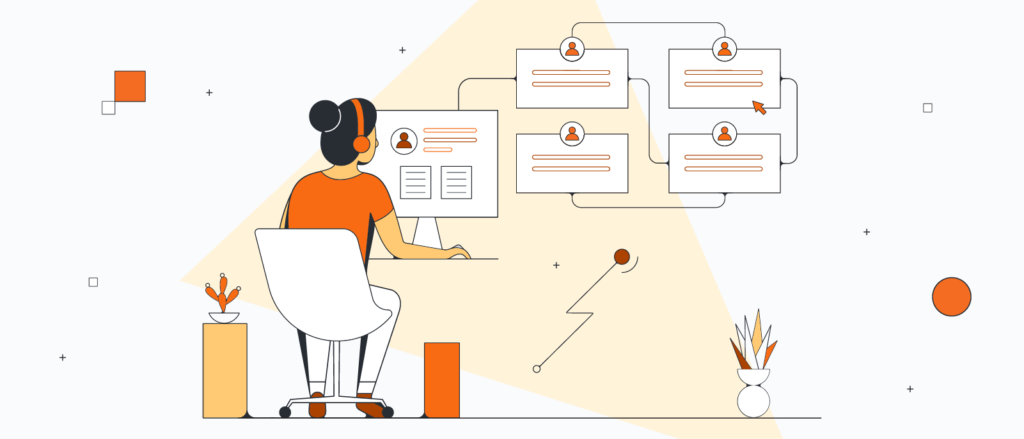
In the human resource planning process, businesses need to follow a clear, planned procedure to ensure that the allocation, recruitment, and development of human resources are carried out effectively and in line with the organization’s overall goals.
Step 1: Assess and forecast human resources
In this stage, the business needs to accurately and fully determine its resource needs based on important criteria such as quantity, quality, and the timeframe required to meet the organization’s development goals. Additionally, managers need to regularly analyze and research the labor market to predict trends and changes, along with external factors (economic, cultural, technological, etc.) that affect the human resource supply.
Step 2: Analyze the current state of resources within the business
This includes determining the number of personnel, and assessing the current skills, capabilities, and performance of employees, which gives leaders an overview of the personnel structure and activities within the organization. Furthermore, analyzing the current state of human resources also provides important information to identify the strengths and weaknesses of available resources to prepare for subsequent plans.
Step 3: Make personnel allocation decisions
Based on the information from the two steps above, the business will decide on recruiting, retaining, or restructuring human resources (hiring more, laying off, training). This decision may involve transferring, training, or promoting the development of existing employees. Some plans that managers can consider implementing include:
- Additional recruitment strategy.
- Internal personnel restructuring strategy.
- Personnel transfer strategy.
- Labor reduction strategy.
Step 4: Shape the human resource planning strategy
In this step, the organization needs to outline and shape its human resource planning strategy, including defining objectives, methods, and measures to meet human resource needs. This strategy may include a recruitment plan, training, development, and employee performance management.
Step 5: Periodically evaluate and adjust
The business needs to periodically evaluate and adjust its human resource planning strategy to ensure it remains aligned with the organization’s changing goals and requirements. Through this process, the business can also draw lessons and improve its human resource planning to ensure the sustainable development and success of the organization.
5. Practical Example of Human Resource Planning
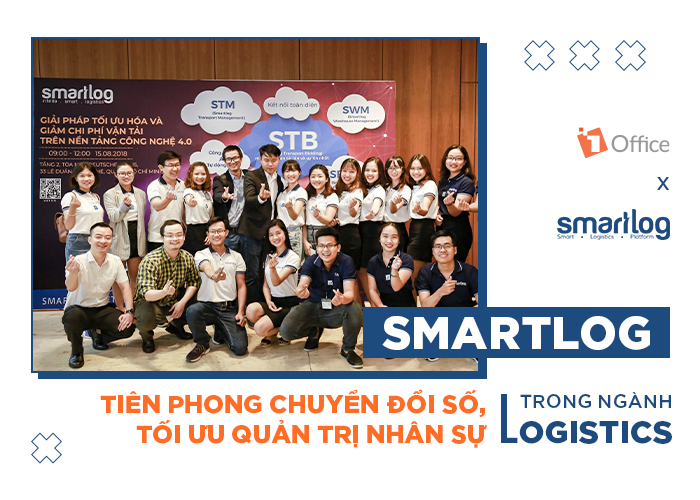
Smartlog has been a leader in pioneering digital transformation in the Logistics industry. By applying 1Office’s business management software solutions, Smartlog has created an intelligent human resource management system that simplifies the recruitment, training, and employee management processes. As a result, the company has enhanced its ability to meet customer needs, strengthened its competitiveness, and achieved sustainable development in the Logistics industry.
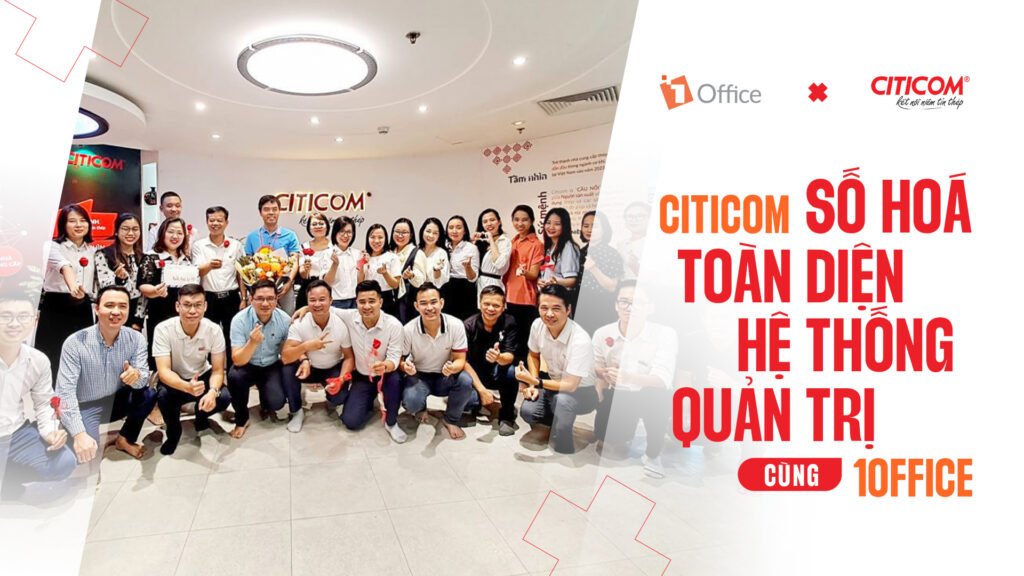
Citicom: Comprehensively digitizing the Human Resource Management system
Citicom is a company operating in the financial services sector. By using 1Office software to comprehensively digitize its human resource management system, the company has enhanced its HR management capabilities, from recruitment and performance evaluation to career development. This has enabled Citicom to achieve flexibility, accuracy, and speed in human resource management, contributing to the company’s long-term development and business goals.
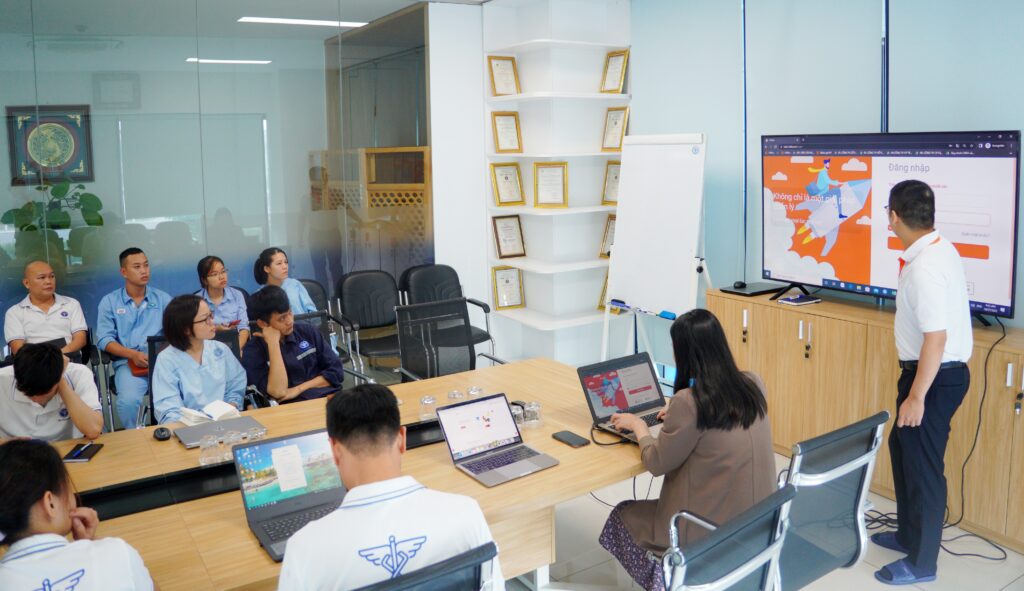
NutriCare: Enhancing human resource management capabilities, digitizing operational processes
As a business operating in the health and nutrition sector, NutriCare has focused on enhancing its human resource management capabilities and digitizing its operational processes. By using the intelligent 1Office Human Resource Management solution, NutriCare has improved its recruitment, training, and employee management processes. This has helped the company quickly respond to customer needs, boost work efficiency, and improve service quality.
6. Factors affecting human resource planning
Human resource planning is a crucial process that affects the sustainable development of an entire enterprise. Therefore, to find the right direction and management strategy, HR managers need to consider the following factors.
6.1 External environmental factors
Economic environment: Includes the labor market situation, unemployment rate, competitive salaries, tax policies, and legal regulations, which will affect the recruitment and retention of human resources.
Social environment: Changes in societal views and values regarding work and work-life balance, as well as cultural and social diversity, can also affect recruitment and employee satisfaction.
Technological environment: The rapid development of technology, including artificial intelligence, automation, and communication, requires businesses to adapt and implement policies to change their human resources (often involving workforce reduction).
6.2 Internal business environment factors
Organizational strategy: The business strategy, goals, and direction, as well as the organizational structure, will directly affect the size and allocation of human resources.
Organizational culture: Includes many factors such as the work environment, company regulations, and leadership style, which can impact employee attraction and retention.
Existing capabilities: The current skills and competencies of the staff, as well as their potential for development and innovation, will somewhat influence human resource planning within the business.
7. Common human resource planning models
In management practice, businesses can apply various models to forecast and plan for personnel. Choosing the right model helps to accurately predict workforce needs, optimize costs, and ensure resources are available to meet business goals in a timely manner.
Below are the 4 most commonly used models:
7.1. Quantitative forecasting model
This model relies on data and statistical indicators to predict future workforce needs.
Some commonly used methods include:
-
Trend Analysis: Use 3–5 years of HR data to predict the rate of increase/decrease in human resource demand.
-
Ratio Analysis: Example: 1 sales employee per 150 customers; or 1 accountant per 50 employees.
-
Regression Analysis: Use business data (revenue, number of projects, number of customers) to forecast the required number of personnel.
Advantages: objective, fast, suitable for businesses with large datasets.
Disadvantages: heavily reliant on past data → prone to inaccuracies if the business changes its strategy.
Example: If the number of projects increases by 20% annually, the business can forecast a corresponding need to increase technical personnel by ~15%.
7.2. Scenario Analysis Model
This model creates multiple future scenarios to prepare suitable HR plans.
Businesses typically build:
-
High-growth scenario (more projects, new branches → personnel shortage).
-
Stable scenario (maintain the current team).
-
Decline scenario (cost cutting, departmental restructuring).
Advantages: flexible, suitable for highly volatile environments (tech, startups).
Disadvantages: time-consuming and requires participation from multiple departments.
Example: An e-commerce company prepares
In a constantly changing business landscape, human resource planning is no longer a “linear forecasting” activity based on past data. Instead, businesses are facing many new challenges arising from the labor market, technology, employee behavior, and organizational models. These challenges require human resource planning to become more flexible, data-driven, and closely tied to long-term strategy.

8.1. Labor Market Fluctuations
Today’s labor market is rapidly changing in terms of supply and demand, industry structure, and employee expectations. Factors such as unstable economic growth, supply chain shifts, an aging population, or changes in labor policies all directly impact the ability to forecast personnel needs.
Typical signs of labor market fluctuations include:
-
Rapid changes in personnel demand according to business cycles
-
Labor migration between industries and sectors
-
Increased rates of short-term resignations and job hopping
-
Discrepancies in labor supply and demand by region and skill set
For human resource planning, market fluctuations cause long-term plans to quickly become outdated or inaccurate, forcing businesses to regularly review and update their workforce forecasts.
8.2. Shortage of High-Quality Personnel
One of the biggest challenges today is the shortage of personnel with the skills, expertise, and mindset that align with development strategies. The gap between business needs and the actual capabilities of the workforce is widening.
The main causes of the high-quality personnel shortage are:
-
The education system has not kept pace with market demands
-
The rapid development of new industries and professions
-
Fierce competition in attracting talent
-
Employees’ increasingly high expectations for work environment and compensation
As a result, businesses face difficulties in forecasting and preparing a succession pipeline, disrupting plans for expansion, innovation, or digital transformation.
8.3. Technological Change and Automation
The strong development of digital technology, artificial intelligence, and automation is fundamentally changing job structures and skill requirements within businesses. Many traditional positions are gradually being replaced, while new ones are constantly emerging.
The impact of technology on human resource planning is evident in:
-
A shift in personnel demand from manual labor to knowledge workers
-
Increased demand for digital skills, data-driven thinking, and adaptability
-
Difficulty in long-term forecasting & managing data due to rapid technological changes
-
The need for retraining and upskilling (reskilling, upskilling)
If businesses do not integrate technology into their human resource planning, they risk facing localized personnel surpluses and shortages, leading to a waste of resources.
8.4. Flexible Work Models (Hybrid, Remote)
The popularity of flexible work models has changed how businesses organize and manage personnel. Human resource planning is no longer limited by geographical boundaries or fixed working hours.
Challenges arising from flexible work models include:
-
Difficulty in monitoring productivity and work efficiency
-
Complexity in forecasting long-term personnel needs
-
New skill requirements for managing distributed teams
-
Changing employee expectations about work-life balance
For planning activities, businesses need to shift from headcount-based personnel planning to planning based on competency, results, and flexibility.
9. Human Resource Planning Support Tool – 1Office HRM Software
1Office HRM – Proudly accompanying over 5,000 businesses & over 450,000 users. The software has helped thousands of businesses optimize their Human Resource Management processes.
HRM Software by 1Office is a comprehensive and powerful human resource management tool designed to help businesses manage human resources, from recruitment, training, and performance management to employee evaluation, planning, and work assignment. With a simple, easy-to-use interface, this software provides flexible tools and smart functions to help managers save maximum time, improve work efficiency, and enhance employee satisfaction.
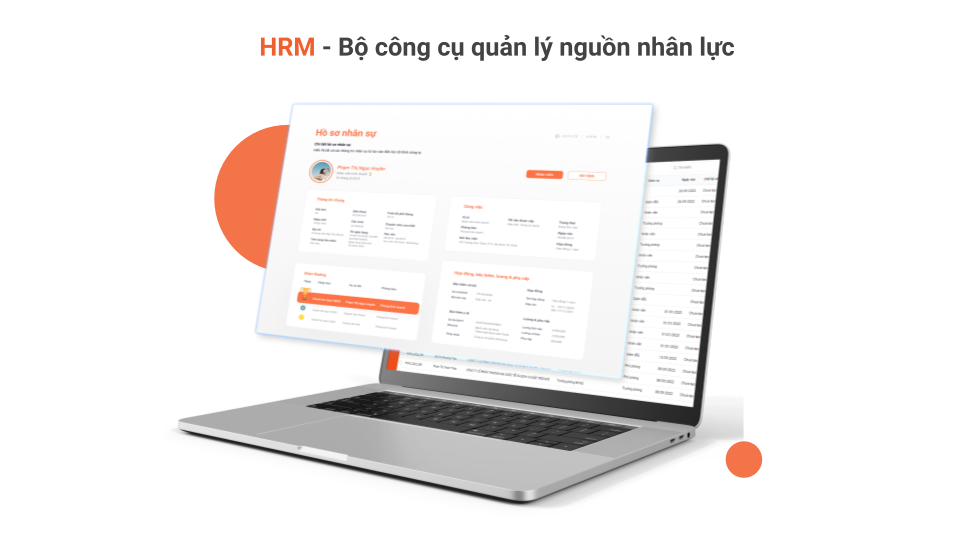
Some outstanding features of 1Office’s HRM software include:
- Digitize all personnel records, labor contracts, insurance information, etc., and store them centrally on the software.
- Comprehensively manage the recruitment process from creating recruitment requests, managing CVs, to evaluating and screening candidates.
- Store complete information for each employee, including their position, salary, bonuses, disciplinary actions, rewards, work history, and appointments.
- Evaluate employee performance and job completion levels specifically and fairly through the ASK model.
- Easily track fluctuations of hundreds or thousands of employees by department thanks to a comprehensive and intuitive reporting dashboard.
- Automatic alert feature for important events such as the end of maternity leave, contract expiration, upcoming appointments, and retirement dates.
- Manage employee KPIs and results; evaluation results are directly linked to the payroll for automatic and quick salary calculation.
Get a free demo of the Human Resource Management feature
The article above has provided comprehensive information on “What is Human Resource Planning“, the role of planning, the step-by-step process, and the most effective Human Resource Management tools on the market. Hopefully, through this article, leaders can build a suitable and professional HR strategy for their business.
If your business needs a consultation or a free demo of the 1Office Human Resource Management software, please contact us via:
- Hotline: 083 483 8888
- Facebook: https://www.facebook.com/1officevn/
- Youtube: https://www.youtube.com/@1office-chuyendoisodn
















