


 12/05/2026
  372 views
Mindset is a crucial factor that affects every aspect of life. Developing your mindset means improving your life for the better because it impacts how each person thinks, expresses their thought process in every action, and reacts in various situations. So, what is mindset, why is it so important, and how can you improve it? 1Office will share everything in the article below.
Mục lục
- 1. What is Mindset?
- 2. What is Mindset Transformation?
- 3. What is a Product Mindset?
- 4. What is a Marketing Mindset?
- 5. The Journey of Mindset Formation: From Subconscious to Conscious Thought
- 6. Common Types of Mindsets
- 7. The importance of mindset
- 8. Developing a mindset in Marketing
- 9. The best ways to build a customer mindset
- 10. Conclusion
1. What is Mindset?
Mindset can be understood as a mental model or worldview that guides how we handle and face situations in life. It has a significant influence on how we think, act, and perceive issues.
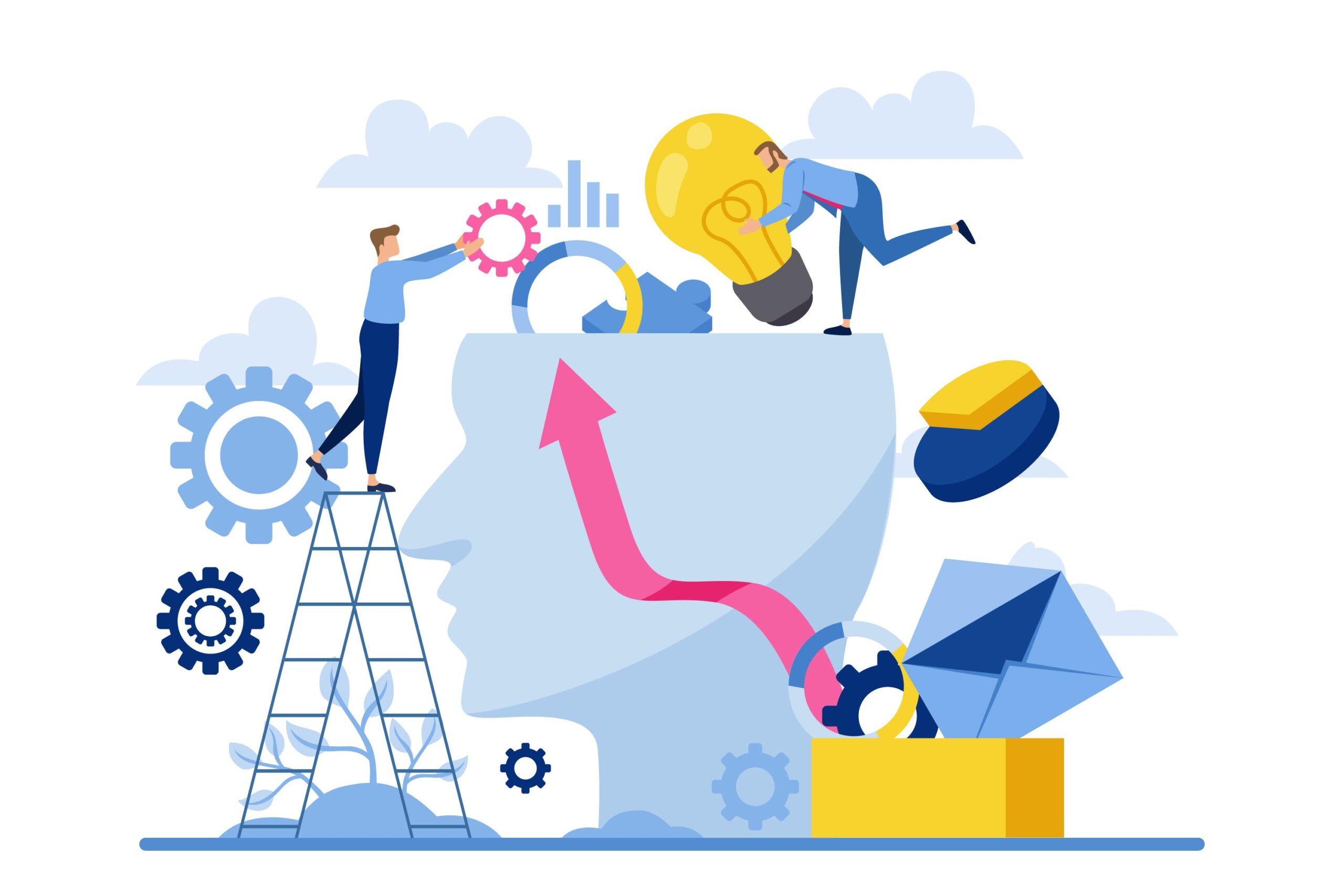
The concept of Mindset was first mentioned in 2006 by Dr. Carol Dweck, a renowned psychologist at Stanford University, in her book, and the concept has become increasingly popular to this day.
2. What is Mindset Transformation?
Mindset Transformation is also known as a shift in thinking. This term represents the process of changing how each person thinks and perceives the world around them, helping to eliminate limiting beliefs and negative thoughts and embrace newer, more positive ideas.
This phrase also refers to changing one’s perception of obstacles. Instead of seeing them as insurmountable milestones, one should embrace them as opportunities to learn and grow. The key is to transform one’s way of thinking to view problems more positively, progressively, and flexibly.
3. What is a Product Mindset?
A Product Mindset is an approach and way of thinking in developing, delivering, and managing products. It focuses on understanding and meeting the needs of the end-user and creating customer value through the product. A Product Mindset is always geared towards understanding the needs, desires, and behaviors of users. The goal is to create a product that best meets their needs, thereby providing them with the best possible experience.
4. What is a Marketing Mindset?
A Marketing Mindset is a way of thinking or an outlook in the field of marketing. This phrase encompasses a marketer’s approach and perspective on their profession and work. A Marketing Mindset focuses on understanding customers, creating value, and effectively increasing customer engagement.
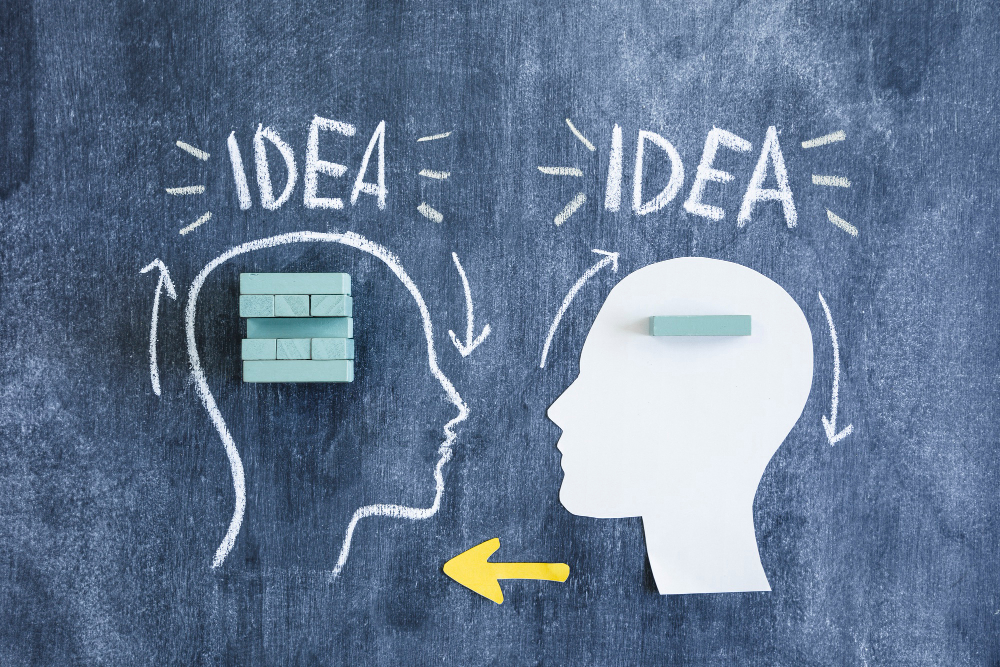
In a marketing mindset, marketers tend to focus on building long-term relationships and retaining customers rather than just making sales. They continuously research customer insights, desires, and motivations to create suitable strategies and products.
Additionally, a marketing mindset also requires marketers to view the market and be creative in a flexible way to always keep up with trends and changes in the industry. This allows them to easily adapt and change their marketing strategies if needed.
5. The Journey of Mindset Formation: From Subconscious to Conscious Thought
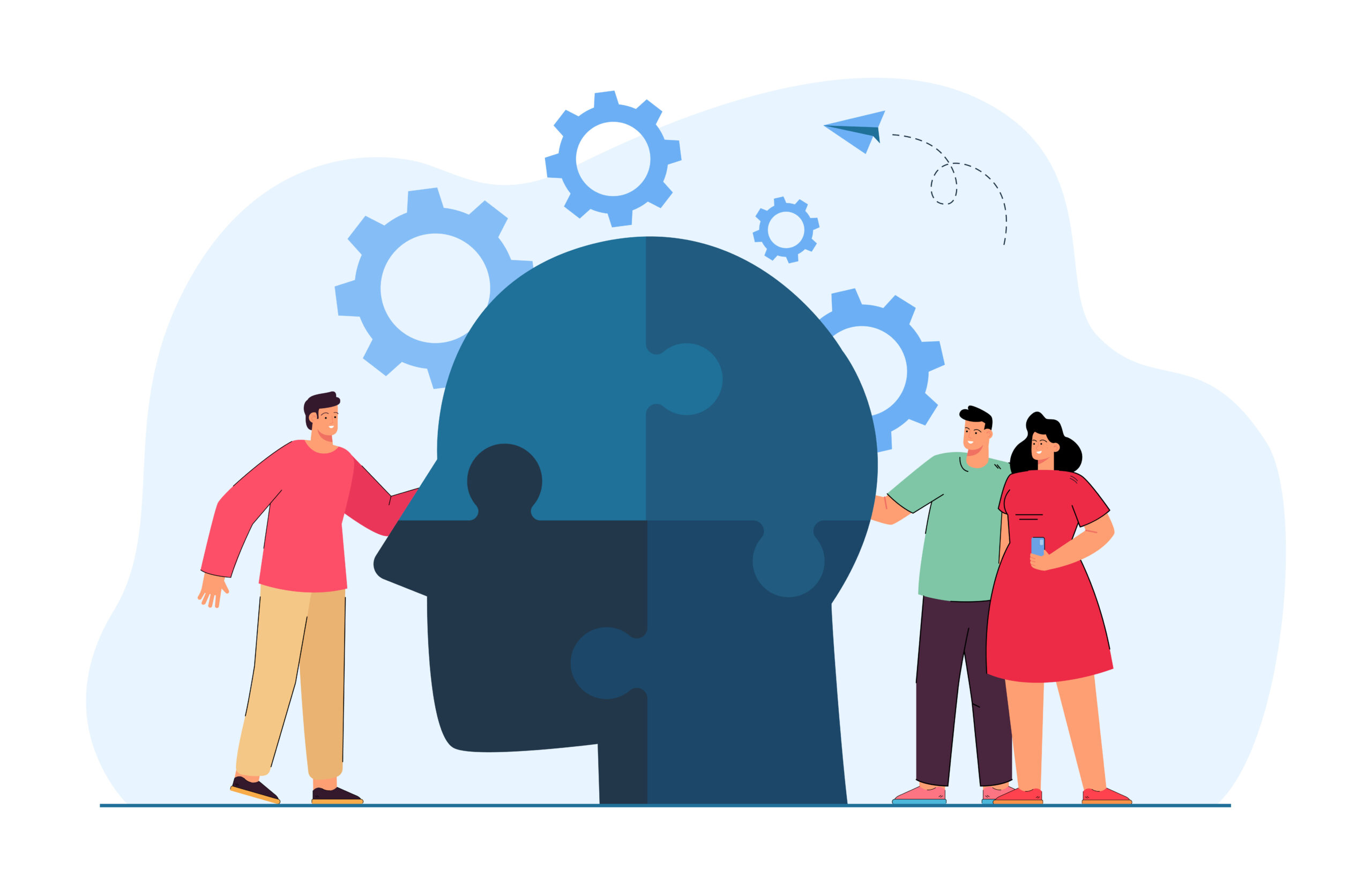
Over 30 years ago, the concept of mindset was first mentioned by Dr. Carol Dweck, a renowned psychologist at Stanford University. Through many years of research on how human thinking affects their success, the doctor identified two main factors that influence the formation of mindset: praise and labeling during a person’s childhood.
Regarding Praise
In a series of experiments studying the process of mindset formation, Dweck and her colleagues discovered that children behave very differently depending on the type of praise they receive.
When a child is praised for their intelligence or the praiser themselves consistently expresses the view that this is a gifted child, this message is conveyed to the child. This can foster in the child a desire to grow, an effort to absorb more new things, and an easier development of their mindset.
Regarding Labeling
When you label a person, you are also shaping who they are. Assigning a person’s characteristics based on stereotypes or associating them with the traits of others can hinder the development of their mindset. It can make them feel pressured to always maintain that image, and at the same time, feel fearful and find it difficult to take on new challenges.
6. Common Types of Mindsets
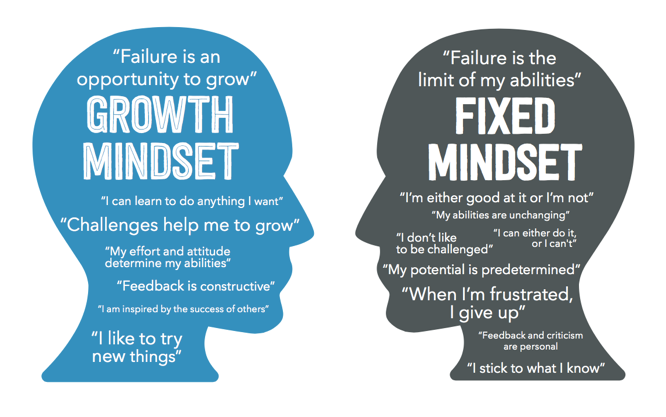
According to the book Mindset – The New Psychology of Success by Dr. Carol Dweck, people possess two main types of mindsets: the Fixed Mindset and the Growth Mindset.
6.1 Fixed Mindset
A fixed mindset, also known as a conservative mindset, is a rigid way of thinking. True to its name, people with this type of mindset often believe that abilities and potential are unchangeable. In other words, they believe that human potential and abilities are innate traits that cannot be developed or honed.
With a fixed mindset, people tend to be reluctant to change and afraid to face new challenges. They often fear negative feedback and can lose their way when facing difficulties, finding it hard to get motivated to recover from setbacks on their challenging career path. A conservative mindset has certain impacts on individuals, such as:
- Limiting potential: Because of their conservative view of their own abilities, people with this mindset are afraid to face new things, thinking they cannot overcome them. They also rarely recover from setbacks because they doubt their own abilities.
- Affecting learning and work: Maintaining a conservative mindset makes people unwilling to absorb new things. They always believe they cannot improve, thus limiting themselves. This leads to numerous consequences, such as: difficulty with personal development, failing to keep up with trends, challenges in collaborating with others, and even being let go from the company.
- Negative impact on mental well-being: By constantly comparing themselves to others, they are prone to negative emotions such as low self-esteem, anxiety, and disappointment in themselves.
6.2 Growth Mindset
Growth Mindset (also known as a progressive mindset) is a more positive and flexible way of thinking when it comes to self-assessing one’s abilities and potential for continuous development and learning.
People with a growth mindset believe they can develop their abilities through knowledge exchange and skill enhancement. For them, challenges are the key to learning and reflecting on their own capabilities. They focus on what they have achieved during the work process and compare themselves to their past selves, rather than just focusing on the final outcome.
Thanks to a forward-looking growth mindset, they are willing to change themselves and their methods. This allows them to improve themselves and adapt their working methods to enhance work efficiency.
7. The importance of mindset
Mindset directly influences people’s thoughts and actions. Having a positive mindset helps individuals grow and achieve great accomplishments in their studies, work, and relationships. Below, 1Office shares with you why mindset is so important.

7.1. Influences perception of events
Mindset is the primary factor that determines how we perceive everything happening around us. With a good mindset, people can view things positively, believe in themselves, and continuously learn to achieve comprehensive development.
Conversely, people with a negative mindset are always afraid of change and reluctant to face challenges. When they cannot adapt to new things, they tend to doubt their own abilities, give up easily, and get ‘drowned’ in that stream of negative thoughts. To improve this, each of us needs to equip ourselves with knowledge about what a mindset is.
7.2. Influences actions
Your mindset greatly influences how you act. With a mindset that is always ready to learn, people will strive every day to improve themselves, aiming to excel in their work. In contrast, those with a fixed mindset are always fearful and hesitant to approach new things. Therefore, they do not proactively address their shortcomings, which leads to many disadvantages in their learning and work processes.
7.3. Affects academic and work results
Developing a roadmap for self-improvement in the right direction will help boost work performance. People with a Growth Mindset will gradually achieve unexpected breakthroughs. However, those with a Fixed Mindset lack the motivation for self-development and are content with just completing their tasks. They even get easily discouraged and give up halfway when work becomes complicated.
8. Developing a mindset in Marketing
Marketing encompasses all activities aimed at attracting the attention of potential customers and encouraging them to purchase a company’s products/services. It includes many activities such as market research, advertising, product distribution, and more.
Today, all businesses aim for long-term development. Therefore, businesses must not only boost marketing activities to attract new customers but also build long-lasting relationships and retain existing ones. This allows the company to encourage them to continue using its products/services or suggest they try other products and services.

According to complete statistics from DataReportal, as of 2024, 79.1% of Vietnamese people use the Internet for an average of 5 hours a day. With such a large number, marketing campaigns need to reach and cover digital platforms to more easily access the target customer audience.
However, marketing campaigns should not be deployed only on traditional media channels or on digital media. It is necessary to select information and deploy it across multiple channels to achieve the best revenue results.
9. The best ways to build a customer mindset
Understanding customer insight is a top priority in building a marketing plan. To clearly understand customer needs, wants, and behaviors, building an effective customer mindset is essential. Below, 1Office would like to share with you some effective ways to build a customer mindset.
9.1. Market research and customer personas
The most practical way to conduct market research and create customer personas is through surveys or interviews. Through these surveys, businesses can gather information about their demographics, needs, wants, and buying journey.

After collecting the necessary information, businesses can proceed to analyze customer data, their activities in the digital space, and the appropriate timing to deploy marketing strategies.
Besides focusing on analyzing issues surrounding your business’s products/services, it is necessary to research competitors. This helps to firmly grasp the product’s strengths, weaknesses, and what its outstanding advantages are compared to competitors. From there, you can clearly understand market fluctuations and the business’s position.
9.2. Put yourself in the customer’s shoes, understand the customer mindset
To understand what a customer’s mindset is, try putting yourself in the shoes of the potential customers your business is targeting. Imagine from their perspective what problems they are facing and how they want to solve them. What customer needs has the product met or not yet met? At the same time, it’s necessary to constantly research and update the factors that influence a customer’s purchasing decision.
9.3. Continuously Update Market Trends
Over time, customer needs can change. Therefore, businesses need to constantly update market trends to review changes in customer behavior. In addition, keeping up with trends also helps businesses promptly provide and advise customers on suitable products/services.
9.4. Build the Customer Experience
In parallel with accurately portraying the customer persona, being completely confident in the product’s features, and having a marketing strategy that “touches” potential customers, businesses need to focus on creating the customer experience.
It includes all the touchpoints a customer has with the business, from researching information, making a purchase, and using the product/service to providing feedback and sharing their experience. Focus on providing customers with the best experiences so they have a positive impression of the business and are willing to become loyal customers.
10. Conclusion
In this article, 1Office has shared with you knowledge surrounding the question of what mindset is, its classifications, and terms related to ways of thinking. We hope you have gained the necessary information about mindset and are ready to start improving your way of thinking to better yourself and elevate your business management.
















