


 12/05/2026
  247 views
In an era where environmental and social issues are becoming increasingly urgent, sustainable development has become an indispensable factor for the long-term success of businesses and communities. But what exactly is sustainable development, and why is it so important? In this article, we will explore the concept, principles, and current state of sustainable development, thereby clarifying its role in ensuring a stable and prosperous future for both the planet and humanity.
Mục lục
- 1. What is sustainable development?
- 2. Practical examples of sustainable development in Vietnam
- 3. Why is it necessary to promote sustainable development?
- 4. Criteria and content of sustainable development
- 5. Corporate Sustainable Development Strategy
- 6. The current state and goals of sustainable development in Vietnam
- 7. Conclusion
1. What is sustainable development?
Sustainable development is the concept of comprehensive societal development that meets the needs of the present generation without compromising the ability of future generations to meet their own needs. The three core elements of sustainable development include:
- Economic growth
- Ensuring social equity
- Environmental protection
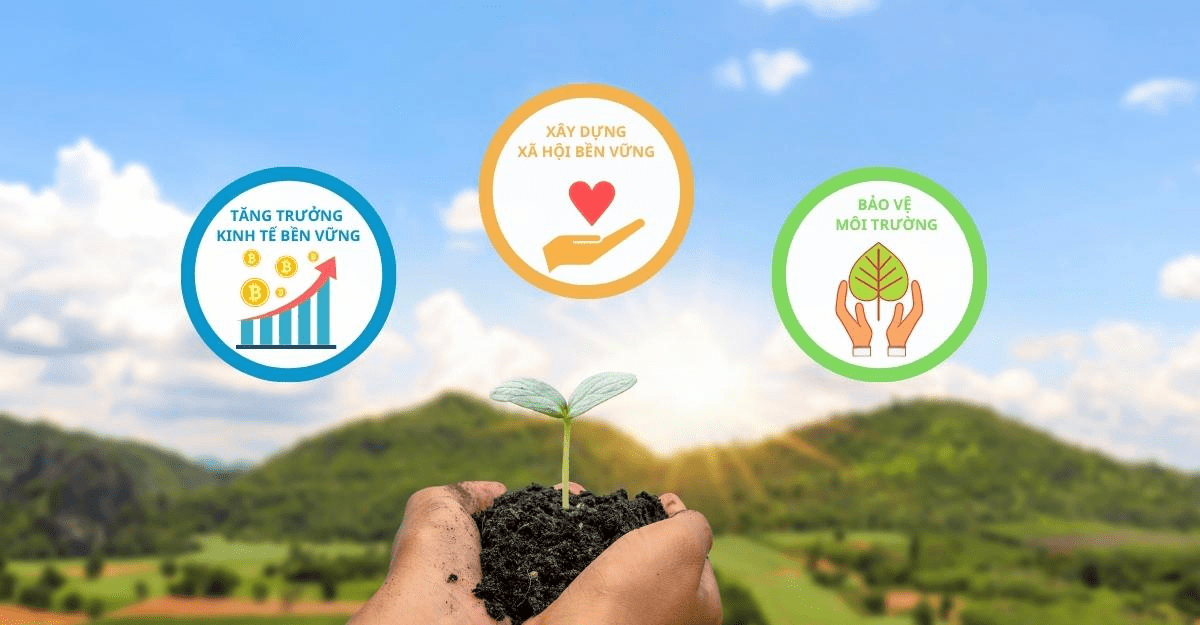
The principle of sustainable development is based on human progress, ensuring equity between generations. This is a common goal for many countries worldwide, and each nation will build a sustainable development strategy tailored to its specific economic, political, cultural, social, and geographical characteristics.
2. Practical examples of sustainable development in Vietnam
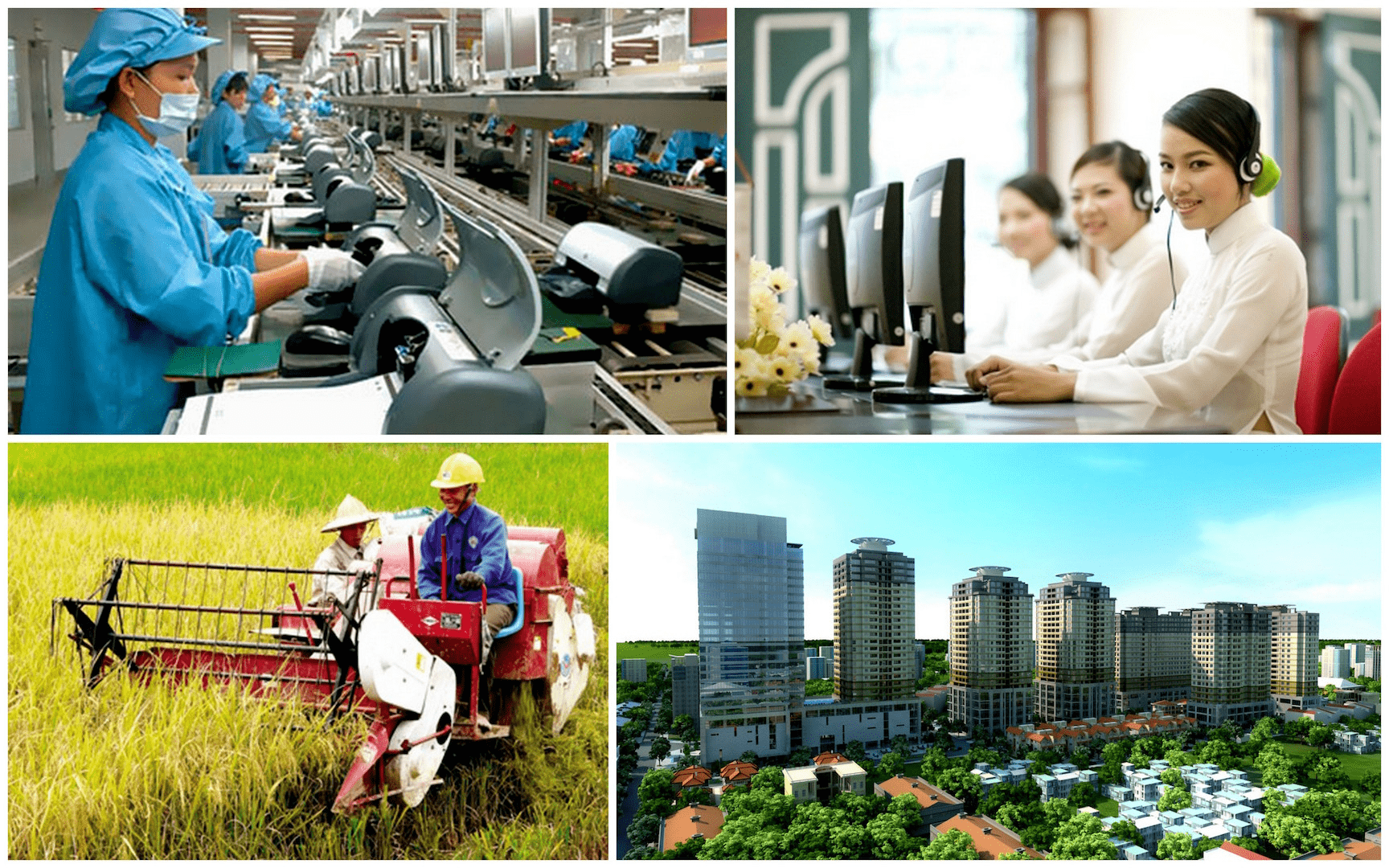
In Vietnam, the concept of sustainable development has been integrated into national socio-economic development policies and strategies. A typical example is the development of renewable energy, especially solar and wind power, which helps reduce dependence on fossil fuels and minimize greenhouse gas emissions. These projects not only contribute to environmental protection but also create numerous jobs for workers, contributing to sustainable economic development.
Additionally, forest protection and development is another example of sustainable development in Vietnam. The government has implemented several programs such as Program 327 and Program 661 (also known as the 5 Million Hectare Reforestation Program) to protect and expand forest areas, thereby protecting ecosystems, maintaining biodiversity, and improving the livelihoods of people in highland areas.
3. Why is it necessary to promote sustainable development?
Promoting sustainable development is not only important for nations but also particularly crucial for businesses and communities. There are many reasons to explain why sustainable development is necessary, and below are three main ones:
3.1. Climate stability and environmental protection
The global climate is changing at an unprecedented rate, largely due to human activities. Sustainable development helps minimize human impact on the environment, thereby contributing to climate stability. Measures such as reducing greenhouse gas emissions, protecting forests and oceans, and using renewable energy are all practical actions toward this goal.
Furthermore, protecting the environment also means safeguarding natural resources, ensuring they will continue to exist and be available for future generations. This not only helps maintain natural ecosystems but also supports stable, long-term economic development.
3.2. Meeting human needs
Sustainable development is also key to meeting human needs, both materially and spiritually. Sustainable development models must ensure that everyone has access to basic services such as education, healthcare, and clean water, as well as opportunities to participate in economic and social activities.
In particular, sustainable development must also focus on poverty eradication, improving quality of life, and reducing social inequality. This means not only focusing on economic growth but also ensuring that all citizens benefit from that development.
3.3. Maintaining biodiversity
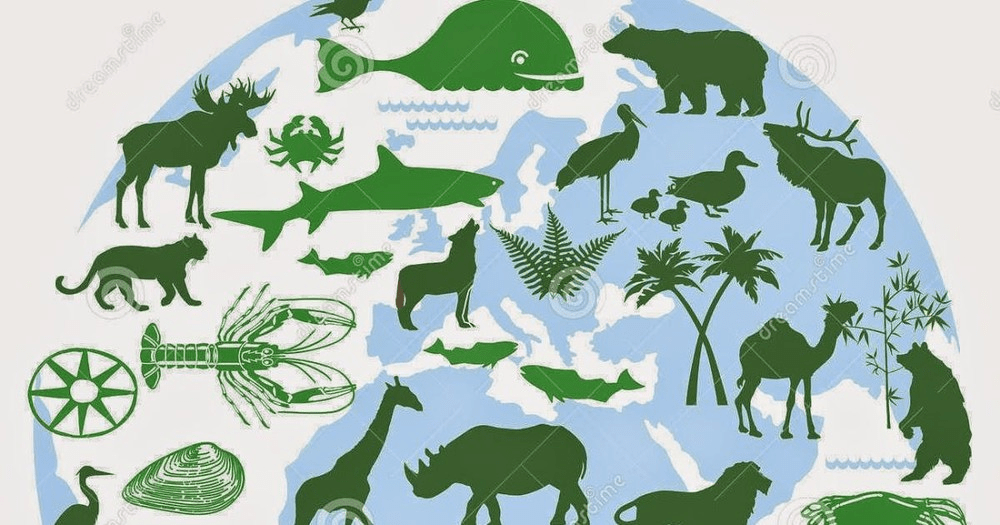
An important aspect of sustainable development is protecting and maintaining biodiversity. Biodiversity is the foundation of life on Earth, providing food, medicine, and other natural resources for humanity. However, unsustainable economic development has been causing a serious decline in biodiversity, threatening the existence of many species and ecosystems.
Sustainable development aims to conserve and restore ecosystems, protect animal and plant species from the risk of extinction, and maintain ecological balance. This not only helps protect the environment but also ensures that humans will continue to receive essential benefits from nature.
4. Criteria and content of sustainable development
Sustainable development is a complex concept, encompassing many different factors and criteria. To achieve sustainable development, countries, organizations, and businesses need to pay attention to three main aspects:
4.1. Economic Aspect
Sustainable economic development involves promoting rapid growth while ensuring the economy operates safely and stably. This requires the entire economic system to develop synchronously, while creating favorable conditions for accessing resources and sharing their usage rights equitably for all economic activities.
The focus of sustainable economic development is to create shared prosperity for everyone in society, not just concentrating on the benefits of a few. At the same time, this development must not violate basic human rights and must adhere to the permissible limits of the ecosystem.

Some aspects of sustainable economic development include:
- Using energy-saving technology and adjusting lifestyles to minimize energy and resource consumption, while also changing consumer habits.
- Promoting adjustments in consumption needs and living habits to protect the environment and maintain biodiversity.
- Ensuring equitable access to resources, improving living standards, and providing healthcare and education services for everyone.
- Eradicating hunger, reducing poverty, and narrowing the gap between social classes, aiming to build a just and sustainable society.
- Using clean technology and promoting ecological practices in industrial production, including recycling, reusing, minimizing waste, and recovering used energy sources.
To build a sustainable economy, it is necessary to ensure high GDP growth and high GDP per capita. Developed countries need to maintain stable GDP growth, while developing countries need to achieve an annual GDP growth rate of about 5% to ensure they are moving towards sustainable development.
An important factor in assessing the sustainable development of an economy is the GDP structure. Growth can only be sustainable when the GDP share of the industrial and service sectors surpasses that of the agricultural sector.
Economic growth must be achieved safely and effectively, without accepting any form of growth at all costs.
Socially sustainable development is the process of ensuring fairness and equality in society, with the goals of eradicating poverty, creating jobs, and increasing income for workers. More importantly, it ensures that everyone has the opportunity to access basic services like healthcare and education without causing negative impacts on the economy and the environment.
To assess the sustainable development of a society, one can rely on a range of important indicators such as the quality of education, healthcare, social welfare, and cultural enjoyment. These indicators are often combined with the income equality coefficient and the Human Development Index (HDI) to provide a comprehensive view of the level of social sustainability.
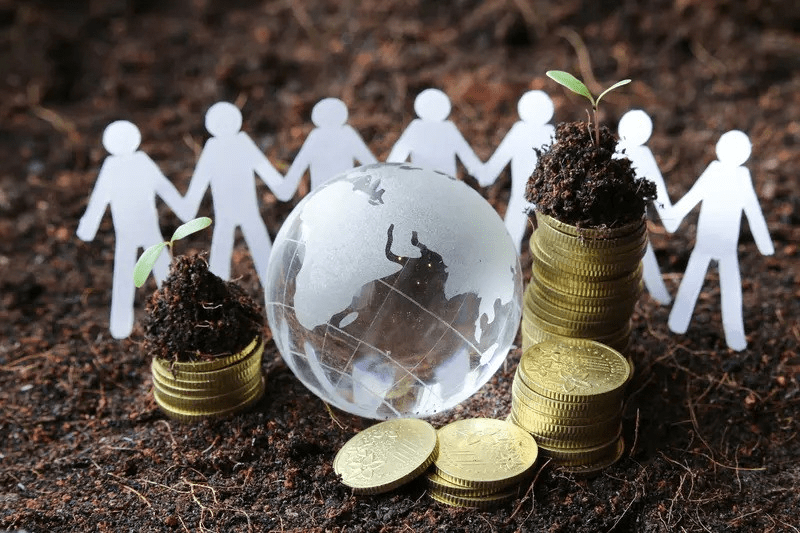
Social sustainability is not just about ensuring harmony in social life, but also about creating equality among different classes, strata, and members of society. Minimizing disparities in living standards between regions is also a crucial goal, aiming to narrow the wealth gap and promote more even development.
Some basic aspects of socially sustainable development include:
- Building a stable population environment and promoting rural development to reduce migration pressure on urban areas.
- Promoting measures to mitigate the negative impacts of urbanization on the environment and natural resources.
- Strengthening educational programs to improve literacy and eradicate illiteracy.
- Preserving and promoting cultural diversity within the community.
- Focusing on meeting the needs and rights of all people, ensuring equal conditions for everyone.
- Enhancing the participation of all classes and members of society in decision-making processes and the management of public affairs.
4.3. Regarding the Environment
The processes of industrialization, modernization, tourism and agricultural development, as well as urbanization and new rural construction, have had a strong impact on the country’s environment and natural conditions. While these activities bring many economic and social benefits, they also pose significant challenges to environmental protection and maintaining ecological balance.
Environmental sustainability means that when exploiting and using natural elements, it is necessary to ensure that the quality of the human living environment is maintained at a safe level. This includes maintaining the quality of land, water, air, geographical space, and natural landscapes in a clean and healthy state. Protecting and improving the quality of these elements should be considered a top priority, regularly assessed and inspected based on national or international standards.
One of the important criteria for environmental sustainability is the rational exploitation and use of natural resources, while protecting and improving the quality of the living environment. Environmental sustainability requires maintaining a balance between environmental protection and natural resource exploitation to ensure that the level of exploitation is kept within permissible limits. This helps the environment continue to support living conditions for humans and other organisms on the planet without causing serious consequences.
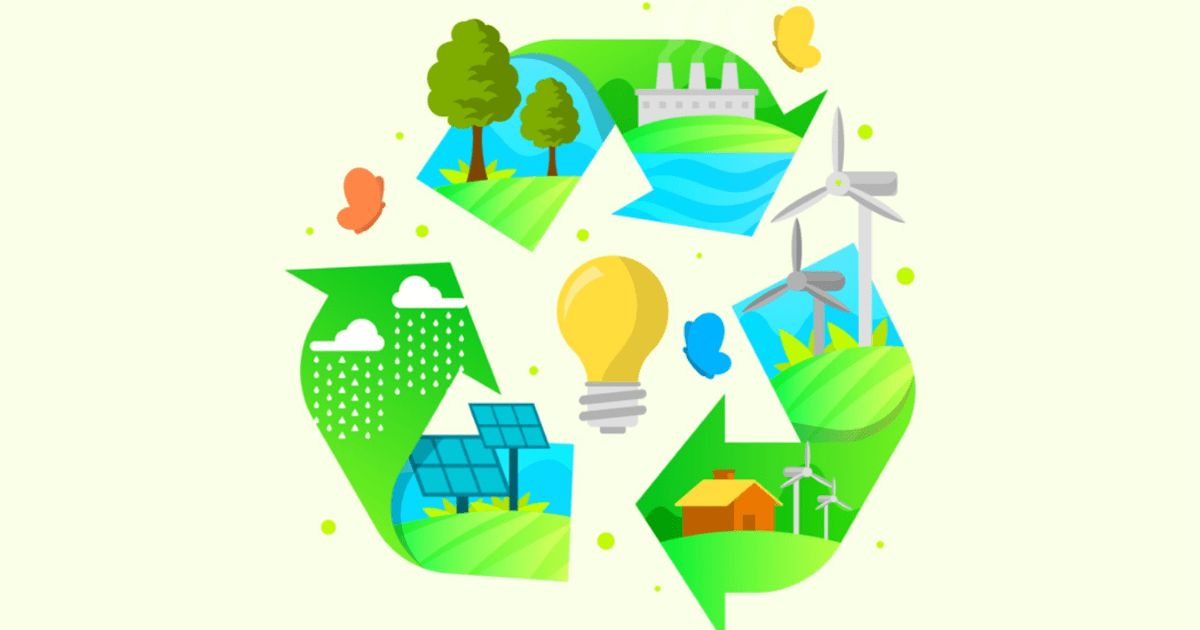
Some key aspects of environmental sustainability include:
- Developing a sustainable development strategy to maintain economic growth without causing negative impacts on the ecosystem.
- Protecting and maintaining biodiversity.
- Controlling and minimizing greenhouse gas emissions to help stabilize the global climate.
- Carefully managing ecosystems vulnerable to external impacts, such as wetlands, mangrove forests, or coral reefs.
- Applying measures to minimize waste discharge and remediate pollution of the atmosphere, water sources, land, and food, while focusing on improving and restoring the environment in severely polluted areas.
5. Corporate Sustainable Development Strategy
5.1. Sustainable Economic Development
- Clearly Define Business Goals
When starting a new project or activity, every business needs to answer the key question: “Why are we doing this?” This is a crucial factor that guides all of the company’s activities, from recruitment, marketing, and sales to new product development.
- Build an Effective Corporate Governance System
To ensure sustainable development, entrepreneurs and managers need to be steadfast in their long-term strategy. However, the needs and conditions of the business may change in different stages, so leaders need to adjust their short-term vision to fit the actual situation of the internal environment and macro and micro factors. Corporate governance must be implemented synchronously and effectively to create a sustainable competitive advantage in the market.
- Build and Maintain Corporate Culture
Corporate culture reflects the company’s strategy and core values, and plays a crucial role in maintaining sustainable development. It inspires employees and reinforces the company’s values. A strong corporate culture not only enhances productivity and work quality but also creates uniformity and encourages long-term employee commitment to the organization.
- Care for and Protect the Product Brand
A brand, although an intangible element, is extremely important in creating value and profit for a business. To maintain sustainable development, leaders need to understand the importance of building a brand identity and creating an emotional connection with customers. This connection not only brings customers closer to the product but also builds long-term loyalty and attachment to the brand.
- Continuously Innovate and Create
In the context of global economic integration and the strong development of the Industry 4.0 Revolution, innovation and creativity are key factors for the survival and development of a business.
Innovation is not just about developing new products and technologies but also includes improving methods of communicating with customers, customer care, and internal working methods. Creativity in all areas of the business is necessary to maintain competitiveness and meet the changing needs of the market.
5.2. Pay Attention to Environmental Health and Safety
Effectively managing environmental impacts is a crucial indicator for assessing success in addressing a company’s strategic and operational challenges. Consequently, investors are increasingly interested in environmental information to predict business risks and evaluate the sustainable development commitments of companies in their investment portfolios.
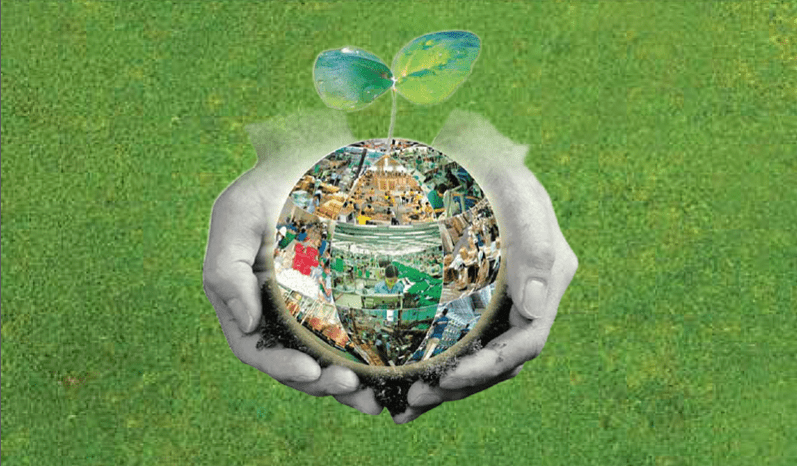
To build a suitable strategy, businesses need to identify and assess trends that impact the environment and ecosystem. This includes understanding global issues, related challenges and opportunities, as well as factors affecting the organization’s business environment.
During their operations, businesses should take specific actions such as creating and maintaining green landscapes, clean and safe workspaces, and ensuring the work environment is friendly not only to employees but also to the surrounding community.
5.3. Efforts to build gender equality in the workplace
In a gender-equal society, both men and women have equal access to services such as education, healthcare, vocational training, employment opportunities, and income development opportunities. Gender equality also includes participation without gender discrimination in economic, cultural, social, and political activities. This equality does not mean that men and women are identical, but that their similarities and differences are recognized and respected.
Businesses aiming for sustainable development recognize that promoting gender equality in HR policies is a key factor in enhancing productivity, labor efficiency, and employee connection to the organization.
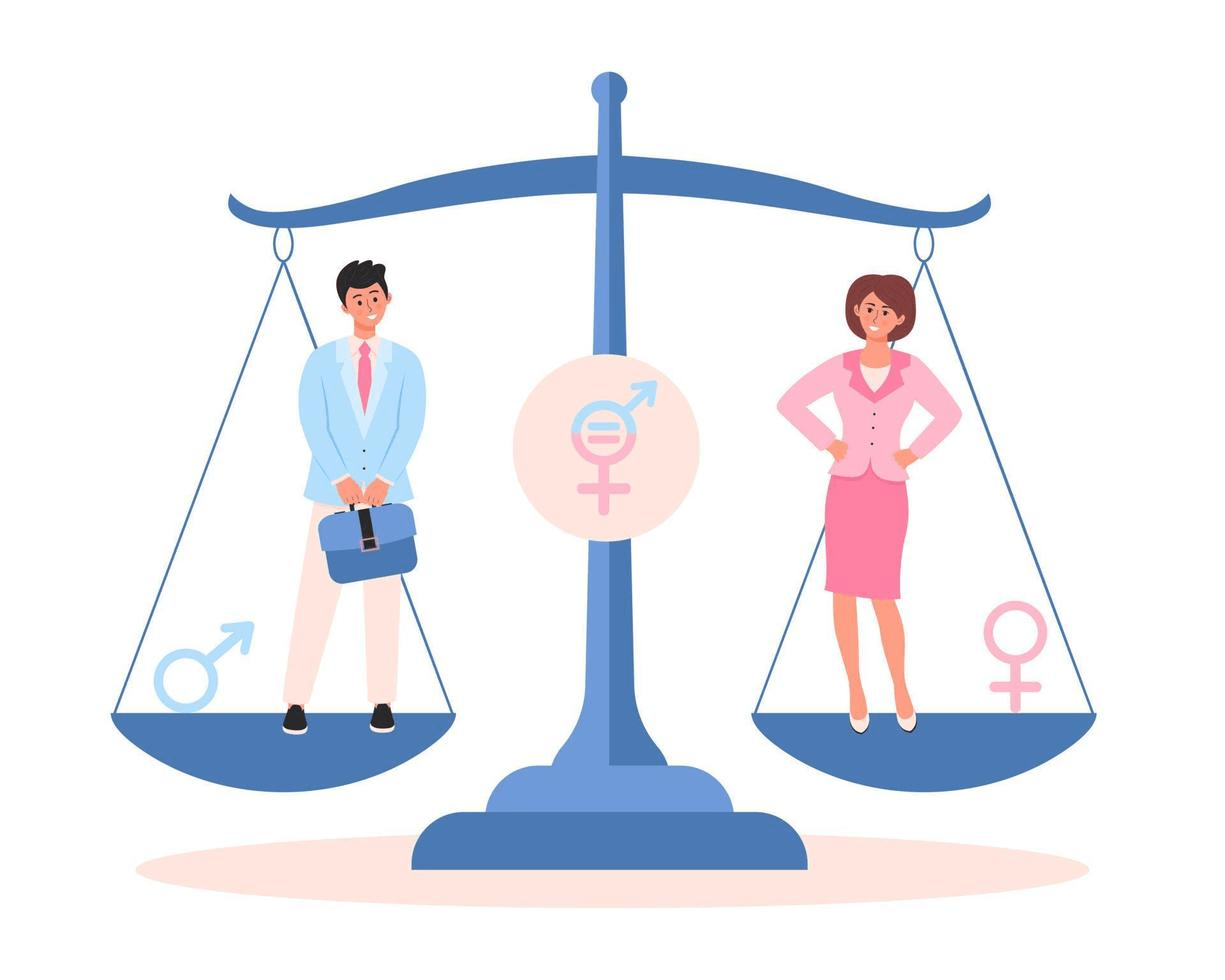
According to international assessments, committing to gender equality and promoting economic empowerment for women brings comprehensive benefits to businesses, including improved performance, enhanced brand reputation, talent attraction, and increased influence in the global business community.
6. The current state and goals of sustainable development in Vietnam
The current state of sustainable development in Vietnam has seen significant progress recently, but many challenges remain. Vietnam has committed to pursuing the United Nations’ Sustainable Development Goals (SDGs) and is gradually implementing measures to achieve them.
However, issues such as environmental pollution, the wealth gap, and protecting the rights of vulnerable groups in society still persist. To achieve sustainable development in Vietnam, close coordination between the government, businesses, and the community is necessary for implementing policies and action programs.
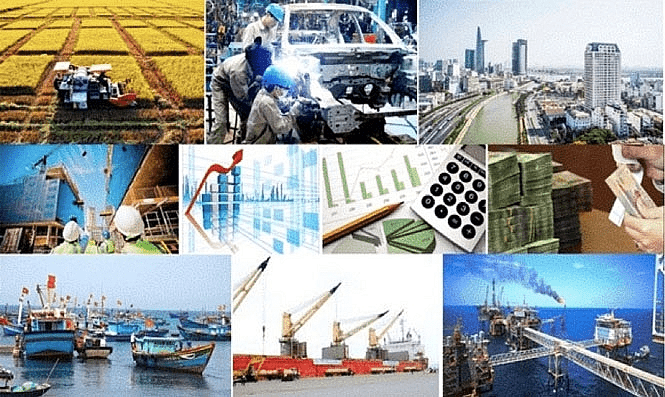
Vietnam’s sustainable development goals by 2030 set the following specific targets:
- Average GDP growth rate to reach about 7% per year. By 2030, GDP per capita is expected to reach approximately $7,500.
- The GDP structure is expected to be distributed as follows: the service sector over 50%, the industry-construction sector over 40%, and the agriculture, forestry, and fisheries sector under 10%.
- The social labor productivity growth rate is expected to exceed 6.5% per year. The contribution of total factor productivity (TFP) to growth is expected to exceed 50%.
- The Human Development Index (HDI) is expected to reach 0.8 or higher, improving quality of life and ensuring national defense and security.
- Social services and social security will be enhanced, creating conditions for a happy and stable life.
- Infrastructure will be invested in to be synchronized and modern, with at least 5 cities expected to be on par with international standards, serving as development hubs connecting with regional and international urban networks.
7. Conclusion
Sustainable development is not just a trend but a vital goal for nations and businesses. Implementing sustainable development strategies helps protect the environment, maintain biodiversity, and ensure social equity, all while promoting economic growth. By coordinating these three elements, we can build a prosperous and sustainable future for current and future generations.
















