12/05/2026
  319 views
You may have heard about a person’s competency, but do you really understand what competency is? And when someone is praised for being “competent,” what specific competency is being referred to? This article by 1Office will answer your questions about competency and provide methods for accurate competency assessment.
Mục lục
1. What is competency?
Competency is the knowledge, skills, and personal characteristics applied when performing a specific goal or task. Competency is largely formed, cultivated, and acquired through learning, training at school, work, real-world experience, and more.
The results a person achieves will demonstrate their competency. Depending on the specific goal or task, a person’s competency will be evaluated based on criteria of ability, skill levels, and knowledge.

2. Common types of competencies today
Competency is divided into 2 distinct types: general competency and professional competency.
– General competency: These are basic and essential competencies used flexibly in many fields and situations. General competencies are formed and developed from innate qualities, experiences, and each person’s cultivation process. For example: communication skills, logical thinking, time management skills, problem-solving skills, etc.
– Professional competency: These are specific competencies directly related to a particular field, industry, or job. Professional competencies are formed and developed based on general competencies but in a more specialized and distinct direction. For example: programming ability, accounting knowledge, graphic design skills, etc.
General and professional competencies do not exist independently. They have a close relationship and influence each other. General competency is the foundation, making it easier to learn and develop professional competencies. At the same time, professional competency also positively impacts the refinement of general competency.
Some common competencies needed at work include: leadership and management competency, time management skills, work management skills, problem-solving skills, teamwork skills, communication, etc.
3. Characteristics of competency
Recognizing a person’s competency is not difficult. The following characteristics of competency will help you grasp what it entails:
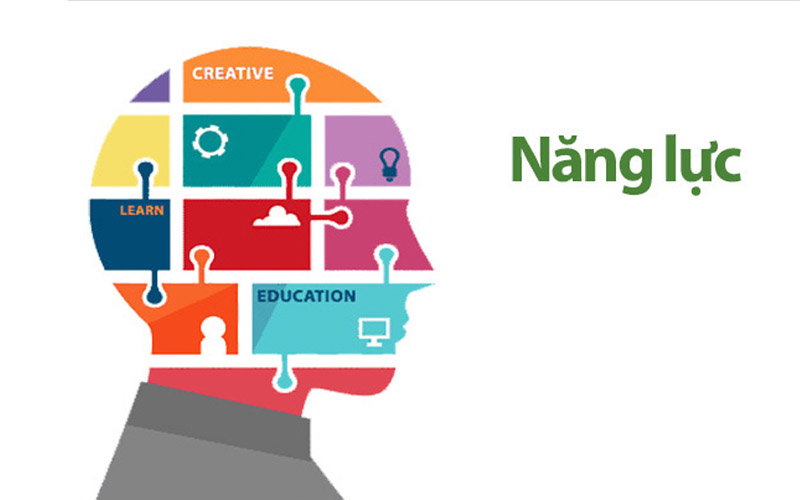
- Multi-faceted integration: Competency involves combining knowledge, skills, and attitude.
- Personal orientation: It reflects personal style and values, deeply connected to personality.
- Related to experience and practice: Competency is formed through practice, training, and real-world experience.
- Integration of improvement and application: Competency not only represents knowledge but also the ability to apply it in specific situations.
- Performance and individual differentiation: Competency demonstrates job understanding, productivity, and effectiveness that has been and is being applied in a profession, or is ready to be used in the future.
- Realization capability: Competency needs to be proven and demonstrated through actions and actual achievements.
- Influence from environmental and social factors: Competency is influenced and affected by people, family, work environment, and educational environment.
4. The constituent elements of competency
Competency is composed of 5 elements: knowledge, skills, attitude and mindset, experience, and abilities. Specifically:

- Knowledge: This is the information, data, and knowledge learned and understood about a specific field. Typically, knowledge is divided into 3 competencies: understanding of professional expertise, understanding of the business domain, and foreign language proficiency.
- Skills: This is the ability to perform specific activities effectively and with quality. This can include physical skills like working with tools, as well as soft skills like communication and time management.
- Attitude and Mindset: This is a state expressed through each person’s behavior and emotions via gestures, words, actions, etc.
- Experience): This is what a person learns by performing tasks and activities they have done before. Experience helps apply knowledge and skills to real-world situations and is a valuable source of learning.
- Abilities: These are special skills and personal talents for performing specific activities. They play an important role in succeeding in fields that require unique talents, but they need to be combined with knowledge, skills, and attitude to achieve the best performance.
5. The Role of Competency for Individuals
Competency is not only the key to unlocking opportunities, but it also helps people overcome challenges, thereby achieving success and creativity in life and work.

- Efficiency and Success: Competency determines personal performance and achievements. Competent individuals often work effectively and achieve success.
- Confidence and Motivation: Competency fosters confidence and motivation. When facing challenges or difficulties, competent individuals overcome them with ease.
- Creativity and Flexible Thinking: Competency encourages creativity and flexible thinking. This creates a distinction in one’s personal and professional development journey.
- Creating Opportunities: Competency helps open up many opportunities. Competent individuals are often considered for and given opportunities for career development.
- Continuous Personal Development: Competency drives personal development through learning and skill refinement. Competent people constantly grow and enhance their abilities.
6. How to Enhance Competency Quickly and Effectively
To enhance your competency quickly and effectively, you can take the following steps:

- Define specific goals for the competencies you want to develop. The goals should be measurable and align with your personal development path.
- Seek opportunities to learn and acquire new knowledge. Read books, take courses, and explore online resources to enhance your knowledge and skills.
- Apply knowledge and skills in practice. Undertake real-world tasks to reinforce and effectively develop your competencies.
- Dedicate time daily to practice and hone your skills. Stick to a plan and maintain discipline to ensure continuous progress.
- Seek feedback and learn from competent and successful individuals in your field. Their shared experiences and suggestions can help you develop faster.
- Seek new challenges and situations to step out of your comfort zone. Facing difficulties helps you train and develop your competencies comprehensively.
- Developing competency requires patience and self-confidence. Maintain an optimistic spirit, believe in your own abilities, and persevere throughout the development process.
7. How to Assess Competency? When to Assess Competency
The timing and method of competency assessment depend on the evaluation’s objective. This can occur periodically or on an ad-hoc basis, depending on the specific needs and purposes of the organization or individual. However, competency assessment should follow these sequential steps:

- Define Assessment Objectives: Determine the specific objective of the competency assessment, whether you want to assess for recruitment, personal development, or performance evaluation purposes.
- Choose an Assessment Method: Select a method appropriate for the objective, such as scoring, interviews, observation, or practical tests.
- Define Assessment Criteria: Define the specific criteria you want to assess, including knowledge, skills, attitude, and work performance.
- Gather Information: Collect information from various sources, such as interviews, tests, work data, or feedback from colleagues and superiors.
- Analyze and Evaluate: Evaluate the collected information to measure competency based on the defined criteria. Compare it against a specific benchmark or standard.
- Provide Feedback: Provide specific feedback and create a competency improvement plan for the individual, focusing on both strengths and weaknesses.
- Establish necessary actions or decisions: For example: creating a personal development plan to enhance competency, making hiring decisions, etc.
Thus, the article above has provided a detailed explanation of “what competency is” as well as related content about competency. We hope this information is helpful to you! We wish you success!