


 12/05/2026
  253 views
In the context of the vibrant Fourth Industrial Revolution, the digital economy is driving change in the tourism industry, gradually transforming interaction methods and enhancing the experience for both domestic and international tourists. So, what achievements has digital transformation in Vietnam’s tourism industry made so far? How can digital transformation be implemented synchronously and effectively? Let’s explore this with 1Office in the article below.
Mục lục
- What is digital transformation in the tourism industry?
- The role of digital transformation in the tourism industry
- Benefits of digital transformation in the tourism industry
- The current state of Vietnam’s tourism industry
- Opportunities and challenges of digital transformation in tourism
- Global trends in digital transformation in tourism
- 1Office – The Solution to Drive Digital Transformation in the Tourism Industry
What is digital transformation in the tourism industry?
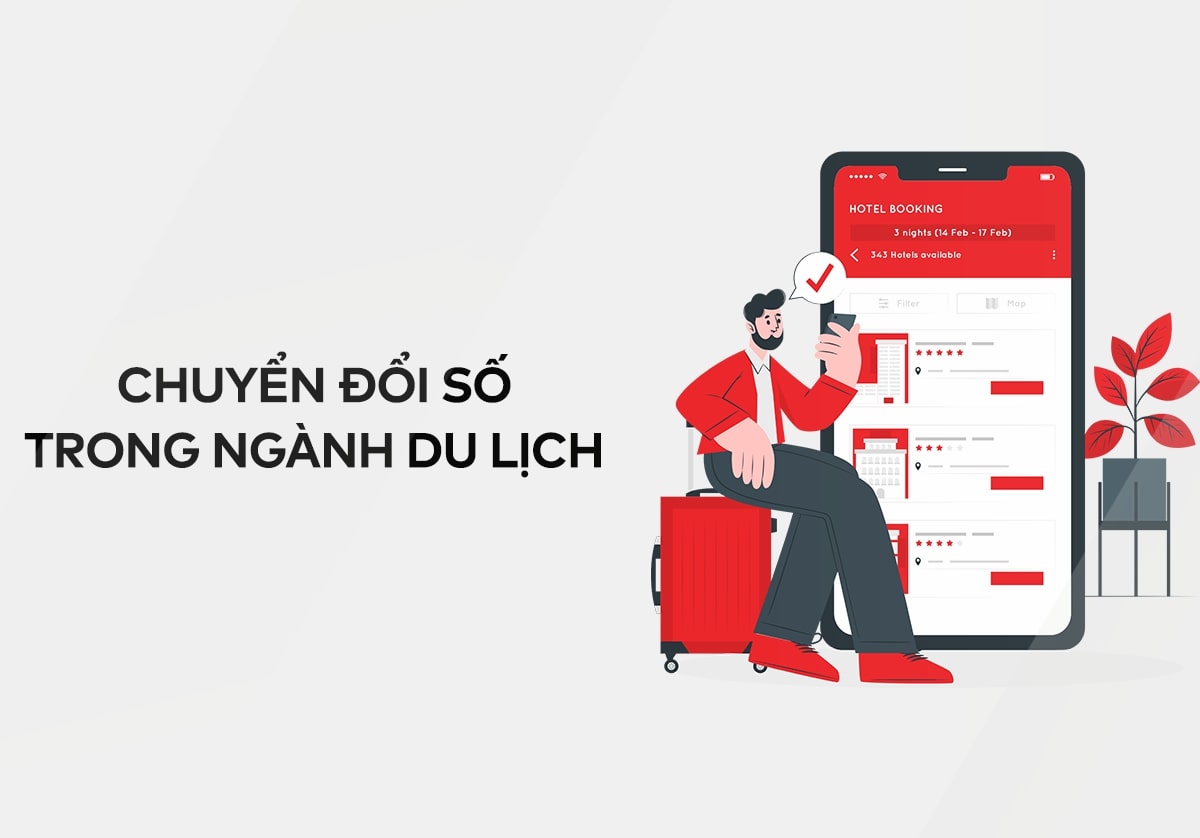
Digital transformation in the tourism sector is the process of shifting from traditional business and marketing models to more modern ones, focusing on improving the tourist experience through a data-driven digital value chain. This helps ensure that tourists have a convenient, luxurious, and memorable vacation and entertainment experience.
In the tourism sector, digital transformation represents a change in how tourists travel, experience tourism, conduct tourism business, and manage tourism through the use of data and digital technology. In recent years, the concept of “digital transformation in tourism” has become popular and is increasingly attracting attention. The strong spread of Industry 4.0, with the emergence of new technologies such as artificial intelligence (AI), the Internet of Things (IoT), big data, blockchain, and virtual reality (VR)… has had a profound impact on all aspects of socio-economic life.
The role of digital transformation in the tourism industry
Digital transformation in the tourism sector plays a crucial role as it brings many benefits to both businesses and customers in the industry. Here are some reasons why digital transformation is necessary in the tourism sector:
- Improve customer experience: Digital transformation helps enhance the customer experience by increasing convenience and flexibility in booking accommodations, tours, payments, and communication. It becomes easier for customers to search, compare, and book tourism service packages online through the applications and websites of tourism businesses.
- Enhance efficiency and productivity: Digital transformation helps tourism businesses optimize management and operations, saving time and costs. Technologies like artificial intelligence, big data, IoT, and blockchain are applied to manage data, optimize operations, and improve service quality.
- Create new products and services: Digital transformation allows tourism businesses to create new products and services that meet market changes. For example, services like virtual tours, simulated tourism, and virtual reality… will bring unique experiences to customers.
- Address new challenges: Digital transformation supports tourism businesses in facing new challenges. Technologies can help reduce direct contact between customers and staff, improve safety, service quality, and make the customer experience more positive.
Digital transformation is essential in the tourism industry to optimize the customer experience, efficiently manage business operations, create new products and services, and face new challenges.
Benefits of digital transformation in the tourism industry
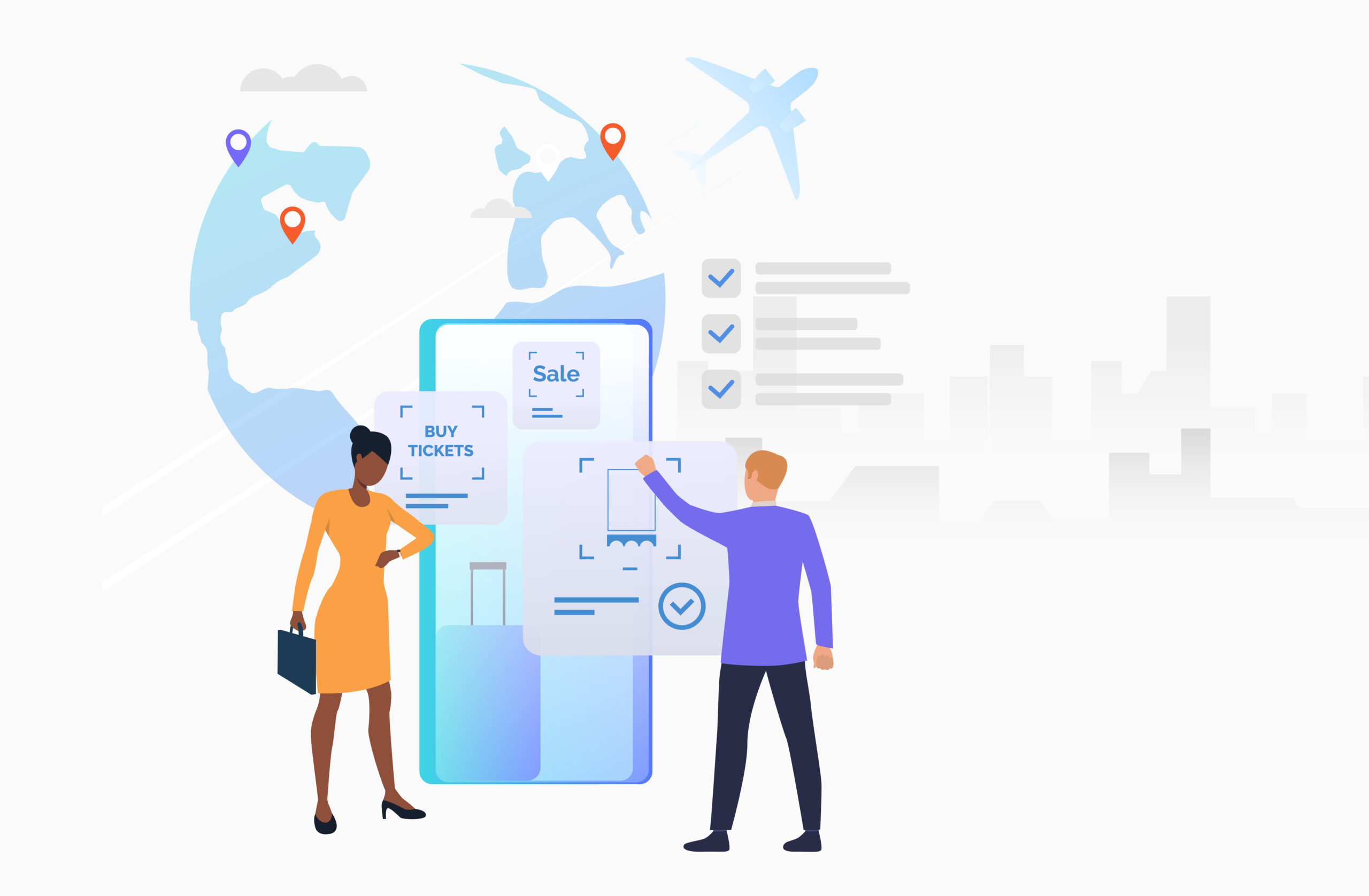
Optimize operational activities
Applying digital technologies and online applications helps tourism businesses optimize their operations, reduce time and costs, and enhance employee productivity. For example, travel companies can use customer management software to track tour schedules and improve service quality.
Enhance the Customer Experience
Digital transformation in the tourism sector also brings a better experience for customers. Customers can book hotel rooms and other services online, with the flexibility to customize them according to their personal requirements. Additionally, technologies like artificial intelligence and recommendation systems also support customers by providing useful information and advice.
Increase Competitiveness
Digital transformation in the tourism industry helps businesses increase their competitiveness. Businesses can use the latest technologies to improve service quality, attract customers, and increase sales revenue.
Enhance Marketing and Promotion
Digital technology opens up new opportunities in tourism marketing and promotion. Using social media, online marketing, and digital advertising helps businesses reach their target audience effectively and flexibly.
More effective data management
Using an intelligent data management system helps tourism businesses collect and analyze data effectively, thereby making smart decisions and adjusting business strategies.
The current state of Vietnam’s tourism industry
Although digital transformation in Vietnam’s tourism industry is underway, the shift is still quite slow and faces many limitations:
- In management: Vietnam’s tourism industry still relies on many manual methods, such as managing businesses, tasks, and personnel on paper. Storing information like tour lists, schedules, ledgers, invoices, and customer details is often done on physical paper, making it cumbersome to search for and update information.
- In business operations: Some tourism businesses still focus on setting up tour sales offices in prime locations to attract customers and reduce access barriers. Traditional marketing methods like distributing flyers and in-store sales are still popular, which limits their reach to potential customers.
- In customer care: Using various support channels like phone, email, and mail is common. However, communication with customers can sometimes break down due to data loss, a lack of processes, or inadequate support tools.
The tourism industry’s operating model often focuses on the in-office sales experience to create a positive impression, encouraging customers to stay as long as possible. Product images, such as tour destinations, hotels, and tour activities, are displayed to capture customers’ attention.
Opportunities and challenges of digital transformation in tourism

Opportunities
The opportunities from promoting digital transformation in the tourism sector are immense for businesses operating in this industry. The emergence of new technologies like artificial intelligence and blockchain is helping to enhance transparency and security in payment transactions. Using online services not only brings convenience and ease to customers but also improves a business’s competitiveness.
Digital transformation opens up new creative possibilities for tourism businesses, helping them respond flexibly and diversify to meet market demands. Virtual tours, simulated tourism, and virtual reality tourism are typical examples, offering customers new and exciting experiences.
Facing new challenges, digital transformation also helps tourism businesses become more proactive in confronting and responding to fluctuations in the business environment, especially in difficult conditions such as economic recession, inflation, etc. Although the journey still has many challenges, with the right digital transformation strategy, the growth potential for tourism businesses remains vast, not only enhancing the industry’s position but also improving the customer experience and optimizing operational costs.
Challenges & limitations
Currently, the process of digital transformation and IT application in the tourism industry has not been implemented synchronously and uniformly. In many localities, digital technology disparities still exist, especially in areas with favorable conditions for digital transformation, which are often major provinces and cities.
Digitalization activities in the tourism industry are happening sporadically and disjointedly, lacking connection and effective database construction. This leads to difficulties in managing, controlling, reporting, and compiling statistics for the tourism industry.
Like many other sectors, digital transformation in tourism also faces a shortage of resources, including technology, finance, and human resources with IT expertise. A quality workforce and a team of experts with IT capabilities are key to unlocking the door to digital transformation in the tourism industry. However, the current training system in Vietnam still has many limitations in quickly meeting the trend of training talent and developing human resources for digital tourism activities.
Additionally, the lack of data due to incomplete updates of figures, reports, and analyses from various sources, along with many localities not knowing where to start with digital transformation, creates obstacles on the industry’s path to digitalization.
Global trends in digital transformation in tourism
As in many other business sectors, travel and hospitality companies are facing a strong impact from the digital transformation process (Newman, 2018). Among the rapidly developing technological solutions, there are several notable trends as follows:
Artificial Intelligence (AI) and chatbots
Artificial Intelligence (AI) and chatbots are advanced technologies that have been widely applied in the tourism sector in recent years. Chatbots are tasked with assisting customers in interacting and asking questions about travel services quickly and conveniently. Artificial intelligence can also be used to optimize customer management and deliver the best travel experiences not only for tourists but also for business operations.
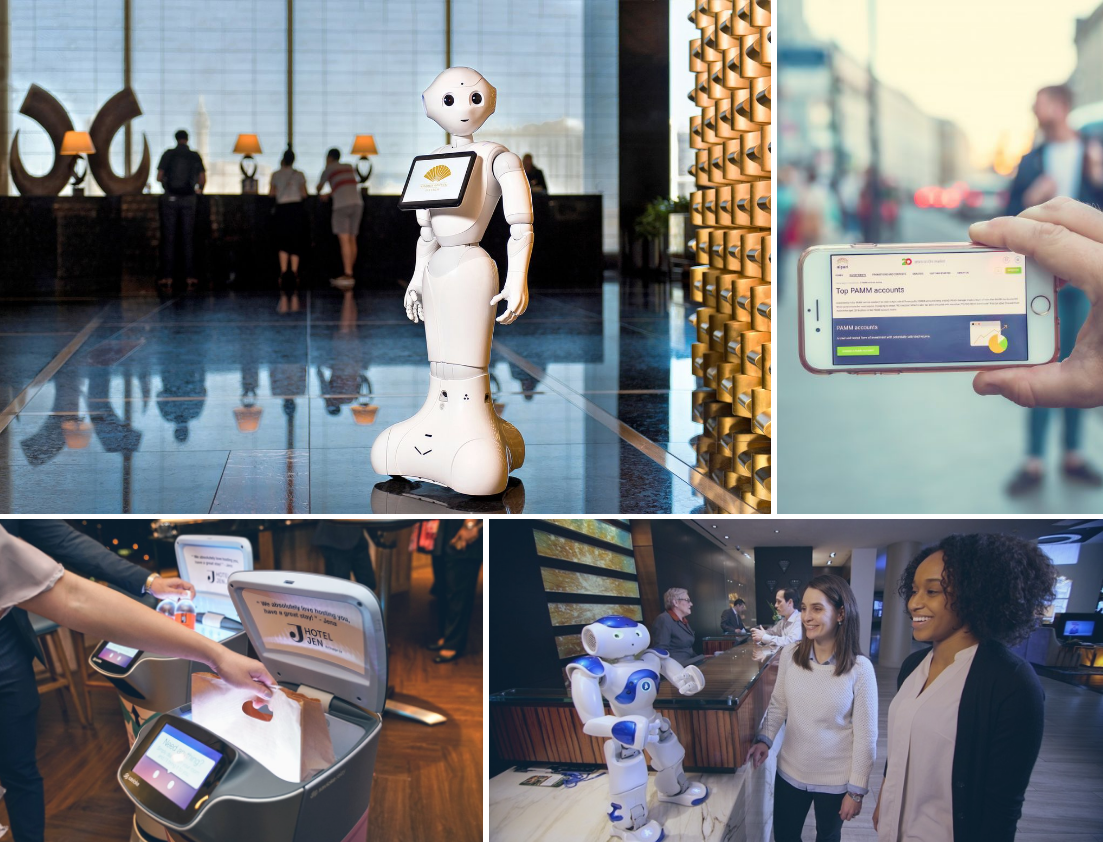
A chatbot is a computer program created to facilitate communication between humans and machines, using pre-programmed artificial intelligence. Chatbots are classified into two types of interaction with humans: auditory and textual, and are becoming increasingly popular on the websites of tourism businesses.
One of the advantages of chatbots is their ability to operate continuously and respond to various types of requests, such as processing bookings, providing weather updates, giving ATM locations, etc., for users in any location, at any time, and in any language.
Internet of Things (IoT)
The Internet of Things is used in the tourism industry to improve the customer experience and enhance security. IoT data helps businesses understand customer needs, travel habits, and other characteristics, enabling them to communicate specific and important information to potential customers.
Leveraging IoT data not only enhances sales capabilities but also opens up opportunities for a deeper understanding of customers, while also helping customers save time in searching for and making purchases that meet their specific needs. Tourism businesses can utilize this data to improve the quality of their customer service more effectively.
CSAT (Customer Satisfaction Score)
Customer satisfaction metrics in the tourism industry are clearly reflected through ratings and reviews (comments, feedback) from travelers on various platforms. Ratings & reviews are crucial factors for tourism businesses to improve their service quality and build customer trust.
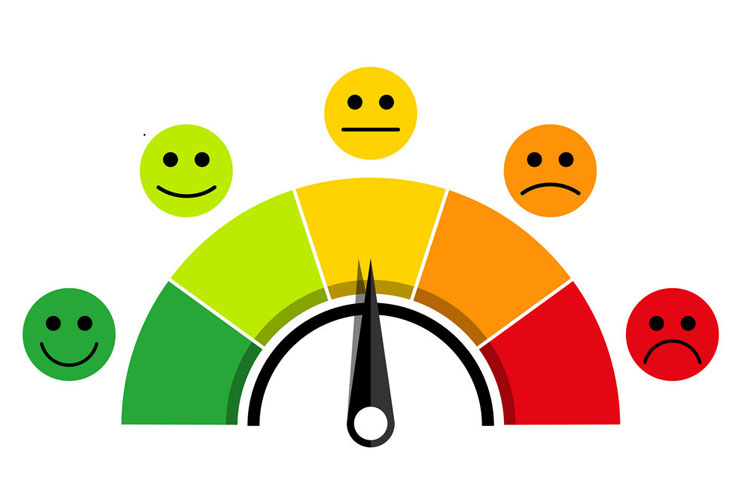
Customers can quickly share their opinions through social networks like Facebook, Yelp, TripAdvisor, or travel websites, helping accommodation providers and tourism service companies better understand travelers’ desires. This tool encourages businesses to focus on quality to build satisfaction and credibility through customer reviews.
This is also an important reference source, helping customers feel confident when choosing travel products or services. However, this trend seems to be geared more towards improving customer service rather than increasing profits for tourism businesses.
Virtual Reality Experience
With the rapid development of internet-based technologies, the terms “Virtual Tour” or “Interactive Tour” have been around since 1994 and have become increasingly popular with tourists in many countries worldwide. However, in Vietnam, this term is still relatively new and not widely applied.

To meet the demand for experiencing tourist destinations online before and during their trips, many locations and companies have developed virtual or interactive tours to simulate destinations through images, videos, and other multimedia elements like sound effects, music, narration, introductions, and text. Elements such as 360-degree photos, 360-degree videos, panoramic photos, and drone footage make virtual tours more appealing to tourists, helping them better understand the places they are about to visit and motivating them for their trip.
Some businesses have even proposed organizing “at-home” tours at a significantly lower cost than actual trips. For example, a customer could pay around $200 to take a virtual tour of the Louvre Museum, instead of spending a large amount of money to travel to Paris and buy an admission ticket.
Software/Mobile Apps
The use of software and mobile apps is becoming one of the most popular technology trends not only in Vietnam’s tourism sector but also worldwide. Mobile applications help customers easily search for and book hotel rooms, airline tickets, and attraction tickets, as well as look up information about tourist destinations. Additionally, tourism businesses can leverage mobile apps to manage and monitor their operations.
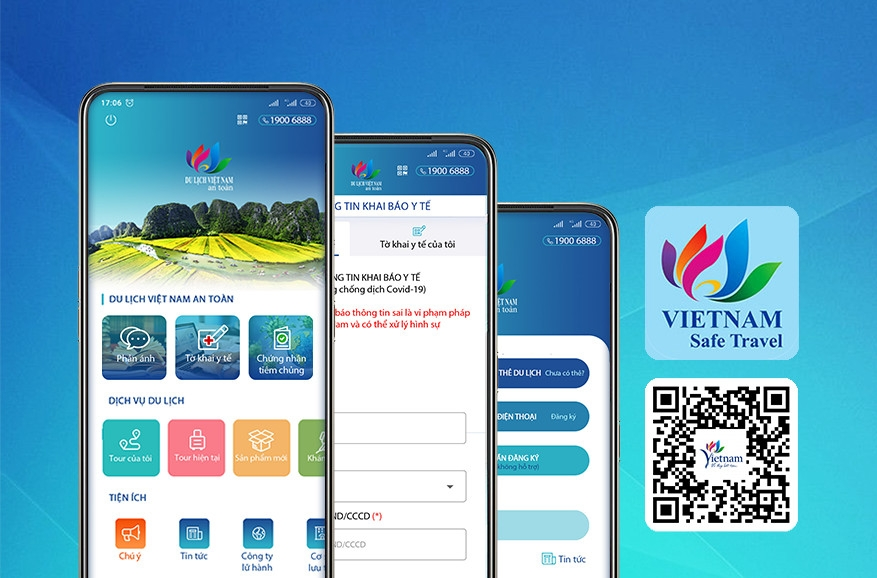
A prime example is the “Safe Vietnam Travel” application. This is an important multi-utility integrated platform that includes a digital map of safe travel, links to health data on the epidemic situation in various localities, and provides information on safe tourism service establishments. At the same time, this application also integrates many smart products and utilities to best meet user needs, such as room management systems at accommodation facilities, electronic ticketing systems, automatic access control systems, smart parking, and automatic vending machines…
In Hanoi, information technology, digital platforms, and social networks have been deployed and applied in the city’s sightseeing and tourism activities. Additionally, a unified data system has been linked for over 300 tourist spots in the area. Historical sites and destinations have also been digitized so that tourists can easily learn about them before their trips.
1Office – The Solution to Drive Digital Transformation in the Tourism Industry
The common challenges businesses face during digital transformation in tourism are not knowing where to start, how to manage tourism industry processes, and not understanding the procedures and methods for managing and operating a tourism business through step-by-step digitization.
With nearly 10 years of experience implementing digital technologies and solutions for the digital transformation of over 5,000 clients, including large organizations, enterprises, and corporations with more than 450,000 users, 1Office – Vietnam’s leading provider of comprehensive business management solutions – is ready to partner with the tourism industry to solve these challenges, aiming to promote and enhance the potential of Vietnam’s tourism industry in the eyes of the international community.
1Office is a comprehensive management platform for the tourism industry that is highly regarded today. This is because it addresses a range of challenges within the tourism sector on a single system. Issues related to tour management, customers, revenue/expenditure, and human resources are all solved through 1Office. With its All-in-one integration capability, 1Office provides an outstanding comprehensive solution:
- 1CRM – Manage customers, contracts, and track various revenue and expenditure sources (revenue, actual revenue, receivables, expenses, etc.)
- 1Work – Manage ongoing tours, including tour lists, statuses, prices, number of guests, itineraries, etc.
- 1HRM – Manage timekeeping, payroll, employee records, and automatically link payroll with KPIs
———————————–
Through this article, 1Office hopes we have helped you better understand digital transformation in tourism, as well as our proposed solutions to promote digital transformation in this industry. If your tourism business wants to accelerate its comprehensive digital transformation journey, don’t hesitate to contact 1Office for a consultation today!
















