


 11/05/2026
  374 views
Relations of production is a core concept in Marxist-Leninist philosophy, reflecting the relationships between people in the production process. Not just theoretical, relations of production also directly affect business operations and the development of the economy. In this article, 1Office will help you understand what relations of production are, their constituent elements, and their role, with easy-to-understand examples.
Mục lục
- 1. What are relations of production?
- 2. Illustrative examples of relations of production
- 3. The roles of relations of production
- 4. The 4 constituent elements of relations of production
- 5. The Relationship Between Relations of Production and Forces of Production
- 6. Digital transformation solution suite for the manufacturing industry from 1Office
1. What are relations of production?
Relations of production are the economic relationships between people in the process of producing, distributing, exchanging, and consuming material wealth. It includes three main elements: ownership of the means of production, organization and management of production, and distribution of products, reflecting the level of development of the productive forces in society.
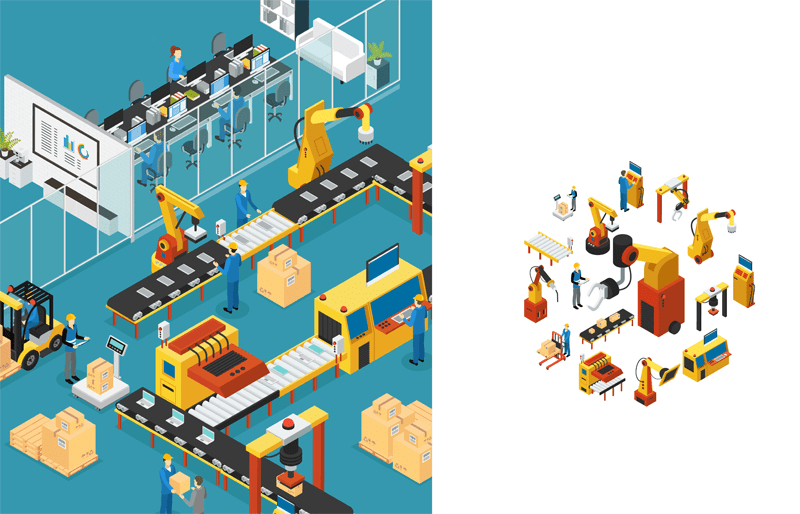
In Marxist-Leninist philosophy, relations of production are considered the decisive factor in the socio-economic formation. They are formed objectively, independent of human will, and are seen as the basic criterion for distinguishing between different socio-economic formations. Relations of production are not limited to production but also extend to the processes of distribution and consumption of products.
2. Illustrative examples of relations of production
To better understand relations of production, we can consider some specific examples:
Example 1:
In a capitalist economy, private companies or individuals own the means of production, such as factories, machinery, and investment capital. Workers in this system must sell their labor power to the owners of the means of production to earn a living. Meanwhile, the owners of the means of production have the right to control the entire production process, including deciding what to produce, how, and at what price.

Example 2:
In a car manufacturing plant, the factory owners control the means of production such as machinery, workshops, and investment capital. They make decisions about products, prices, and labor organization. Meanwhile, the workers are the ones who directly labor, providing their skills and effort to produce cars. However, they do not have ownership or control over these means of production.
3. The roles of relations of production
Relations of production play a very important role in shaping social structure and resource distribution. Here are the main roles of relations of production:
- Defining social structure: Relations of production shape social classes, determine the relationships between these classes, and thereby define the social structure of a country.
- Distributing resources: Whoever owns and controls the means of production has the power to decide the distribution of resources and benefits in society. This directly affects inequality and development opportunities for different social classes.
- Creating value: Through the organization of labor and the use of productive resources, relations of production create economic value, including goods and services that serve social needs.
- Influencing power and economic decisions: Owners of the means of production often have greater power in shaping economic policies and decisions, thereby strongly influencing the development of the entire society.
- Determining economic and social development: The way production is organized and managed directly affects the speed and direction of a country’s economic, social, cultural, and political development.
4. The 4 constituent elements of relations of production
Relations of production do not exist independently but are composed of various elements, creating a complex system characteristic of each society. Below are the 4 basic elements that constitute relations of production.
4.1 Productive forces
Productive forces are the combination of all material elements, human resources, and production processes used to create products and services. This is one of the most important factors in relations of production, as it determines a society’s production capacity. Productive forces include not only human labor and skills but also the tools, machinery, and technology used in the production process.
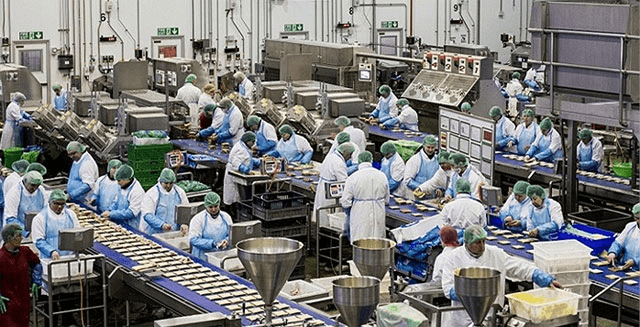
Example: In a modern industrial economy, the productive forces include automated factories with advanced production lines and a highly skilled workforce. The combination of these factors creates the capacity for mass production with high efficiency and low cost, thereby shaping the relations of production in an industrial society.
4.2 Ownership of the means of production
Ownership of production determines who owns the resources and controls production activities. This is a crucial factor in the relations of production as it dictates the distribution of profits and power in society.

Example: According to Marxism-Leninism, in a capitalist society, the ownership of the means of production belongs to the capitalists, while the workers only own their labor power. The relationship between the worker and the capitalist is therefore an unequal one, where the worker’s labor is exploited to generate profit for the owner of the means of production.
4.3 Labor
Labor is a crucial element in the relations of production, referring to the people and the work they perform to create products and services. Labor can be divided into two main types: formal labor and informal labor.
In the relations of production, labor is not just the process of using physical effort to create products but also the relationship between employees and employers, and between social classes in the production process.
Example: In a software development company, programmers use their skills and knowledge to create software products. Although the programmers are the ones who directly create value, the control and distribution of profits typically belong to the company owners.
4.4 Production Technology
Production technology refers to the tools and processes used to produce goods and services. Technological advancements can bring about significant changes in the relations of production by altering production methods, labor organization, and resource distribution.
Production technology not only affects a society’s productive capacity but also shapes how labor is managed and organized. Technological development also creates disparities in access to technology among nations and social classes, thereby influencing social structure and economic development.
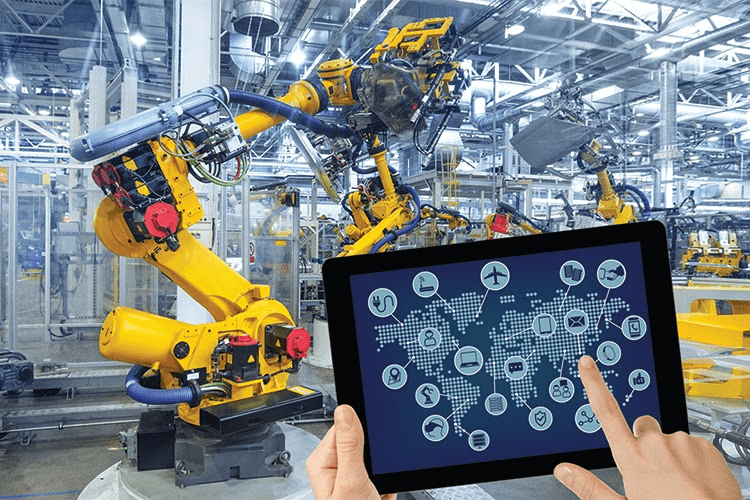
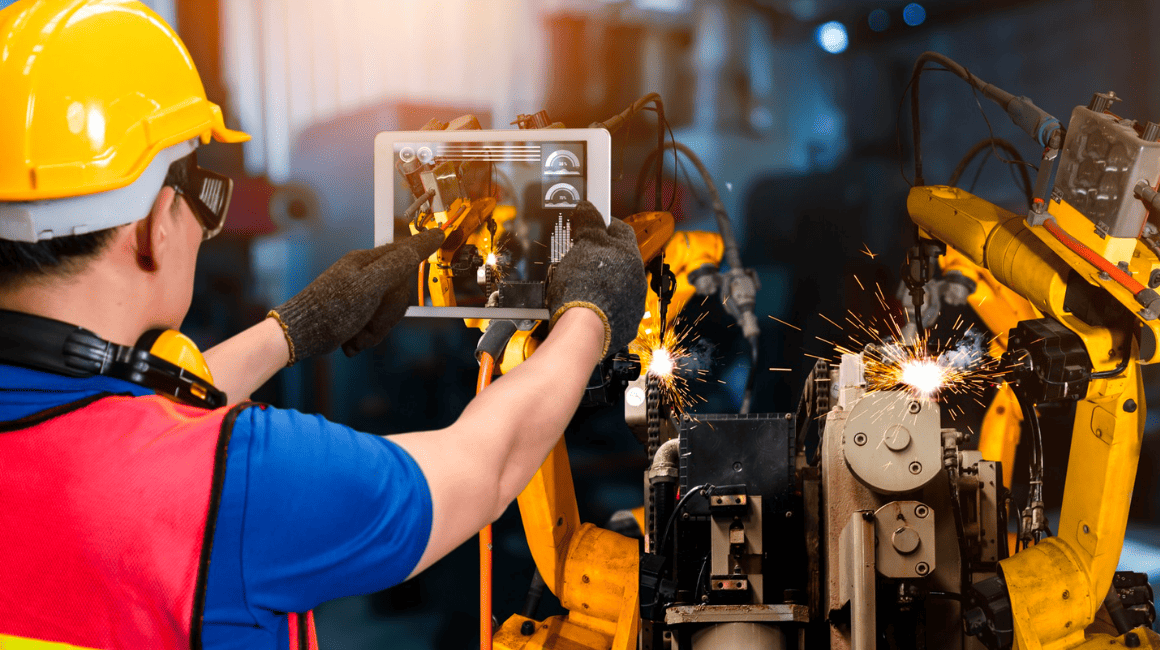
Example: The advent of automation technology has drastically changed the relations of production in many industries. In the automotive industry, the implementation of automated production lines not only increases productivity but also reduces reliance on manual labor, thereby changing the labor structure and relations of production in this sector.
5. The Relationship Between Relations of Production and Forces of Production
The relationship between the forces of production and the relations of production is closely intertwined and mutually influential. This relationship determines how production is organized, how products are distributed, and consequently affects economic and social development.
5.1 The Relationship Between Ownership of Production and Forces of Production
Ownership of production plays a decisive role in organizing and managing the forces of production. Whoever owns and controls the means of production has the power to decide on production methods, goods distribution, and resource control.
The relationship between ownership of production and the forces of production creates disparities in power and resources within society. Owners of production typically hold greater power in determining economic and social policies, while workers must accept the working conditions set by the owners.
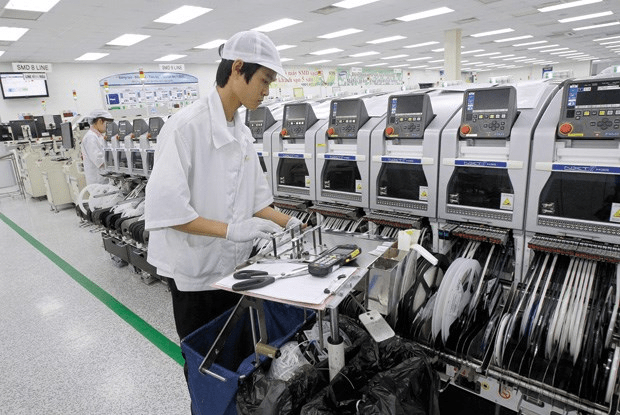
Example: In the digital economy, intellectual property rights have become a crucial factor in the relations of production, where tech companies control key resources like data and algorithms. This leads to significant changes in social structure and the way production is organized.
5.2 The Relationship Between Labor and Forces of Production
Labor is a vital component of the forces of production, serving as the primary resource for creating products and services. The relationship between labor and the forces of production determines production efficiency, product quality, and the level of economic development.
Labor is not just the process of using physical effort for production but also a relationship between social classes within the production process. This relationship can create inequality in society, as workers do not own the means of production and are subject to the control of the owners.

Example: Artificial intelligence (AI) is changing the way production is carried out in many industries. In the financial industry, AI is used to analyze big data and forecast markets, helping to optimize investment decisions. This development not only enhances the productive forces but also creates new production relations, where technology companies can control critical resources like data and algorithms.
See more:
6. Digital transformation solution suite for the manufacturing industry from 1Office
Digital transformation in the manufacturing industry not only improves efficiency but also brings about significant reforms in production management and organization. 1Office is pleased to present our comprehensive digital transformation solution suite, helping businesses optimize their production processes and enhance their competitiveness in the market.
1Office provides automated production management solutions, helping businesses control the entire production process, from raw materials to the final product, ensuring efficiency and cost savings.

The 1Office solution suite also supports businesses in effectively managing personnel and labor. With an integrated human resource management system, businesses can easily manage working hours, evaluate performance, and assign tasks reasonably, thereby boosting labor productivity and ensuring employee satisfaction.
One of the strengths of the 1Office solution is its ability to integrate various management systems into a single platform. This helps businesses save time and costs when implementing management tools, while ensuring all aspects of the business are managed synchronously and effectively.
Understanding what production relations are will give you a deeper insight into how the economy and society operate. We hope this article from 1Office has provided you with useful knowledge about the organizational relations of production management, helping businesses build and implement appropriate solutions and policies for sustainable economic development.
If you have any questions, do not hesitate to contact us via phone number 083 483 8888 for support and answers.
















