


 12/05/2026
  291 views
In modern learning and working environments, teamwork skills are not just a mandatory requirement but also a competitive advantage for every individual. Whether you are a student or a working professional, the ability to coordinate and interact effectively with others will determine the success of a project, as well as the sustainable development of the organization. So, what are teamwork skills? How can you practice and successfully apply them?
Mục lục
I. What are teamwork skills?
Teamwork skills are the ability to coordinate effectively among members of a group to achieve a common goal. These skills include communication, task delegation, conflict resolution, and mutual support to achieve maximum performance.
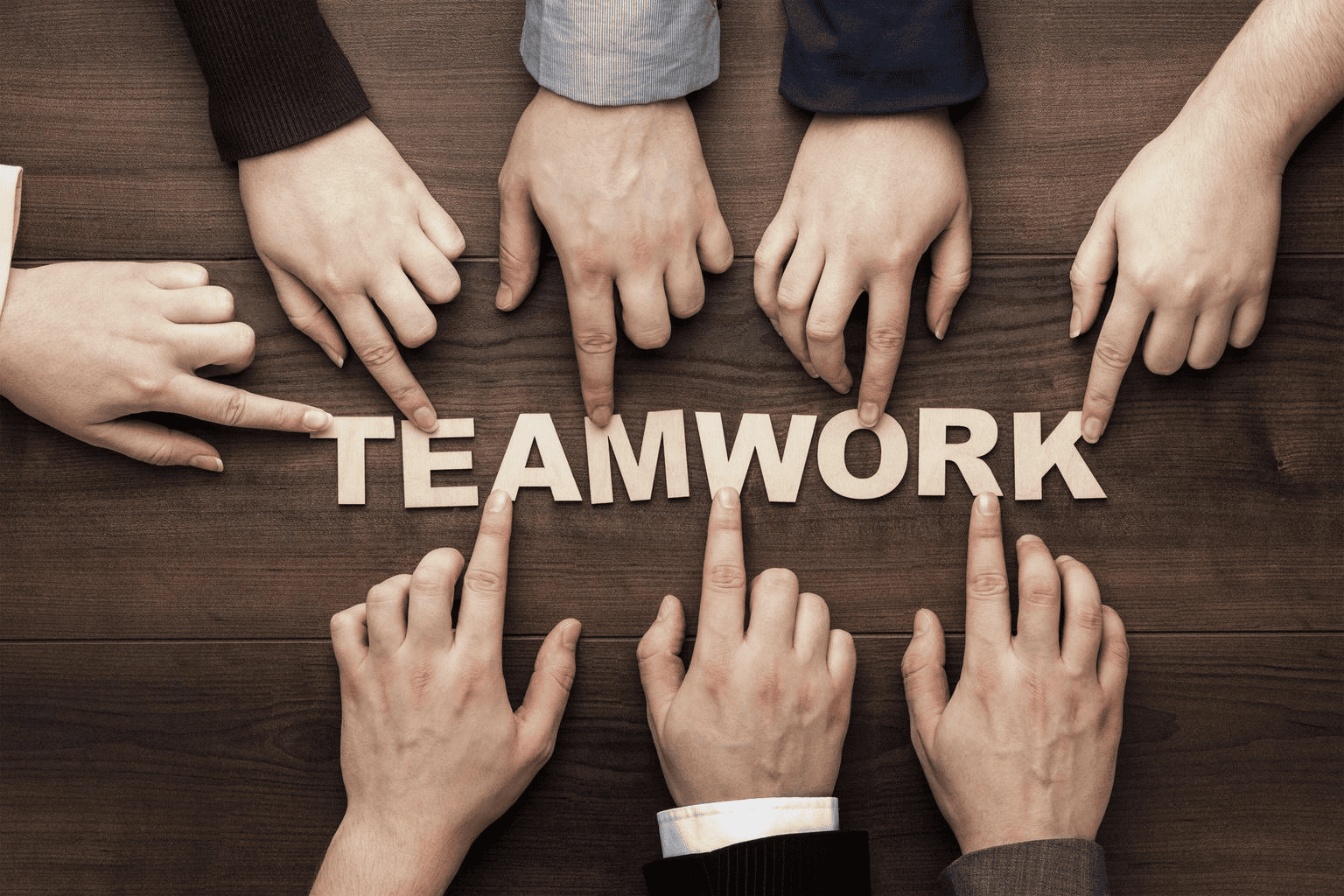
Currently, teamwork skills are one of the key factors companies look for when recruiting employees. It requires sensitivity in understanding and interacting with other members, the ability to listen and convey information clearly, along with expressing opinions and contributing ideas. Teamwork skills not only help leverage the strengths and contributions of each member but also play a crucial role in achieving the team’s common goals and success.
II. The importance of teamwork skills
Teamwork skills are an essential factor for success in most areas of life.
1. Enhance communication skills
When working in a team, communication among members is crucial. Time spent on discussions, meetings, and brainstorming sessions helps develop critical thinking and improve each person’s communication abilities. This is also an opportunity for members to learn, share experiences, and support each other during the work process.
2. Spark individual creativity
Great and successful ideas often come from the contributions of many people. A new idea is often incomplete and may have shortcomings. When an idea is shared and receives feedback from members, it’s like a rough gem being polished into a bright one. Feedback and perspectives from multiple people help refine the idea comprehensively, making it more complete and effective.

3. Cultivate discipline
When working in a team, you can’t just do as you please; you must adhere to the team’s general rules, including schedules and deadlines for completing tasks. Although this may feel restrictive, if you change your perspective, you’ll see it as an opportunity to cultivate discipline and enhance a professional work attitude for all members.
4. Solve problems and increase work productivity
Sometimes, you can’t solve all work-related problems on your own, or your proposed solution doesn’t achieve the expected results. But when working in a team, things can be resolved more easily. Each person in the team brings their own strengths and unique perspectives, helping to analyze the problem more deeply and objectively from multiple angles.
This combination allows the problem to be examined from various viewpoints, helping to find a more optimal solution. Furthermore, dividing tasks among multiple people helps speed up progress and resolve issues quickly, thereby increasing work productivity compared to working alone.

III. 12 essential skills for teamwork
1. Creative thinking skills (Brainstorming)
Brainstorming is an effective method for developing creative ideas within a team. When applying this method, members are encouraged to put forward all ideas, even those that seem “crazy,” without being constrained by personal opinions or existing ideas. This creates a free space to foster creativity, helping the team quickly reach a consensus and find optimal solutions for complex problems.
2. Communication skills
Communication skills are the foundation of teamwork. You need to know how to converse politely and tactfully, while also presenting your ideas clearly and understandably to your teammates. In group discussions, open and honest communication is very important. Although disagreements may occur, being straightforward and respectful helps members understand each other better, align on viewpoints and direction, and thus work together to achieve the team’s common goal.

3. Time management skills
Time management is a key factor in both independent and group work. One individual’s delay can hold up the entire project, affecting the team’s overall progress. To manage time effectively, you should arrange tasks in order of priority and set specific deadlines for each one to ensure that work is completed fully and on time, helping to maintain the team’s overall schedule.
4. Problem-solving skills
The ability to view problems from different perspectives is a crucial factor in promoting progress and work efficiency in a team. This skill requires you to have a thorough and open-minded approach to emerging issues.
Instead of being affected by negative outcomes, you need to remain calm to help the team find an ideal solution. A smart approach to problems not only helps overcome obstacles but also improves the team’s working atmosphere.

5. Conflict Resolution Skills
When working in a team environment, disagreements and conflicts are inevitable. Therefore, conflict resolution skills are crucial to ensure everyone is satisfied with the final decision.
Sometimes, debates can help the team make the best decisions. So, instead of avoiding them, you should learn how to resolve conflicts thoroughly, civilly, and effectively to achieve the best results.
6. Listening Skills
When working in a team, keep an open mind to recognize that other members may see issues from different perspectives. You should listen to your colleagues’ opinions and concerns to work more effectively as a team.
By asking questions to clarify, showing genuine interest, and using non-verbal communication, you can demonstrate that you are not just hearing but also understanding their ideas and viewpoints.

7. Critical Thinking Skills
In team meetings, everyone has their own perspectives, ideas, and initiatives. Critical thinking is an important skill that helps the team quickly eliminate ineffective ideas. Critical thinking is not just about debating or opposing others’ opinions; it’s the process of presenting arguments and objectively evaluating them to defend one’s own initiatives, thereby helping the team identify the most effective solution.
8. Persuasion Skills
For your ideas and contributions to be recognized, you need to persuade your team members that they are good, unique, and flawless. Persuasion skills not only help change others’ minds but also create a positive impression of you.
Additionally, when tasks are divided and you feel the allocation is unreasonable or unfair, proactively renegotiate with the team leader to ensure you are not at a disadvantage in the work process.
9. Decision-Making Skills
Decision-making skills are crucial in teamwork, especially for the leader. After gathering opinions from members, the team leader must consider the common goal and view the issue objectively to make the best decision. This decision not only affects the project’s outcome but also impacts the entire team. Therefore, it’s necessary to think carefully and consider all aspects before making a final decision.
10. Organization and Planning Skills
Once all opinions within the team have been agreed upon, the next step is to build a detailed implementation plan and assign tasks to each member. This plan needs to be complete and reasonable, with task assignments arranged logically.
When opinions are unified, the team needs to create an implementation plan and assign tasks. This plan must be comprehensive, and the assignment of tasks to each member must be reasonable and logical. This is an important skill that needs to be honed for your future development.
Read more: 5 Highly Effective Planning and Work Organization Skills

11. Leadership Skills
Leadership skills primarily belong to the team leader. Leadership involves not only directing, assigning tasks, and providing feedback but also motivating and inspiring the entire team to collaborate and work effectively.
Besides the team leader, other members should also cultivate leadership skills if they aspire to become great leaders in the future.
IV. How to Organize an Effective Teamwork Process?
1. Set a Common Goal to Strive For
For all members to work effectively and contribute to the team’s success, a common goal must be established. Each individual in the team must always remember this goal and persistently adhere to it. Sometimes, it’s necessary to prioritize the team’s goal over personal goals to ensure the progress and outcome of the collective work.
2. Assign Specific Roles and Tasks to Members
Each team member has unique strengths in different areas, so tasks should be assigned accordingly. When each person takes on work that matches their expertise, they will maximize their abilities and complete the job to the best of their capacity. To achieve this, the leader needs to understand the capabilities and strengths of each member to assign tasks reasonably.
3. Agree on a Team Operating Method
To improve teamwork skills, agreeing on a team operating method from the very beginning is crucial. When all members understand and consent to this method, the team will work more effectively and avoid unnecessary conflicts.

4. Always Listen to Members’ Opinions
When working in a team, you should learn to accept and consider constructive feedback from teammates, and be ready to revise or improve if it seems reasonable. Sometimes, others can easily spot shortcomings and imperfections that you might not see yourself. Therefore, always be open to listening and receiving opinions from team members.
5. Work with a spirit of unity
Remember that in a team environment, people are not competitors but teammates, working together towards a common goal. Unity is the key that helps each individual easily build a positive work environment, supporting each other in solving problems. Therefore, always encourage a spirit of unity, overcome difficulties together, and strive to achieve the common goal. This is the essential spirit for any team to achieve success.

6. The team leader needs to set an example
The team leader plays a crucial role in guiding and motivating the team to achieve common goals. They are not just a director but also a role model for members to follow. To be successful, a team leader needs a clear vision and strong leadership skills to help the team stay focused and achieve its objectives.
Additionally, basic factors such as being punctual, maintaining a positive attitude, and the ability to resolve conflicts also help the team leader earn respect and trust from members, while setting a good example for the entire team.
7. Motivate and encourage each other
When motivated and encouraged, each member will feel more driven and energized to continue striving for the team’s common goal. At the same time, recognition of achievements and efforts will help boost self-esteem and confidence at work.
Praise and encouragement should be given sincerely and specifically, avoiding flattery just for fear of offending others. Show respect and empathy for the difficulties and failures of team members, help them overcome challenges, and find effective solutions together.
8. Maintain fairness and transparency
When working in a team, you need to set aside selfishness and not let petty conflicts or jealousy affect the overall morale. If something makes you dissatisfied, express it frankly immediately to resolve the issue promptly.
By doing so, you will earn the admiration and trust of other members, while contributing to building team unity and creating motivation for the entire team to move forward.
V. Some mistakes to avoid when working in a team
1. Being overly deferential in relationships
When working in a team, you shouldn’t be afraid to disagree or defend your point of view out of deference. Teamwork is about exchanging ideas, debating, and critiquing to find the best solution. Therefore, it’s necessary to eliminate a deferential attitude and not let personal feelings affect the collective work process. Respect within the team doesn’t mean avoiding debate, but rather being willing to engage in open and professional dialogue to achieve the best results for the entire group.
2. Lack of cooperative spirit (Being passive, passive agreement)
A common mistake in teamwork is not having a clear opinion, easily agreeing with others’ ideas without truly understanding or endorsing them. When team members don’t fully understand each other’s points but follow along anyway, the final result may not meet expectations. To avoid this, each member needs to bravely express their own views, discuss, and clarify any questions before agreeing to a collective decision.

3. Shifting responsibility to others
When tasks are not clearly divided, shifting responsibility and conflicts can easily occur. One person might think a task belongs to another, leading to the work being missed or delayed until the last minute. As the deadline approaches, members will start shifting responsibility to each other or making excuses to resist. Therefore, this issue must be addressed from the beginning to ensure the team’s work achieves maximum effectiveness.
4. Blaming others
Sometimes, unclear task assignments can lead to members shifting responsibility to one another. Each person might assume it’s not their duty and therefore feel no need to fix the problem. This is a flawed mindset that needs to be eliminated when working in a team.

5. Not prioritizing team tasks
During teamwork, some people may be negligent and unfocused, just waiting for tasks to be assigned. This not only reduces the team’s motivation but also affects work efficiency. Additionally, there are cases where an individual refuses to listen or contribute further because their own opinion was not accepted by the group. This is an attitude that everyone should avoid in teamwork.
VI. Frequently Asked Questions about Teamwork Skills
1. Why are teamwork skills important in the workplace?
Effective teamwork helps optimize performance, increase creativity, and minimize conflicts. It is an essential skill for projects, especially when working in a corporate environment with many coordinating departments.
2. What factors create an effective team?
An effective team needs: clear goals, open communication, reasonable task assignment, a high sense of responsibility, and the ability to resolve conflicts positively.
3. How can you improve teamwork skills?
You can improve your teamwork skills by:
- Regularly participating in team projects
- Listening and providing positive feedback
- Using support tools like 1Office to ensure process transparency and track team performance.
4. What are common mistakes in teamwork?
Some mistakes include: unclear communication, avoiding responsibility, not assigning specific tasks, and not evaluating after the project ends. These issues reduce efficiency and cause internal conflicts.
5. What software supports effective teamwork?
1Office is a management software that supports teamwork with features for task assignment, progress tracking, and individual and team performance evaluation. It helps organizations manage teams more effectively and transparently.
VII. Conclusion
Above are 12 effective teamwork skills that are essential for your work. Practice and improve them daily to develop a professional attitude and work ethic. Honing these skills will help you become a successful team member and contribute to the overall success.
If your business needs further consultation on the 1Office business management solution, please contact us via our hotline at 083 483 8888.
















