


 12/05/2026
  236 views
Any business that wants to achieve long-term, sustainable growth must build a persona for the customers it targets. Each brand, depending on its target audience such as B2B or B2C, will build a distinct customer persona to create an effective outreach strategy. In this article, 1Office will take you on a journey to explore the concept of a customer persona, while also sharing tips for building a potential customer persona. This will help businesses not only better understand customer needs but also optimize their marketing and sales strategies. Let’s dive in to achieve strong growth and conquer the market!
Mục lục
1. What is a customer persona?
A customer persona (Customer Persona) is a detailed description of an individual or a group of target customers that a business aims to reach. This is an ideal model representing potential customers, built on information about demographics, psychographics, shopping behavior, interests, habits, needs, and many other factors that influence their purchasing decisions.
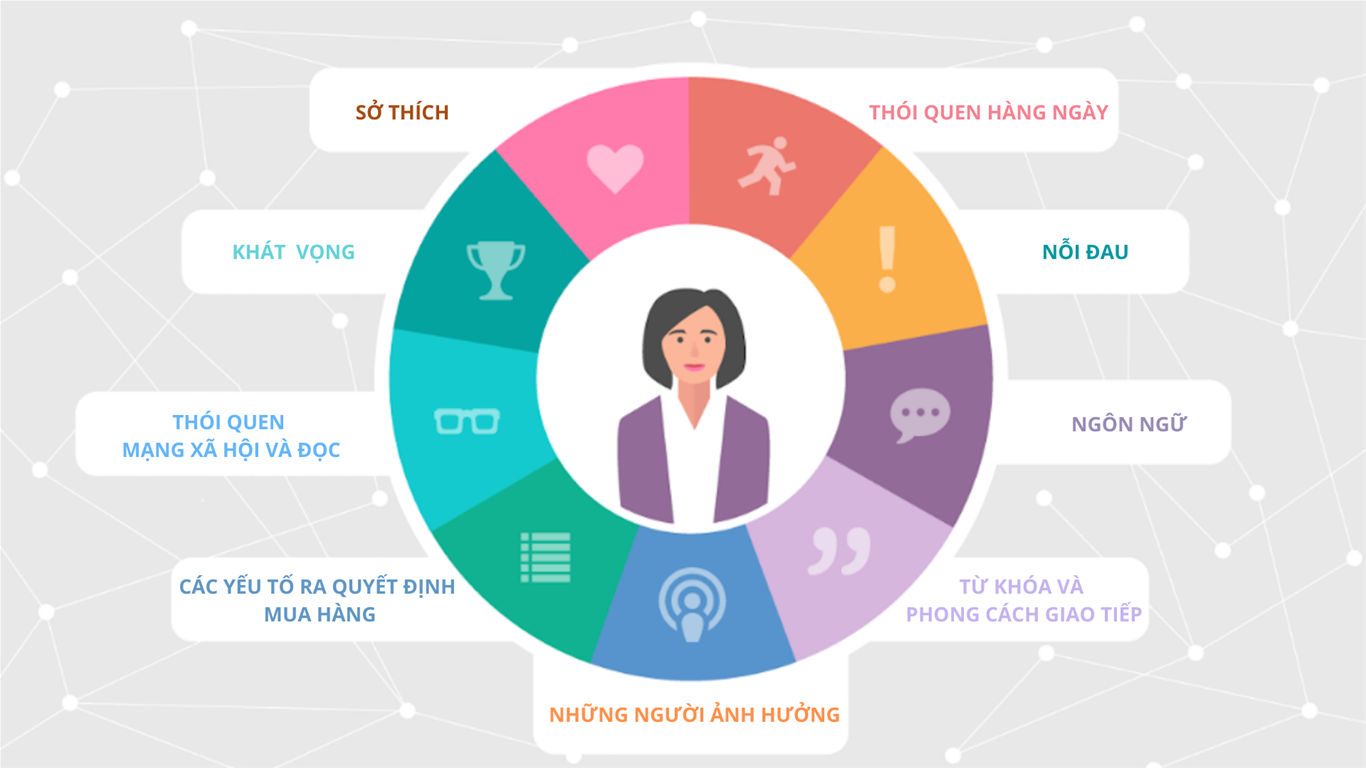
Building a customer persona not only supports the marketing department but also impacts the strategies of many other departments such as sales, product development, and customer care. By using real data to identify current and potential customer profiles, a customer persona helps departments adjust their strategies and messaging appropriately, maintain brand consistency, and avoid internal conflicts.
Instead of spending to reach all consumers, identifying the right group of potential customers helps businesses save on initial costs and maximize profits.
2. Why is it necessary to define a potential customer persona?
Building a customer persona plays a particularly important role for many departments within a business, including Marketing, Sales, Customer Care, and New Product Development.
2.1 Deeply understand target customers
Through a customer persona, businesses can gain a comprehensive view of the audience their product or service is targeting. This helps them understand customer preferences and “pain points,” which then serves as a basis for product development, business direction, and creating effective communication plans for the future.
2.2 Choose an effective market segment
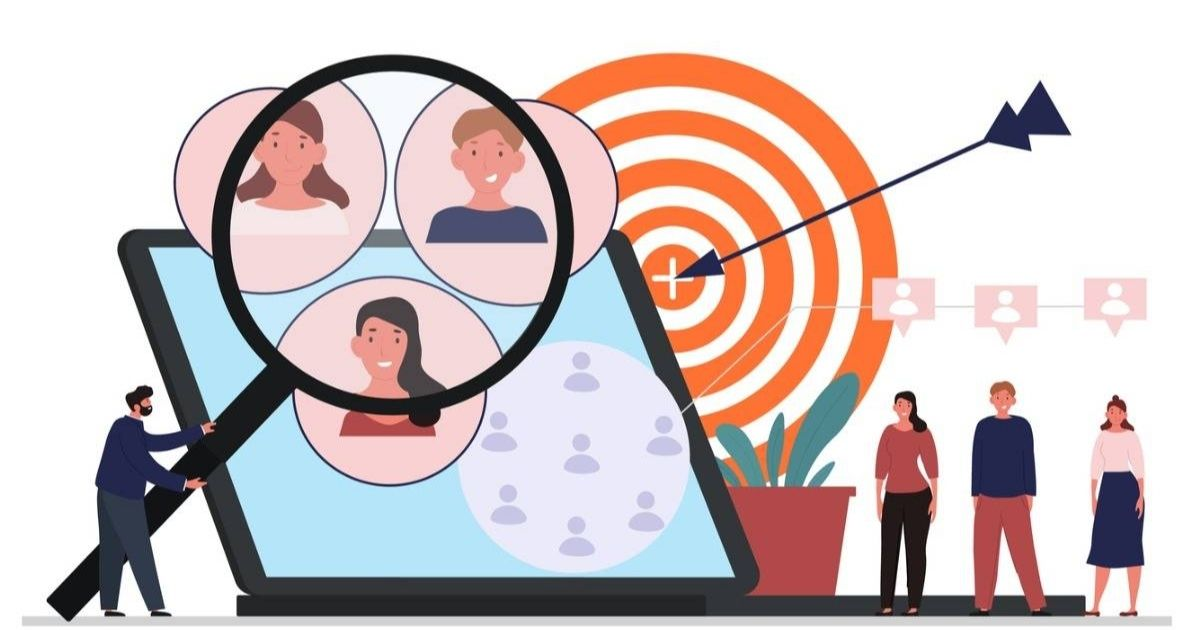
Analyzing customer personas is a crucial element in business strategies. Businesses can predict customer needs, behaviors, and purchasing trends, thereby developing products that address their “pain points” instead of investing in issues of little concern.
2.3 Develop suitable products/services
Based on data from customer personas, businesses can identify areas where customers are dissatisfied, such as the product, service, promotional policies, delivery, or customer care services. This helps them make adjustments to improve customer satisfaction while optimizing costs, time, and effort.
2.4 Increase Marketing effectiveness
Valuable content is a crucial foundation for attracting and building long-term relationships with customers. To do this, businesses need to deeply understand their customers, knowing their questions, challenges, and the solutions they are seeking. By using messages that align with customer insights, businesses can easily evoke empathy and trust from their target audience.
2.5 Improve conversion rates
A clear understanding of the customer persona helps businesses build more effective business and marketing strategies, thereby attracting attention and meeting customers’ comprehensive needs. This not only improves conversion rates but also helps build strong relationships, encouraging customers to return and increasing their loyalty.
2.6 Improve customer service
Based on the customer persona profile, businesses can anticipate needs and proactively provide service before customers even ask. For example, providing detailed product guides or answering frequently asked questions. This not only enhances the customer experience but also builds a positive brand impression.
3. 3 core elements that make up a customer persona
To build an effective customer persona, there are 3 essential core elements:
3.1 Demographic information
The basic information needed in a customer persona is demographic factors. This data typically includes:
- Age
- Gender / Sexual orientation
- Education level
- Marital status
- Current job
- Personal income / Household income
- Geographic location
These are important factors that help you identify the specific group of people a business wants to reach. Each demographic factor significantly influences the preferences, behaviors, and psychology of each individual.

3.2 Information on Interests and Behaviors
Information about interests and behaviors helps us better understand what customers like and how they shop. Although these factors vary from person to person, they generally focus on three main aspects:
- Cultural factors: Ethnicity, language, religion, etc.
- Social factors: Family, friends, social class, etc.
- Personal factors: Lifestyle, personality, occupation, etc.
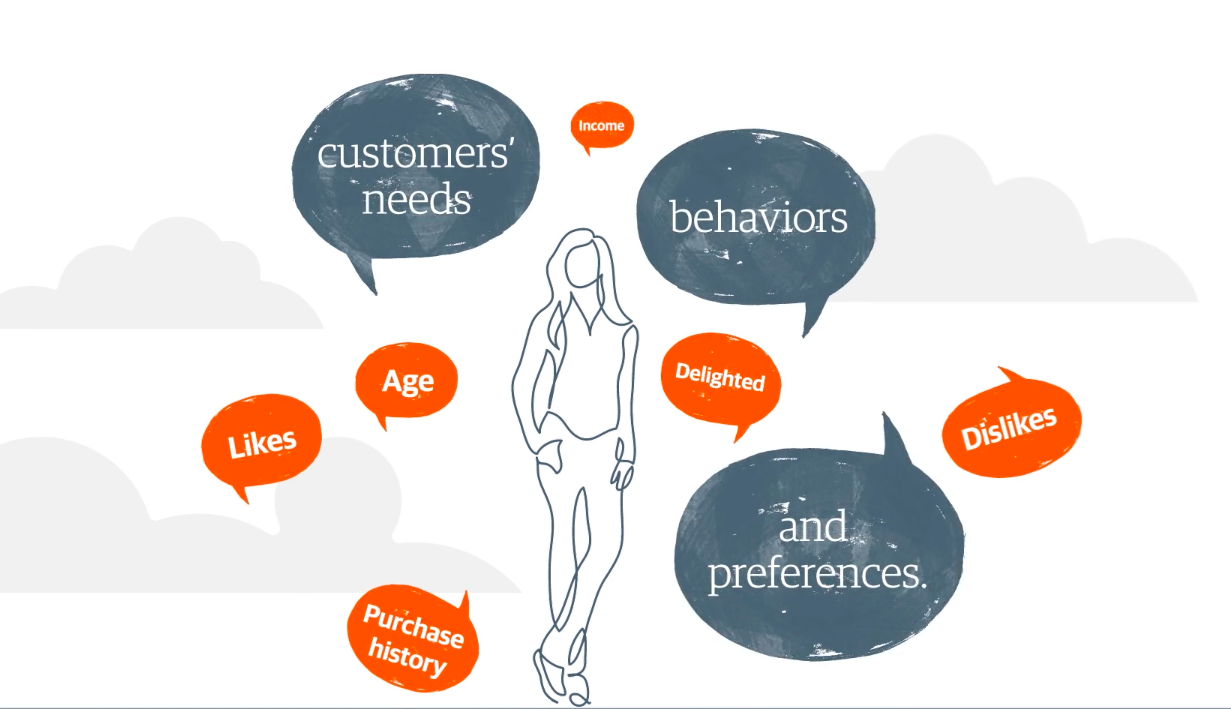
For example, regarding cultural factors, a Hindu bride typically wears a red, maroon, or brightly colored lehenga or saree on her wedding day, while a Christian bride often chooses a white gown. Wearing white on auspicious occasions can be a cultural violation in Hinduism. Conversely, Muslims often favor the color green for important events. Fashion and wedding dress companies in multi-ethnic countries need to pay attention to this to select products that are suitable for their customers.
3.3 Information on Customer Psychology and Pain Points
In business, “pain points” refer to the problems that customers are facing. These problems can be any aspect of life, from a lack of transportation to health concerns. Many potential customers don’t even realize they have a problem.
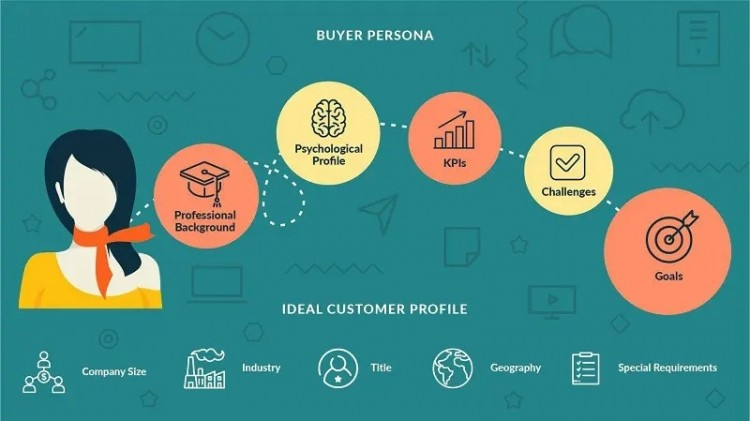
Businesses need to identify these problems and provide solutions through their products or services. For example, Finhay offers fractional share trading services for customers who want to invest to grow their assets but don’t have much capital, even if many of them had never considered investing in stocks.
Accurately identifying the pain points of potential customers is essential for businesses to adjust their sales and marketing strategies accordingly. If potential customers don’t recognize their problem or see a solution, they won’t buy your product.
4. 5 Steps to Build a Potential Customer Persona for Any Business

Step 1: Define the Goal of Building the Potential Customer Persona
Depending on the goal, a business will build different customer persona profiles. This goal could be to improve marketing strategies, enhance customer relationships, or develop new products to meet needs. Clearly defining the goal from the outset helps guide the data collection and analysis process effectively.
Step 2: Collect Data on Potential Customers
This is a crucial step that helps businesses gather the necessary information to build customer personas. Businesses can flexibly use various data sources, including:
- Internal surveys: Gather insights from departments such as Marketing, Sales, and Customer Care to get a deep understanding of customer needs, desires, and satisfaction at each stage of the buying journey.
- Analytical tools: Use Google Analytics, interviews, surveys, and market research reports to analyze and explore customer behavior.
- In-person interviews: Conduct interviews at the point of sale, where customers interact directly with the product, to understand their purchasing motivations and the reasons they choose a specific product.
- Online customer listening: Monitor and analyze customer actions and feedback on the internet. For example, on a website, a business can collect information about topics of interest, page views, and visit frequency.
Step 3: Collect and process information
Based on the collected data, you need to classify customers into different groups based on factors such as psychology, behavior, demographics, and interests.
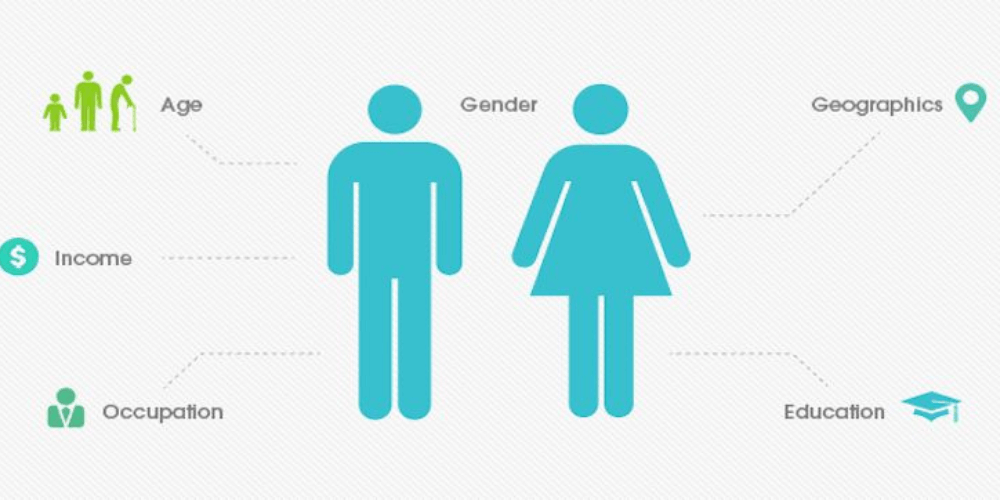
When building customer personas, processing income information is very important. Typically, each product will have 2-4 target audience groups, which means you will need to prepare 2-4 ideal customer personas. The main criteria for businesses to classify customers include:
- Age
- Gender
- Income
- The problems they face
- The channels customers frequently visit
- Factors influencing the customer’s purchasing decision
Step 4: Create a preliminary sketch of the customer persona
Now, you will be like an artist: from the information collected in the previous step, sketch out the persona of your brand’s potential customer. For the quickest sketch, you can use the 5W2H Model – a tool that helps build customer personas effectively and is applied by many businesses. It includes 07 questions:
- Who?,
- Why?
- When?
- Where?
- What?
- How?
- How much/many?.
Step 5: Finalize the details of the potential customer persona
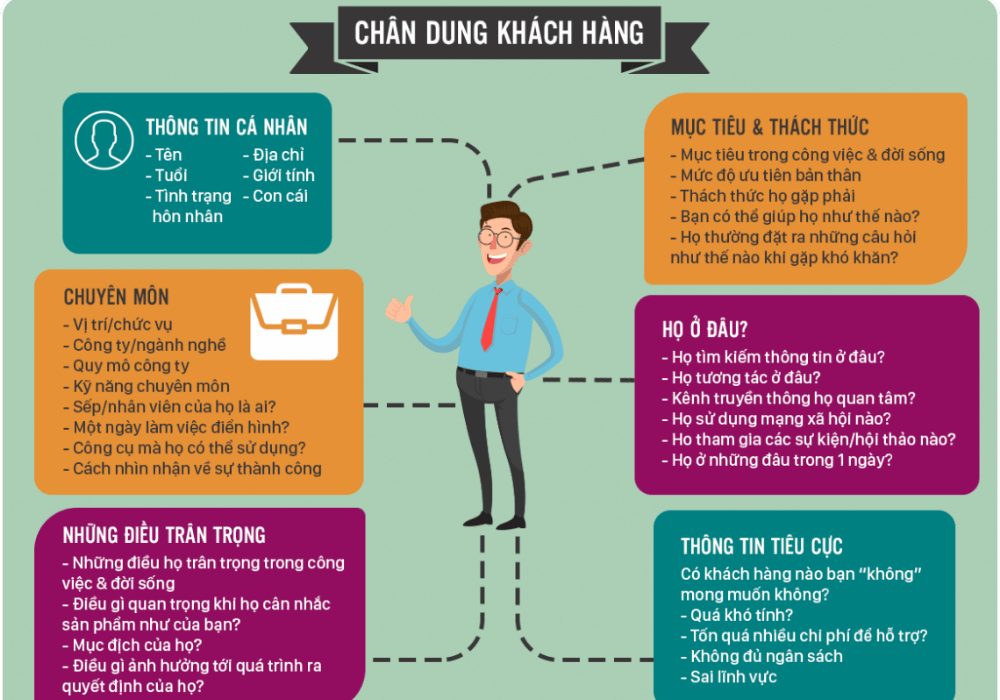
After classifying customers into specific groups with distinct characteristics, your next task is to combine them to create the ideal customer persona. You can refer to an ideal customer persona template that includes information such as lifestyle, demographics, interests, and concerns related to the products/services the business provides. Note that you need to carefully filter the information to avoid duplication.
5. Conclusion
A customer persona is a collection of information built based on research into a business’s target audience. It helps the business effectively adjust important aspects of its marketing activities and increase sales. Understanding who will benefit from your products/services and what problems you can help them solve is the key factor in attracting and retaining customers.
















