11/05/2026
  349 views
In the modern business era, companies not only need to focus on generating profits but also must consider their impact on the environment, society, and corporate governance. This is where ESG emerges as an indispensable standard in corporate management. So, what is ESG? To answer this question, let’s explore the details with 1Office in the article below!
Mục lục
- 1. What is ESG?
- 2. The 3 Pillars of the ESG Standard
- 3. The Role of ESG for Businesses
- 4. Challenges for Businesses When Adopting ESG
- 5. The State of ESG Adoption at Businesses in Vietnam
- 6. A Step-by-Step Guide to Planning and Implementing ESG in Your Business
- 7. Guide to Creating a Standard ESG Report for Sustainable Development
- 8. Conclusion
1. What is ESG?
ESG stands for Environment, Social, and Governance. These are the three main pillars that businesses need to consider when evaluating their performance and responsibility in a world increasingly concerned with sustainability and social impact. ESG factors help organizations identify risks and opportunities, as well as the extent of the impact of applying these criteria to their operations.
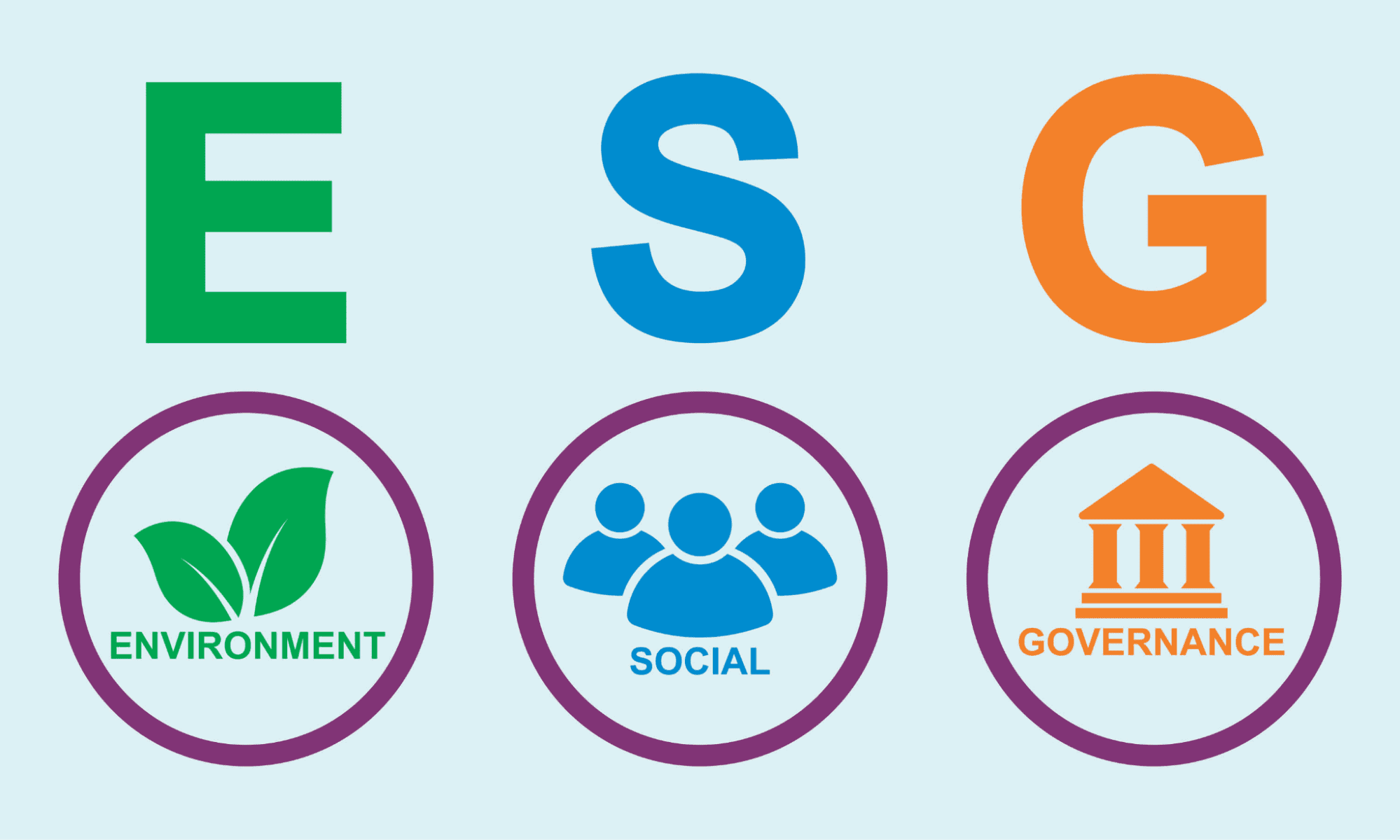
- Environmental: Relates to how a business manages natural resources, emissions, and its impact on climate change.
- Social: Focuses on the relationship between the business and its stakeholders, such as employees, customers, and the community.
- Governance: Refers to management practices, business ethics, and corporate transparency.
1.2 The History and Development of ESG
The elements of ESG appeared decades ago, originating from movements to protect the environment and promote corporate social responsibility. However, ESG has gone through many stages of development to become the global standard it is today.
EHS (Environmental, Health and Safety)
In the 1980s, EHS (Environmental, Health, and Safety) standards began to be developed and widely applied in heavy industries such as manufacturing, chemicals, and energy. EHS focuses on ensuring employee safety, protecting the environment, and complying with legal regulations on occupational health and safety. This can be considered the forerunner of ESG, as businesses began to recognize the importance of managing environmental and health risks in their business operations.

Corporate Sustainability
The concept of corporate sustainability began to emerge in the 1990s, as investors and the public started demanding that businesses take more responsibility for their impact on society and the environment.
In this context, many believed that management teams often used sustainability as a marketing tool to exaggerate their environmental efforts and impact, an act later known as greenwashing.
Before ESG became popular, CSR (Corporate Social Responsibility) was the main standard for measuring a company’s social commitment. CSR focuses on ensuring that businesses not only care about profits but also pay attention to their responsibility to society through charitable activities, community development, and fair human resource policies. However, CSR often involved isolated activities and was not as systematic as ESG.
ESG – A Breakthrough Development
From the 2000s onwards, ESG began to gain wider recognition due to the rise of sustainable investment funds and increasing demands from investors. ESG is not just about reporting; it has become an indispensable part of the business strategy for major companies worldwide.
ESG metrics are now used to evaluate businesses from a long-term perspective, ensuring they are effectively managing risks and opportunities related to the environment, society, and governance.
2. The 3 Pillars of the ESG Standard
ESG is built on three main pillars. Each pillar plays a crucial role in determining a company’s level of sustainability and responsibility.
E – Environmental
The Environmental pillar refers to the ways a business interacts with and impacts the natural environment. This is a particularly important factor in the context of climate change and increasingly serious environmental issues. The criteria in the Environmental pillar include:
- Natural resource management: Businesses need policies for the efficient use of resources such as water, energy, and raw materials. This not only helps reduce operational costs but also limits negative environmental impacts.
- Reducing emissions and pollution: Measuring and minimizing greenhouse gases, CO2, etc., is central to environmental protection. This not only helps reduce negative impacts but can also bring economic benefits by cutting operational costs.
- Conserving biodiversity and ecosystems: Businesses need to commit to protecting biodiversity and maintaining natural ecosystems through sustainable management of land, forests, and biological resources. This not only ensures compliance with environmental regulations but also contributes to global sustainable development goals.

The Social pillar refers to how a business treats its stakeholders, including employees, customers, the community, and suppliers. This pillar emphasizes creating social value through business activities, with key factors such as:
- Employee rights: Businesses need to ensure a safe, fair, and well-compensated work environment for their employees. This includes adhering to international labor standards, providing training and career development opportunities, and creating an inclusive and equal workplace.
- Community impact: Businesses should invest in community support activities, such as education, healthcare, and infrastructure, to improve quality of life and promote social development. These efforts not only enhance brand image but also build strong relationships with the community.
- Diversity and inclusion: Promoting diversity in gender, race, and cultural background within the workforce is crucial for creating an open and innovative corporate culture. Equality and inclusion policies are not just ethical requirements but also strategic factors in developing talent and fostering innovation within the business.

G – Governance
The Corporate Governance (Governance) pillar focuses on the organizational structure, management, and operating regulations of a business. Good governance is the foundation for a business to operate effectively, transparently, and responsibly. Key factors include:
- Transparency and accountability: Businesses need to disclose financial information, business strategies, etc., to maintain the trust of shareholders and stakeholders. Accountability ensures that management’s decisions are always aimed at the common good and comply with legal regulations.
- Effective management structure: Businesses need a strong management structure with a balance of power and responsibility. The management board must have sufficient competence, experience, and diversity to make strategic decisions.
- Anti-corruption and ethical risks: Establish policies to prevent corruption and ethical risks to protect the company’s reputation and maintain sustainable business operations.
3. The Role of ESG for Businesses
Adopting ESG helps businesses enhance their reputation and brings many economic benefits. Here are some of the key roles of ESG for businesses:
Top-line Growth
When businesses focus on ESG, they can expand their market share by attracting new customers and partners who are increasingly concerned with sustainability and social responsibility. Businesses with strong ESG strategies are often recognized and more highly valued in the market, thereby attracting more potential customers and investors.
Cost Reduction
ESG not only helps businesses grow but also helps them optimize costs. For example, investing in renewable energy and green production processes can help businesses significantly reduce energy and waste disposal costs. Additionally, building a safe and healthy work environment helps minimize costs related to workplace accidents and legal risks.

Reduced Regulatory and Legal Intervention
Adopting ESG helps businesses better comply with legal regulations, minimizing the risk of fines or lawsuits. Furthermore, businesses that adopt ESG are often better able to adapt to changes in laws and regulations, especially in heavily monitored areas like the environment and labor.
Productivity Uplift
A good and healthy work environment will help employees feel more comfortable and engaged with the business, thereby improving work productivity. Employees will feel connected and proud to work for a company that is socially and environmentally responsible.
Investment and Asset Optimization
Currently, investors are increasingly focusing on ESG factors before making investment decisions. Businesses that comply with ESG standards are often better able to attract investment capital while optimizing asset utilization for maximum efficiency.
4. Challenges for Businesses When Adopting ESG
Although ESG offers many benefits, its implementation is not always easy, specifically:
Lack of ESG Data
One of the biggest challenges in adopting ESG is the lack of accurate and reliable data to assess ESG factors. In Vietnam, this situation is even more serious due to a limited and unsynchronized data collection system. This makes it difficult for businesses to build and implement effective ESG strategies.
Concerns About Performance and Profitability
Many businesses worry that investing in ESG could affect short-term financial performance. However, research shows that companies adopting ESG often have better long-term financial performance, thanks to better risk management and the creation of sustainable value.
Concerns About “Greenwashing”
The “Greenwashing” trend is when businesses provide inaccurate or exaggerated information about their ESG activities to create a positive public image. This not only erodes trust from customers and investors but also creates difficulties for businesses that are genuinely committed to ESG. In Vietnam, this trend is also beginning to emerge and requires stricter control measures from regulatory agencies.

5. The State of ESG Adoption at Businesses in Vietnam
In Vietnam, ESG is gradually becoming an unmissable trend. Many businesses, especially large corporations and foreign-invested enterprises, have begun implementing ESG strategies. However, the level of ESG adoption still varies significantly across different industries and business sizes.
Businesses in the renewable energy, real estate, and industrial manufacturing sectors are leading the way in ESG adoption. Meanwhile, small and medium-sized enterprises still face many difficulties due to a lack of resources and expertise in ESG.
Additionally, the Vietnamese government has also started issuing regulations and guidelines to encourage businesses to adopt ESG, creating conditions for the sustainable development of the economy.
6. A Step-by-Step Guide to Planning and Implementing ESG in Your Business
To implement ESG effectively, businesses need a detailed and clear plan. Below is a detailed guide on the steps to plan and implement ESG in your business:
Step 1: Secure Commitment from Leadership
One of the most crucial factors for successful ESG implementation is securing a strong commitment from leadership. This requires a clear understanding and awareness of the importance of ESG for the sustainable development of the business.
The leadership team needs to clearly define long-term goals, vision, and strategy related to ESG, while ensuring that the entire organization understands and is committed to achieving these goals.
Step 2: Choose a Suitable ESG Framework
There are many different ESG standard frameworks that businesses can choose from, such as GRI (Global Reporting Initiative), SASB (Sustainability Accounting Standards Board), or TCFD (Task Force on Climate-related Financial Disclosures). Each framework has its own advantages and disadvantages, so businesses need to choose one that is suitable for their industry and business objectives.
In Vietnam, businesses should consider choosing an ESG framework that is appropriate for local conditions and context, while also ensuring compliance with current legal regulations.
Step 3: Assess the Current ESG Status
After selecting a suitable ESG framework, the business needs to conduct an assessment of its current ESG status, which includes: data collection, analysis, and identification of areas for improvement… This assessment will help the business better understand the challenges and opportunities it faces, thereby building a specific strategy and action plan.
Step 4: Define the Business’s ESG Goals
After assessing the current status, the business needs to define specific, measurable ESG goals that align with its business strategy. These goals should be divided into short-term, medium-term, and long-term phases to facilitate tracking and evaluation of progress.
Step 5: Develop a Strategic Plan
Based on the defined goals, the business needs to develop a detailed strategic plan to achieve its ESG objectives. This plan should include specific activities, timelines, necessary resources, and key performance indicators.
In addition, the business also needs to clearly define the roles and responsibilities of each department and individual in implementing ESG, ensuring that everyone understands and is committed to executing this plan.
Step 6: Implement and Evaluate Results
After planning, the business proceeds to implement ESG activities according to the defined strategy. At the same time, the business needs to regularly evaluate the results and adjust the plan if necessary to ensure that ESG goals are being met on schedule and effectively.
7. Guide to Creating a Standard ESG Report for Sustainable Development
An ESG report is an important tool that helps businesses communicate their commitment to sustainable development. Here are the basic steps to create a standard ESG report for sustainable development:
- Identify the key ESG areas your business needs to report on and the target audience for the report.
- Collect data related to environmental, social, and governance factors within the business accurately and transparently.
- Evaluate the business’s ESG performance, compare it with industry standards, and identify areas for improvement.
- Present information and data in a clear, easy-to-understand structure. Highlight achievements, challenges, and future improvement plans.
- The report must comply with international standards and local regulations.
- Once completed, the report should be widely disclosed to stakeholders through appropriate communication channels.
8. Conclusion
The above are the criteria that businesses need to meet when implementing ESG. We hope this information helps you gain more knowledge and a general overview of what ESG is and how to manage ESG practices within your business.