10/05/2026
  41001 views
Production cost is a core factor that directly affects a company’s product cost and profit. Understanding what production costs include, how to classify them, and the calculation formula will help businesses control costs effectively. In this article, 1Office will explain in detail the concept, practical examples, and the most standard way to calculate production costs.
Mục lục
- 1. What is production cost?
- 2. The importance of production cost
- 3. Classification of production costs
- 4. Production Cost Formula
- 5. Examples of production costs in a business
- 6. The relationship between production cost and product cost
- 7. How to Optimize Production Costs
- Production Cost Control Process
- Effective Production Cost Management and Optimization
- 7. FAQ: Frequently Asked Questions
- 8. Challenges and solutions for cost optimization
- 9. The role of accounting in managing production costs
1. What is production cost?

Production cost is the total amount of money or assets that a business must spend to produce a specific product or service. This cost includes all expenses related to the production process, from purchasing raw materials, labor, machinery, and equipment to operating costs and management costs.
Alternatively, it can be understood as:
Production cost is the total expenditure on materialized labor, living labor, and other costs that a business must incur to create goods, products, or services to generate profit within a specific period.
2. The importance of production cost
Using funds effectively and optimizing costs are the most crucial factors in business operations. Spending less money helps businesses gain a competitive advantage in the market, thereby increasing revenue and profit. Below are some important roles of this type of cost:

Basis for financial planning and optimizing business profit
By controlling and optimizing production costs or increasing product prices, businesses can achieve higher profits without losing their market appeal. At the same time, accurately determining the cost to create a product also helps business owners create financial plans and budgets reasonably, ensuring solvency and capital recovery.
Basis for determining the cost of products and services
To ensure competitiveness, businesses need to set a cost price that is appropriate for the amount spent to create the product and has the potential to generate profit.
Shaping business strategy and managing performance
Determining production capital helps in making decisions about expanding production, investing in equipment upgrades, or discontinuing an unprofitable product or service. Simultaneously, by identifying sources of waste or unnecessary costs, businesses can improve their production processes and save resources.
>> See more: What Is Net Worth? Meaning, Classification & Calculation Formula
3. Classification of production costs

3.1. By the economic nature of the cost
Production costs are classified by their economic nature into the following types:
- Direct material costs: These are costs directly related to the production of products, goods, or services and can be specifically identified for each particular product, good, or service. For example: cost of main raw materials, cost of auxiliary materials, packaging costs, etc.
- Direct labor costs: These are costs directly related to the production of products, goods, or services and can be specifically identified for each particular product, good, or service. For example: salary costs, allowance costs, insurance costs, etc.
- Manufacturing overhead costs: These are costs related to the production of products, goods, or services but cannot be specifically identified for each particular product, good, or service. For example: depreciation costs of fixed assets, maintenance and repair costs, indirect material costs, indirect labor costs, costs of outsourced services, etc.
3.2. By the purpose and use of the cost
If classifying production costs by their use and purpose, they include the following types:
- Costs for raw materials include the cost of main raw materials, auxiliary materials, packaging, etc.
- Costs for hiring and paying labor include salary costs, allowance costs, insurance costs, etc.
- Manufacturing overhead costs include depreciation of fixed assets, maintenance and repair costs, indirect material costs, indirect labor costs, costs of outsourced services, etc.
- External service costs include transportation, insurance, agent commissions, brokerage fees, etc.
- Production tool costs include the costs of purchasing, maintaining, and repairing production tools, etc.
- Other costs include expenses incurred during the production process that do not fall into the above categories, such as research and development costs, production management costs, etc.
3.3. By volume of products and work completed
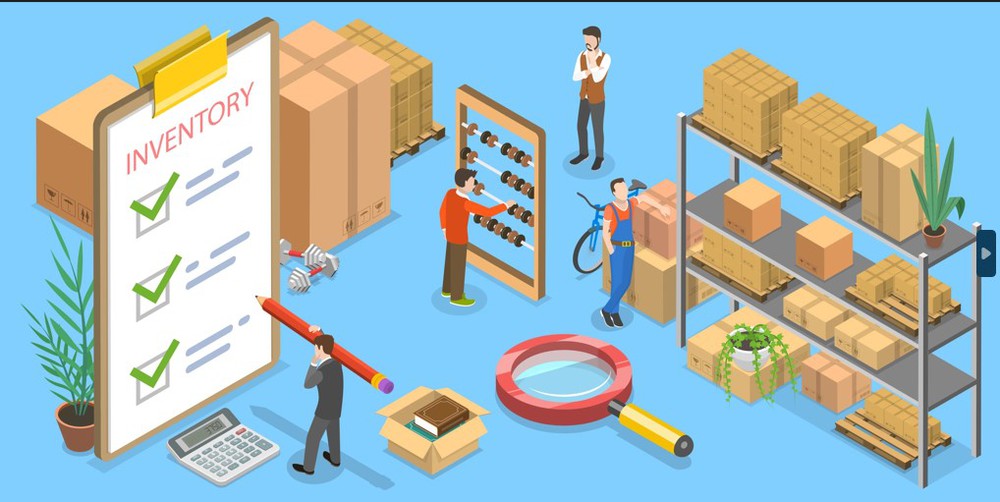
Production costs are classified based on their relationship with the volume of products and work completed into the following types:
- Variable costs: Costs that change as the volume of products and work completed changes. For example: direct material costs, direct labor costs, etc.
- Fixed costs: Costs that do not change as the volume of products and work completed changes within a certain range. For example: depreciation costs of fixed assets, property insurance costs, etc.
3.4. By production technology and product manufacturing process
Production costs are classified based on their relationship with the production technology and product manufacturing process into the following types:
- Material costs: Costs incurred from using raw materials in the production process.
- Labor costs: Costs incurred from using labor in the production process.
- Manufacturing overhead: Costs incurred during the production process that cannot be specifically attributed to individual material and labor costs.
3.5. By the method of accumulating costs for cost objects
Production costs are classified by the method of accumulating costs for cost objects into the following types:
- By cost object: Costs are accumulated by cost objects such as products, goods, services, departments, workshops, etc.
- By cost element: Costs are accumulated by cost elements such as material costs, labor costs, manufacturing overhead, etc.
4. Production Cost Formula
The production cost formula can vary depending on the type of product or service, the industry, and how the business organizes its data.
| Production cost = Raw material cost + Production labor cost + Machinery and equipment cost + Production management cost + Other costs |
Including:
- Raw material costs: This includes all costs related to purchasing and processing raw materials to manufacture the product. The basic formula can be expressed as: Raw material cost = (Quantity of raw materials needed) x (Value of one unit of raw material)
- Production labor costs: Includes costs related to wages and benefits for employees involved in the production process. The formula is: Production labor cost = (Number of labor hours required) x (Average wage of production labor)
- Machinery and equipment costs: This includes the cost of using and maintaining production machinery and equipment. The formula is: Machinery and equipment cost = (Value of machinery and equipment) / (Average lifespan of machinery and equipment)
- Production management costs: These are costs related to managing and supervising the production process. The basic formula is: Production management cost = (Salaries and benefits of production management staff) + (Operating costs of the production facility)
- Other costs: This includes other costs not falling into the above categories, such as transportation costs, insurance costs, rental costs, and other support costs.
>> See more: What is interest expense? Standard formula and conditions for deduction [2023]
5. Examples of production costs in a business
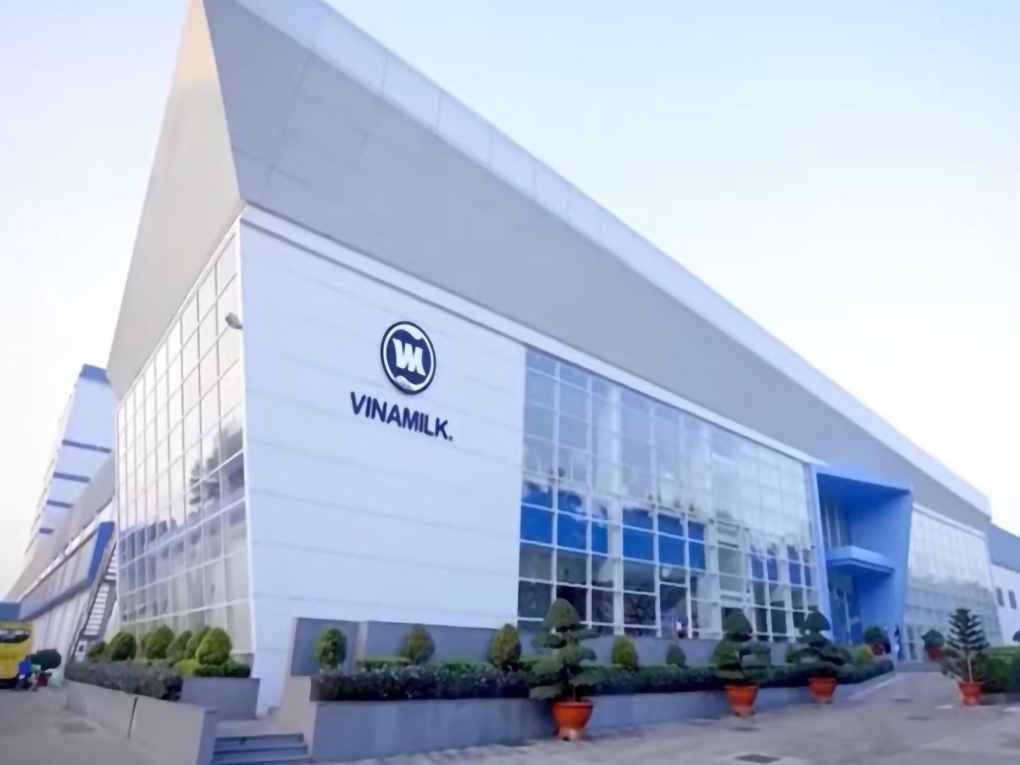
Vinamilk is the largest dairy corporation in Vietnam. Below are some examples of production costs that Vinamilk may face:
- Raw material costs: Includes fresh milk, milk powder, sugar, flavorings, milk cartons, and packaging. This cost can vary based on price and supply.
- Labor costs: Includes salaries and benefits for employees involved in the production process.
- Machinery and equipment costs: Vinamilk uses specialized machinery and equipment to produce and package dairy products. This includes the cost of maintaining and repairing this equipment.
- Energy costs: Electricity, fuel, and energy needed during the production process and for transporting products to points of sale.
- Production management costs: Includes costs for production management, production planning, quality control, and inventory management.
- Maintenance and repair costs: To ensure the continuous and efficient operation of production lines and equipment, Vinamilk must invest in maintenance and repairs.
- R&D (Research and Development) costs: Vinamilk may invest in research and development to improve production technology and develop new products.
- Advertising and marketing costs: To promote their dairy products, Vinamilk must spend money on advertising campaigns, marketing, and promotional activities.
- Transportation and distribution costs: Costs related to transporting products from the factory to points of sale and warehouses.
- Inventory costs: Costs related to storing and managing inventory of milk and similar food products.
Example of costs needed for production: A garment factory produces 1,000 T-shirts in a month:
- Fabric cost (direct raw materials): 50 million
- Direct labor wages: 30 million
- General production costs (electricity, sewing machine depreciation): 20 million → Total production cost = 100 million VND → Cost per shirt = 100,000 VND (excluding profit).
Factors affecting production costs
There are many factors that affect production costs, including:
- Price of input raw materials (market fluctuations).
- Labor productivity and production technology.
- Scale of production (economies of scale).
- Impact of technology on production costs: Applying automation, robotics, and ERP helps reduce labor costs and errors, and increase productivity (can reduce long-term costs by 20-50%).
6. The relationship between production cost and product cost
Production cost and product cost are two core factors when evaluating the efficiency of production activities. They are often mentioned in parallel because they both reflect the amount of money a business has to spend on the process of creating a product, but each concept represents a different perspective:
- Production cost: Associated with time, the production cycle, reflecting all expenses incurred during the period.
- Product cost: Associated with the output, representing the cost calculated for the number of completed products.
In other words:
- Production cost = input
- Product cost = output quantified in monetary terms
Production cost is the foundation of product cost; product cost, in turn, is the measure of the actual expenditure to create a product. This relationship is expressed through the familiar formula:
| Product cost = Beginning work-in-progress cost + Costs incurred during the period – Ending work-in-progress cost |
When a business has no work-in-progress costs at the beginning and end of a period, the product cost will fully reflect the actual production costs required to create the finished product. Work-in-progress costs are the reason for the discrepancy between these two indicators.
From this relationship, it’s clear that to lower product costs, businesses must optimize and effectively control all cost sources. Therefore, product cost becomes a crucial indicator for evaluating the efficiency of the entire production operation.
7. How to Optimize Production Costs

Optimize the Production Process
Businesses need to regularly evaluate and improve their production processes to eliminate unnecessary steps, reduce production time, and increase labor productivity.
Apply Modern Technology and Machinery
Modern technology and machinery help businesses increase labor productivity, reduce production time, and save on labor costs. Businesses should invest in modern technologies and machinery that suit their production needs.
Minimize Warehousing Costs
Warehousing costs include warehouse rental, preservation costs, spoilage costs, etc. Managers need to minimize warehousing costs by reducing inventory levels, maximizing warehouse space utilization, and implementing effective goods preservation measures.
Find Low-Cost Input Suppliers
Businesses need to find reputable suppliers with competitive prices in the market. Low-cost input suppliers help businesses reduce raw material costs and indirect labor costs.
Recruit and Train Highly Skilled Labor
Highly skilled labor helps businesses increase productivity, minimize errors, and save on labor costs. Managers should recruit and train labor with skills that match their production needs.
Optimize Management Costs
Management costs include salaries, bonuses, benefits, office supplies, travel expenses, etc. Optimize management costs by reducing the number of management staff, using effective management software, and implementing other cost-saving measures.
Properly Account for and Manage Business Costs
Accounting for production and business costs is a crucial part of the management accounting system, helping businesses accurately reflect resource usage and determine product costs. The accounting of production and business costs adheres to the matching principle, ensuring it reflects reality and serves financial analysis. The matching principle requires that incurred costs must match the output, production period, and source documents, avoiding incorrect recording that leads to inaccurate financial statements.
> Read more: 10 Cost-Cutting Solutions for Businesses with Examples
Production Cost Control Process
For tight control, businesses need to establish a clear production cost control process, consisting of the following steps:
- Create a Cost Budget: Forecast direct material costs, direct labor costs, and manufacturing overhead based on the production plan, market prices, and expected productivity. This serves as the baseline for comparison with actual results.
- Track Actual Incurred Costs: Record daily costs through documents (material requisition forms, timesheets, utility bills, etc.). Use software for real-time updates.
- Analyze Variances: Compare actual results with the budget (variance analysis): determine if variances are favorable (savings) or unfavorable (overspending). Analyze the causes (e.g., increased material prices, waste, low productivity).
- Make Timely Adjustments: Implement corrective measures immediately (adjust processes, change suppliers, train employees) to prevent the recurrence of errors in the next period.
This process not only helps with control but also provides data for strategic decision-making.
Effective Production Cost Management and Optimization
Effective production cost management requires a combination of tight control and creative improvement. Common ways to optimize production costs include:
- Applying Lean and Kaizen methods: Eliminate waste (the 7 wastes in Lean: excess transportation, inventory, waiting, etc.), and implement continuous improvement (Kaizen) through employee feedback.
- Negotiating long-term raw material prices: Sign framework agreements with suppliers, purchase in large quantities to receive discounts, and diversify supply sources to avoid the risk of price increases.
- Investing in automation technology: Use robots, CNC machines, and IoT to reduce labor costs and production errors, and increase productivity (ROI is typically achieved within 2-3 years).
- Using production cost management software: Software like SAP, Odoo, and 1Office helps with real-time tracking, multi-dimensional data analysis, cost forecasting, and integration with accounting. For example: Odoo is free for small businesses, while SAP is suitable for large enterprises with detailed reporting.
Reducing production costs in a business can achieve savings of 10-30% (or even higher) by:
- Eliminating waste through 5S and Value Stream Mapping.
- Optimizing the supply chain (Just-in-Time, reducing inventory).
- Training employees to enhance skills, reduce errors, and increase productivity.
7. FAQ: Frequently Asked Questions
7.1. What are non-manufacturing costs?
Non-manufacturing costs are expenses incurred outside the product or service production process but are related to the business’s overall operations. Non-manufacturing costs include two main types: selling expenses and general and administrative expenses.
- Selling expenses are costs incurred during the process of selling and distributing products, goods, and services. Specifically, they include marketing, advertising, promotion, shipping, insurance costs, etc.
- General and administrative expenses are costs incurred in the process of managing and operating the business. These expenses include salaries, bonuses, benefits for management staff, office supplies, electricity, water, telephone costs, etc.
7.2. What is the relationship between production cost and product cost price?
The product cost price is the value of a product determined by the total cost of production, including raw material costs, labor costs, and general production overhead. The relationship between production costs and the product cost price is as follows:
- Production cost is the basis for determining the product cost price
- The product cost price is the basis for product pricing
- The product cost price is the basis for evaluating business production efficiency
8. Challenges and solutions for cost optimization
In the process of optimizing production capital, businesses often face certain difficulties:
Challenges
- Risk of reduced product quality: Excessive cost-cutting can directly affect raw materials, processes, and the customer experience.
- Pressure on personnel: Streamlining or tightening resources can easily lead to employee overload, reduced performance, and an increased risk of errors.
- Initial investment costs: Applying technology, upgrading machinery, or changing processes requires significant expenditure, putting pressure on cash flow.
Solutions
- Balancing savings and quality: Establish a set of minimum quality standards to ensure that while costs are reduced, the product still meets requirements.
- Clear internal communication: Explain the cost optimization goals to build consensus and avoid misunderstandings or anxiety.
- Establish an improvement roadmap: Implement in phases, prioritizing items that yield quick results to reduce financial pressure and increase feasibility.
These solutions help businesses optimize costs sustainably without negatively affecting quality or human resources.
9. The role of accounting in managing production costs
Below are the important roles of accounting in managing and controlling production costs that businesses need to understand:
9.1. Collecting and recording costs
Accounting plays a key role in tracking, gathering, and accurately reflecting all costs incurred during the production process. This work is carried out through the accounting system according to Vietnamese Accounting Standards, typically including:
- Account 621: Direct raw material costs
- Account 622: Direct labor costs
- Account 627: General production overhead
All arising economic transactions are recorded promptly, helping cost data accurately reflect reality, thereby supporting managers in effectively monitoring and controlling production activities.
The above is all the information that answers the question “what is production cost“. Along with its importance, types, calculation formulas, and optimization measures. We hope this article is useful for businesses.