


 11/05/2026
  523 views
The First-in, First-out method is one of the most popular inventory dispatch methods applied by many businesses. It follows the principle that goods purchased first are prioritized for sale first, and the cost of goods sold is determined based on the actual cost of that batch. Join 1Office in exploring this method in detail in the article below to better understand how it works and its pros and cons.
Mục lục
- 1. What is the First-in, First-out (FIFO) method?
- 2. Who should apply the First-in, First-out method?
- 3. What are the key features of the FIFO method?
- 4. Example of the First-In, First-Out (FIFO) Method
- 5. The significance of the FIFO method in inventory management
- 6. When should a business apply the FIFO method?
- 7. Advantages and disadvantages of the First-In, First-Out method
- 8. Comparing the First-In, First-Out Method with Other Methods
- 9. Frequently Asked Questions about the First-In, First-Out (FIFO) Method
- 10. Conclusion
1. What is the First-in, First-out (FIFO) method?
The First-in, First-out (FIFO) method is an asset management and valuation method that applies the principle that the first items of inventory received are the first ones sold. Accordingly, it assumes that the items that have been in inventory the longest are considered sold first, and the cost of these oldest products is used in the calculation.
FIFO is a method used to determine the value of goods sold for a business. By using FIFO, businesses can reduce old inventory because goods are sold on a first-in, first-out basis. This offers the benefit of avoiding obsolete or expired inventory, helping to save significant costs when dealing with old or outdated stock.
For example: For electronic products, when transferring goods from a distribution warehouse to stores, a business needs to dispatch the batches that were produced first.
For tax purposes, the FIFO method assumes that the assets with the oldest costs are included in the cost of goods sold (COGS) on the income statement. The remaining inventory assets are matched with the most recently purchased or produced assets.
2. Who should apply the First-in, First-out method?
The First-in, First-out (FIFO) method is particularly suitable for businesses dealing in goods with a short lifecycle or high seasonality, helping to ensure systematic inventory turnover, minimize the risk of spoilage, and optimize accounting book value.
Specifically, the groups and contexts where this method is prioritized include:
- Time-sensitive goods: Distributors of fresh food, pharmaceuticals, cosmetics, or essential consumer goods with short expiration dates must use FIFO to dispatch older batches first, avoiding waste due to expiration.
- Businesses in a stable price environment: When the market for raw materials has stable prices or a downward trend, this method helps to accurately reflect the value of inventory on financial statements.
- Trend-based industries: Sectors like fashion or technology need to move older models quickly before they become obsolete to optimize storage space and recover capital swiftly.
3. What are the key features of the FIFO method?
The core feature of the FIFO method is the synchronization between the flow of goods and the flow of costs, prioritizing the dispatch of older batches to avoid obsolescence and ensure financial statements closely reflect market prices.

The FIFO method has the following basic features:
- The FIFO method follows the natural flow of inventory, where the oldest products are sold first, which makes the bookkeeping process easier and reduces the likelihood of errors compared to other methods.
- With the first-in, first-out method, the first products purchased or received are the first ones to be dispatched. In inflationary situations, FIFO records costs at the older price (lower than the price at the time of dispatch due to inflation), which can lead to a reduction in net income, causing an increase in corporate income tax.
- The FIFO method follows the principle that to avoid obsolescence, a business will prioritize selling the oldest inventory items first and keep the newest items in stock. Although this method does not require tracking the actual flow of inventory through a business’s entire process, the organization must be able to justify its choice of using a specific method to determine inventory value.
See more: Detailed methods for calculating the cost of goods sold according to Circular 200
4. Example of the First-In, First-Out (FIFO) Method
Take another example from ABC Company, a construction materials business, in March 2023:
a. Beginning inventory: 0 (million VND)
b. Inventory purchased during the month:
| No. | Date | Item Name | Quantity (tons) | Unit Price (million VND) |
|---|---|---|---|---|
| 1 | 05/03/2023 | Tiles | 150 | 10 |
| 2 | 10/03/2023 | Wooden Flooring | 80 | 20 |
| 3 | 15/03/2023 | Construction Sand | 200 | 5 |
c. During the month, the company sold goods with the following details:
- On March 12, 2023, sold 100 tons of wall tiles, 50 tons of wood flooring
- On March 18, 2023, sold 120 tons of construction sand
According to the FIFO method, the cost of goods sold is calculated as follows:
March 12, 2023:
- Cost of goods sold for 100 tons of wall tiles: (100 x 10) = 1,000 million VND
- Cost of goods sold for 50 tons of wood flooring: (50 x 20) = 1,000 million VND
March 18, 2023:
- Cost of goods sold for 120 tons of construction sand: (120 x 5) = 600 million VND
5. The significance of the FIFO method in inventory management
The FIFO method is particularly significant in the field of inventory management, especially in Logistics. By managing inventory using the FIFO method, the following advantages are achieved:
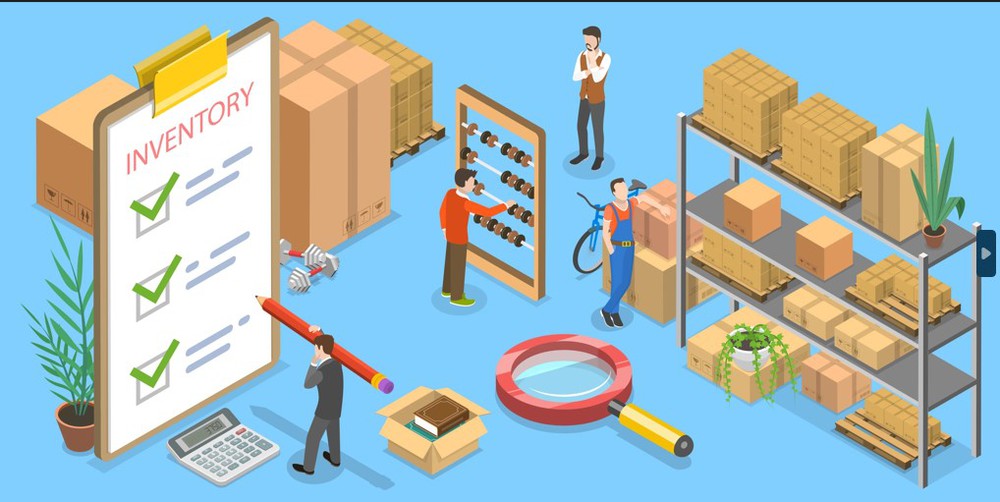
- Resolves the issue of investigation time for faulty components or packaging materials: This method helps to quickly identify the batch containing defective products, reducing time and effort in the problem-solving process.
- Saves costs on scrap materials:By accurately isolating the defective batch, businesses can minimize costs arising from processing and disposing of low-quality products.
- Preserves the company’s reputation: Preventing the circulation of substandard products helps maintain the company’s reputation. This has a significant impact on the company’s future profits and brand image.
- Ensures product quality:Using the FIFO method helps ensure that the best products always reach consumers, reducing the risk of disposal costs while maintaining revenue from goods sold.
See more: [FREE DOWNLOAD] 5+ most detailed asset management templates in Excel for 2023
6. When should a business apply the FIFO method?
Not every business is suited to apply the First-In, First-Out (FIFO) method. The choice depends on the specific industry, price trends, and financial management objectives. FIFO is most effective in the following contexts:
Cases where businesses should apply FIFO:
- Businesses dealing with perishable goods or items with short shelf lives: For example: food, beverages, pharmaceuticals, cosmetics. Selling older batches first helps prevent inventory spoilage and minimizes waste.
- When market prices are trending upward (inflation): FIFO helps reflect inventory values closer to current market prices, improving financial statements and increasing the company’s asset value.
- Businesses wanting to report higher profits: Because the cost of goods sold (COGS) is calculated based on older (lower) purchase prices, the gross profit will be higher compared to LIFO. This creates an advantage when the business needs to attract investment or secure loans.
- When a business prioritizes transparency and compliance with international standards: FIFO is accepted by IFRS (International Financial Reporting Standards), whereas LIFO is not. Therefore, publicly listed companies or those with foreign involvement often apply FIFO.
- Businesses with modern inventory management systems: ERP software and digital accounting make it easy to track first-in and first-out batches, reducing calculation errors.
Businesses should apply FIFO when they want to ensure effective inventory management, transparent financial reporting, and enhance their reputation with investors. This method is particularly suitable for the fast-moving consumer goods (FMCG) industry, the food and pharmaceutical sectors, as well as companies operating in a high-inflation environment.
7. Advantages and disadvantages of the First-In, First-Out method
7.1 Advantages
The FIFO method is particularly notable for the following key advantages:
- Estimates the cost of goods sold for each dispatch: This method allows businesses to immediately assess the cost of goods when they are dispatched, providing detailed and accurate information about the costs associated with each transaction.
- Provides timely data for accounting and management: FIFO helps businesses quickly provide data to accountants, supporting record-keeping and the transfer of actual figures to subsequent stages. This increases flexibility and accuracy in the management process.
- Keeps inventory value close to market price: When the prices of goods are stable or trending downward, FIFO helps maintain an inventory value that is relatively close to the market price. This makes the inventory metric on accounting reports more meaningful and reflective of reality.
7.2 Disadvantages
Besides the advantages of the FIFO management method mentioned above, it also has a few disadvantages:
- According to this method, revenue is primarily generated from the value of products, materials, and goods that have been in stock for a long time. This means that current revenue may not fully reflect current costs.
- For large enterprises with many types of SKUs in large quantities and continuous import/export transactions, accounting can become complex, and management costs, as well as the accounting workload, will increase significantly.
- Additionally, with the FIFO inventory management method, the backlog of old, unsold goods while continuing to import new ones will lead to the older items selling even more slowly.

To ensure accuracy when calculating the cost of goods sold, most businesses today have switched to using inventory management software. 1Office inventory management software provides a full range of features, including listing categories from receiving, inventory, shipping, to goods, and a detailed reporting system. This helps you easily control your inventory situation without spending a lot of time on bookkeeping or manual calculations using Excel.
1Office not only helps simplify the inventory management process but also alleviates any concerns about it. If you are looking for a way to optimize your business’s inventory management, integrate 1Office into your workflow. If you are interested, you can get a trial of the financial management feature of 1Office CRM to experience it and receive a completely free consultation.
8. Comparing the First-In, First-Out Method with Other Methods
In inventory accounting, besides the First-In, First-Out (FIFO) method, businesses can apply various other ways to calculate the value of goods. Each method has its own characteristics, directly affecting the cost of goods sold (COGS), profit, and financial statements. Understanding the differences helps accountants choose the calculation method that best suits the specific operations of the business.
Other common inventory accounting methods:
- LIFO (Last-In, First-Out): The last goods to be imported are the first to be sold. Suitable for a deflationary environment, but it is less commonly used in Vietnam as it does not comply with International Financial Reporting Standards (IFRS).
- Weighted Average Cost: The cost of goods sold and inventory are calculated based on the average value of all goods in stock. This method is simple and easy to apply, but it does not closely reflect price fluctuations.
- Specific Identification: Directly determines the cost for each specific product, often applied to high-value or easily identifiable goods (such as cars, machinery, jewelry). It offers high accuracy but is complex when dealing with a large quantity of goods.
Comparing FIFO with other methods:
- FIFO vs. LIFO: FIFO reflects inventory values that are close to current market prices, making it suitable in an inflationary environment. LIFO increases the cost of goods sold (COGS) and reduces profit, but it also lowers the tax liability.
- FIFO vs. Weighted Average: FIFO is more accurate when prices fluctuate, while the weighted average method is simpler but can easily distort profits if prices change significantly.
- FIFO vs. Specific Identification: FIFO is convenient for large quantities of low to medium-value goods. Specific identification is suitable for individual, high-value products.
Each method has its own pros and cons. FIFO stands out for its ability to reflect inventory values close to reality and is widely accepted under international standards. However, in some specific cases (high-value goods or a desire to optimize taxes), other methods may be more suitable. Businesses need to consider carefully to choose a method that meets both accounting standards and financial management objectives.
9. Frequently Asked Questions about the First-In, First-Out (FIFO) Method
Why does the FIFO method help businesses “beautify” their financial statements during inflation?
When prices rise, FIFO uses older (lower) purchase costs to calculate the cost of goods sold. This helps reduce expenses, increasing gross profit and the value of inventory assets on the books, which creates a good impression on investors.
Is FIFO necessary for goods without an expiration date (like steel, bricks)?
Yes, it is. FIFO helps clear out old stock to prevent dust, rust, and obsolescence. Additionally, it helps accountants manage a logical cost flow that more closely reflects the actual movement of goods.
How to handle old stock getting stuck deep in the warehouse when applying FIFO?
Businesses should design their warehouses with dual-aisle access or use automated flow racks (Flow Rack). This ensures that the first items in are always in the first-out position, preventing new stock from blocking old stock and causing it to accumulate.
How does FIFO differ from the weighted-average method?
FIFO calculates the exact cost for each batch of goods, closely reflecting the market price of inventory. The weighted-average method averages the cost of all incoming batches, which is simpler but can distort profit margins when prices fluctuate significantly.
Does using FIFO pose any tax risks?
Yes. Because FIFO generates higher profits during periods of inflation, businesses will have to pay higher income taxes. Cash flow forecasting is necessary to avoid financial difficulties when settling year-end taxes.
10. Conclusion
The above is all the information that 1Office wants to share with you about the characteristics, advantages, and disadvantages of the first-in, first-out method for businesses. We hope that through this article, your business has found the right direction for itself. We wish you success!
















