


 11/05/2026
  38106 views
In today’s increasingly competitive business environment, knowing effective ways to approach customers not only helps businesses attract new customers but also retain existing ones. To achieve this, businesses need to apply various strategies, from thoroughly understanding their target audience and crafting engaging messages to optimizing the user experience. The article below will provide you with useful methods to enhance your customer outreach and build lasting relationships.
Mục lục
- 1. What is customer outreach?
- 2. Why do businesses need an effective customer outreach strategy?
- 3. How to reach customers through online marketing channels
- 3.1. Blogging
- 3.2. Search Engine Optimization (SEO)
- 3.3. Using Email Marketing
- 3.4. Leveraging social media channels
- 3.5. Marketing automation with customer management software
- 3.6. Using Affiliate Marketing
- 3.7. PPC Advertising
- 3.8. Selling on e-commerce channels
- 3.9. Organizing minigames or sale-off programs
- 3.10. Building Groups, corporate customer communities
- 4. How to approach customers through traditional channels
- 5. Factors affecting the effectiveness of customer outreach
- 6. Common mistakes when approaching customers
- 7. Comparing B2B and B2C Customer Approaches
- 8. Frequently Asked Questions
1. What is customer outreach?
Customer outreach is the process of contacting and interacting with customers to build connections and understand their needs. This helps build trust and deliver real value to customers, thereby increasing their satisfaction with the brand.
2. Why do businesses need an effective customer outreach strategy?
A customer outreach strategy is a decisive factor in a business’s growth and long-term sustainability. A good strategy helps businesses attract the right target audience, increase sales opportunities, and enhance brand value. At the same time, this strategy helps build long-term relationships with customers, foster loyalty, and strengthen competitiveness in the market.
Without a clear outreach strategy, businesses may waste resources on ineffective channels or fail to attract potential customers. This not only affects sales but also reduces brand recognition, making it difficult for the business to grow in the long run.
3. How to reach customers through online marketing channels
In the current Industry 4.0 era, choosing online marketing channels is an effective solution that helps businesses reach their target potential customers and quickly increase conversion rates. So, which online customer outreach channels should you choose for the best results? Let’s explore the channels below.
3.1. Blogging
Blogging has become an effective channel used by many businesses to reach potential customers. By creating high-quality, engaging content that meets customer needs, your website can quickly attract many potential customers.
For example: if your blog specializes in beauty care, provide information on beauty guides, food, diet plans, workout routines, etc., to keep readers on your page.
3.2. Search Engine Optimization (SEO)
SEO stands for Search Engine Optimization. It is a method to improve the ranking of keywords and websites on search engine results pages without paying any fees. It can be considered an effective online marketing channel that helps businesses reach potential customers organically and with high quality.
3.3. Using Email Marketing
Email marketing is known as an effective existing channel for reaching customers and driving traffic to your online store. Building an email list is a great way to stay in touch with customers and with people who have visited your website but haven’t made a purchase yet. An email with compelling content or a discount that’s hard to refuse can convert your email subscribers into customers.
Some ideas for your email marketing include:
- Introduce new products with an attractive sales letter
- Offer exclusive promotions, sales methods, and discounts for subscribers.
- Send emails recommending similar products after a customer makes a purchase.
- Create content around styling and using your products to inspire customers.
Don’t miss: The most popular and effective forms of customer care today
Social Media Marketing is an effective marketing method with a wide reach, helping businesses connect with a large number of potential customers. It is arguably one of the best ways to market products and attract customers to your online store.
Platforms like Twitter, Facebook, and Instagram can all be used to attract customers. The key to success on social media is producing high-quality, engaging content to convert followers into customers. Therefore, encourage people to follow and interact with you to drive them to your online store to make a purchase.
So how do you get people to notice your social media channels? Here are some ideas you should apply when building your sales channels:
- Post regularly to engage your audience.
- Choose relevant social platforms where your target audience is present.
- Showcase your products with images and videos.
- Engage your audience by asking questions, creating polls, and posting interactive content.
Lưu ý: mỗi nội dung đăng tải bạn cần hướng đến một đối tượng cụ thể, chính vì vậy để tiếp cận khách hàng một cách tự nhiên và đạt hiệu quả hiệu quả bạn nên phân khúc thị trường một cách chính xác.
3.5. Marketing automation with customer management software
Marketing Automation is the use of software and technology to create and implement applications to automate repetitive tasks, such as email marketing, advertising campaigns, tracking, etc.
For example: brands can create an automated lead generation funnel that collects email addresses, sends a recorded demo, and then invites potential customers to schedule a live demo.
Marketing Automation helps brands:
- Collect and analyze all consumer information and behavior
- Build marketing campaigns to target specific objectives
- Deliver marketing messages to the right audience at the right time
Additionally, Marketing Automation helps businesses reach many potential customers with their complete information, such as: full name, phone number, email, number of visits, etc., all recorded and stored in the data system. Using email marketing and Marketing Automation will surely help your business connect with them right from their first interaction with your company.
Learn more: Customer management software, the best CRM solution today
3.6. Using Affiliate Marketing
Affiliate marketing is the process by which an affiliate earns a commission for marketing another person’s or company’s products. Through this, affiliates simply find a product they like, then promote it and earn a profit from the effective sales methods they implement.
Sales are tracked via links from one website to another. Today, affiliate marketing is becoming a trend and an effective means of increasing customer awareness of a business’s brand. This allows businesses to reach their potential customer base quickly and easily.
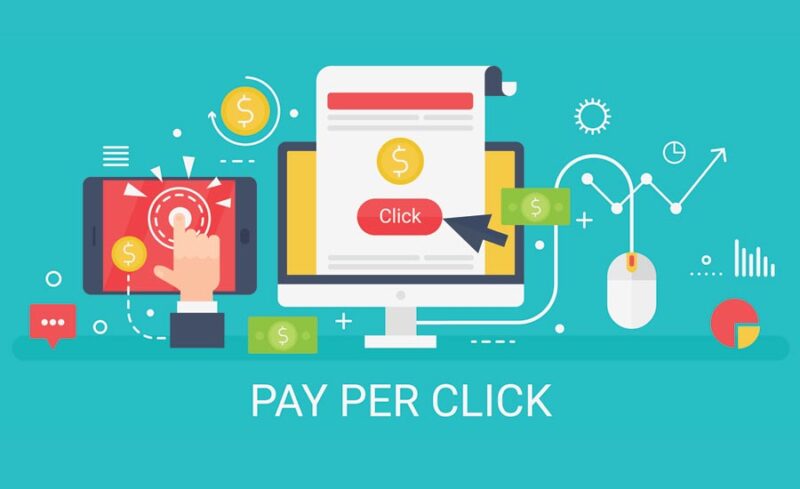
3.7. PPC Advertising
PPC stands for pay-per-click, an internet marketing model in which advertisers pay a fee each time one of their ads is clicked. Simply put, it’s a way of buying visits to your site, rather than trying to “earn” those visits organically.
This is one of the fastest ways to reach customers and helps businesses effectively acquire potential customer data. It allows advertisers to bid for ad placement in a search engine’s sponsored links when someone searches for a keyword related to their service. For example: if you bid on the keyword “human resource management software,” our ad may appear in the top position on Google’s results page.
For a successful advertising campaign, businesses need to create a target customer persona to determine who their customers are, and what characteristics or behaviors they have, in order to reach them most effectively.
To better understand how to build a target customer persona, please read the article below:
| A Guide to Building a Target Customer Persona in 4 Simple Steps |
3.8. Selling on e-commerce channels
Using e-commerce sites is considered an effective way to reach potential customers online, helping you quickly target groups of customers who have a real need. Some Vietnamese e-commerce channels where you can sell include: Shopee, Tiki, Lazada, etc. Therefore, businesses should leverage these free sales channels to reach their target customer groups. This will help your business quickly acquire target customers at the lowest cost.
3.9. Organizing minigames or sale-off programs
This can be considered a simple and highly effective new way to approach customers for businesses. Because, psychologically, everyone wants to receive gifts and buy discounted items, and customers are no exception. Therefore, businesses need to understand customer behavior to organize minigames to attract participation and launch multiple sale-off programs during major holidays to give customers the opportunity to buy more products from your store.
3.10. Building Groups, corporate customer communities
According to a study by Forbes, about 80% of potential customers trust online reviews from actual users of a business’s products/services.
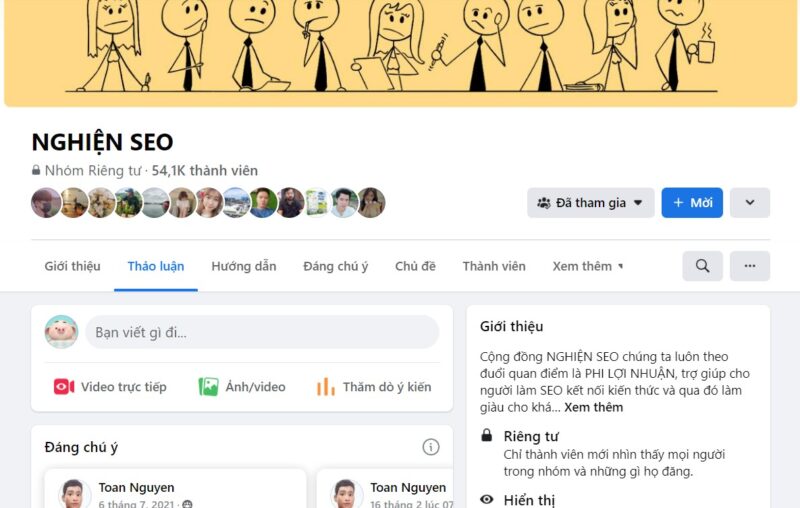
Building a Facebook Group around your brand or business is considered a great way to connect with customers, create a community between customers and the business, and share useful knowledge and sales promotions.
An interactive and supportive Facebook Group is a way to support your current customers while attracting potential ones. Your Facebook Group can do both if you know how to properly build a valuable and engaged community.
You might be interested in: What is Customer Insight? The most effective and accurate way to identify customer insights
4. How to approach customers through traditional channels
Besides online channels for customer outreach, traditional customer approach methods still bring high value to businesses and maximize their advantages. Below are some traditional customer outreach channels that businesses can apply:
4.1. Outdoor advertising (Billboard ads)
Outdoor advertising is when a business runs an advertising campaign in specific geographical locations to reach potential and prospective customers when they are outside their homes. Outdoor advertising can use various tools such as: Billboards, restaurant ads, public transport ads, or other tools.
In today’s 4.0 era, outdoor advertising is an effective way to reach customers, helping you build your brand, broadcast messages widely, and support campaigns. The more people know about your products and services, the more interested they will be in buying them, which means your business’s revenue will improve significantly.
4.1. Organizing events and sharing seminars
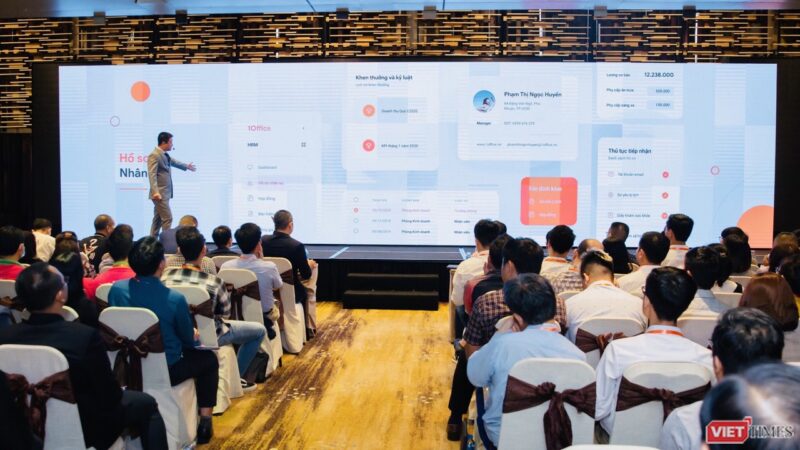
Sharing seminars featuring leading experts in the field will build trust and increase the business’s credibility with customers. At the same time, this is also a way to promote the business’s brand, helping it become widely known and quickly reach its target customer group.
4.2. Organizing product trial programs
Promoting products through trials is a familiar and effective way to reach potential customers, favored by many businesses in the current era of online advertising. To reach customers, businesses will set up product display counters in shopping malls, traditional markets, and supermarkets to attract customers for trials. This will make customers feel excited about trying the product before buying.
>>> See more: The standard 7-step B2B sales process for every business
4.4. Organizing events
Organizing events, exhibitions, or workshops is always one of the effective direct customer outreach methods applied by many businesses. To organize a successful event, you need to understand the insights, needs, and behaviors of your target customer group to ensure the event is as successful as possible. Plan in detail before you start to promote products and convey the business’s message to customers as quickly as possible.
In addition to the approaches above, businesses can adopt a customer approach by conveying messages through highly effective and meaningful social activities.
For example: If a business contributes to the community by awarding scholarships to underprivileged children, supporting the construction of charity houses, or helping lonely elderly people, it will help your business score points in the eyes of customers and receive positive feedback. This, in turn, will help the business attract more customer interest and reach more quality customers in the future.
4.6. Collaborating with KOLs
KOL (Key Opinion Leader), also known as “influencers,” are understood as individuals or organizations with a foundation of product knowledge, or experts in a certain field who have significant influence in their industry. KOLs can be movie stars, MCs, actors, singers, or TikTokers, and they possess a large number of followers on media channels such as newspapers and social networks and have a voice in a certain community.
Collaborating with KOLs will help businesses reach a large volume of potential customers through the friends and followers of the KOLs they partner with. This is because customers generally have a certain level of trust in the products/services that KOLs introduce and advertise.
4.7. Collaborating with other business partners
“If you want to go fast, go alone. If you want to go far, go together.” Currently, expanding relationships with business partners is an excellent way to approach B2B customers and brings many new opportunities. Based on the goal of mutual development and bringing customer value to both sides, customers will have more trust in your business. This creates favorable conditions for approaching and easily turning them into potential customers.
5. Factors affecting the effectiveness of customer outreach
To successfully reach customers, businesses not only need a good promotional channel but also must clearly understand the factors “behind” the buyer’s behavioral decisions. From the product and message to brand trust and internal operations, everything contributes to determining whether a customer will pay attention, trust, and take action.
Product & value proposition: If the product isn’t differentiated or the promise is vague, any channel will be costly. Conversely, when you can state “what the pain is – what the solution is – what the proof is,” the cost of outreach naturally decreases because customers see themselves in the message.
Right person – right time – right context (segmentation & personalization): With the same message, when personalized by segment and buying stage, revenue and spending efficiency increase significantly. McKinsey notes that personalization can increase revenue by 5–15% and marketing spend efficiency by 10–30%, and even reduce new customer acquisition costs by up to 50% when done systematically.
Omnichannel coordination instead of fragmented execution: Customers often go through multiple touchpoints (search → social media → email → store). Research cited by Google shows that omnichannel customers have a lifetime value ~30% higher than single-channel customers. This means that for the same outreach effort, a proper omnichannel approach will “generate” better long-term revenue.
Owned data & lifecycle nurturing (email/lifecycle): Email/lifecycle is inexpensive yet “reliable” if you use behavioral data to send the right content. A report by Litmus shows that many businesses achieve an email ROI of up to 36:1 (some even higher), reinforcing that this is a channel that should be leveraged for re-engagement.
Brand trust: Outreach is only effective when customers trust who is talking to them. Edelman shows that consumers who “highly trust” a brand are significantly more likely to buy, be loyal, and recommend it.
Team capabilities & tools: A Sales–Marketing team equipped with a CRM, automation, and dashboards will approach customers consistently, measure real effectiveness, and avoid “burning money before learning lessons.”
6. Common mistakes when approaching customers
Approaching customers seems easy, but in reality, it’s a “trap” that causes many businesses to waste money. The wrong channel, the wrong message, or a lack of customer research can all lead to campaign failure. Understanding these mistakes helps businesses avoid repeating past errors and optimize resources more effectively.
Choosing channels based on trends instead of customers
- Many businesses see competitors on TikTok or Facebook and immediately follow suit, while their target customers are primarily on LinkedIn or at industry seminars. This “trend-chasing” without being based on actual behavior causes the message to reach the wrong people, increasing the budget while the conversion rate remains low.
Not researching customer personas
- Who are the customers? What do they need? What are their fears? If you can’t answer these basic questions, every outreach strategy is just guesswork. In fact, McKinsey points out that businesses that excel at personalization and understanding their customers can increase revenue by 5–15% and marketing spend efficiency by 10–30%.
Inconsistent messaging
- Customers read one thing on the fanpage, hear something else from a sales consultant, and then see a completely different outdoor advertisement. This inconsistency erodes brand trust and makes customers feel the business is unprofessional.
Surface-level measurement
- Businesses often stop at looking at CTR or CPC. But many clicks don’t equate to revenue. More important is the conversion rate of potential customers into orders, and the long-term value they bring (LTV). Without measuring this, businesses fall into the illusion of a “successful campaign” that is actually ineffective.
Over-reliance on paid advertising
- Advertising can generate quick reach, but relying solely on it leads to rising costs and diminishing effectiveness. Meanwhile, channels like email marketing or customer communities have a much higher ROI. The Litmus 2024 report shows that email can generate $36 in revenue for every $1 spent.
Lack of evidence to build trust
- Customers are increasingly cautious. If a business only makes claims without providing case studies, testimonials from previous customers, or credible certifications, all outreach efforts can easily be met with skepticism. The Edelman Trust Barometer 2024 shows that when consumers have high trust in a brand, they are more willing to buy more, be more loyal, and recommend it to others.
7. Comparing B2B and B2C Customer Approaches
Not all customers are the same; approaches to business (B2B) and individual (B2C) customers must be tailored to the unique characteristics of each group. Each approach has its own advantages and challenges, affecting how relationships are built and revenue is grown. In the analysis below, we will delve deeper into these two approaches, from objectives and messaging to suitable communication channels:
| Criteria | Approach to Business Customers | Approach to Individual Customers |
|---|---|---|
| Objective |
|
|
| Purchase Decision | Complex decision-making process, often requiring multiple steps and consensus from various departments | Quick decisions, choices based on emotion or immediate needs |
| Message | In-depth, focusing on long-term value and benefits | Concise, easy to understand, more emotional |
| Popular Channels | Email, seminars, events, social media, etc. | Social media, online advertising, e-commerce platforms, etc. |
| Interaction Time | Often lengthy, requires time to build relationships | Shorter, faster interaction time |
| Market Segmentation | Customers segmented by size, industry | Segmented by age, interests, behavior |
| Data Analysis | In-depth analysis of the market and industry trends | Analysis of individual behavior and preferences |
8. Frequently Asked Questions
Which channels should small businesses use to approach customers first?
Small businesses should start with channels that are easy to implement, cost-effective, and align with where their target customers are, such as social media, email, telesales, or SEO. The key is to choose the right channels that are likely to generate customers first, rather than trying to manage too many channels at once.
Should I approach customers via phone, email, or text message?
It depends on the product, customer segment, and their level of interest. Phone calls are suitable for quick discussions and clarifying needs, email is ideal for detailed and professional content, and text messages are good for initial contact or brief follow-ups.
What is the difference between approaching B2B and B2C customers?
B2B typically takes more time, involves more steps, and includes multiple decision-makers. B2C is usually faster, with emotions and the purchasing experience having a stronger influence on the decision.
How often should I follow up with a customer?
For interested customers, it’s generally best to follow up within 1–3 days, then adjust the frequency based on their response. The key is to stay in touch consistently without being too persistent, ensuring the customer doesn’t forget you.
When should I use a CRM to track and optimize the customer approach process?
A business should use a CRM when its customer base grows, it uses multiple outreach channels, has several sales reps handling leads, or starts experiencing missed information and follow-ups. If you want to centralize customer data, track interaction history, and optimize your outreach process more effectively, you can explore the 1Office CRM customer management software.
Thus, the content above has introduced users to effective ways to approach potential customers that are trusted by many businesses. We hope this article provides you with useful knowledge to achieve the best results.
















