


 11/05/2026
  303 views
What is HRIS? Why is HRIS increasingly important for businesses? Human resources are a decisive factor in a business’s success. Therefore, effectively leveraging human resources is always a major challenge for modern managers. A Human Resource Information System (HRIS) was created as an ideal tool to help develop human resources. This article by 1Office will help you understand what HRIS is, the value it brings to businesses, and the criteria for choosing a suitable HRIS software.
Mục lục
- 1. What is HRIS?
- 2. What are the main functions of an HRIS management information system?
- 3. What are the benefits of implementing an HRIS human resource management system?
- 4. When should a business implement an HRIS system?
- 5. What are the steps to choosing HRIS software
- 6. Criteria for choosing HRIS software for a business
- 7. Applying Human Resource Management Knowledge in Practice with the 1HRM Tool
1. What is HRIS?
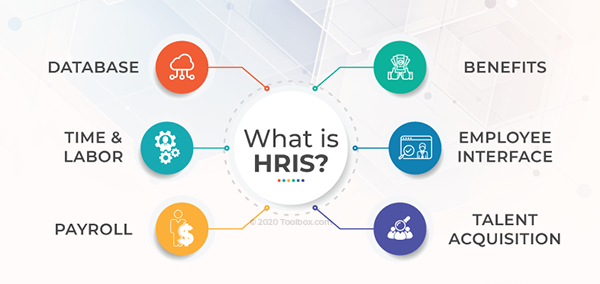
HRIS (Human Resources Information System) is a platform that collects and stores all personnel-related information within an organization or business.

An HRIS system provides a comprehensive view of the intellectual and physical potential of each employee, including quantitative and qualitative factors at all times—from the past to the present and projected into the future.
Additionally, an HRIS can integrate with other information systems within the organization, such as financial accounting, production, and marketing systems.
2. What are the main functions of an HRIS management information system?
In a company, the human resources department is responsible for managing employee data, including personal history, skills, experience, achievements, and compensation. Managing this information manually not only leads to loss and difficulties in organization and retrieval but also poses a significant risk of information leaks. To reduce the manual workload in these administrative activities, organizations began to automate processes using specialized human resource management systems like HRIS.
Here are some typical functions of an HRIS human resource management system:
- Storing and organizing employee records, ensuring information is scientifically organized and highly secure.
- Managing the hierarchical structure within the organization.
- Creating a professional workflow that includes recruitment, probation, official employment contract signing, and termination stages.
- Managing the work status and annual leave of personnel.
- Handling benefits, compensation packages, payroll management, and records for employees.
- Measuring work performance and employee satisfaction.
- Tracking workflows and evaluating employee capabilities to make reasonable decisions on appointments, dismissals, and transfers.
- Generating reports and assessments to help HR managers get a comprehensive and detailed view of HR activities.
3. What are the benefits of implementing an HRIS human resource management system?
HRIS is a useful human resource management tool for any business, regardless of its size. Effectively managing human resources and assets is the key factor in enhancing business value and promoting sustainable development.
3.1 Enhance the new employee onboarding process
HRIS software can make the onboarding process more efficient and consistent by providing access to training materials and storing all new employee information in one easily manageable location. This helps HRIS transform the new employee training process from a fragmented one into a fast and cost-effective process, while eliminating unnecessary expenses.

3.2 Store employee information effectively
HRIS is a human resource management information system designed to assist businesses in human resource administration. With the help of this software, a company can easily manage the information of many employees on a centralized platform. This helps simplify management processes and minimize errors when information needs to be updated or adjusted.
3.3 Easily collect and manage information
With HRIS software, managers can easily access and search for information. This system organizes information files by title, making it more convenient and efficient to access, convert, look up, and navigate between documents.

3.4 Optimize the information reporting process
Thanks to the reporting and analysis features in HRIS, you can easily retrieve recruitment data to provide deeper strategic insights into human resource management.
4. When should a business implement an HRIS system?
Many people think that HRIS software is unnecessary and can be replaced by manual methods. However, there comes a time when you will realize that the old way is no longer effective. Here are 3 signs that it’s time to integrate HRIS software into your business’s operational processes.
4.1 When work systems are not synchronized
In a multitasking human resource management environment, businesses often have to handle many different processes, each requiring a separate solution. For example, when recruiting for a new position, the HR department needs a system to track candidates and set up elements such as payroll, benefits, and training. After a candidate becomes a full-time employee, the HR department also has to plan, manage attendance, and work performance.
If these tasks are not synchronized, the HR system will become fragmented, leading to a deadlock in the company’s human resource management.
4.2 When spreadsheets become too complex
Many people are still accustomed to using Excel and Google Sheets to manage information, but these tools are not designed for long-term data management. Over time, data in spreadsheets can become complex and outdated, and security risks also increase.
A human resource information management platform needs to store data and records intelligently and simply, allowing for easy access and tracking of employee information while ensuring high security.
4.3 When custom reports are needed
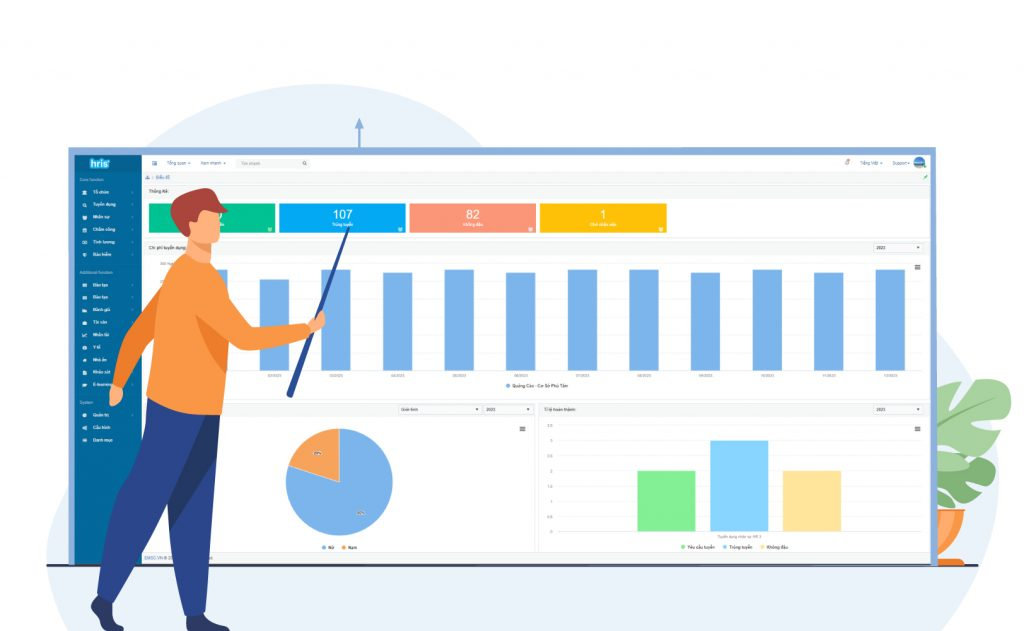
There are many jobs that require businesses to work with data, but many people are still using outdated or cumbersome reporting systems. A modern human resource management platform will provide automated custom reports, helping businesses easily track and make more accurate and effective personnel decisions.
5. What are the steps to choosing HRIS software
- Step 1: Identify the business’s needs and wants
The first important step is to clearly identify the actual needs and wants of the business when implementing HRIS software. You need to ensure that the HRIS aligns with the company’s recruitment and human resource management strategies in the short, medium, and long term.
When defining requirements, it is necessary to clarify the essential functions, the data to be managed, the necessary reports, the implementation process, and integrated systems. Discuss and consult with leadership and relevant departments to ensure that all needs are met in a synchronized and unified manner.
- Step 2: Determine the business’s investment budget
Budget is a crucial but often challenging factor as it depends on many elements and needs to be balanced with other cost items. Determining a relative budget helps you choose a suitable provider.
You can choose to purchase the software as a complete package or break it down into monthly or yearly implementation phases, depending on the business’s cash flow.
- Step 3: Select 2-5 providers
To ensure you choose the right HRIS software, you should consider at least 2-5 different providers. After selecting potential providers, you can request quotes, receive detailed documentation, and use demos to evaluate the features and suitability of each system. At the same time, don’t forget to check the provider’s reputation and consult objective reviews from previous customers to make the most accurate decision.
- Step 4: Define implementation goals
After getting an overview of the software’s features and costs, you need to define specific goals for the implementation. Ask questions such as: When should the software implementation begin? How long will the trial period be? Is it necessary to organize training for employees to understand what HRIS is and how to use the software? After how long will the results be evaluated, and what criteria will be used to assess the project’s success or failure? These clear goals will help you manage the implementation process effectively and achieve the desired results.
- Step 5: Negotiate directly with the provider
After clarifying the goals, you need to continue working and negotiating with the providers on your shortlist. Based on the established evaluation criteria, negotiate to ensure that the business achieves its requirements for functionality, implementation scope, cost, development roadmap, and support services. Thorough negotiation will help you choose the most suitable solution for your business and optimize the benefits from the software.
- Step 6: Make the decision to purchase and use the software
At this step, the business will make the final decision and coordinate with the provider to implement the software internally. It should be noted that adopting new software can be confusing and may disrupt initial workflows, so the decision-maker and manager need to choose a suitable implementation time and proceed gradually. During the transition, maintain regular contact with the provider to receive necessary support and ensure a smooth implementation process.
6. Criteria for choosing HRIS software for a business
6.1 Scalability According to Business Size
HR managers need to carefully evaluate the software system’s growth potential to ensure it can meet the company’s expansion needs. This includes the ability to scale when the company hires more staff, opens new offices, or changes compensation and benefits policies. The software must be flexible and capable of integrating with changing organizational factors to support the sustainable development of the business.

6.2 Meeting All Human Resource Management Requirements
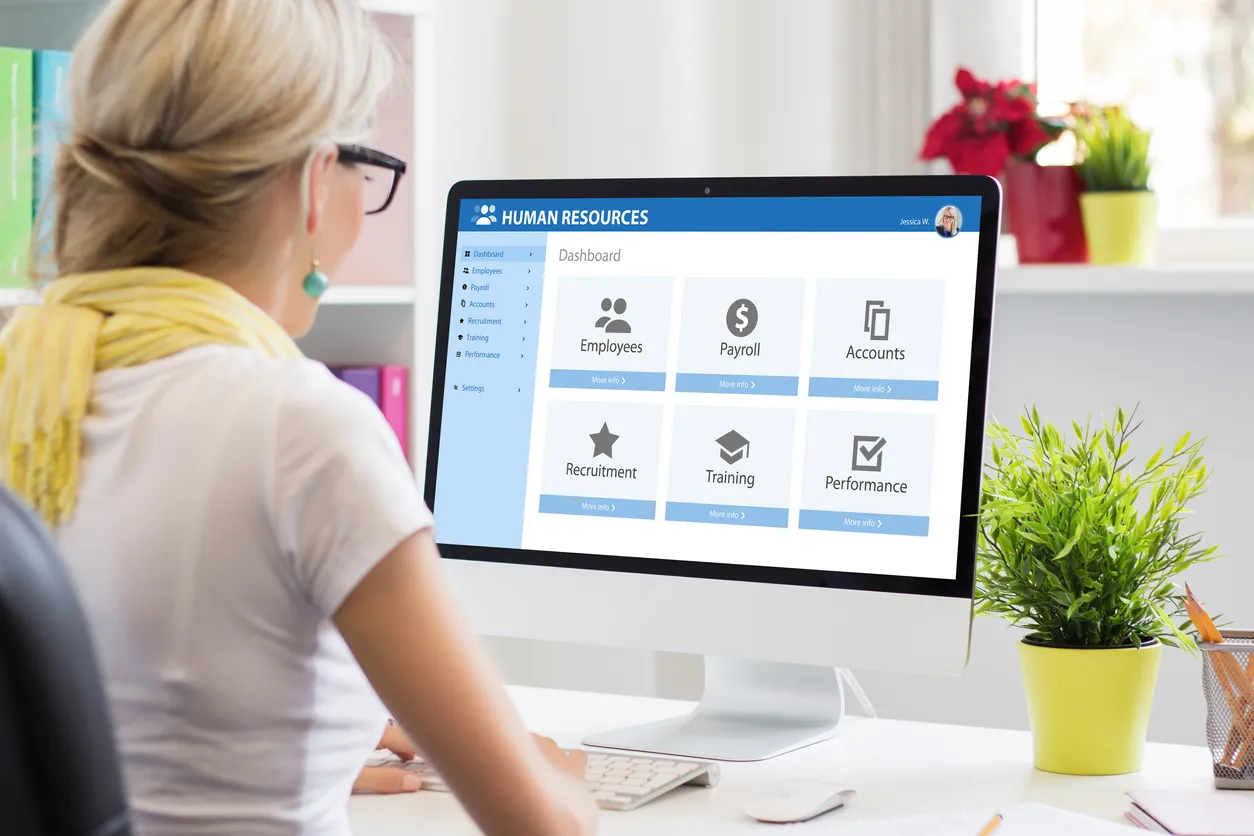
The HRIS software must cover all human resource management tasks, including compensation policies and employee support when needed. It should allow for employee interaction, such as a web version for HR management and a mobile app for employees to update their own information.
To ensure the software meets the actual needs of the business, HR managers should consult with other department heads and employees within the company. This will provide a comprehensive and accurate assessment of the HRIS software’s ability to meet HR operational requirements.
6.3 Integration with Financial Systems
Systems for payroll, bonuses, benefits, and recruitment often require high levels of interaction and information exchange with other systems. To achieve optimal efficiency, businesses need an HRIS software capable of storing and managing all data on a single platform.
Today, thanks to cloud computing and open APIs, many HRIS software can meet this requirement well, ensuring effective data connectivity and synchronization.
7. Applying Human Resource Management Knowledge in Practice with the 1HRM Tool
Today, many businesses have adopted technology in human resource management, and 1HRM by 1Office stands out as a solution trusted by over 6,000 businesses due to its diverse features and ability to effectively meet HR needs. This is an HRIS software designed to meet both the needs and requirements of Vietnamese businesses, from cost and interface to advanced features, security levels, and modern human resource management methods.
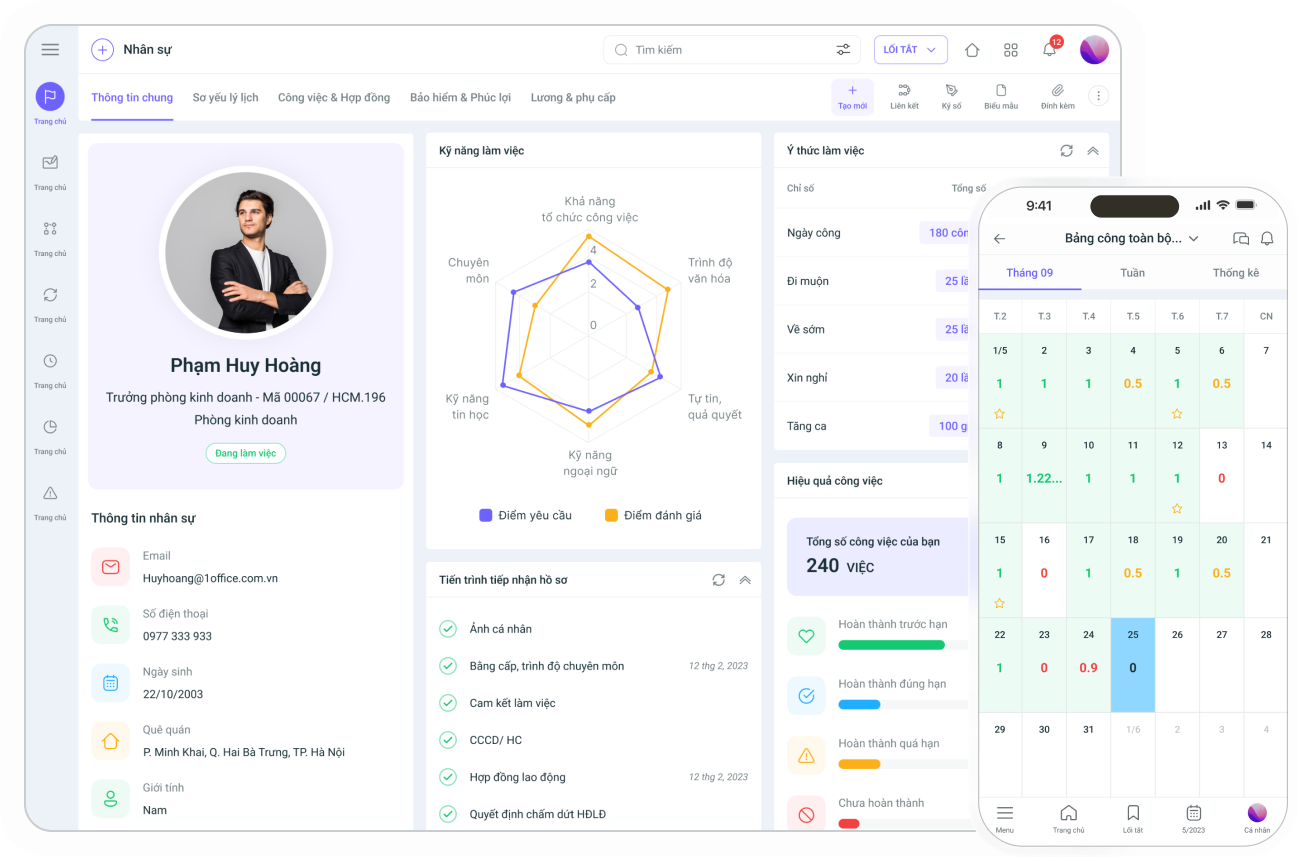
1HRM is a comprehensive human resource information management system, offering features such as:
- Digitizing and managing employee records systematically and securely.
- Tracking contract status and related changes.
- Managing employee insurance-related information.
- Storing management decisions for easy access when needed.
- Providing real-time HR data reports and analysis.
We hope this article has helped you understand what HRIS is and the value this system brings. Choosing the right HRIS software will help businesses manage personnel information more effectively while improving employee management efficiency within the company. To receive a detailed consultation and experience a demo of the comprehensive 1HRM Human Resource Management Solution Suite, you can register here: https://1office.vn/1hrm
















