


 11/05/2026
  33334 views
Human resources are always a major issue that managers must take seriously. A comprehensive and accurate assessment of human resources will help the Board of Directors identify problems to be solved, as well as the company’s strengths and weaknesses. In this article, let’s explore with 1Office 4 standard and most detailed HR Report templates for HR.
Mục lục
Introduction
What is an HR report?
Basically, an HR report is an analytical method used to display statistics, detailed information, and metrics related to human resources with the main purpose of improving workforce performance, recruitment processes, and other related HR procedures.
By working with HR-oriented metrics, you can identify trends, pinpoint inefficiencies, leverage strengths, and address weaknesses in certain business activities, making operations more effective.
Why are HR reports important to an organization?
Identify organizational shortcomings
The HR department acts as a central point for all departments to handle existing organizational issues related to the human element, so that business management can build an effective HR strategy.
The employee lifecycle is also an issue that the HR department must pay attention to. Companies can retain top employees by identifying concerns with the work environment, building suitable compensation and benefits policies for employees, etc.
Track employee performance
Tracking employee performance helps managers determine which tools their subordinates are using to perform their jobs. This helps to understand if employees are wasting time, costs, or any other resources. Additionally, tracking employee performance also helps the organization improve productivity and enhance the quality of work completion.
Some common types of HR reports
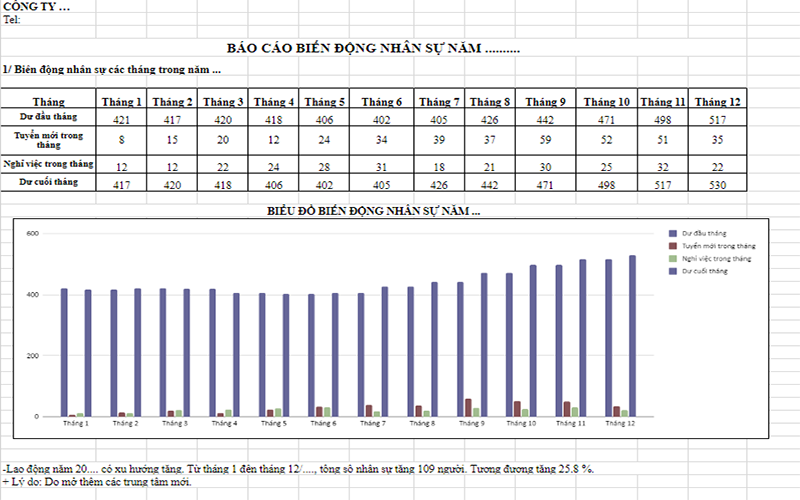
Employee turnover report
This is a report template created for the purpose of tracking changes in the number of employees within the company based on criteria such as: seniority, length of service, and job position.
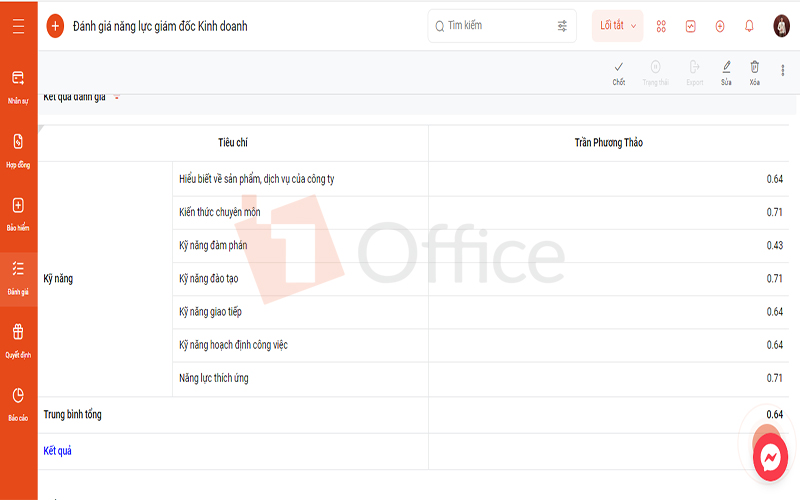
Employee performance evaluation report
- Monitoring employee performance is a fundamental task for any HR director as it provides the necessary metrics to ensure the business is operating at its best capacity. To support that process, HR management reports provide basic metrics to understand how your workforce is performing and to promptly detect any issues that need improvement regarding the organization’s human resources.
- Some metrics you can use in these types of reports include: time to productivity, peer reviews, hours worked, and training costs, among others.
- Employee performance can be tracked at the department, team, or individual level.
- For example, if sales are declining, the HR department can analyze the development of the sales team to understand if something is lacking there.
Recruitment report
This is a document that allows HR managers to track every detail related to their recruitment process.
Basic metrics used in this report template include: average time of a recruitment campaign, cost per hire, or number of applicants, etc. It is important to track these details as they can help you optimize your recruitment strategies and speed up the process to quickly find the best candidates for each open position.
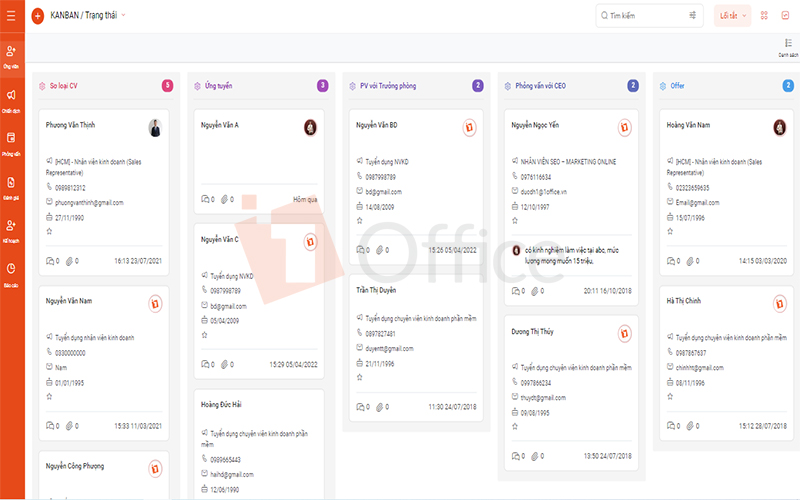
Based on the Recruitment Report, businesses can build a detailed recruitment plan that is most suitable for the organization’s model.
Report on compliance with regulations and work shifts (Attendance Report)
The purpose of this report is to provide managers with a comprehensive overview of the business regarding compliance with working hours and the implementation of company policies and regulations.
For example, you might find that the absenteeism rate is linked to stress, an issue that needs to be addressed immediately by providing support to anyone who needs it. On the other hand, tracking these rates can also help you forecast the average cost of absenteeism, which could include paid leave expenses or general productivity losses.
| Learn more: Latest Work Progress Report Template and 4 Basic Steps to Create a Standard Report |
Mandatory content for HR reports
Recruitment Report
In this report, HR needs to include the following information to meet the requirements of managers:
– Number of candidates evaluated within a specific period
– Number of candidates for each specific recruitment channel: Via email, via recruitment apps/websites,
– Offer rejection rate, reasons for rejection
– Quality assessment for each interview: Interview duration, candidate quality, etc.
– Top channels for sourcing candidates
– Sources that bring in the highest quality candidates
– Positive recruitment listings by position, department, and other criteria
Performance Management Report
For this report template, the HR Department manager must include the following necessary information to provide a comprehensive report to the leadership team:
- Absenteeism rate: reflects employee performance. Organizations should closely monitor this metric and always strive to reduce it as it affects productivity. Companies can identify the reasons behind employee absenteeism over the past month to see if it is unique to a specific department or a common issue throughout the organization.
- Overtime hours: Tracks employee workload in more detail and shows employee dedication as well as errors in the work process. Frequent high overtime can limit the company’s growth potential and lead to a shortage of projects or orders.
- Employee productivity: Determines the efficiency of your workforce, calculated by dividing total sales by the number of employees. Productivity metrics allow companies to understand employee performance and adjust workflows if possible.
Personnel Fluctuation Report
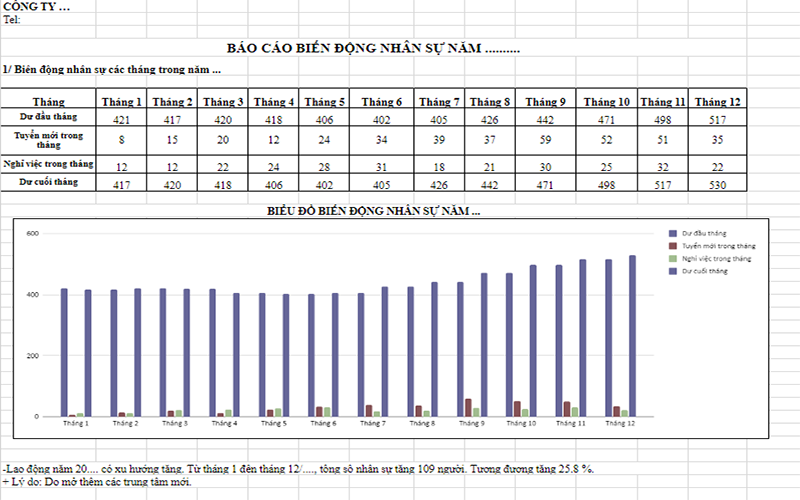
This is a type of report used to track the number of personnel in a business. Typically, this report is prepared for specific timeframes: monthly, quarterly, or annually.
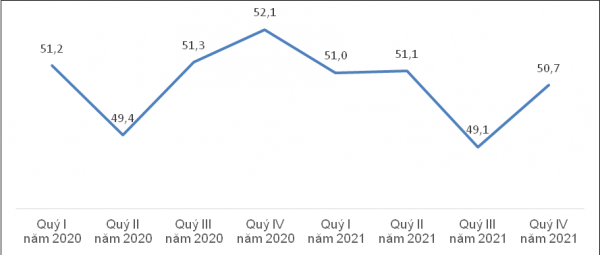
This report is used to identify the causes of personnel fluctuations, and the leadership team, along with the HR department, will develop policies and regulations to improve the employee lifecycle within the company. Typically, personnel fluctuation reports can use diagrams to make it easier for managers to track the organization’s personnel situation.
Standard HR report templates for businesses
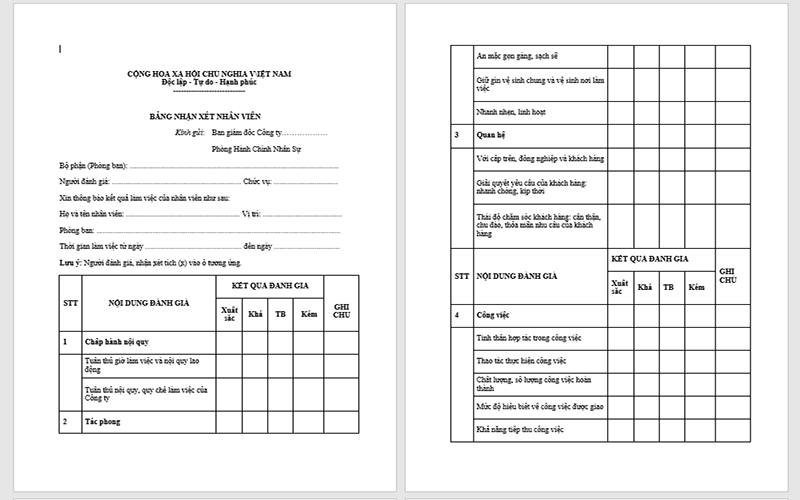
1. Annual Employee Review Report
At the end of the year, HR needs to prepare reports to help superiors evaluate the work performance of each individual and department. This serves as the basis for salary reviews and year-end bonuses for staff.
Download the free year-end employee evaluation report template: Here
2. Example of an annual personnel fluctuation report template
See the annual Personnel Fluctuation report template at: https://docs.google.com/spreadsheets/d/158KlsxXNtx5YkVUp7p2_oOAl6sxrLGcv/preview
3. Employee Competency Assessment Report
In this section, 1Office will provide readers with an employee competency assessment report template on the system that is suitable for a company’s Digital Transformation process.
Create automated HR reports with the 1Office HRM module
As an all-in-one business management platform, 1Office HRM makes managing your organization’s human resources easier than ever.
Some HR report templates that can be easily created on the 1Office system:
- Recruitment campaign effectiveness report
- HR operational performance assessment
- Automatically categorize candidate recruitment profiles by recruitment channel, recruitment progress, etc.
- Assign tasks and set deadlines for employees on the system for easier tracking.
Frequently Asked Questions
We hope that the information provided by 1Office will be valuable to your business. Best regards!
For more details, please see:
Hotline: 083 483 8888
Fanpage: https://www.facebook.com/1officevn/
Youtube: https://www.youtube.com/channel/UCeTIRNqxaTwk0_kcTw6SxmA
















