


 10/05/2026
  147 views
Samsung is one of the world’s leading technology corporations, renowned for its continuous innovation and development of advanced technology products. To achieve this success, Samsung has implemented a powerful and effective marketing strategy. In this article, let’s join 1Office to explore Samsung’s marketing strategy to see why this brand has achieved resounding success in the Vietnamese market.
Mục lục
- 1. Introduction to Samsung Corporation
- 2. Samsung’s Segmentation and Target Customers
- 3. Samsung’s SWOT Model
- 4. Analysis of Samsung’s Marketing Strategy Using the 4P Marketing Model
- 5. Samsung’s brand positioning strategy
- 6. Conclusion
1. Introduction to Samsung Corporation
Samsung, a giant multinational corporation from South Korea, is headquartered at the Samsung Town complex in Seocho District, Seoul. With numerous subsidiaries, sales networks, and representative offices worldwide, Samsung operates under a single brand. This corporation not only has the largest scale and influence on the South Korean economy but is also one of the most valuable technology brands in the world.
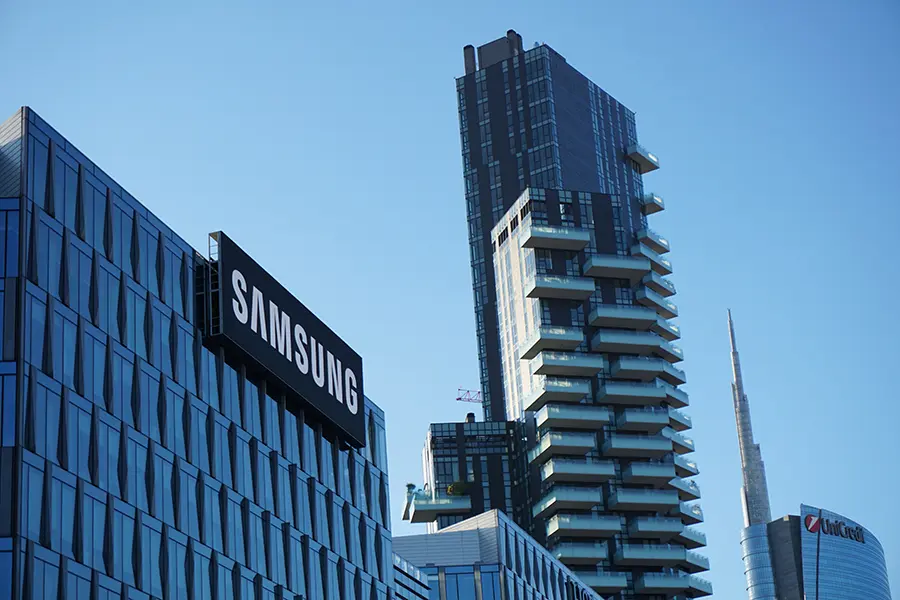
Founded by Lee Byung-chul in 1938, Samsung started as a small trading company and gradually grew into a diversified conglomerate, including food processing, textiles, insurance, securities, real estate, and retail. Today, Samsung focuses heavily on investing in high-tech and consumer electronics, with flagship products such as mobile phones, TVs, electronic chips, and semiconductors. Samsung’s outstanding success in many fields has contributed significantly to the corporation’s total revenue and the South Korean economy.
Samsung’s marketing strategy plays a key role in maintaining its leading position in the global market. Today’s article will explore the details of this corporation’s marketing strategy, from its creative customer approach methods to how it builds and strengthens its powerful brand. We hope you will draw valuable lessons that you can apply to your own business.
2. Samsung’s Segmentation and Target Customers
Customer Segmentation
Samsung applies various market segmentation methods to reach different customer groups.
- Age-based segmentation: Samsung offers products suitable for various age groups, from teenagers to the elderly.
- Gender-based segmentation: Product designs and features cater to the needs of both men and women, helping Samsung reach a broader audience.
- Income-based segmentation: Samsung’s product line ranges from high-end models like the Galaxy S series for high-income customers to more affordable products like the Galaxy A series for those with medium and low incomes.
- Behavioral segmentation: Samsung segments based on consumer behavior, usage rate, and loyalty. They offer advanced products for tech enthusiasts and more affordable products for price-conscious consumers.
- Lifestyle segmentation: Samsung targets customers with a modern lifestyle who appreciate luxury, offering high-end and premium products.
Target Customers
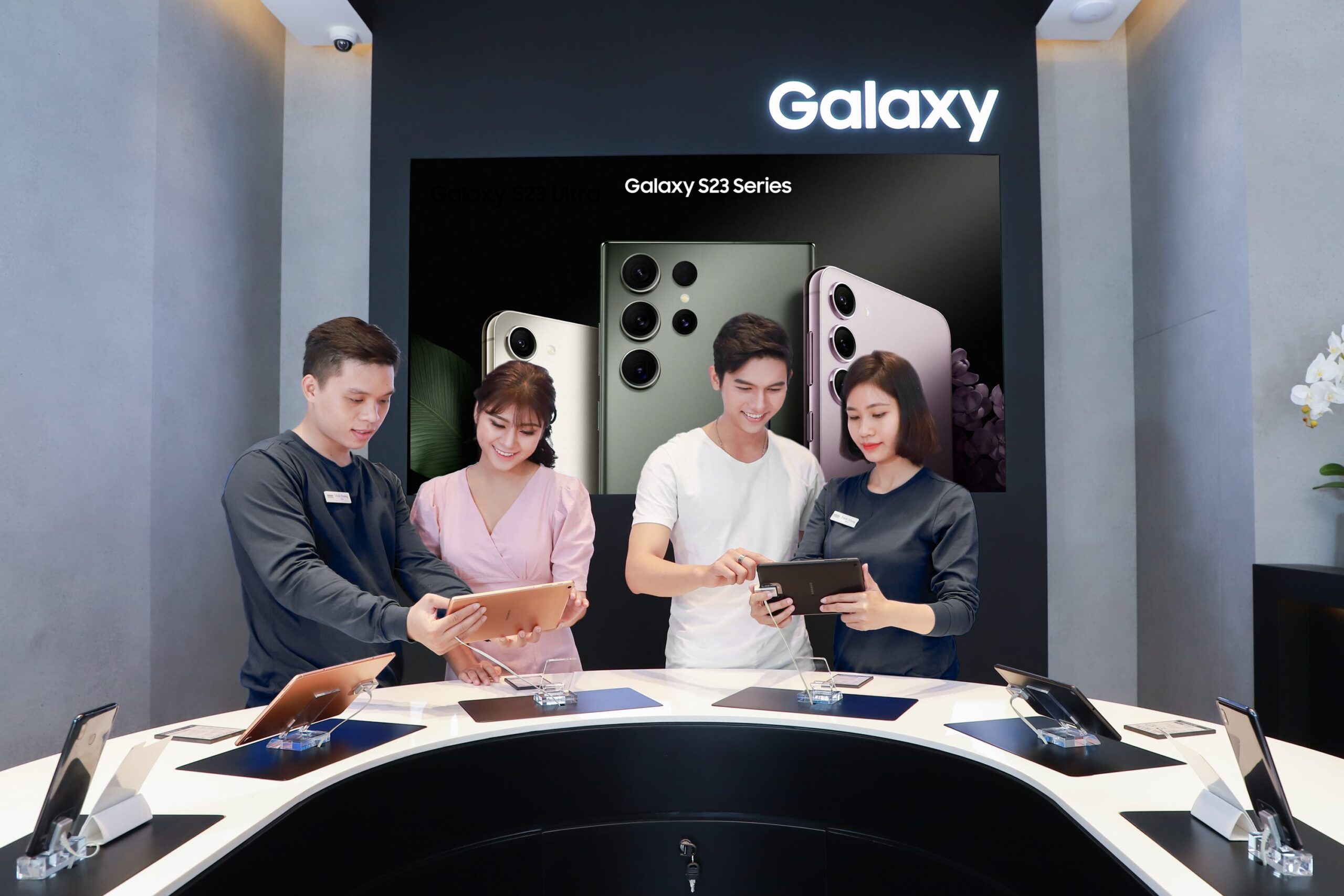
In Vietnam, Samsung targets several different target customer groups:
Primary Customers:
- Young and middle-class consumers with stable incomes.
- Prefer high-tech, modern products with elegant designs.
Young Consumers:
- Gen Z and millennials.
- Have a high demand for smartphones, tablets, and smart wearables.
- Demand high performance and advanced features.
Middle-Class Customers:
- Seek high-end home appliances such as smart TVs, refrigerators, and washing machines.
- Prioritize products with advanced technology and energy efficiency.
Samsung has implemented a multi-channel marketing strategy, investing in advanced product research and development, along with advertising on suitable platforms like social media and TV. At the same time, they also focus on improving customer care services and organizing promotional programs to attract and retain loyal customers.
3. Samsung’s SWOT Model
Strength
Samsung possesses many strengths in globally influential sectors. The corporation consistently focuses on quality and continuous product technology innovation, making it the most trusted electronics brand today. In Vietnam, Samsung was the best brand in 2021, accounting for 20% of the nation’s total export turnover and providing over 170,000 jobs.
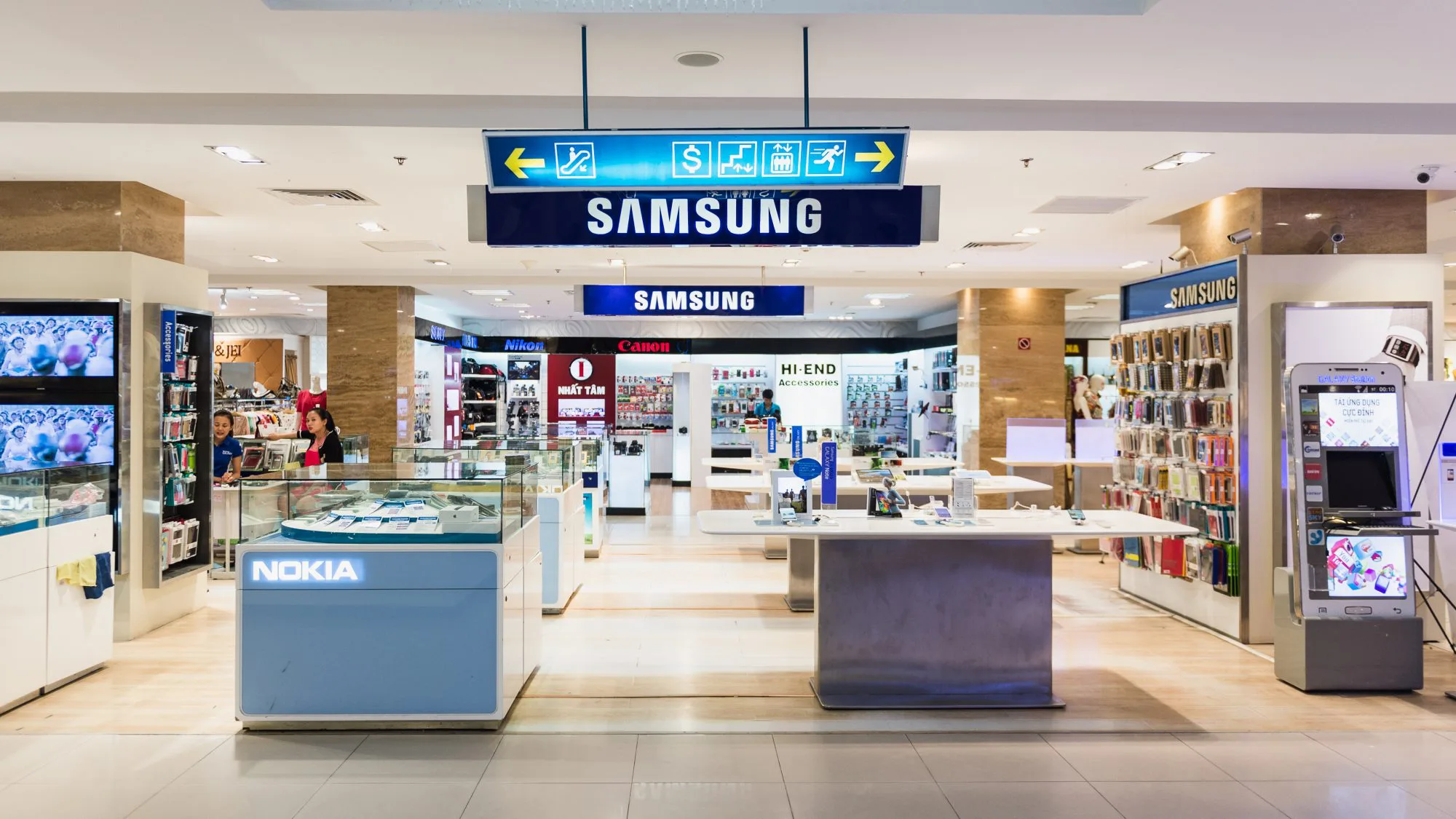
Samsung invests heavily in R&D, spending over $16.8 billion in 2019 on product and process innovation, ensuring an efficient supply chain and distribution network. From 2008 to 2020, Samsung consistently led in LCD screens and TVs, despite a slight decline in market share. They also have a diverse product portfolio, ranging from smartphones and tablets to TVs, LCD screens, NAND Flash memory, and 5G devices, which helps reduce dependence on core products and expand their business.
Weaknesses
Samsung faces challenges in creating breakthrough products compared to competitors like Apple, making the differentiation between the two brands insignificant. Additionally, Samsung’s product portfolio has very similar names, causing confusion for consumers. Smartphone series like the Galaxy Z, Galaxy S, Galaxy Note, Galaxy A, and Galaxy M have many different sub-versions, making it difficult for customers to remember product names.
Opportunities
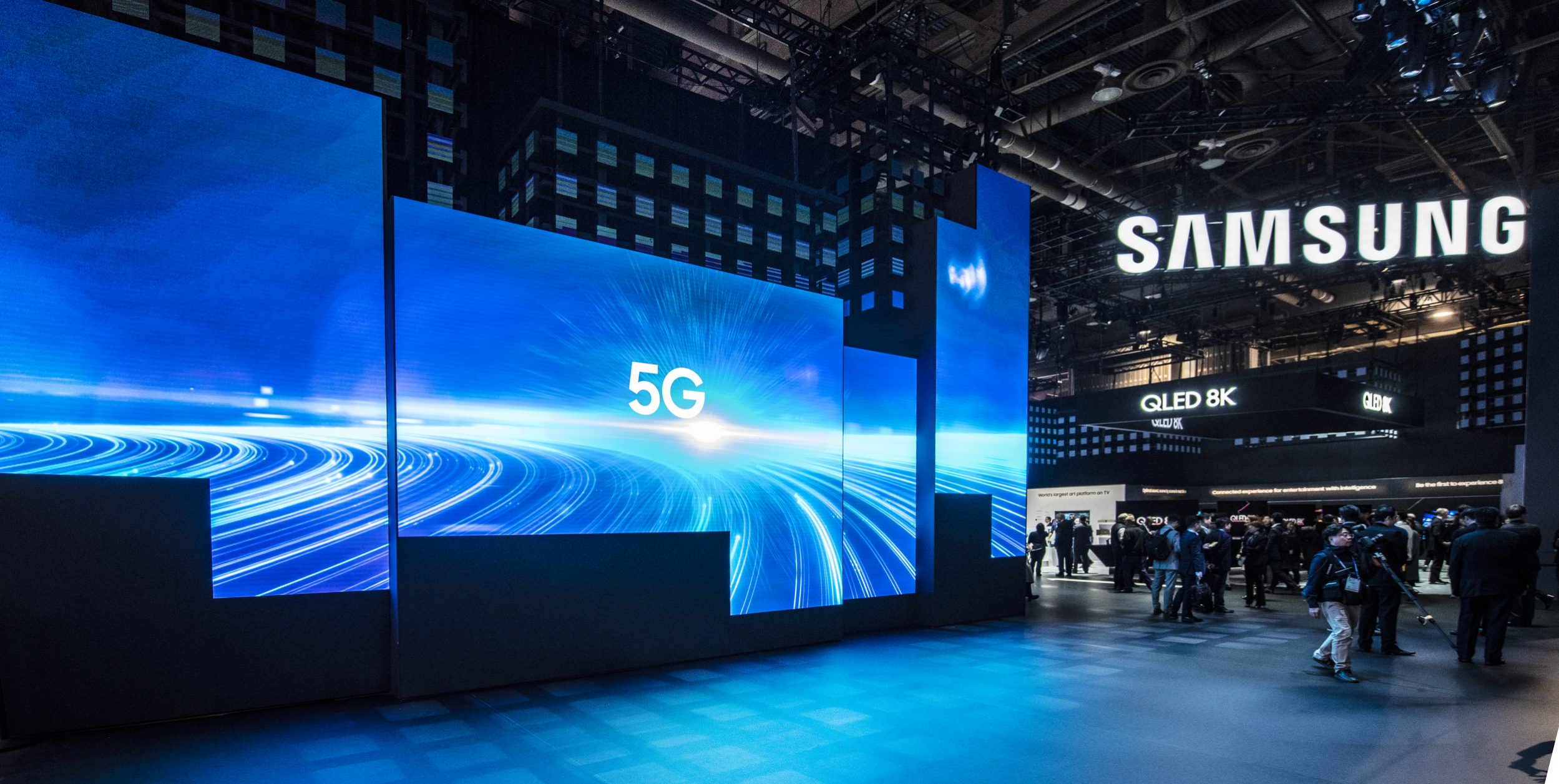
Samsung’s major opportunities include a lack of potential competitors due to high capital investment and R&D costs. The advent of 5G technology also opens up a potential market, as Samsung was the first electronics company to launch a 5G smartphone. The growing demand for tech devices, especially as the Covid-19 pandemic led many to work from home, creates an opportunity for Samsung to attract more potential customers.
Threats
The Covid-19 pandemic significantly impacted consumer psychology, causing them to spend less and think carefully before shopping, especially for non-essential electronic devices. Fierce competition from Apple and low-cost Chinese electronics brands like Oppo, Vivo, Huawei, and Xiaomi also poses a major challenge for Samsung. Additionally, Samsung has faced legal issues, such as a lawsuit with Apple over design theft and scandals related to bribery and labor law violations, which have affected the company’s reputation.
4. Analysis of Samsung’s Marketing Strategy Using the 4P Marketing Model
To achieve success, Samsung has implemented highly effective 4P Marketing Mix strategies, helping to enhance brand awareness and attract customers. So, what exactly is Samsung’s Marketing Mix strategy, and how did they build it? Let’s delve deeper into the methods Samsung has applied to achieve these results.
Product Strategy
Samsung has successfully positioned itself as a leading technology brand in Vietnam through a combination of high-quality products and strategic marketing efforts. The company focuses on offering a diverse range of products, including smartphones, home appliances, and consumer electronics, tailored to meet the varied needs of Vietnamese consumers.
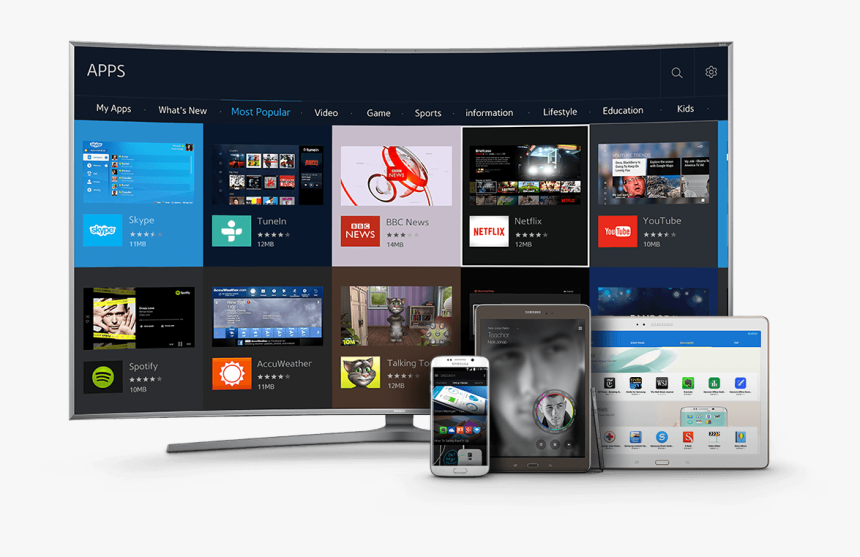
Samsung continuously invests in research and development to introduce advanced technologies and innovative features in its products. This includes advancements in smartphone technology, such as the Galaxy S series, which has garnered significant interest from the Vietnamese market. Samsung adapts its products to suit the local market by integrating features and designs that resonate with Vietnamese consumers. This includes offering products in multiple languages and ensuring compatibility with local networks and services.
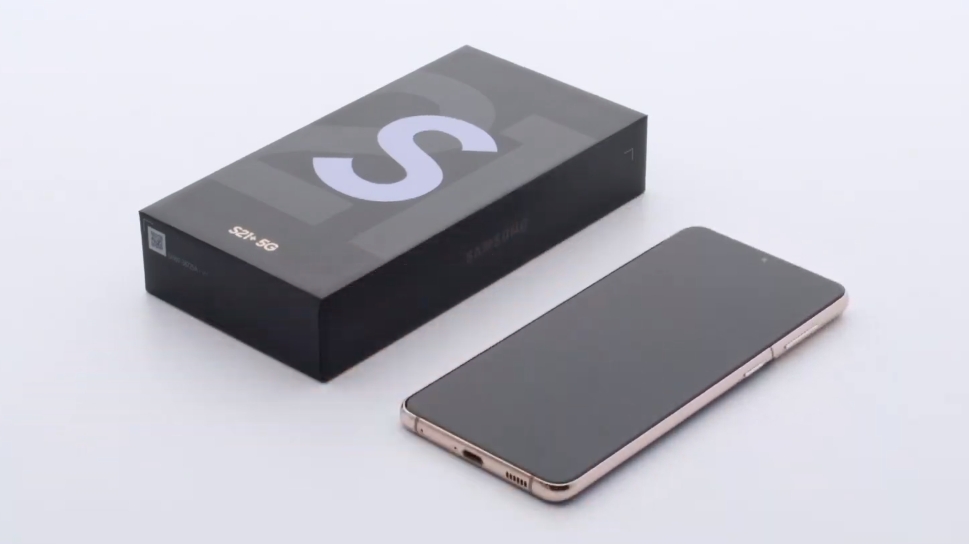
Quality and reliability are always top priorities for Samsung. The company is committed to maintaining high standards in its manufacturing process to ensure its products consistently meet or exceed customer expectations. As a result, Samsung has built a strong reputation for quality and reliability in Vietnam, helping to foster customer loyalty and enhance their satisfaction.
Specifically, Samsung’s Galaxy series maintains a regular annual upgrade cycle to compete directly in the high-end segment, while Apple’s product development strategy maintains its position through a philosophy of minimalism and ecosystem synchronization.
Price Strategy
Product pricing is not just about setting a number; it is a strategic art that helps businesses attract customers, build brand value, and optimize profits. Correct and effective pricing can strongly influence customers’ purchasing decisions, build loyalty, and create a competitive advantage in the market.
For Samsung, a leading technology corporation, reasonable product pricing is a key factor in maintaining and expanding its market share in Vietnam. Samsung applies a price diversification strategy, targeting different customer segments.
For high-end products like the Galaxy S and Note series, Samsung sets a high price to reflect their superior quality and advanced features. This price not only solidifies the product’s position in the premium segment but also builds a luxurious and high-class brand image. In addition to premium products, Samsung also focuses on mid-range and low-end products with competitive pricing. Product lines like the Galaxy A and M are designed to offer outstanding features at an affordable price, aiming to reach a broader customer base.
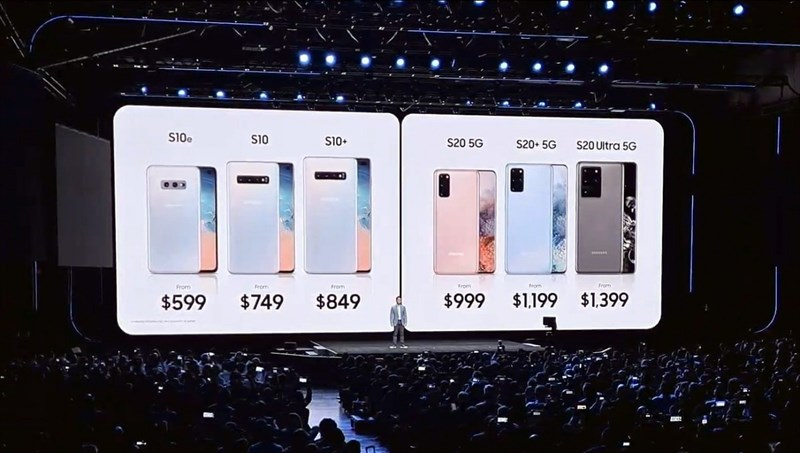
The “price skimming” strategy is one that Samsung applies, especially for new products with advanced features. By setting a high initial selling price, Samsung capitalizes on the demand from customers with high purchasing power, then gradually lowers the price to reach other customer groups. A prime example is the Samsung Galaxy Z Flip, which used this strategy to achieve high value before competitors could catch up.
Samsung adjusts its selling prices by region and distribution channel to align with the economic characteristics and consumer demands of each locality. This ensures that Samsung’s products are always reasonably and competitively priced in every market, from urban to rural areas. At the same time, Samsung also works closely with distributors and retailers to optimize its pricing strategy, ensuring products reach customers most effectively.
Place – Distribution Strategy
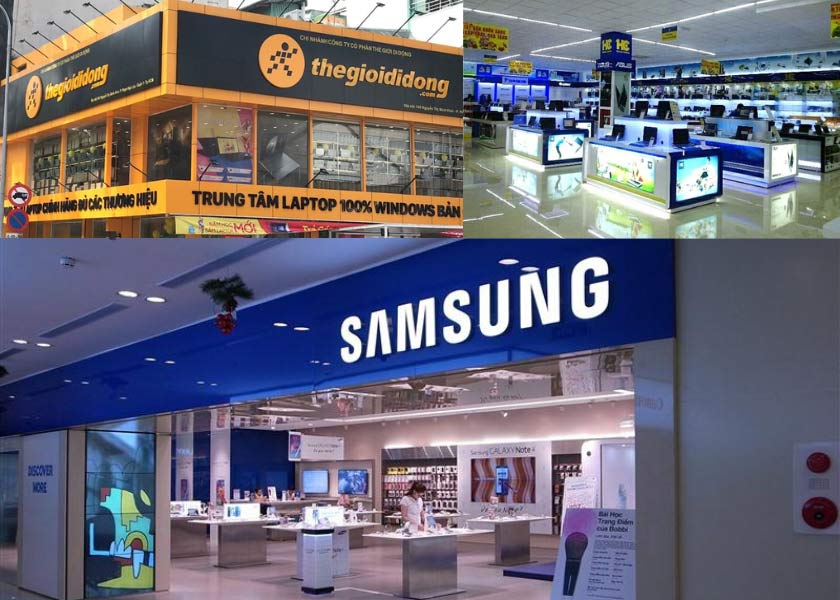
Samsung uses a multi-channel distribution strategy to maximize customer reach. The company combines traditional and modern channels, including:
- Direct retail stores: Samsung has official and authorized stores nationwide where consumers can directly experience and purchase products. These stores help enhance the brand’s presence and provide direct customer service.
- Electronics superstores and shopping malls: Samsung’s products are available in most major electronics superstores like Nguyễn Kim, Điện Máy Xanh, MediaMart, and shopping malls like Vincom and Lotte. Being present in these locations helps Samsung reach a large number of potential customers.
- Online sales channels: Responding to the growing trend of online shopping, Samsung invests heavily in its online sales channels through its official website and e-commerce platforms like Shopee, Lazada, and Tiki. This not only expands its reach but also offers convenience to customers.
To better manage the distribution process, Samsung invests in a modern warehousing and logistics system. Logistics centers are strategically located to reduce delivery times and optimize shipping costs. This ensures that products are delivered quickly and accurately to consumers.
Samsung establishes close relationships with distributors and retail partners to ensure goods are always available and timely. The company provides training programs and marketing support to its partners, helping them understand the products better and improve sales performance.
Promotion – Integrated promotion strategy
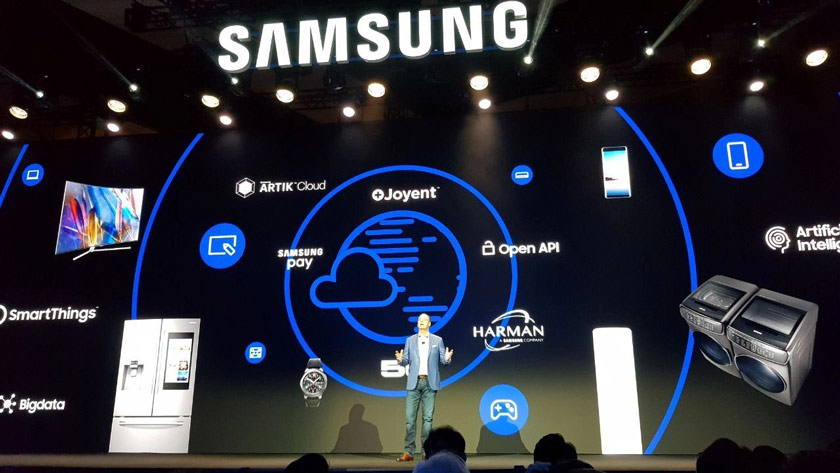
The Promotion strategy is a crucial element in Samsung’s 4P marketing mix. Samsung has combined a diverse and comprehensive range of online and offline marketing activities through multi-channel advertising on television, newspapers, radio, etc., and digital platforms to maximize its reach to the target audience. Specifically, Samsung’s advertising strategies combine the following activities:
- Multi-channel advertising: Samsung employs a multi-channel advertising strategy to reach a large number of customers across various platforms. The company runs advertising campaigns on television, newspapers, radio, and digital platforms such as social media, websites, and mobile apps. The ads typically focus on product features, quality, and the value the products bring to consumers.
- Product launch events: Samsung organizes grand product launch events that attract media and public attention. These events not only introduce new products but also generate excitement and curiosity among consumers. The events are often held both in-person and online, featuring celebrities and tech experts.
- Promotions and offers: Samsung frequently runs attractive promotions, discounts, and offers to attract customers. These programs may include direct discounts, bundled accessories, or cash-back offers. These promotional campaigns not only boost sales but also encourage customers to try and experience Samsung’s products.
- Sponsorships and partnerships: Samsung engages in numerous sponsorship activities and collaborations with strategic partners to enhance brand recognition. The company sponsors sports events, television programs, and cultural and artistic activities. Additionally, Samsung collaborates with other brands and organizations on joint marketing campaigns to expand its reach and add value to its products.
- Using celebrities and KOLs (Key Opinion Leaders): Samsung collaborates with celebrities and KOLs to promote its products. These figures have significant influence in the community and can build trust and persuade consumers. Using celebrities in promotional campaigns helps enhance brand recognition and creates a strong connection with consumers.
- Experiential marketing: Samsung focuses on experiential marketing by creating product experience zones in stores and at events. Consumers can directly use, interact with, and feel the product features, which creates satisfaction and a positive impression of the brand.
5. Samsung’s brand positioning strategy
Samsung has undergone a powerful transformation over two decades, evolving from a low-cost Korean device manufacturer into a leading global technology brand. Samsung’s positioning strategy is built on innovation, high technology, modern design, and the ability to meet the diverse needs of users across various segments.
5.1. How does Samsung position its brand in the global market?
Samsung positions itself as a “pioneering technology brand” with three main pillars:
Leading in technological innovation
-
Focus on core areas: AMOLED screens, semiconductor chips, AI cameras, foldable devices (Fold/Flip).
-
Largest R&D in the smartphone industry (over $20 billion/year).
-
Frequently introduces “world’s first” technologies.
Product diversity to serve multiple segments
-
Samsung not only competes in the high-end segment but also has a strong presence in the mid-range and budget segments (A, M series).
-
This helps Samsung maintain a large market share in both developed and emerging markets.
A brand associated with a modern lifestyle
Samsung positions itself as:
-
A companion in the digital life
-
A youthful – creative – trendy brand
-
A symbol of technology that enhances personal experiences
Consistent brand message:
“Do What You Can’t” – Pushing boundaries, creating new opportunities for experiences.
5.2. Differentiation based on technology and user experience
To increase its competitive advantage, Samsung focuses on a strategy of technology leadership combined with a superior user experience (Technology-led Differentiation).
Technological differentiation
-
Pioneering the Galaxy Z Fold/Flip foldable screens – creating an entirely new segment.
-
AI camera, large sensors, excellent stabilization system.
-
Exynos chips combined with Qualcomm for optimal performance.
-
AMOLED screens, high refresh rates – Samsung is also a supplier for Apple.
Ecosystem experience differentiation
-
Galaxy ecosystem – Watch – Buds – SmartThings – TV – Home Appliances.
-
High connectivity creates a seamless experience similar to Apple.
-
Promoting integrated AI (Galaxy AI) to personalize the experience.
Differentiation through design
-
Modern, minimalist, sharp style.
-
Defining the premium segment with luxurious design (glass – metal – signature colors).
Samsung uses technology + design + experience to create sustainable differentiation, especially in the flagship segment.
5.3. Comparing the positioning strategies of Samsung vs. Apple
| Criteria | Samsung | Apple |
|---|---|---|
| Brand Positioning | Leading in technology – expansive experience | A symbol of simplicity – premium – exclusive |
| Product Strategy | Multiple segments, varied price points | Focus on the premium segment |
| Technology | Strong innovation, continuous launches | Few but refined, emphasizing perfection |
| Ecosystem | Open, easy to connect with external devices | Closed, tightly controlled |
| Communications | Dynamic, youthful, promoting lifestyle | Minimalist, elegant, deep emotions |
-
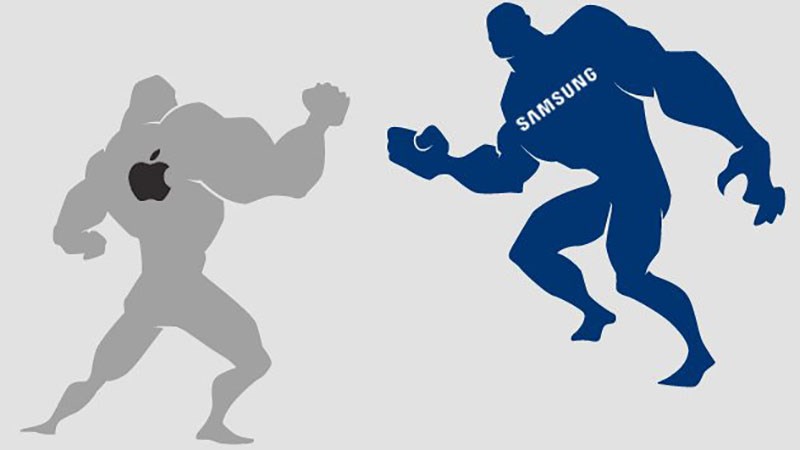
Samsung positions itself as an “innovation leader,” while Apple’s marketing strategy positions it as the “pinnacle of design and streamlined experience.”
-
Samsung expands its market through multiple segments, while Apple’s business strategy maintains a premium strategy and stable pricing.
-
Samsung is more flexible and faster, while Apple focuses on perfection and stability.
5.4. Samsung transforms its brand image from a “device manufacturer” to a “technology leader”
Before 2000, Samsung was primarily known as an OEM electronics manufacturer, competing on price and volume.
However, Samsung’s repositioning journey has completely changed market perception:
Strong investment in R&D and design
-
Established global Samsung Design Studios.
-
Invited experts from the US and Europe to upgrade the brand image.
-
Made design a key competitive factor.
-
Launched the Galaxy S (2009) and Note (2011) series – competing directly with the iPhone.
-
Promoted the “premium Android” image.
Building a product ecosystem
-
No longer just a manufacturer of TVs, refrigerators, and phones.
-
Became a comprehensive technology company: AI, IoT, semiconductors, sensors, etc.
Global communication strategy
-
Emotional and creative campaigns linked to lifestyle.
-
Sponsored the Olympics, collaborated with international artists.
Samsung has evolved from being an “Apple follower” to a brand that leads technology trends.
6. Conclusion
The above provides details on Samsung’s marketing strategy, where the brand successfully applied the 4Ps model to increase brand awareness and attract a large number of customers. Samsung has achieved great success in enhancing brand recognition and attracting a large base of customers who trust its products through an effective Marketing Mix strategy based on the 4P model. We hope that through this article, you can learn from and apply these insights to your own business.
















