12/05/2026
  644 views
Data is the foundation that helps businesses understand their operations, customer behavior, and make more accurate decisions. But what is data, what types are there, and why is it increasingly becoming a crucial asset in business? This article will help you understand everything from the concept and importance to how to collect and apply data more effectively.
Mục lục
- 1. What is data?
- 2. The importance of data for businesses
- 3. Who/which department in a business needs to process data?
- 4. Types of data frequently used in business operations
- 5. How to effectively collect data for your business
- 6. Applications of Data in Business
- 7. Software for Data Synchronization – Fast Report Extraction
1. What is data?
Data is a collection of information including numbers, words, images, or other forms of information. Data can be collected, stored, and processed to create useful information through graphs, tables, and images.
Data is divided into 2 basic forms as follows:
- Raw data: Is the initial information that has not been processed, filtered, transformed, or separated into individual elements.
- Processed data: Is raw data that has been processed, converted, or calculated to create meaningful information. This processed data is called information.
>> See more: What is Data-Driven Marketing? 5 Latest Data-Driven Marketing Trends Today
2. The importance of data for businesses
Data is a crucial foundation that helps businesses seize many opportunities and grow their business operations. The specific benefits when a business possesses a quality data source include:
- Supports smart decision-making: Data provides a comprehensive information system for businesses. By collecting, processing, and analyzing data, businesses can better understand their operations, thereby making smart decisions based on actual figures.
- Detects and predicts trends: Data helps businesses detect trends, patterns, and charts in their business activities. This assists in forecasting the market, shaping future strategies, and capitalizing on new opportunities.
- Optimizes operations and minimizes costs: Data allows businesses to identify strengths and weaknesses in their operations. Through analysis, they can optimize processes, improve productivity, reduce waste, and increase efficiency, thereby minimizing variable costs in business operations.
- Improves customer experience: Data not only improves the customer experience but also helps to better understand their behavior, desires, and preferences. This allows for the creation of better marketing strategies, improved products/services, and a better customer experience.
- Develops new products and services: Data provides information about the market, shapes customer needs, and gives feedback on current products/services. Based on this information, businesses can develop new products/services and improve existing ones to meet changing customer demands.
- Manages risk: Data helps businesses assess and manage risks. By analyzing data, managers can devise reasonable measures to quickly handle risks.
- Creates competitive opportunities: Based on analyzed data, businesses can find or create new opportunities, enhance their competitive advantage, etc.
3. Who/which department in a business needs to process data?
Most departments within a business need to process data to perform daily tasks and make decisions. For example:

- Accounting and Finance Department: Processes financial data to track revenue and expenses, profits, and create financial reports.
- Marketing Department: Uses customer data, sales figures, and market data to build Marketing strategies.
- Human Resources Department: Processes data on employees, salaries, and timekeeping to manage human resources.
- Research and Development Department: Uses data to analyze trends, research the market, and develop new products.
4. Types of data frequently used in business operations
In business, data is used in multiple dimensions, covering aspects like finance, people, the market, and more. Below are some types of data frequently used in business operations:

- Customer Data: This is information about customers, such as personal details, contact information, purchase history, feedback, etc. Customer data helps businesses better understand customer behavior and desires, thereby creating better marketing and service strategies to attract potential customers.
- Product Data: This is information about products and services, such as attributes, pricing, development history, inventory management, etc. This data supports the development of new products/services, quality management, and shaping product strategy.
- Sales Data: This is information about sales figures, such as the quantity of products sold, selling price, revenue, profit, and purchase time, etc. This data helps businesses track sales performance, evaluate the success of marketing campaigns, and adjust business strategies.
- Market Data: This is information about market size, trends, competition, distribution, potential customers, market conditions, etc. Market data helps businesses shape marketing strategies, forecast the future, and seize new opportunities.
- Transaction Data: This is information about transactions such as sales, orders, payments, shipping, etc. Transaction data helps track sales, manage transaction volume, and ensure smooth transaction processes.
- Human Resources Data: This is information about employees, such as personnel records, job positions, salaries, skills, competencies, etc. HR data helps manage human resources, train and develop employees, and ensure compliance with labor laws.
- Financial Data: This is information about financial indicators such as capital, costs, income, interest rates, cash flow, etc. Financial data provides an overview of the company’s financial situation and serves as a basis for making decisions related to investment, financial management, and financial planning.
5. How to effectively collect data for your business
5.1. Purchasing data
Purchasing data is a method of information collection where a business finds and buys datasets from specialized providers. Businesses can acquire a large amount of quality data without spending as much time and resources compared to other data collection methods. Especially for data that requires high generality and a broad search scope, businesses should choose this method to optimize time and resources.
However, when purchasing data from external sources, businesses often have to invest a significant amount of money. In some cases, the purchased data may not meet the specific needs or accurately reflect reality.
5.2. Collecting from existing external data sources
In today’s Industry 4.0 era, a user can find a vast amount of useful information with just a smartphone and an internet connection. Therefore, businesses cannot afford to miss out on collecting data from existing external sources.
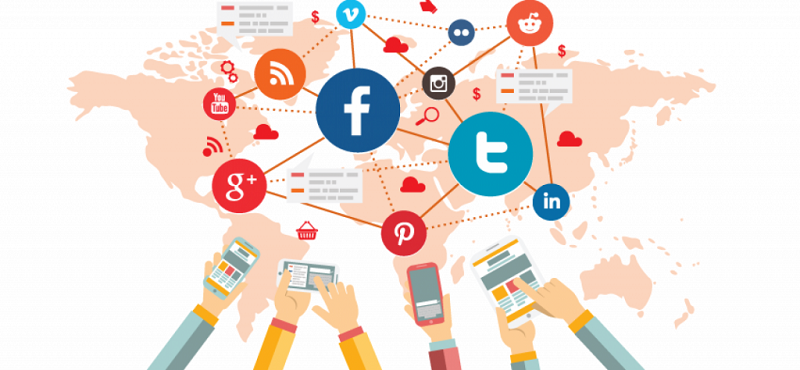
Currently, there are countless information channels that businesses can tap into for free. For example: social media, websites, search engines, forums, communities, etc. If a business knows how to leverage these data sources, it can quickly acquire quality information to serve its business operations.
When collecting data from external sources, businesses need to choose reliable information channels or those verified by reputable organizations. Otherwise, the business is very likely to collect inaccurate information, leading to ineffective management decisions.
5.3. Collecting from internal data sources
Internal data sources are considered proprietary data owned and controlled by the business. This is information and figures directly related to the company’s internal operations and processes. Specific examples include customer data, financial data, HR data, etc.
Depending on the purpose of data collection, a business can choose to collect the necessary data sources.
5.4. Surveys and interviews
Surveys and interviews are a data collection method conducted through online surveys, phone calls, or in-person interviews with participants. This method provides detailed information about the participants’ opinions, desires, and behaviors. This helps businesses better understand the opinions and interactions of customers, employees, or other stakeholders.

The survey and interview method is suitable for specific objectives such as interviewing customers about their post-purchase experience, researching new products, etc. However, conducting surveys or interviews requires time and resources, and the data can be influenced by personal opinions.
6. Applications of Data in Business
Data is only valuable to a business when the business knows how to exploit and apply it correctly and for the right purpose. So, how is data applied in business?
Currently, data sources are most exploited and used by businesses in activities such as:
- Understanding customers and competitors: Businesses can capture information about customer behavior and preferences, thereby personalizing experiences and optimizing products/services. At the same time, researching competitor data helps businesses adjust their business strategies.
- Human resource management: Recruitment, development, and human resource administration activities become more effective with quality data. Businesses can track performance, assess capabilities, and predict future workforce needs.
- Personalized marketing: Data supports the creation of personalized marketing campaigns, from sending emails and online advertising to suggesting products based on individual customer preferences. This allows businesses to increase sales by boosting purchase conversion rates.
- Identifying trends: Data is a source that helps businesses recognize future market opportunities and trends. Businesses can see changes in customer, market, and societal demands.
- Inventory and supply management: Through aggregated and analyzed data on inventory, businesses can track stock levels, forecast supply needs, and optimize supply chain processes.
- Effective work management: Data within the business helps individuals, teams, and departments coordinate smoothly. Through appropriate data sharing and permissions, work flows more smoothly and helps managers save time. Data management also helps ensure security and consensus in the company’s decisions and activities.
7. Software for Data Synchronization – Fast Report Extraction
In business operations, there are many different types of data, such as: internal data, HR data, customer data, etc. Instead of collecting data through manual methods that are time-consuming and labor-intensive, businesses can optimize with 1Office business management software.

1Office is a comprehensive business management software with three main modules, including:
- Workplace (Work management and internal communication)
- HRM (Human resource management)
- CRM (Customer relationship management)
Businesses can monitor, coordinate, manage, and evaluate their activities directly on the 1Office software system. All data on the software is synchronized and updated quickly. The software will then automatically extract information and report relevant evaluation metrics about that data.
Thus, this article has answered the question “what is data” and provided useful information about data. We hope this article helps you better understand data and apply it well in your work. We wish you success!