


 11/05/2026
  240 views
What is Marketing Mix and why is it important for a business’s marketing strategy? These are common questions for many people. No matter how excellent your product or service is, attracting attention and getting customers interested is still the key to success. Understanding this, 1Office has compiled the newest and most useful knowledge to give you a clear perspective. Let’s dive in.
Mục lục
What is Marketing Mix?
Marketing Mix is a collection of marketing tools that a business uses to promote its products/services, aiming to achieve brand or product promotion goals in the market.
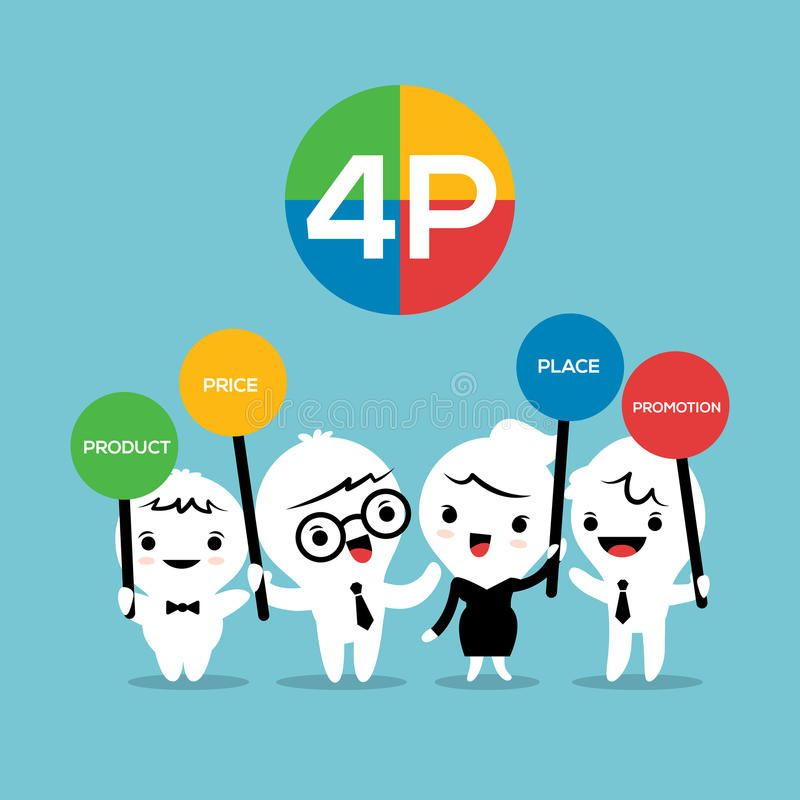
The concept of Marketing Mix was developed by Professor James Culliton of Harvard University in 1948 and was popularized by E. Jerome McCarthy. In 1960, Professor Jerome McCarthy first introduced the 4P strategy for developing effective marketing strategies. It has become the foundation of modern marketing and is widely used to this day. The 4P model consists of:
- Product
- Price
- Place
- Promotion
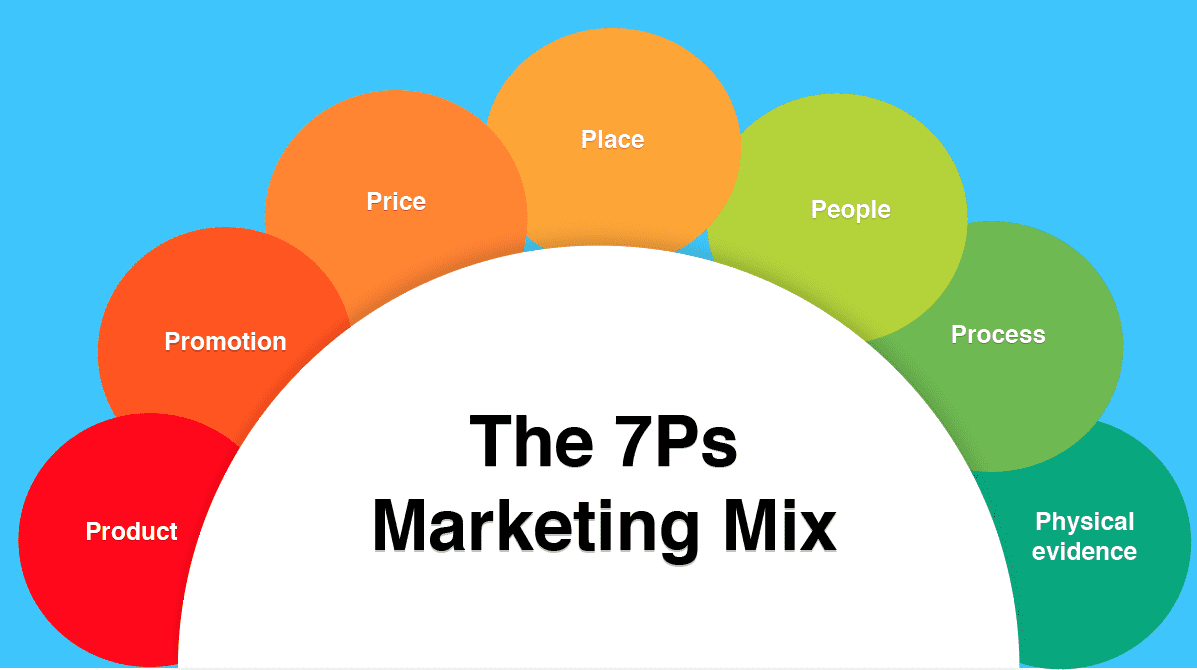
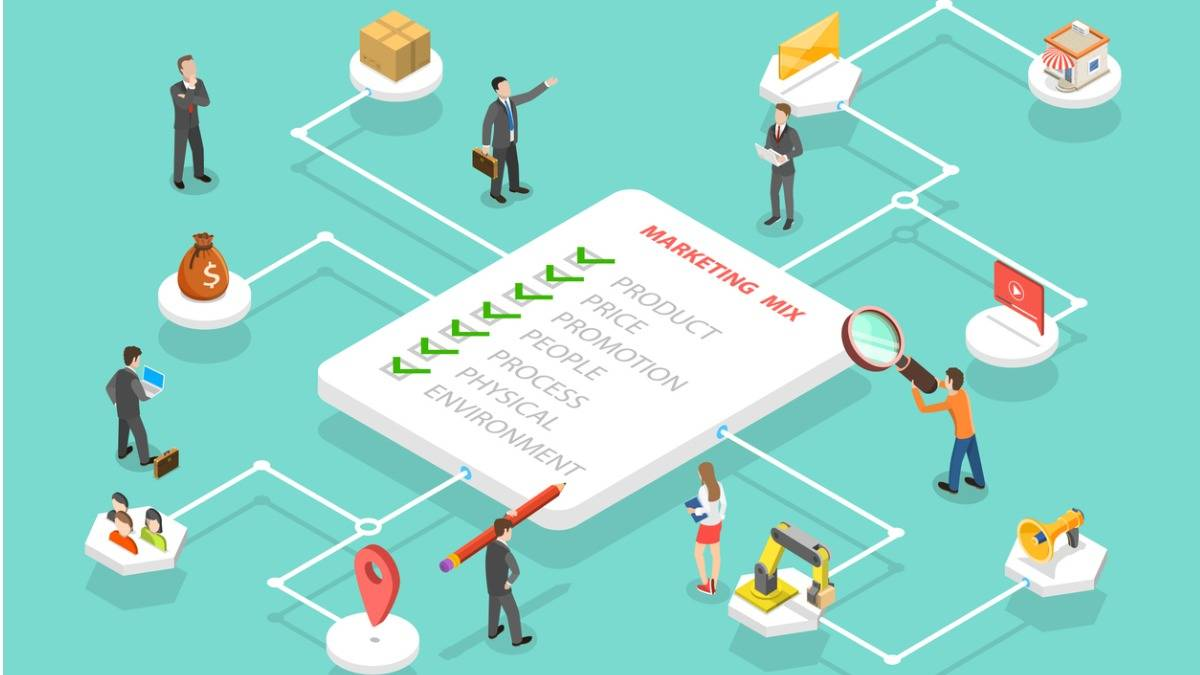
In recent years, the Marketing Mix has been expanded into the 7P model to adapt to changes in the business environment, especially the growth of the Internet and digital technology. The 7P model adds three new elements: People, Process, and Physical Evidence. These elements strengthen marketing activities as products today are not limited to tangible goods but also include intangible services.
Although the number of elements in the Marketing Mix can vary, its essence remains the combination of marketing elements to achieve business goals. These elements need to be closely integrated to create a comprehensive, unified, and effective marketing strategy.
What is the Importance of the Marketing Mix?
The Marketing Mix is a crucial strategic tool that helps businesses build a comprehensive and effective marketing plan. By optimizing each element in the Marketing Mix, businesses can enhance the value of their products/services, create a competitive advantage, and increase their ability to attract and retain customers.
The Marketing Mix helps businesses clearly understand and meet customer needs. Through market research and consumer behavior analysis, you can identify your target customers and, from there, position your product/service against competitors.
For example, Coca-Cola’s marketing mix strategy is one of the most studied successful case studies. Coca-Cola not only dominates the carbonated soft drink market but has also become a global brand icon by optimizing the elements of its Marketing Mix.
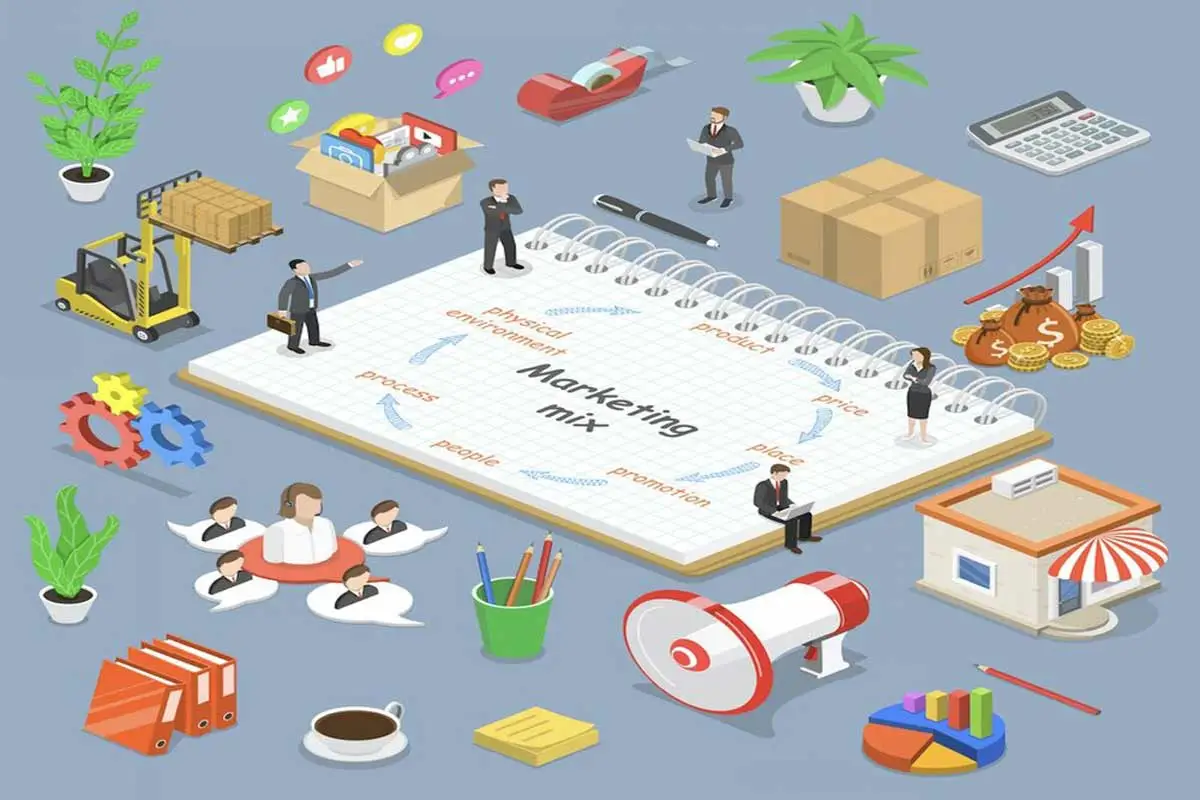
One of the key roles of the Marketing Mix is to create a competitive advantage for the business. By building and implementing a sound marketing mix strategy, a business can identify and create the perfect combination of product, price, place, and promotion.
Finally, the Marketing Mix also helps in monitoring and evaluating the effectiveness of marketing strategies. By continuously monitoring and adjusting the elements in the Marketing Mix, businesses can improve the effectiveness of their marketing strategies, thereby more easily achieving their business goals.
For example, monitoring and evaluating the effectiveness of pricing, distribution channels, and advertising strategies helps businesses make timely adjustments to align with customer needs and purchasing behavior.
Note: The Marketing Mix is only truly effective when it is continuously monitored and updated based on market information and new trends. What might have attracted customers 10 years ago, or even just 2 years ago, may no longer be effective today. Therefore, businesses need to have a deep understanding of the market, the ability to adapt flexibly, and to meet what customers need.
What are the Types of Marketing Mix Strategies?
The 4P Marketing Mix Model
The 4Ps in Marketing include Product, Price, Place, and Promotion. Each element of the 4Ps plays an essential role in a company’s marketing strategy.
Product
In the Marketing Mix, the product represents the goods/services created to meet the needs and wants of customers. Marketing effectiveness depends on identifying the differentiating features of the product/service that the business offers compared to its competitors. Customers are interested in the value that the product/service brings them, so optimizing and improving the product is crucial. This approach is called “product-based marketing” and includes elements such as design, quality, features, and packaging.
The product life cycle consists of several stages: Introduction, Growth, Maturity, and Decline. To ensure a suitable supply for the market and meet customer needs, businesses need to analyze the product life cycle and answer the following questions:
- What do customers expect from this product or service?
- What is the purpose of using the product or service?
- Does the product or service meet customer needs?
- Is there anything that needs to be removed or improved in this product?
- What makes the product or service different from competitors?
- Is the company’s product suitable for the target market?
Price
Price is the cost that customers must pay to own a product or service. The price depends on production costs, target segment, market affordability, supply and demand, and many other factors. Pricing is also a tool to create differentiation and enhance the product’s image.
To determine the right price, businesses need to clearly understand their target audience and their willingness to pay. Questions to consider when analyzing price:
- What factors is the price based on?
- What are the minimum production and distribution costs?
- Is the price suitable for the target market?
- Does the price accurately reflect the product’s value?
- Does the price meet business objectives?
- How does your price compare to competitors?
There are many popular pricing strategies today, such as: market penetration pricing, price skimming, product line pricing, psychological pricing, bundle pricing, competitive pricing, promotional pricing, segmented pricing, geographical pricing, and dynamic pricing.
Place
Place is where a business sells its product and the distribution channels used to get the product to the customer. A key factor for success in the retail industry is location. Some important questions when designing a distribution strategy:
- Where do customers look for your product or service?
- What is the best distribution channel to reach the target market?
- How can you meet customer needs in different regions?
- What are your competitors doing, and how can you surpass their strategy?
Promotion
Promotion is how a business makes its product or service known and purchased. It includes advertising, word-of-mouth, press coverage, incentives, commissions and trade awards, consumer promotions, direct marketing, along with contests and prizes.

Common promotional tools include:
- Advertising
- Sales Promotion
- Public Relations (PR)
- Personal Selling
- Direct Marketing
When promoting a product, the following issues should be considered:
- What is the best time to reach the target audience?
- Which promotional channel is most effective for the business’s target audience?
- Which marketing message will make the strongest impression on the target audience?
- What advertising method is most persuasive to the target audience?
The 7P Marketing Mix Model
The 7P Marketing Mix is an extended version of the 4P Marketing Mix, including three new elements to meet the changing needs of business and technology. Some argue that the 4Ps are outdated, and to capture new innovations, three new elements must be added:
People
The People element in the Marketing Mix refers to everyone involved in the marketing process, including:
- Customers: The people who buy and use the business’s products or services.
- Employees: Those who have direct contact with customers, playing a crucial role in conveying the brand message and maintaining consistency in marketing activities. Training employees on behavior and attitude is essential.
- Distributors: Partners who help the business deliver products to customers, including retailers, wholesalers, and agents.
- Partners: Parties that collaborate with the business in marketing activities, such as media companies, non-profit organizations, and community organizations.
Process
Process in the Marketing Mix relates to the business activities and workflows that affect the customer experience. This process includes how the business fulfills orders, from standardizing common products to customizing and personalizing the sales process. When a business changes these processes, the marketing message and supporting tools may need to be adjusted accordingly.
The process also impacts the user experience and the convenience with which customers can find products and complete transactions. This is especially important in an online sales environment. If the process of finding a product and making a payment is difficult, the likelihood of a customer returning will decrease significantly.
Physical evidence
The physical evidence element in the Marketing Mix refers to the physical elements and forms of interaction that help customers recognize and evaluate a product or service. Physical evidence includes: the actual product, stores, receipts, packaging, bags, etc.
For e-commerce websites, the website design and product packaging play a crucial role in creating an initial impression and evaluating the quality of the product as well as the business’s brand.

The 6P Marketing Mix Strategy
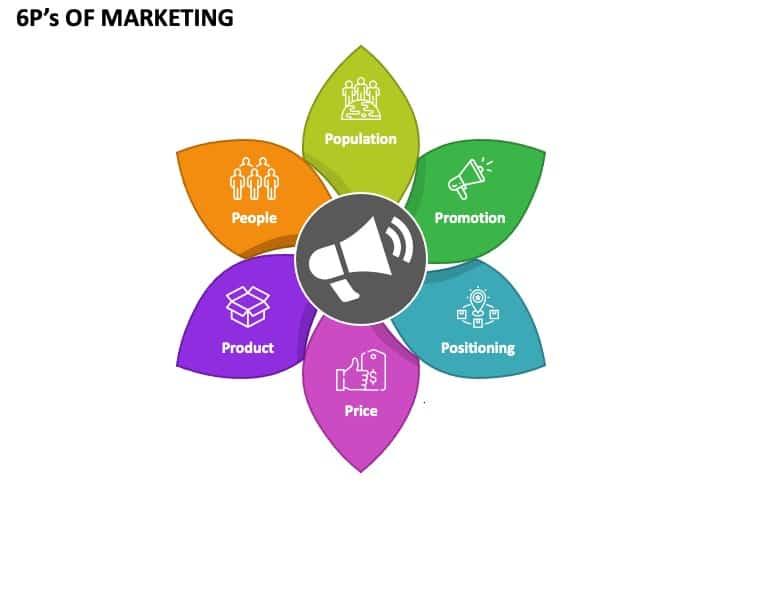
The 4Ps are still a crucial component of a successful marketing strategy. However, digitalization has expanded the traditional Marketing Mix by adding two new elements: People and Presentation.
People
People include all individuals involved in the marketing process from both sides of a transaction. Employees such as salespeople and customer service representatives shape how customers perceive the business and its products. At the same time, customer feedback is a critical factor for product improvement. The interaction between employees and customers plays a key role in determining the success of the business.
Presentation
The Presentation element relates to how the product appears in the market and includes the following factors:
- Product Packaging: On retail shelves, a product needs to stand out among hundreds of others. Effective packaging not only attracts attention but also conveys a message about the product’s quality and value.
- Messaging: The marketing message should focus on what the company wants to communicate to customers about its brand, products, and services. The message must be clear, consistent, and compelling.
- Branding: The company’s brand needs to be associated with positive thoughts and emotions from consumers. A positive brand perception will drive sales and build customer loyalty.
The 3C Marketing Mix Model
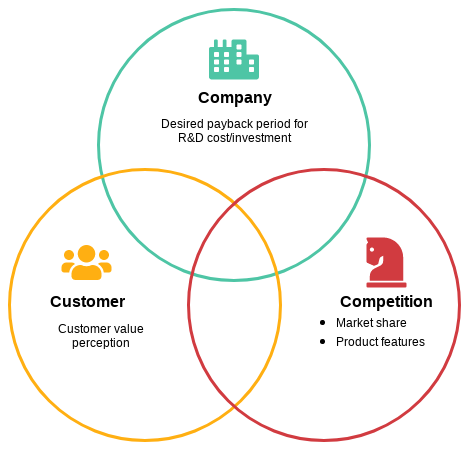
The 3C model, developed by Kenichi Ohmae, is a strategic analysis tool that helps evaluate a company’s success in the market through three key factors:
- Customer
- Competitors
- Company
The 4C Marketing Mix Model
While the 4P model primarily focuses on the seller with the goal of “boosting” sales, the 4C model revolves around the consumer. This model, particularly suitable for the Digital Marketing Mix, can bring long-term benefits to a business because it requires marketers to truly understand their target audience before developing a product.
Consumer
According to the 4C model, businesses should focus on solving problems for consumers rather than just creating products. This requires researching consumer behavior and needs, along with interacting with potential customers to determine what they truly want and need.
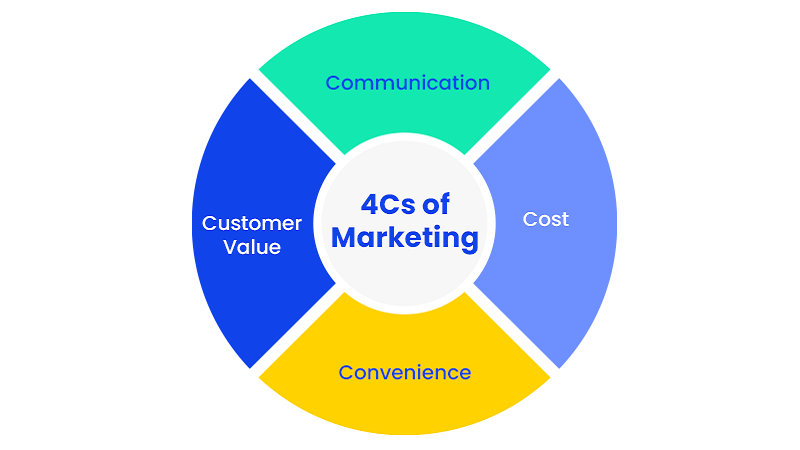
Cost
Cost in the 4C model includes not only the price of the product or service but also the total cost the consumer must incur to acquire it. This includes the time spent on research and purchase, as well as other trade-off costs such as forgoing another purchase or the feeling of guilt when buying or not buying the product.
Convenience
Convenience is a crucial factor in a consumer’s decision to purchase a product. With the growth of online marketing and shopping, the ease with which consumers can find and buy a product has become much more important than the physical location of a store.
Communication
Communication in the 4C model is a two-way dialogue between the business and the consumer. It includes advertising, marketing, appearances in the media, and especially in Digital Marketing, can include emails, website posts, blogs, sponsored ads, and social media channels. Effective communication helps businesses better understand their customers and meet their needs in the best way possible.
Methods for Defining a Marketing Mix Strategy
To achieve early sales and build a solid customer base, businesses need to start by defining and implementing their marketing strategy. Here is 1Office’s detailed guide on how to sell effectively based on a Marketing Mix strategy:
Conduct Detailed Market Research
- Conduct market research to clearly understand customer needs and wants.
- Talk to current customers to identify the problems they face and consider areas for improvement in your product or service.
- Research industry trends to identify potential market needs.
- Work with the product development team to ensure the final product meets the actual needs of buyers.
- Survey how current customers use the product or service to determine if it truly solves their problems.

Identify the Target Market and Ideal Customers
- Collect consumer data to accurately visualize your ideal customer.
- Understand the problems your target customers are facing.
- Find out if your products or services can solve customers’ needs.
- Compare customer perceptions of your product versus your competitors’.
- Identify the factors that drive target customers to make a purchase decision.
Set Objectives and Elements in Your Marketing Strategy
Next, you need to set sales and growth objectives, and determine a budget for marketing activities. Then, choose a suitable marketing strategy to reach your target audience and achieve the set goals.
For example: If you need to acquire 100 potential customers and sell 1,000 products this month, you need to target 100,000 new potential customers. Through research, if your target customers frequently visit two websites – one with 50,000 monthly visitors and another with one million monthly visitors – you might choose a strategy that focuses on the website with higher traffic to optimize results.
What are some important considerations for the Marketing Mix?
When implementing Marketing Mix strategies, businesses need to consider the following issues to ensure effectiveness:
Correctly Identify Objectives and Potential Customers
For a Marketing Mix strategy to be highly effective, businesses must build it based on specific objectives and clearly defined target customers. To do this, it’s essential to thoroughly understand customer needs, wants, and behaviors, and then develop suitable solutions and strategies to precisely meet those needs.
Optimize the Elements of the Marketing Mix
What factors influence the effectiveness of the marketing mix? They are: product, price, place, and promotion, which need to be optimized to support each other and create a unified, effective overall strategy. Businesses should regularly evaluate and adjust these elements to align with the current market situation and changes in customer demand.
Utilize Modern Technology
Modern technology plays a crucial role in implementing a Marketing Mix strategy. By using data analysis tools, marketing automation, and other advanced technologies, businesses can easily collect customer information, analyze data, and optimize the effectiveness of their advertising campaigns.
Conclusion
The Marketing Mix is an indispensable strategic tool for building and implementing an effective marketing plan. Understanding what the Marketing Mix is and applying it appropriately not only helps you seize market opportunities but also enhances your competitive ability in the industry.
















