10/05/2026
  6336 views
In today’s competitive market, cost optimization within a business requires meticulousness, creativity, and a deep understanding of the organization’s operational processes. In this article, 1Office will show businesses effective strategies to intelligently minimize costs, thereby bringing significant benefits to the sustainable development of the business.
Mục lục
- 1. What is cost optimization?
- 2. Differentiating between cost optimization and cost cutting
- 3. 13 Cost Optimization Tactics for Businesses
- 3.1 Optimizing Input Costs
- 3.2 Establish Cost Norms
- 3.3 Use free but effective marketing channels
- 3.4 Optimize human resource costs
- 3.5 Outsource short-term tasks
- 3.6 Automate and proceduralize repetitive tasks
- 3.7 Improve coordination processes between departments
- 3.8 Digitize the office, reduce physical paperwork and files
- 3.9 Optimize unnecessary expenses
- 3.10 Optimize the cost of “Idle Resources”
- 3.11 Build a quality management and control system
- 3.12 Limit scattered investments
- 3.13 Optimize business opportunities
- 4. Cost Optimization Strategy by Department
- 5. Metrics for Evaluating Cost Optimization Effectiveness
- 6. Conclusion
1. What is cost optimization?
Cost optimization is the process of minimizing expenses to achieve maximum benefits without compromising the quality of products or services.

Cost optimization not only helps reduce the financial burden but also contributes to enhancing competitiveness, improving profitability, and ensuring the sustainable development of the business.
2. Differentiating between cost optimization and cost cutting
Two common strategies applied to optimize financial resources are cost optimization and cost cutting. Although both aim to minimize expenses, they have different approaches, scopes, and effects. Below is a comparison table to help you better understand the differences between these two strategies.
| Cost Optimization | Cost Cutting | |
| Objective | Maximize the value received for every dollar spent by improving and optimizing processes and methods | Minimize the amount of money spent by reducing or eliminating expenses |
| Timeframe | Long-term, continuous | Short-term, immediate |
| Scope | Comprehensive, focusing on optimizing resources across all aspects of the organization | Focused on eliminating non-essential activities in specific areas |
| Effectiveness | Sustainable, creates long-term value by enhancing performance. | Quickly reduces costs, but may have negative long-term effects |
| Example | Using new technology to increase productivity, improve processes, etc. | Reducing headcount, cutting back on ancillary services, etc. |
Thus, cost optimization is a comprehensive, long-term process aimed at improving a business’s operational efficiency, while cost-cutting is merely a short-term solution focused on eliminating expenses.
3. 13 Cost Optimization Tactics for Businesses
Cost optimization is a key factor that helps businesses maintain operational efficiency, especially in difficult economic conditions or recessions. To achieve this goal, businesses can apply various synchronized tactics, from managing input costs, optimizing human resources, and improving processes to applying technology and utilizing idle resources. These tactics not only help reduce waste but also increase productivity, boost profits, and ensure comprehensive efficiency for the entire organization.
3.1 Optimizing Input Costs

Input costs include raw materials, energy, and services necessary for business operations. To optimize costs for raw materials, businesses can take the following actions:
# Find new suppliers with lower costs:
- Conduct surveys and compare prices and delivery terms from various suppliers.
- Negotiate and bargain for better prices from current suppliers.
- Consider negotiating with suppliers for volume discounts or long-term contracts.
# Optimize the inventory management process:
- Establish an effective inventory management system to avoid surpluses or shortages.
- Apply the Just-in-Time (JIT) method to reduce storage costs and minimize inventory.
- Periodically review and audit inventory, and liquidate obsolete or damaged products.
# Find alternative raw material sources:
- Evaluate the possibility of replacing current raw materials with other materials at a lower cost while still ensuring product quality.
- Research and test alternative raw material sources to assess their feasibility.
- Develop a systematic plan for transitioning to new raw material sources.
3.2 Establish Cost Norms
Cost norms are a management tool that helps businesses better control expenses. These norms should be based on an analysis of actual cost data and compared with industry benchmarks to determine reasonable expenses and eliminate unnecessary ones.
Reference: What Are Business Management Costs? Accounting Methods & Related Legal Regulations
To establish cost norms, you need to ensure the following factors:
# Determine cost norms for each activity:
- Analyze and determine cost norms for each activity and process within the business.
- Establish standard cost norms based on actual operations and labor productivity.
- Ensure that cost norms are appropriate for the business’s capacity and operating conditions.
# Monitor and control costs according to norms:
- Periodically review and update cost norms to reflect the current situation.
- Develop a reporting and cost monitoring system for timely detection and adjustment.
- Organize training and communicate cost norms to all employees.
# Establish a reward and incentive mechanism for meeting norms:
- Develop a reward and incentive policy for departments and individuals who meet or exceed cost norms.
- Create motivation for employees to proactively seek cost optimization solutions.
- Promptly and publicly reward individuals and departments with outstanding achievements.
3.3 Use free but effective marketing channels
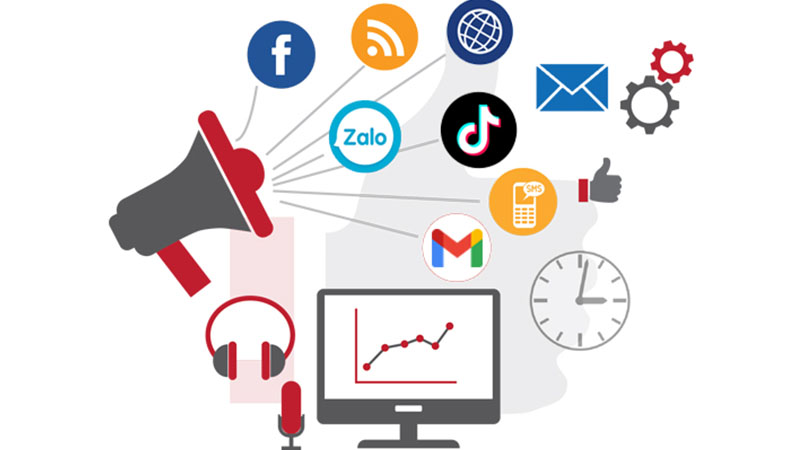
Free marketing channels like social media, blogs, and email marketing are effective tools for promoting your brand without high costs. Businesses need to create quality content, interact with customers, and fully leverage these platforms to save on marketing expenses.
3.4 Optimize human resource costs
Intelligently and effectively utilizing existing human resources is a crucial step in cost optimization. This can include training and developing employees to enhance work performance, optimizing work schedules to avoid wasted time, and optimizing the personnel structure to ensure everyone contributes to the company’s overall goals most effectively.
To optimize human resource costs, you can perform the following activities:
# Review and assess personnel needs and efficiency:
- Analyze the personnel structure, capabilities, and work efficiency of each position.
- Identify redundant or unnecessary positions and consider downsizing.
- Assess the necessity of positions to decide whether to retain or streamline them.
# Optimize the structure and processes of human resource management:
- Review and improve recruitment, training, and personnel management processes.
- Develop competitive salary, bonus, and benefits policies tied to job performance.
- Implement effective human resource management tools and software.
References:
3.5 Outsource short-term tasks
The benefits that business owners can see from this include flexibility, increased work productivity, and cost savings. Remote employees help businesses save significantly on costs related to office equipment, utilities, and leasing large office spaces.

According to surveys, remote workers are less stressed, concentrate better, and achieve higher productivity. They also have good technological skills, are ambitious, and have a clear results-oriented mindset.
3.6 Automate and proceduralize repetitive tasks
Applying automation and proceduralization to repetitive tasks helps save time and labor costs. Technologies like BPA (Business Process Automation) can help businesses automate processes such as: Order processing, inventory management, process management, etc.
3.7 Improve coordination processes between departments
A business process is a collection of jobs and tasks performed in a fixed order to transform inputs into outputs. Over time, as a business expands, its personnel structure and workload also increase accordingly.
If processes are not streamlined, many unnecessary actions will arise, wasting human resources and causing conflicts between stages. This leads to additional costs that become hidden expenses.
For example: When product delivery to customers is repeatedly delayed, the customer experience will drop to a low, or even negative, level. Although the reason might be transportation issues, supplier problems, or an employee on sick leave, customers will find it hard to be sympathetic because it affects their finances. The consequences include losing customers, decreased revenue, and a damaged reputation.
3.8 Digitize the office, reduce physical paperwork and files
These costs may seem small at first, but they can accumulate into a significant business expense. Paper, ink, postage, and mailing supplies can be replaced with digital invoices, online payment systems, and professional document creation tools.
By limiting paper use (unless printing is unavoidable), you can save up to 60% on office supply costs per employee each month. Additionally, this is environmentally friendly and helps save office space from tons of printed paper that will sooner or later be discarded.
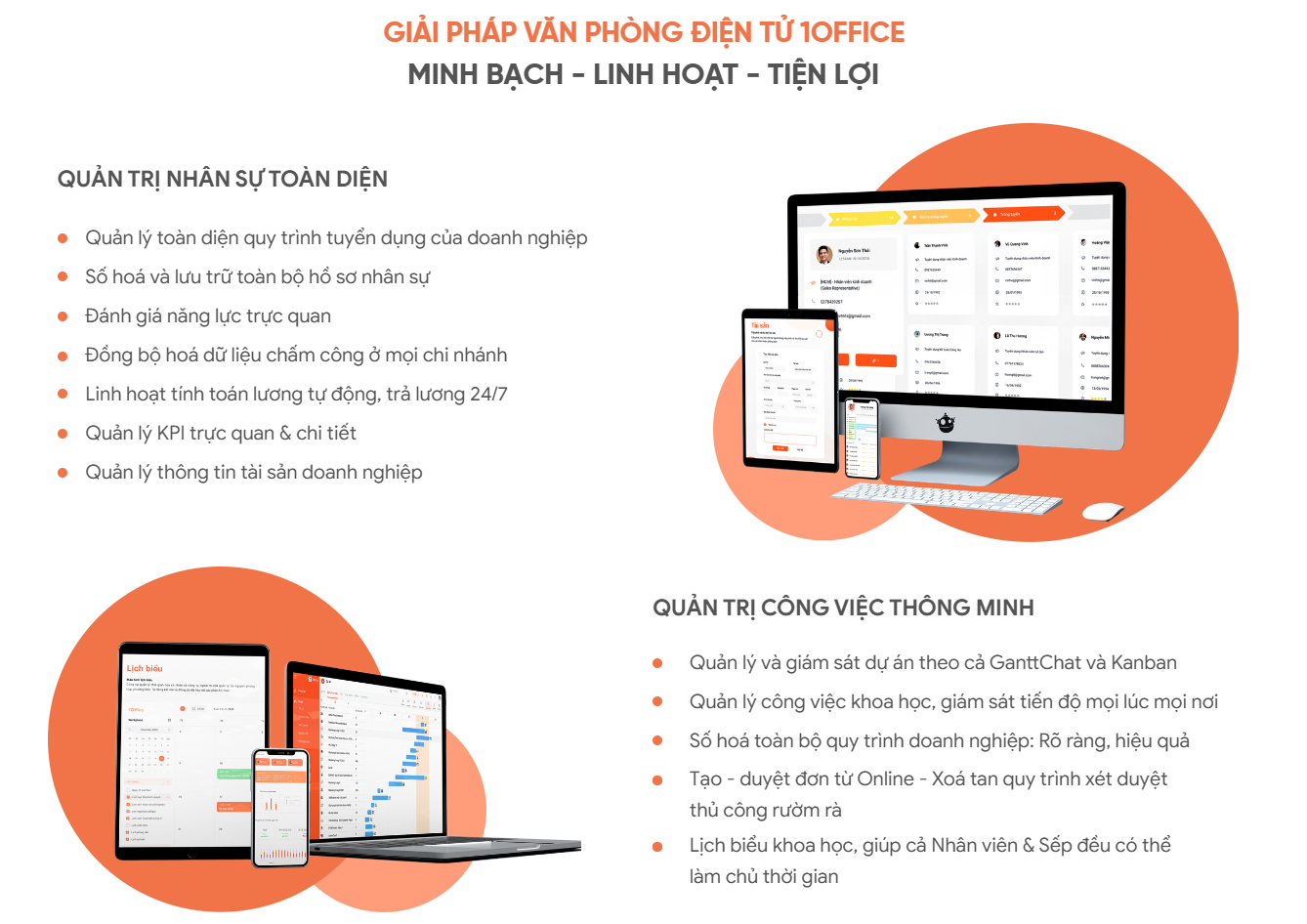
Register for a free 1Office Demo account!
Digitizing the office not only helps save printing and storage costs but also enhances security and information accessibility. Use cloud storage solutions and document management software to optimize work.
3.9 Optimize unnecessary expenses
Tightly controlling unnecessary expenses is an effective way to reduce costs. Businesses should periodically review expenditures and eliminate those that do not add value or can be replaced with cheaper solutions.
After implementing cost-cutting measures, businesses need to monitor and evaluate the effectiveness of the actions taken. Regularly check and adjust to ensure that spending is managed effectively and costs are saved.
3.10 Optimize the cost of “Idle Resources”
Idle resources are a common hidden cost in businesses, including both equipment and personnel. According to one study, organizations only automate 25-40% of their workflows, while employees spend up to 22% of their time on tedious, repetitive, and wasteful manual tasks.
Although they do not directly consume company resources, idle resources are still assets. Businesses must pay salaries to employees and bear the costs of depreciation and maintenance for equipment. The amount of idle resources reflects the efficiency of a business’s resource utilization, especially its workforce. Managers need to measure, control, and allocate work reasonably to optimize the use of these resources.
3.11 Build a quality management and control system
Businesses need to apply technology and quality business management software to monitor and evaluate the effectiveness of production processes and supply. This way, businesses can manage quality effectively and save costs.
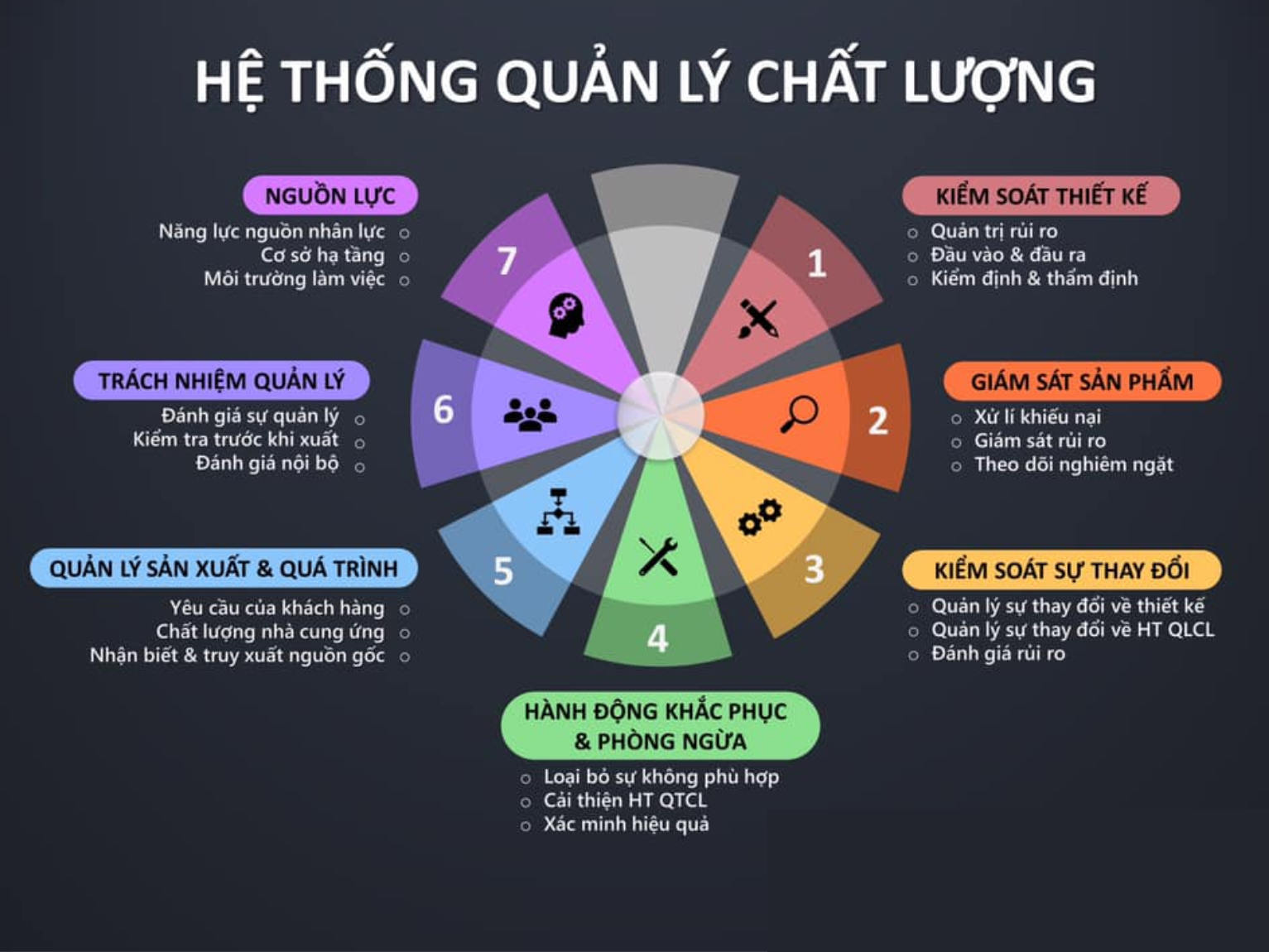
To ensure product and service quality, businesses need to establish a system for periodic quality inspection and evaluation. This way, businesses can detect problems and errors early and fix them promptly.
After implementing a quality management system, businesses need to continuously improve quality based on feedback from customers and the market. Regularly evaluate and adjust to ensure that products and services meet quality requirements and standards.
3.12 Limit scattered investments
Focusing on strengths and narrowing the scope of investment is one of the most effective strategies to improve profitability. By limiting the types of services offered and projects accepted, businesses can operate more efficiently and produce higher-quality results.
Another method to focus the business is to become a subcontractor. Maximize the business’s working capacity by subcontracting whenever possible. More projects will bring in more revenue, while lower subcontracting costs will help optimize profits.
3.13 Optimize business opportunities
First, businesses need to analyze the market and potential partners to identify business opportunities. Understand market needs and trends to develop suitable products and services.
After identifying opportunities, businesses need to assess their competitive ability, strengths, and weaknesses compared to competitors. Determine a suitable business strategy to optimize opportunities and achieve the highest benefits.
Based on the analysis, businesses need to develop new products and services that align with business opportunities. Invest in research and development to meet market demands and create a competitive advantage.
4. Cost Optimization Strategy by Department
Cost optimization is not just about reducing general expenses, but also needs to be implemented by each department to ensure comprehensive efficiency without affecting work quality. Below are illustrative examples for common departments in a business:
4.1 Production
-
Optimize raw materials: Reduce waste, reuse scrap materials, and buy in bulk to receive discounts.
-
Improve production processes: Apply Lean Manufacturing, 5S, and automate repetitive stages to save labor and time.
-
Periodic maintenance: Reduce unexpected repair costs and extend machinery lifespan.
4.2 Marketing
-
Use free or low-cost channels: Social media, email marketing, online PR.
-
Optimize advertising campaigns: Analyze ROI, focus on the most effective channels, and avoid wasting budget on campaigns that don’t deliver results.
-
Leverage reusable content: Repurpose videos, articles, and images to reduce new production costs.
4.3 Human Resources
-
Optimize recruitment costs: Use internal networks, referrals, and online platforms instead of hiring external services.
-
Optimize working hours and productivity: Implement timekeeping software and assign tasks reasonably.
-
Internal training: Utilize the expertise of current employees instead of outsourcing.
4.4 Office & Administration
-
Digitize documents: Reduce printing and physical record storage costs.
-
Save energy: Control electricity, water, and office equipment usage.
-
Smart procurement: Take advantage of promotions, buy in bulk, or sign long-term contracts for discounts.

A departmental cost optimization strategy helps businesses reduce costs while increasing operational efficiency, ensuring all departments coordinate smoothly without affecting product quality, services, or the customer experience.
5. Metrics for Evaluating Cost Optimization Effectiveness
To determine if a cost optimization strategy is truly effective, businesses need to establish specific KPIs (Key Performance Indicators). Common metrics include:
Cost per Unit
-
Measures the total production cost divided by the number of completed products.
-
Helps evaluate production efficiency, compare against plans, and identify wasted raw materials or labor.
Operating Cost
-
Includes all daily operational costs: electricity, water, personnel, rent, office supplies, etc.
-
Helps control overall costs, identify unnecessary expenses, and implement optimization measures.
Resource Utilization Rate
-
Measures the usage level of machinery, manpower, time, and raw materials compared to maximum capacity.
-
Helps businesses balance resources, reduce downtime, and optimize production and operational efficiency.
Cost per Customer
-
Evaluates the marketing, customer care, and operational costs associated with each customer.
-
Helps determine strategies for investing in high-value customers and optimizing ROI.
How to Track KPIs
-
Use cost management software, ERP, CRM, or Excel spreadsheets for regular tracking.
-
Set up weekly and monthly reports to analyze trends, detect waste, and make timely adjustments.
-
Compare actual costs vs. budget, and combine departmental and company-wide assessments to ensure the cost optimization strategy achieves comprehensive effectiveness.
6. Conclusion
The above is a comprehensive overview of cost optimization in business, how to distinguish it from cost-cutting, and 13 cost optimization tactics to help businesses stabilize financial resources and create more opportunities for investment and growth. We hope the information in this article will be helpful as you apply a cost optimization strategy in your own business.