


 12/05/2026
  337 views
Currently, the trend of managing and tracking software projects is becoming increasingly popular, far surpassing traditional methods. Therefore, understanding software project management and how to implement it effectively is a top concern for business leaders. So, what is software project management? What is the most effective software project management model? Let’s find the answers with 1Office in the article below!
Mục lục
I. What is software project management?
Software project management is a term for job positions responsible for performing the main tasks in coordinating the implementation of a software project for a company. The main tasks include: planning, assigning appropriate personnel; establishing and managing strategies; managing risks related to human resources and cash flow; and accepting and handing over software-related products.

II. Key tasks in software project management
In an organization, the person in the software project management position needs to have a clear understanding of the information and skills required to execute tasks to develop and enhance the company’s competitive advantage in the market. The software project management position plays a very important role in the development of the business, so the person holding this position also requires specialized skills and a strong ability to grasp situations to perform the main tasks.
Specifically, the main tasks to be performed in software project management are:
- Receive general information about the project, then analyze and process related data to establish a general plan.
- Establish objectives, and oversee all human resource and progress management activities to allocate resources and tasks appropriately.
- Allocate human resources for each project reasonably, and track project progress with the help of management software.
- Manage all administrative procedures, work data, and confidential internal records.
- Perform evaluations, measurements, and report on performance results at specific intervals. Then, conduct acceptance testing and hand over to the client.
- Monitor the work situation of the personnel team to adapt to different types of projects and promptly resolve any hot issues that arise in each project.
See more: What is the most effective and convenient project management tool today?
II. Detailed software project management process
For all tasks to be completed effectively, a software project manager needs to follow a standardized general project management process. The 4-step process for managing a software project shared below will help managers easily control project tasks and promptly mitigate risks to ensure the project is carried out most effectively.
| Step Name | Purpose | Key Tasks | Person in Charge |
| Project Kick-off | To ensure all project personnel understand the most basic information about the work to be done |
|
Project Manager (PM) |
| Project Implementation Planning | Establish and adjust project objectives and action plans to suit each phase |
|
Personnel in the software project management board |
| Project Execution | Implement the established plan to achieve the best results |
|
Manager, all project personnel |
| Acceptance and Handover to Client | Conclude the project, accept the results, and evaluate |
|
Project Manager |
Read more: How to Calculate Construction Investment Project Management Cost Norms: Latest Formulas and Examples
II. The 4 Most Effective Software Project Management Models
1. The Agile Project Management Model
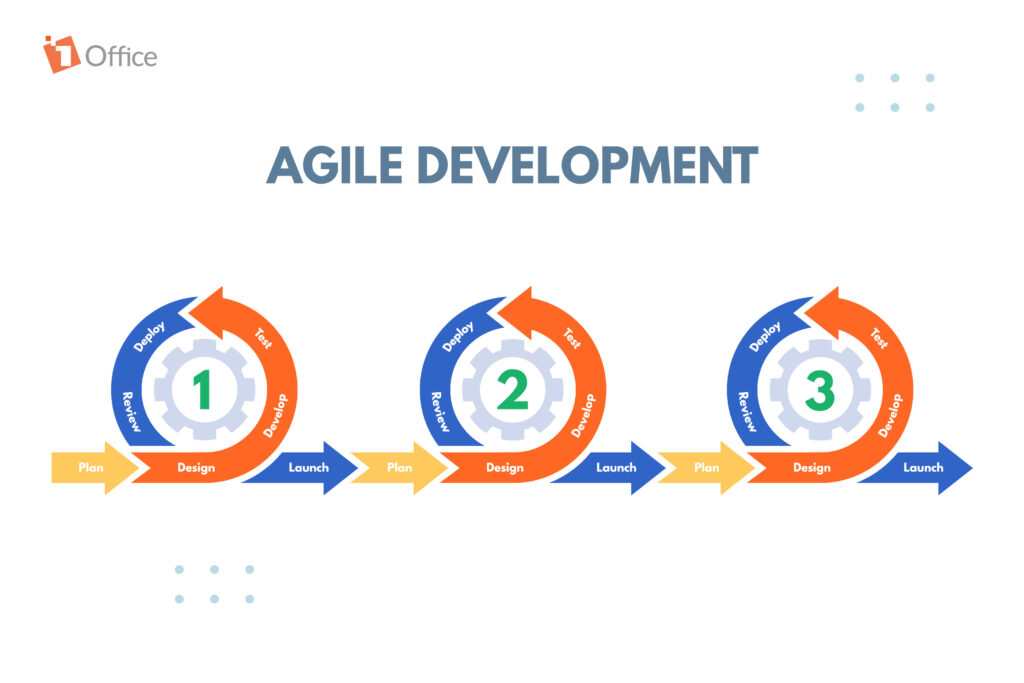
As one of the most effective software project management methods applied in many large enterprises, the Agile method is now widely used whenever a project needs to be executed. The Agile project management model works by breaking down a project into smaller tasks, which are then carried out in different timeframes until the main objective is completed.
Advantages:
- Easy to understand, easy to apply, flexible, and highly interactive.
- Helps businesses proactively adjust tasks when any changes occur.
- Helps complete projects with many complex items.
- Minimizes losses.
Disadvantages:
The Agile model does not help managers determine specific deadlines and costs for each task, making it suitable only for short-term projects.
| Read more: A-Z Guide to Effective Construction Investment Project Management |
2. SCRUM Software Project Management Model
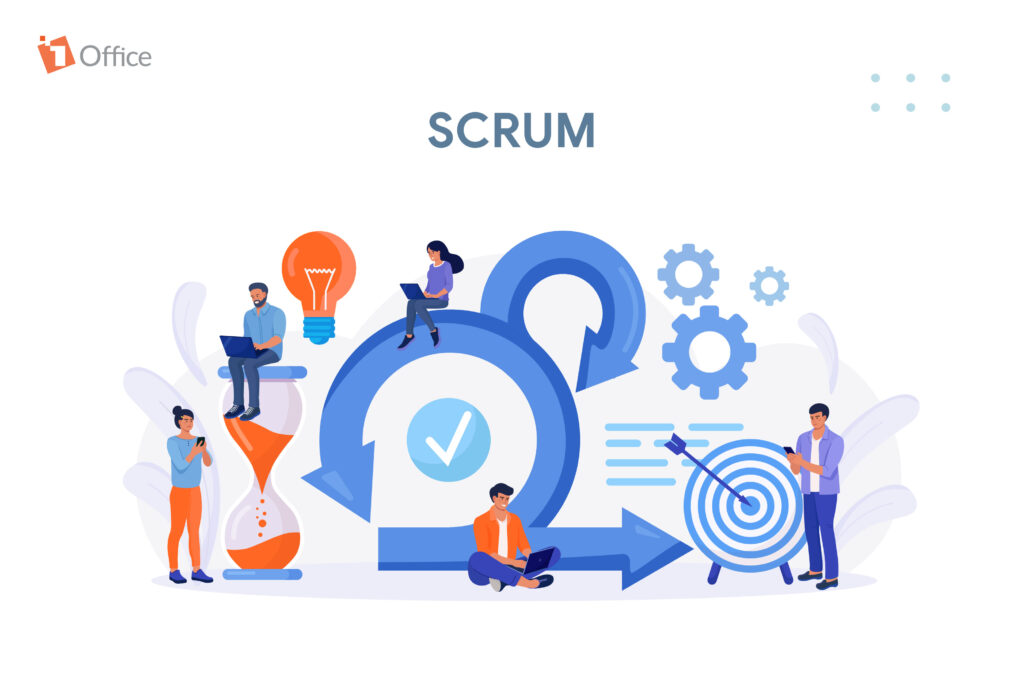
It can be said that SCRUM is a sub-model within the Agile software project management method mentioned above, operating on an iterative and incremental mechanism. The iterative mechanism mentioned here is the repetition of processes so that the business can continuously improve its products/services, thereby creating value for customers throughout the research and delivery process.
When applying the Scrum model in software project management for a business, the manager needs to follow steps from gathering work characteristics, planning, and allocating personnel appropriately to monitoring implementation, testing, and reporting.
Advantages:
- The Scrum model helps businesses ensure that time and money are used effectively.
- It helps break down large projects into smaller, more manageable stages.
- Scrum-based meetings provide a clear vision for the entire team.
- It can be applied to various projects, including the most long-term and difficult ones.
Disadvantages:
- There are frequent changes during the plan implementation process.
- There is a risk from individuals if they are not committed to collaborating until the project is completed.
- With the Scrum model, the software project management team must hold frequent meetings, which can easily lead to burnout.
Reference: Top 10 Project Management Software for Progress Tracking in 2024
3. Waterfall Software Project Management Model
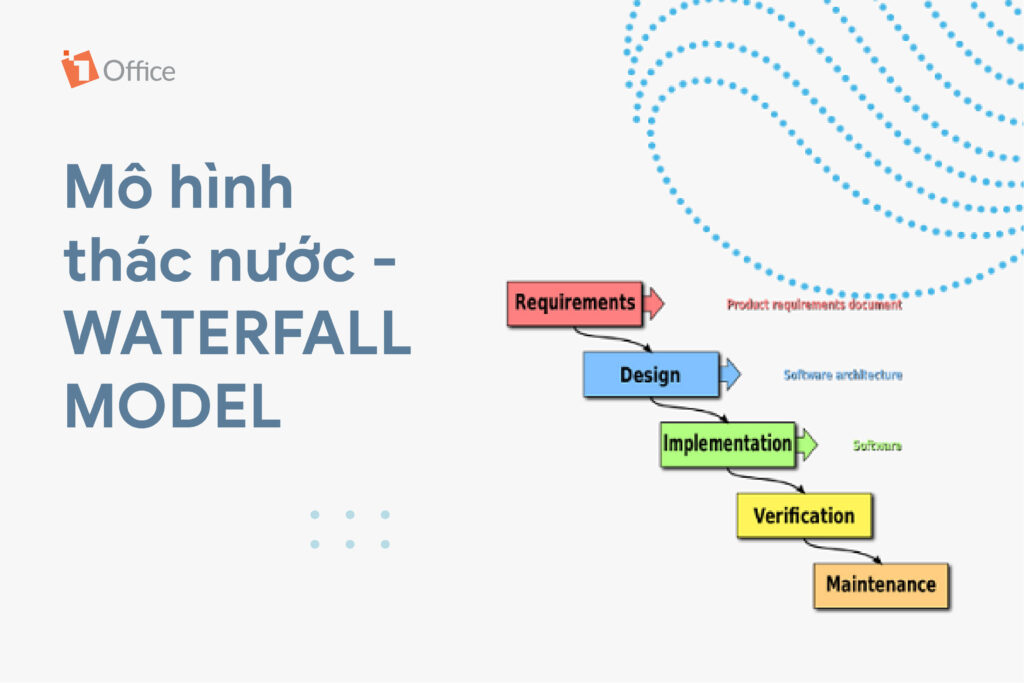
Waterfall, also known as the cascade model, is a model commonly used by many different businesses. According to this model, the entire project is divided into small stages with specific requirements to be completed.
The typical stages of the Waterfall model include: Technical requirements => Information analysis => Task design => Implementation => Testing => Acceptance.
Advantages:
- The Waterfall model is quite simple and easy to understand.
- The stages established when using this model are fixed, ensuring high accuracy; the tasks of each stage must be completed accurately before moving on to the next.
- The Waterfall model helps the management team ensure clarity in each implementation stage.
Disadvantages:
Because the Waterfall model’s process is rigidly established, it is difficult to change. Following this model, the software project management team might skip contingency planning and be unable to handle emerging risks in a timely manner.
4. DEVOPS Model
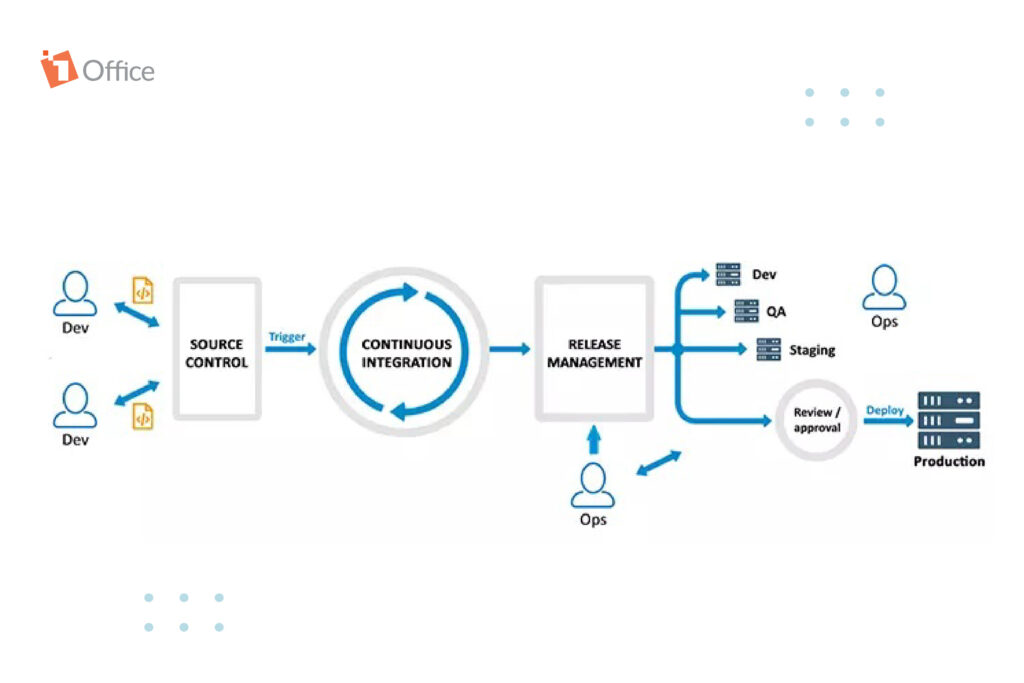
DEVOPS is a project approach model that combines software system development with the company’s existing information technology. Accordingly, when applying this model, managers can rely entirely on technology to manage project progress, manage the quality of work items, and evaluate the performance of each assigned individual.
Advantages:
- Applying technology to software project management helps standardize the management process, saving time and costs.
- It enhances the connection between the management team and the software implementation team.
- Leveraging automation tools helps mitigate risks and increases the project’s success rate.
Disadvantages:
This is a project management model for enterprise software applications that is integrated with technological advancements, requiring technical skills, so the team may sometimes face difficulties in the initial days of implementation.
IV. A Summary of Essential Skills for Software Project Management
As a software project manager, you need to equip yourself with the necessary skills to oversee all project tasks, manage personnel, and track work progress effectively.
1. Technical Skills
Specifically, technical skills refer to an understanding of technology. What would happen if a software project manager did not understand information technology? This would make communication between the project management team and the implementation team very difficult. Therefore, the first crucial ability a software project manager needs is a thorough understanding of technology and the software the company will implement for daily work.
2. Leadership and Communication Skills
A software project manager is the person who directs and manages the team, so leadership ability is essential. When planning, disseminating, and monitoring implementation, the manager needs the ability to see the big picture, guide employees, and set specific goals to ensure everything proceeds according to plan and achieves the best results.
In addition, communication skills also play a crucial role in software project management. When a manager knows how to talk to project personnel with an appropriate attitude and uses tactful language that earns everyone’s respect, the bond between employees and the manager will be stronger, and work efficiency will also improve significantly.
3. Planning Skills
A plan is the foundation for implementing and managing project progress effectively. Therefore, to manage a software project, a manager must master planning methods to be as comprehensive as possible, best suited to the available resources, and ensure the set objectives can be achieved.
Thus, with the top 4 software project management models and the necessary skills for managing software projects introduced above, managers have certainly gained a more comprehensive view of software project management and know how to apply the models appropriately.
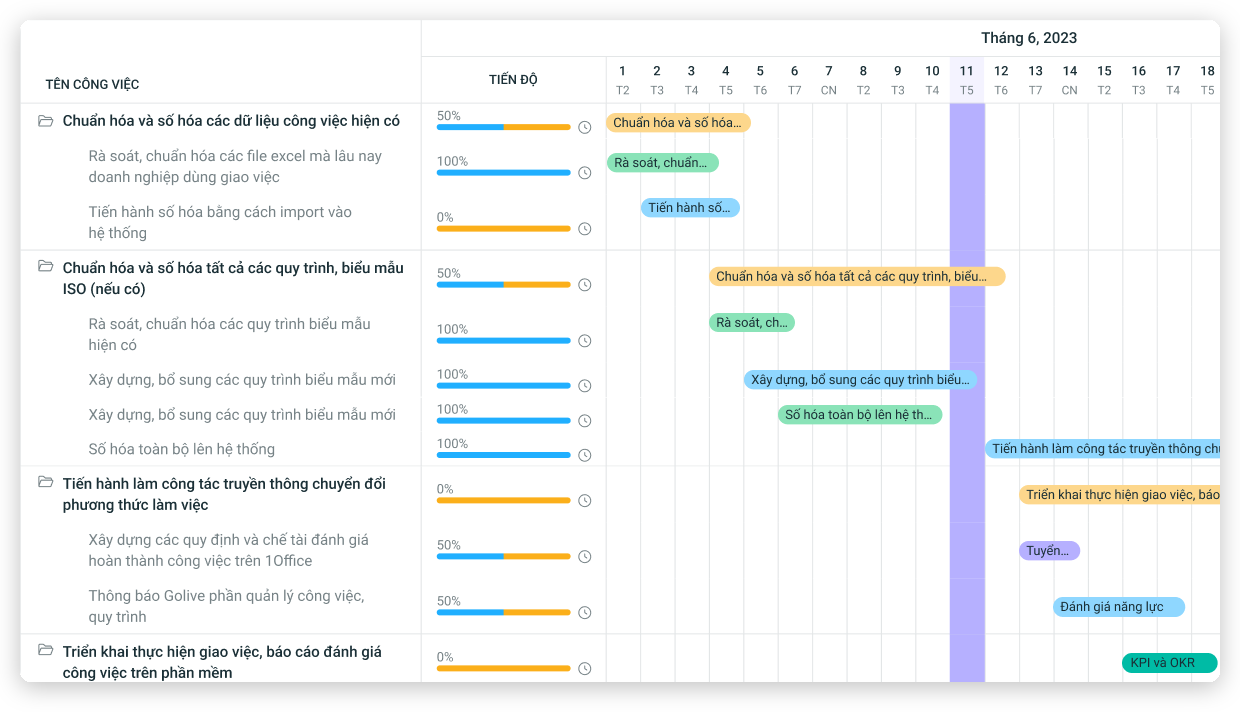
Additionally, applying software solutions to track and manage software projects is a management trend chosen by countless managers today. The 1Office task and project management tool is one of the most favored solutions by large enterprises. With outstanding features like real-time work progress updates, intuitive work efficiency arrangement and reporting, 1Office has accompanied over 6,000 large businesses in solving the problems they face in software project management.
Get a free consultation & software demo!
For more details, please contact:
- Hotline: 083 483 8888
- Fanpage 1Office: https://www.facebook.com/1officevn
- Youtube: https://www.youtube.com/c/1OfficeNềntảngquảnlýtổngthểDoanhNghiệp
















