


 12/05/2026
  31941 views
To achieve success and sustainable growth, an organization needs talented leaders. This requires these leaders to possess the necessary leadership and management skills, as these are crucial factors that help them manage personnel and work activities effectively. In this article, 1Office will help you explore the leadership skills that a talented leader must have.
Mục lục
- 1. What are leadership skills?
- 2. Top 10 essential leadership skills for every manager
- 2.1 Change management skills
- 2.2 Inspiring and empowering skills
- 2.3 Interpersonal and communication skills
- 2.4 Change management skills
- 2.5 Problem-Solving Skills
- 2.6 Negotiation Skills
- 2.7 Listening Skills
- 2.8 Decision-Making Skills
- 2.9 Information Processing and Thinking Skills
- 2.10 Emotional Control Skills
- 3. Why Are Leadership Skills Important?
- 4. The Role of Leadership Skills in a Business
- 5. How to Develop Leadership Skills
- 6. Applying Leadership Skills in Practice
- 7. Leadership Challenges and How to Overcome Them
- 8. FAQ: Frequently Asked Questions About Leadership Skills
- 9. Conclusion
1. What are leadership skills?
Leadership skills encompass a set of abilities, traits, and behaviors that a leader uses to influence, guide, and shape the actions of a group or organization to achieve common goals. This applies not only to those in formal leadership positions but also to anyone within an organization or in daily life.

The goal of leadership skills is to help a leader achieve the common goals of the organization, group, or individuals. Specifically, leadership skills help a leader:
- Provide direction and inspire people: A leader needs the ability to provide direction and inspiration to get everyone to collaborate in achieving common goals.
- Motivate and develop the team: A leader needs the ability to motivate and develop the team so they can reach their full potential.
- Solve problems and make decisions: A leader needs the ability to solve problems and make decisions quickly and effectively.
- Manage time and work effectively: A leader needs the ability to manage time and work to ensure tasks are completed on time and with high quality.
- Build and maintain relationships: A leader needs the ability to build and maintain good relationships with everyone to create cohesion and cooperation within the organization.
2. Top 10 essential leadership skills for every manager
2.1 Change management skills
This type of leadership skill includes abilities in planning, organizing, and running a business, as well as organizing personal work. Planning is the process of defining goals, building strategies, and creating plans to achieve those goals. During this process, a leader must anticipate challenges, obstacles, and fluctuations in the business environment and have contingency plans.
A visionary leader is always concerned with the development direction of the business, asking the key question: “Where will the business be in the next 5, 10, and 20 years?”. The trend of globalization has had a profound impact on this question. The answer is no longer limited to one industry and one country but must be placed in the context of global competition and cooperation.
2.2 Inspiring and empowering skills

An excellent leader needs the courage to face responsibility, confront challenges, and accept change. They must know how to motivate employees by creating a positive work environment. Praising and criticizing at the right time and in the right way is highly effective in motivating employees.
Coaching and development, as well as delegating to employees, are important skills for a leader. A great leader needs to have excellent teammates to turn their plans into reality.
2.3 Interpersonal and communication skills
This requires the manager’s sensitivity, flexibility, and knowledge, as well as social experience. The goal is to enhance mutual understanding and respect by identifying and acknowledging the values and needs of all parties in communication. Recognizing and sharing the values and achievements of others is not always simple, whether those values belong to subordinates, colleagues, or superiors. This is the crucial foundation for communication, conflict resolution, and negotiation skills.
2.4 Change management skills
This characteristic includes skills in planning, organizing, and managing a business, as well as organizing personal work. Planning is the process of defining goals, building strategies, and creating plans to achieve those goals. In this process, a leader must anticipate difficulties, obstacles, and fluctuations in the business environment and have contingency plans.
A visionary leader is always concerned with the company’s development direction, asking the key question: “Where will the business be in the next 5, 10, and 20 years?”.
The trend of globalization has profoundly influenced this question. The answer is no longer limited to one industry and one country but must be placed in the context of global competition and cooperation.
2.5 Problem-Solving Skills
In an ever-changing and challenging business environment, leaders must be able to identify and solve problems effectively to ensure the organization’s success.
Problem-solving skills include the ability to identify, analyze, and effectively resolve challenges at work. Those with strong problem-solving skills often possess the ability to think logically, gather information, analyze relevant factors, and propose creative and effective solutions. This skill also includes the ability to manage risks, clearly define the problem, select a resolution method, and evaluate the results.
2.6 Negotiation Skills
Negotiation is indeed one of the most crucial skills an excellent leader must possess. Negotiation is the process of communication and persuasion aimed at reaching a mutually beneficial agreement. In the professional sphere, leaders often have to negotiate with various stakeholders such as customers, partners, suppliers, and employees. To negotiate successfully, they need the ability to understand and address the goals, perspectives, and interests of all parties involved.
Negotiation skills involve listening, creative thinking, emotional control, problem analysis, and proposing persuasive solutions. A leader with good negotiation skills also knows how to consider factors like the future, relationships, and fairness during the negotiation process. This skill helps them build good relationships with employees, partners, and other stakeholders, while creating favorable conditions to achieve their goals.
2.7 Listening Skills
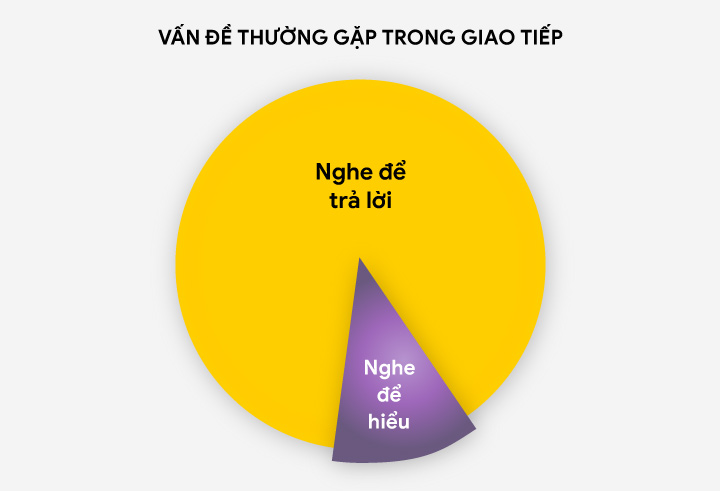
Possessing listening skills helps managers clearly understand the opinions, perspectives, and needs of all personnel in the company. This helps build a positive work environment, foster unity, and strengthen team spirit. Through listening, leaders can also identify potential problems, challenges, and opportunities, thereby making intelligent decisions and providing appropriate support.
2.8 Decision-Making Skills
In running and managing an organization or a team, decision-making skills play a crucial role. Leaders always need to make quick and accurate decisions in various situations, from large-scale strategic decisions to small, everyday issues.
Decision-making skills include the ability to gather information, analyze situations, evaluate available options, and choose the best course of action based on the organization’s goals and principles. However, making a decision is not always quick and simple. A good leader should be able to analyze and face risks, and manage complex and conflicting situations. At the same time, they should know how to listen to others’ opinions and consult experts to make more intelligent and effective decisions.
2.9 Information Processing and Thinking Skills
Receiving and processing information effectively is necessary to think and make accurate decisions. This process consists of four main components:
- First is the skill of problem analysis and decision-making.
- Second is financial and quantitative analysis skills. Leaders need to be able to read and understand financial figures and analyze them to support the management process.
- Third is the ability to develop and create new problem-solving methods for oneself and the business. Creativity is an important quality, but it is not innate; it is the result of continuous learning, observation, and thinking.
- Fourth is the ability to handle details. Information is diverse and abundant; to process it effectively, a leader must know how to filter and select important information, maintaining the main direction without overlooking necessary details.
2.10 Emotional Control Skills
Leadership skills require the ability to promote, guide, and motivate the work team. To do this, a leader needs to control and manage their own emotions and those of the team members. Emotional control skills help a leader maintain calmness and focus in stressful situations, avoid negative impacts on the team, and ensure the work process runs smoothly and professionally.
Additionally, the ability to control emotions helps a leader demonstrate confidence and stability in their decisions and actions. This builds trust and motivation within the team, contributing to a positive and reliable work environment. Showing empathy and respect for these emotions creates cohesion and effectiveness in teamwork.
3. Why Are Leadership Skills Important?
Leadership skills are important because they directly affect the entire team’s work efficiency. A good leader not only helps improve productivity but also creates a positive work environment that encourages creativity and personal development. Leaders have the ability to direct and guide their teams toward clear and challenging goals, while also building trust and cohesion within the organization. When employees feel led by a leader with vision and competence, they will have higher motivation and morale.
4. The Role of Leadership Skills in a Business
In a business, leadership skills play a decisive role in achieving business goals. Good leaders help businesses overcome difficulties, seize opportunities, and ensure sustainable growth. A strong leader not only knows how to make important decisions but also how to unlock the potential of each team member, guiding them to develop their skills and contribute to the organization’s overall success. In a competitive business environment, excellent leadership skills also help a company build a competitive advantage and maintain its position in the market.
5. How to Develop Leadership Skills
5.1 Learn from Great Leaders
Observing and learning from successful leaders is an effective way to develop leadership skills. They can provide valuable lessons and practical experience. Look for opportunities to work or interact with leaders you admire, listen to their stories, and learn from their challenges and successes. Additionally, you can read books, watch videos, and attend talks by famous leaders to expand your knowledge and vision.
5.2 Participate in Courses and Workshops
Leadership courses and workshops provide in-depth knowledge and practical opportunities, helping you master necessary skills. Look for courses from reputable organizations or prestigious universities to ensure you receive high-quality training. These courses often include lectures, practical exercises, and group discussions to help you apply theory to practice and improve your leadership skills.
5.3 Practice and Self-Assessment
Regular practice and self-assessment are the best ways to improve leadership skills. Seek feedback from colleagues and employees to adjust and perfect your leadership style. Take time to review your decisions and actions, identify your strengths and weaknesses, and find ways to overcome limitations. You can also use leadership skill assessment tools and tests to track your progress and guide your future development.
5.4 Use Coaching and Mentoring
Coaching and mentoring from experienced experts help you develop leadership skills quickly and effectively. They provide the necessary guidance and support for you to progress. A good mentor not only shares knowledge and experience but also offers valuable advice and helps you see issues from different perspectives. Coaching and mentoring also help you build professional relationships, expand your network, and find new career opportunities.
6. Applying Leadership Skills in Practice
6.1 Managing a Work Team
Effective team management requires coordination, reasonable task delegation, and maintaining good relationships among team members. A leader needs to know how to clearly define the roles and responsibilities of each member, ensuring everyone understands the common goals and knows how to work together to achieve them. At the same time, a leader needs to know how to resolve conflicts, encourage collaboration, and motivate the team.
6.2 Motivating Employees
Motivate employees by recognizing their achievements, offering appropriate rewards, and creating development opportunities for them. Take the time to listen and understand the desires and needs of your employees, then implement suitable policies and programs to encourage them to reach their full potential. This not only helps improve work efficiency but also builds employee engagement and loyalty to the organization.
6.3 Building a Positive Work Environment
A positive work environment encourages creativity, collaboration, and personal development. A leader needs to build and maintain such an environment to maximize work efficiency. This includes creating a company culture that supports and encourages innovation, ensuring employees feel respected and recognized, and providing the necessary resources for them to work effectively. A positive work environment also helps reduce stress and increase employee satisfaction and happiness.
7. Leadership Challenges and How to Overcome Them
7.1 Handling Conflict
Conflict is inevitable in any organization. A leader needs to know how to handle conflict skillfully and fairly to maintain harmony within the team. This includes listening to all parties involved, understanding the root cause of the conflict, and finding a satisfactory solution for everyone. A leader also needs to know how to remain calm and patient during conflict resolution, while creating an environment that encourages communication and peaceful problem-solving.
7.2 Facing Change
Change is always a major challenge. A leader needs the ability to adapt and guide the team smoothly through periods of change. This includes clearly communicating the reasons for and benefits of the change, encouraging employee participation and input, and providing the necessary support to help them adapt. A leader also needs to know how to manage change effectively, ensuring the process is orderly and does not cause too much disruption to the organization.
7.3 Maintaining Passion and Motivation
Maintaining passion and motivation is one of the biggest challenges for leaders. Taking care of yourself and finding new sources of motivation are ways to overcome this challenge. Take time to relax and recharge, participate in activities that make you feel happy and inspired, and seek new goals and challenges to maintain passion and motivation at work. You can also seek support and encouragement from family, friends, and colleagues to help you overcome difficult periods and keep moving forward.
See more:
- 7 Leadership Mindsets That Create the Archetype of a Brilliant Manager
- What is Mindful Leadership? Elevate Your Business Management
- The 5 Levels of Leadership by John Maxwell and How to Become a Great CEO
- 10+ Essential Leadership and Management Competencies for Business Administrators
- The Art of Leadership – The Key Factor for Employees to Give 100% Effort
8. FAQ: Frequently Asked Questions About Leadership Skills
8.1 What Are the Most Important Leadership Skills?
The most important skills include communication, time management, decision-making, problem-solving, and employee motivation. These skills help leaders guide their teams effectively, solve problems creatively, and maintain employee motivation.
8.2 How Can I Improve My Leadership Skills?
You can improve by learning from great leaders, attending courses and workshops, practicing regularly, and receiving support from coaching and mentoring. Always seek feedback and continuously strive to develop your skills.
8.3 Can Leadership Skills Be Learned?
Leadership skills can be learned through training, practice, and real-world experience. Anyone can become a great leader if they have patience, effort, and a commitment to self-development.
8.4 What Are Effective Methods for Developing Leadership Skills?
Effective methods include learning from great leaders, attending courses and workshops, practicing and self-assessing, as well as using coaching and mentoring. Always look for opportunities to practice and apply what you have learned in real-life situations to improve your leadership skills.
9. Conclusion
Leadership skills are a critical factor in determining the success of individuals and businesses. Skills such as communication, time management, decision-making, problem-solving, and employee motivation are all essential. Developing and applying these skills will not only help you become a great leader but also help you achieve significant goals in your career and life.
Always learn and develop your leadership skills, using every opportunity to practice and improve. Do not be afraid to face challenges and always maintain passion in your leadership work. Leadership is not just a position but a continuous journey of growth and learning. Always expand your knowledge, seek support, and strive relentlessly to become an outstanding leader.
















